Award-Winning Computer Science Tutors
serving Columbus, GA
Computer Science
Tutors in Columbus
Private 1-on-1 tutoring, weekly live classes for academic support, test prep & enrichment, practice tests and diagnostics, and more to elevate grades and test scores.
Based on 3.4M Learner Ratings
UniversitiesSchools & Universities
DeliveredHours Delivered
ProficiencyGrowth in Proficiency
Who needs tutoring?
No obligation. Takes ~1 minute.
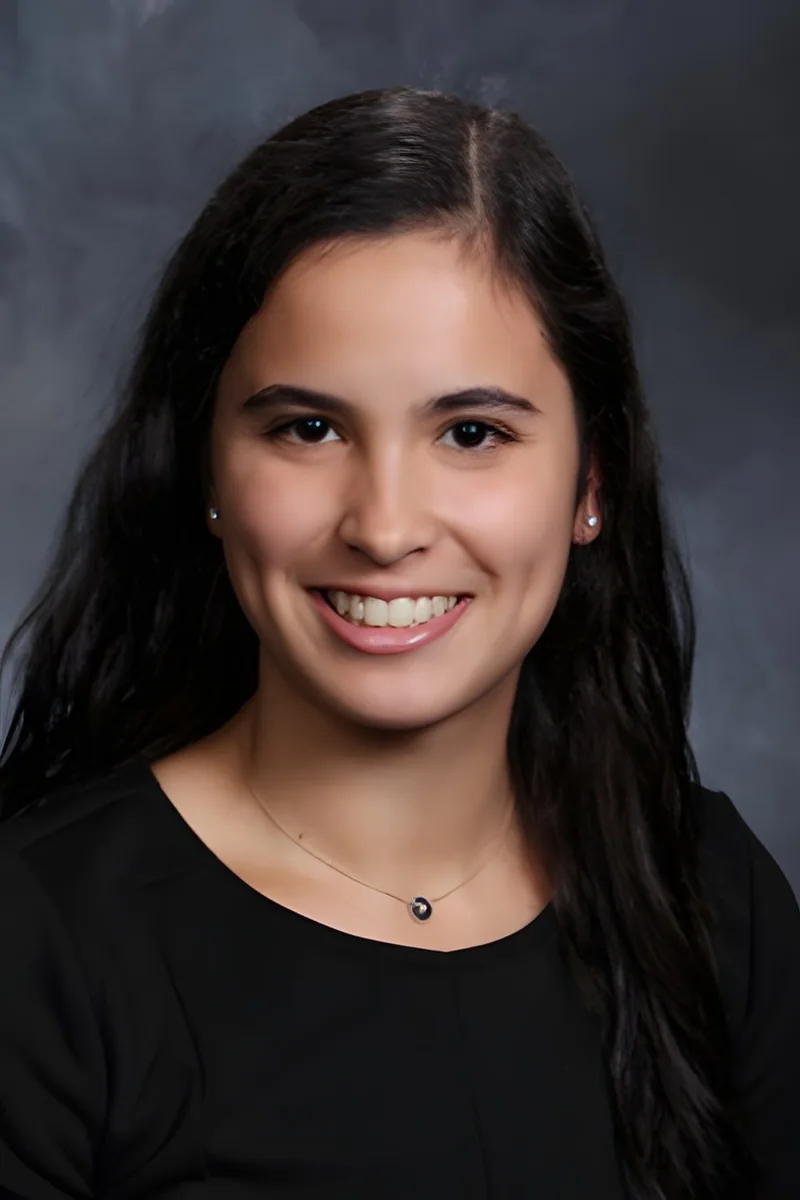
Isabella TA'd multiple computer science courses at MIT, so she's seen exactly where students get stuck — whether it's tracing recursive calls, understanding how data structures like linked lists and trees actually work in memory, or debugging logic errors in their code. She explains the underlying concepts so that writing correct programs becomes intuitive rather than trial-and-error. Rated 5.0 by students.
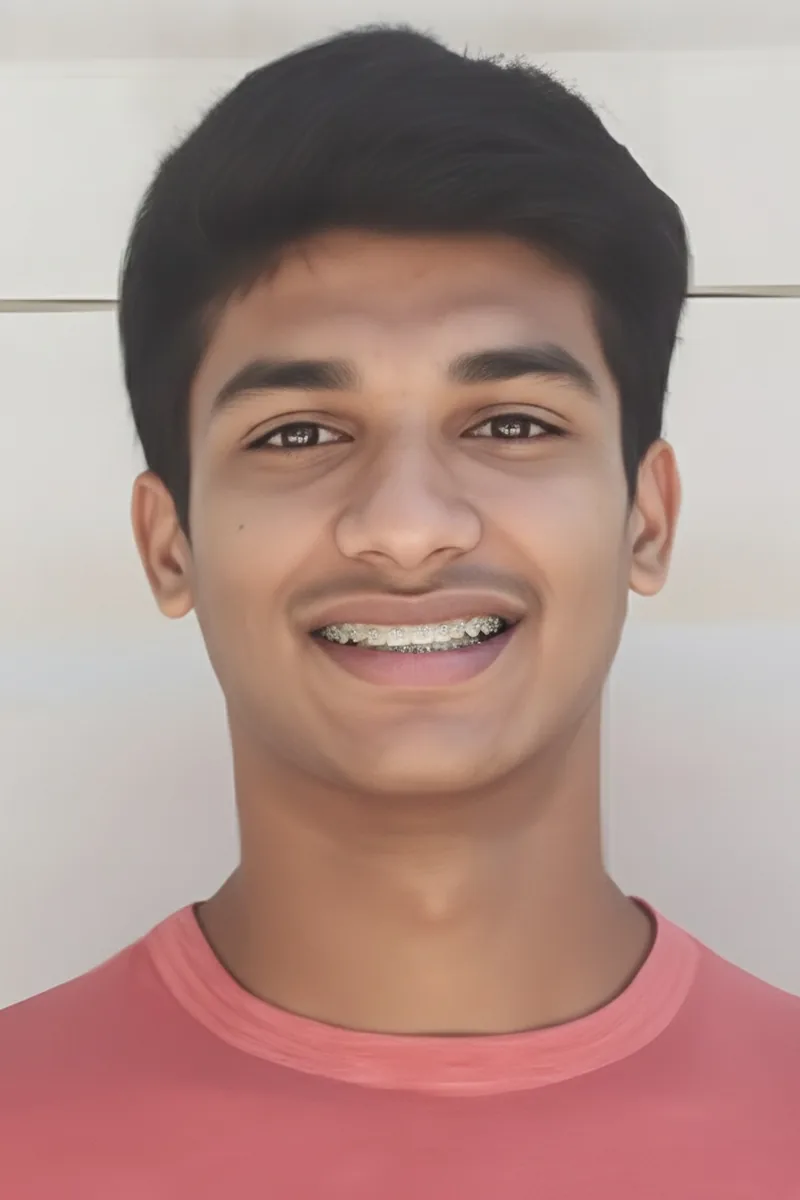
Manideep's coursework spans both the sciences and computer science, giving him a practical view of how programming concepts like data structures, algorithms, and abstraction apply beyond the CS classroom. He teaches the logic underneath the code — how to think through a problem before writing a single line.
I'm always up for the challenge of changing my methods of instruction and breaking down topics to foster a deeper understanding of a subject. On a different note, I generally spend my spare time playing lacrosse or running outdoors when possible. I also play the violin with a school quartet, and teach lessons to beginning students working through the Suzuki program.
Sasha's computer engineering degree means she didn't just learn to write code — she learned how software talks to hardware, from logic gates and circuit design up through the abstractions that make high-level programming possible. That bottom-up perspective is especially useful for teaching topics like binary representation, Boolean logic, and how data actually moves through a system. Rated 4.9 by students.
Studying computer science at Haverford while actively coding in Java and Python, Jackson teaches programming with the perspective of someone currently wrestling with the same assignments and projects his students face. He's especially sharp at translating the logic behind concepts like loops, conditionals, and object-oriented structure into plain language — then showing how that logic maps onto actual working code. Rated 5.0 by students.
From sorting algorithms and Big-O analysis to database design and systems architecture, computer science covers enormous ground. Andrew studied both Computer Science and Accounting at Ohio State, giving him a dual perspective on how computational thinking applies to real-world problem solving — not just theory on a whiteboard.
Programming and linguistics share a surprising amount of DNA: both involve formal grammars, parsing rules, and building complex structures from simple components. Ben teaches computer science concepts — from data structures to algorithmic thinking — through that structural lens, making abstract ideas like recursion or object-oriented design more intuitive.
Zachary's engineering background means he learned to code not as an abstract exercise but as a tool for solving physical problems — writing scripts to model mechanical systems, automate calculations, and process data. He breaks down core concepts like loops, conditionals, and data structures by tying them to tangible projects students can actually see working.
Currently pursuing a computer science degree at Georgia State, Rohan digs into foundational concepts like data structures, control flow, and algorithm logic with students who are just starting to think computationally. He remembers what it felt like when a for-loop made zero sense, and he uses that memory to explain programming ideas in plain language before layering on the technical vocabulary.
As a senior software engineer with a master's in computer engineering, Anders teaches CS the way it's actually practiced — not just syntax, but how data structures, algorithms, and system design connect to build real software. He digs into topics like time complexity analysis, recursion, and object-oriented design with concrete examples drawn from production codebases he's worked on. Rated 5.0 by students.
Studying Computational Media at Georgia Tech means Regina lives at the intersection of algorithms, data structures, and creative problem-solving every day. She's especially sharp on the fundamentals that trip students up early — recursion, runtime analysis, and translating pseudocode into working programs.
Alexander's path into computer science started with video game design and a love of math, which means he teaches programming concepts — recursion, data structures, algorithmic complexity — through the lens of problem-solving rather than rote syntax memorization. He codes primarily in Python and JavaScript and is currently pursuing his CS degree at Boston College. Rated 5.0 by students.
From algorithm complexity and data structures to database design and software architecture, Daniel covers computer science as a discipline — not just a collection of coding exercises. His BS in Computer Science grounds every session in the theoretical foundations (Big-O analysis, recursion, graph traversal) that separate real understanding from copy-paste coding.
I am a recent graduate of Emory University, where I studied Mathematics and Philosophy. I have over three years of experience tutoring middle-school to high-school students in math, science, and test prep. I think every student learns differently, and the most important job of a tutor is to tailor his or her style of teaching to each student's unique way of thinking.
Hello, I am an 19 year old senior at Kennesaw State University and I'm studying for a degree in Software Engineering. I am also minoring in mathematics. I love learning and helping people find new ways to think about things to strengthen their understanding. I specialize in mathematics and computer science fields because these fields remind me of puzzles. Being given a set of ground rules and then instructed to get from point A to point B within the confines is the definition of a puzzle. Viewing these topics in this way is a great way to give people a different perspective on the concepts they're learning. That is the kind of help I want to provide.
Hello! My name is Neha, and I'm a data scientist currently in my gap year before starting medical school this coming summer. I earned both my Bachelor of Science in Computer Science with a focus in Intelligence and Modeling & Simulation and my Master of Science in Bioinformatics from the Georgia Institute of Technology. I'm passionate about helping students of all ages break down challenging topics and develop effective study strategies. I specialize in tutoring college and high school level Biology, Chemistry, and Computer Science, drawing on both my technical and scientific background to make complex material approachable and engaging. My teaching philosophy centers on creating a supportive, interactive environment where students feel confident asking questions and exploring ideas. I adapt my approach to each student's unique learning style and interests, with the goal of building understanding, confidence, and long-term curiosity. Watching my students grow and succeed academically is the most rewarding part of what I do.
Sakibul's graduate work at Rice sits at the intersection of computer science and applied mathematics, which means he tackles programming concepts — loops, recursion, data structures — with the analytical rigor of a mathematician. He breaks down abstract ideas like algorithmic complexity into concrete, step-by-step reasoning that clicks for students encountering CS for the first time.
Allison's CS degree from Dartmouth means she's worked through the full arc — from writing first programs to tackling data structures, algorithms, and computational theory. She unpacks abstract concepts like recursion and Big-O analysis by walking through concrete code examples, making the logic visible before the notation takes over.
I am graduated from Penn State University in Industrial Engineering in 2017. I've tutored ever since I was in high school, and I love helping people! I like to help my students understand math (and other topics) instead of just doing it blindly. My goal is to help my students improve their math (and other topics) and build skills that will help them find learning easier in the future! Fun fact, I used to work for Disney and I like to salsa dance!
Philosophy trained Calin to build rigorous logical arguments; his math and CS degrees taught him to express that logic in C++ and JavaScript. That combination means he teaches programming concepts — from algorithm design to data structure selection — as exercises in precise reasoning, where every line of code follows from a clear chain of thought. Rated 5.0 by students.
Holding both a B.S. in Computer Science from the University of Kentucky and a game development master's in progress at SCAD, Evan covers the full stack of CS fundamentals: data structures, algorithm analysis, object-oriented design, and software architecture. He connects abstract concepts like Big-O complexity or recursion to concrete implementations in C, C++, and Java so the theory actually sticks.
I'm trying to work on personal projects. I really enjoy snowboarding, and have been doing that since the third grade. I also enjoy playing sports and video games.
Julia is a computational science major at Stanford who writes code daily and understands the gap between knowing syntax and thinking like a programmer. She digs into core concepts like recursion, data structures, and algorithm design by walking through problems step by step until the logic becomes intuitive. Students learning Python, Java, or tackling their first real debugging challenge get someone who can explain the *why* behind every line.
Biomedical engineering at Rice requires heavy computational coursework, so Theresa has tackled core computer science concepts — from object-oriented programming and data structures to algorithm complexity — in the context of solving real problems. She explains abstract ideas like recursion and sorting algorithms by connecting them to concrete examples rather than letting students drown in theory. Rated 5.0 by students.
Software development taught Michael something that textbooks often skip: the discipline of decomposing a massive, ambiguous problem into small, testable pieces — and that's exactly how he teaches computer science. His professional coding experience across languages like Java, Python, Ruby, and C means he can ground abstract topics like object-oriented design or control flow in real working code rather than classroom-only exercises. Rated 4.9 by students.
Jeff tackles computer science by connecting abstract concepts like recursion, data structures, and algorithmic complexity to concrete problem-solving steps students can follow. His science background means he's comfortable with the mathematical logic underlying CS, from Boolean algebra to Big-O analysis.
As an engineering student at Brown, Kashish works with programming languages and computational thinking daily — from writing algorithms to debugging code and understanding data structures like arrays, linked lists, and trees. She breaks down abstract CS concepts by connecting them to concrete problems, making topics like recursion or object-oriented design click for students encountering them for the first time. Her analytical precision and 5.0 rating make her a strong fit for introductory through intermediate computer science.
I am a undergraduate freshman of the University of Michigan, studying business at the Ross School of Business. Working together with students and having a good time while seeing steady improvements has proven to provide me great joy. I believe that communication and relationship building is crucial for students to open up about their struggles and also for me to identify problems they don't realize they can improve on, so this is a key aspect of all of my lessons. During my free time, I enjoy playing sports or snacking on desserts while binge-watching Friends!
Testimonials
Because the right Computer Science tutor makes all the difference.
Average Session Rating – Based on 3.4M Learner Ratings
Nearby Computer Science Tutors
Other Columbus Tutors
Related Technology and Coding Tutors in Columbus
Frequently Asked Questions
Varsity Tutors matches Columbus students with expert Computer Science tutors for 1-on-1 instruction. We pair each student with a tutor based on their specific needs, learning style, and goals.
Whether you need homework help, exam prep, or want to get ahead, our Computer Science tutors are ready to help.
Common challenges include gaps from earlier material, difficulty with specific concepts, and trouble applying learning to new problems. These issues can snowball quickly in Computer Science.
A tutor identifies where you're stuck, fills in gaps, and provides targeted practice. The 1-on-1 format means you get help exactly where you need it.
Tutors work with your student's actual coursework—homework assignments, class notes, and upcoming tests. This keeps tutoring directly relevant to what's happening in the classroom.
When you share information about your student's school and curriculum, we can match you with a tutor who has relevant experience.
All tutors complete background checks, credential verification, and teaching evaluation. Many of our Computer Science tutors hold advanced degrees or have years of teaching experience.
You can review tutor profiles to find someone with the right background for your student's level and needs.
Many students see improved grades within a few weeks, along with better understanding of Computer Science concepts and more confidence tackling challenging material.
Tutors track progress and adjust their approach to ensure continued improvement.
Most students benefit from 1-2 sessions per week. More frequent sessions help if your student is significantly behind or has an important exam coming up.
Your tutor can recommend a schedule based on your student's specific situation and goals.
Tutoring is purchased in packages of hours, with rates varying by tutor experience. Varsity Tutors offers several options to fit different budgets and needs.
You can discuss pricing during your consultation to find what works best.
Your tutor will assess where your student is, discuss goals, and start working on priority areas. Most students bring current homework or upcoming test material to focus on.
By the end, you'll have a clear sense of how the tutor can help and a plan for moving forward.
Let’s find your perfect tutor
Answer a few quick questions. We’ll recommend the right plan and match you with a top 5% tutor.