Award-Winning Computer Science Tutors
serving Hialeah, FL
Computer Science
Tutors in Hialeah
Private 1-on-1 tutoring, weekly live classes for academic support, test prep & enrichment, practice tests and diagnostics, and more to elevate grades and test scores.
Based on 3.4M Learner Ratings
UniversitiesSchools & Universities
DeliveredHours Delivered
ProficiencyGrowth in Proficiency
Who needs tutoring?
No obligation. Takes ~1 minute.
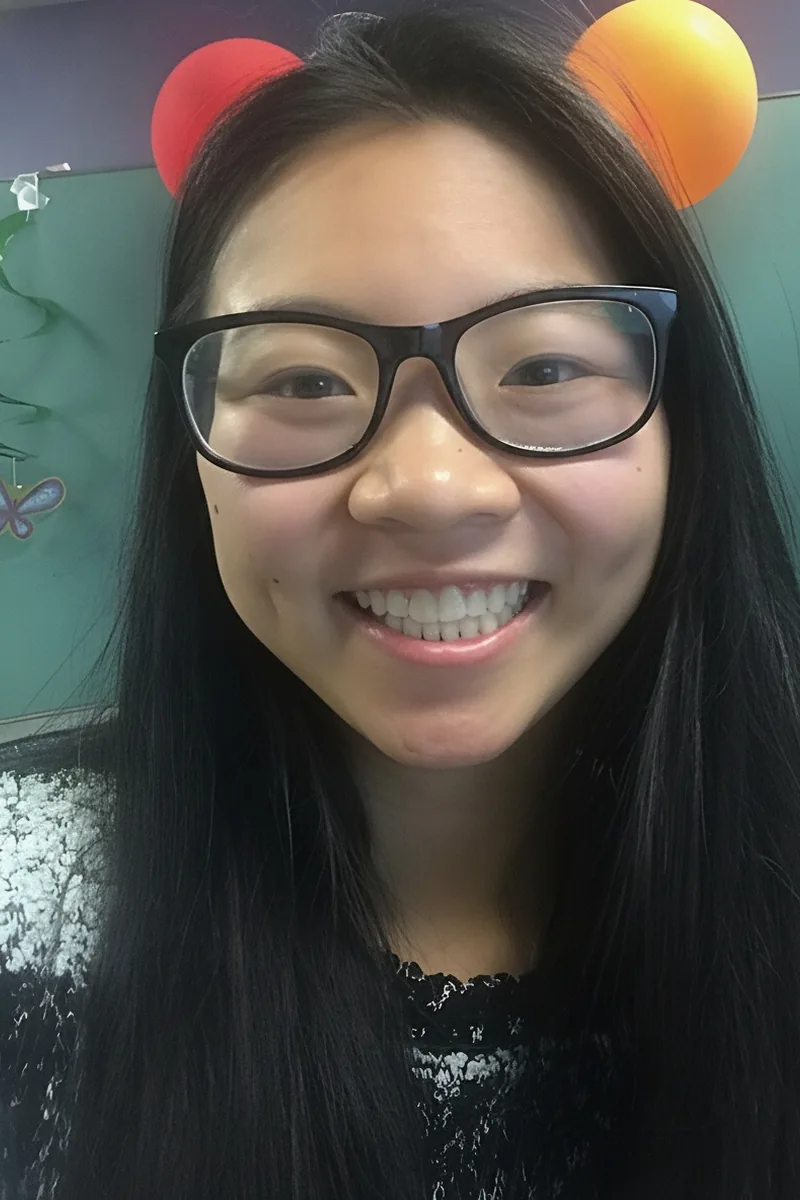
I am graduated from Penn State University in Industrial Engineering in 2017. I've tutored ever since I was in high school, and I love helping people! I like to help my students understand math (and other topics) instead of just doing it blindly. My goal is to help my students improve their math (and other topics) and build skills that will help them find learning easier in the future! Fun fact, I used to work for Disney and I like to salsa dance!
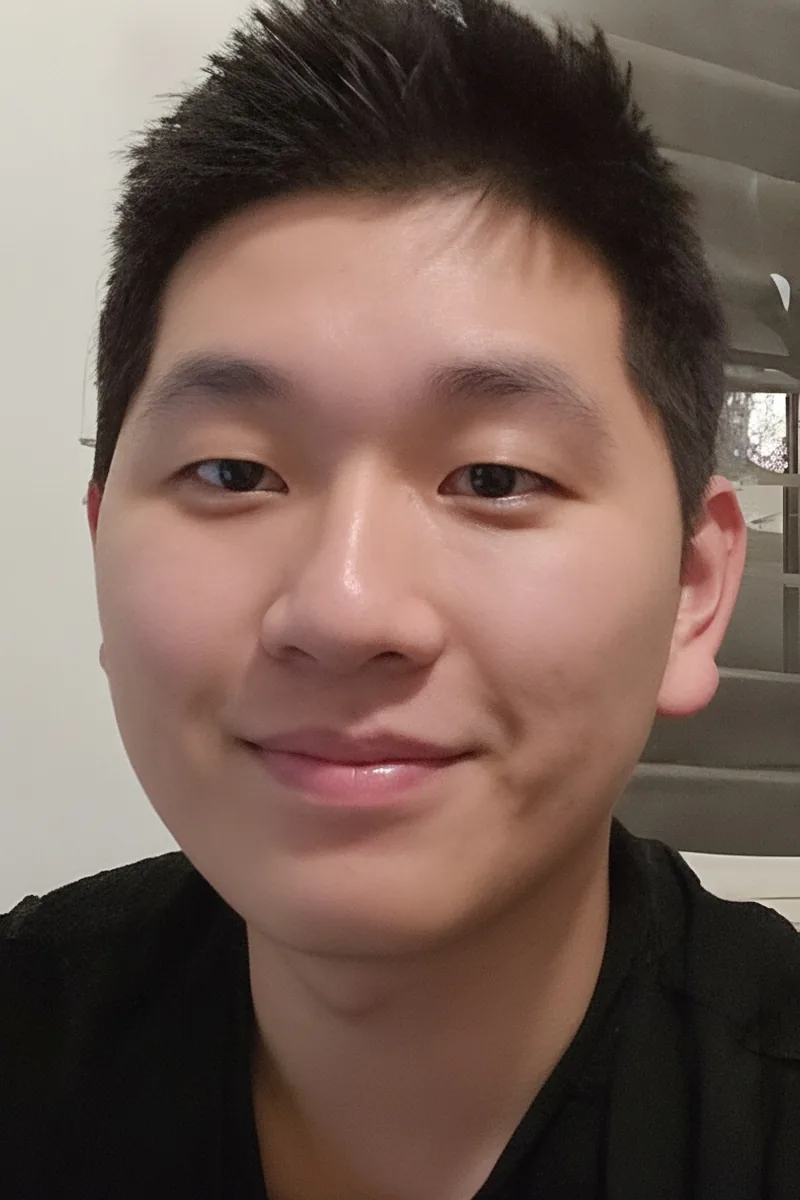
From computer architecture and theory to parallel computing and machine learning, Brandon's master's coursework at RIT covers the full stack of computer science concepts. His two years of professional industry experience mean he can connect abstract topics — algorithm complexity, concurrency models, data structures — to how they actually show up in production code. Students rated him 4.9, which tracks with his ability to make dense CS material feel approachable.
A computer science degree paired with coursework in theoretical mathematics gives Lance an unusually strong grasp of the abstractions underneath the code — automata theory, algorithm complexity, data structures, and computational logic. He spent multiple semesters as a TA and independent instructor for CS courses, so he's seen firsthand which concepts trip students up and how to reframe them. Whether the topic is graph traversal or NP-completeness, he breaks it into pieces that actually make sense.
Between a master's in Computer Science, an active PhD program, and a full-time software development career, Daniel lives this subject from multiple angles — theoretical and applied. He unpacks everything from algorithmic complexity and data structures to systems-level thinking, tailoring the depth to wherever a student currently sits in their CS journey.
Pursuing a computer engineering degree at Georgia Tech means Yash lives in the overlap between hardware and software — algorithms, data structures, computational logic, and systems design are daily coursework. He's especially strong at explaining foundational concepts like Big-O analysis, sorting algorithms, and binary representation in ways that click for students seeing them for the first time.
Currently pursuing his B.S. in Computer Science at Florida Institute of Technology, Samuel digs into everything from data structures and algorithms to object-oriented design with the fluency of someone actively building projects in these areas. His 5.0 rating speaks to his ability to make abstract concepts like recursion and memory management click for learners at any level.
I am working towards a Bachelor of Arts in Pure and Applied Mathematics as well as a Bachelor of Arts in Astronomy and Physics. I have enjoyed studying math and science since I was in elementary school. I would always help my friends out by answering their questions about the material. For about the last five years, I have had my own tutoring business where I have tutored a wide variety of math courses from elementary school math to pre-calculus and calculus. I like to make sure my students have a complete understanding of the core concepts before going into practice questions. I have also had experience helping my peers with physics and computer science courses.
Pursuing a dual degree in computer science and studio art — with a math minor on top — Parker approaches coding problems with an unusual creative flexibility, treating program design as something closer to iterative sketching than rigid formula-following. That mindset is especially useful when teaching students to architect solutions from scratch, since real programming requires the same willingness to prototype, rethink, and restructure that drives any creative process. Holds a 5.0 rating.
Interdisciplinary studies forced Harrison to think computationally across fields — modeling biological systems, analyzing experimental datasets, automating lab workflows. He brings that applied perspective to computer science topics like algorithm design, data structures, and Big-O analysis, grounding abstract concepts in problems that actually matter outside a textbook.
There's a gap between watching a coding tutorial and actually solving problems independently, and that's exactly where Sebastian operates. As a CS undergrad at UCF, he explains foundational concepts like loops, conditionals, data structures, and algorithmic thinking by building small programs alongside students rather than lecturing through slides. His 4.8 student rating reflects sessions that are hands-on and specific to each learner's sticking points.
Big-O analysis, recursion, sorting algorithms, graph traversal — computer science is really about learning to think about efficiency and trade-offs. Nathan studies CS at UCF and digs into these core concepts daily, which means he can explain not just how an algorithm works but why one approach outperforms another on a given input. He holds a 4.9 rating from past students.
Learning to think computationally — breaking a big problem into smaller, solvable pieces — matters more than any single programming language. Hassan unpacks foundational topics like loops, conditionals, data structures, and algorithm efficiency in a way that transfers whether a student is writing Python, Java, or pseudocode. His ongoing CS studies at UCF keep his explanations grounded in current practice.
Currently pursuing a Computer Science degree at UCF, Gabriel teaches programming concepts like loops, conditionals, and data structures by connecting them to projects students actually want to build. He breaks down abstract logic into step-by-step pseudocode before ever touching a keyboard, which makes debugging feel less overwhelming.
I am currently a Harvard student majoring in Computer Science with a minor in Applied Mathematics. I graduated Class Valedictorian in high school and was named National Merit Finalist. I took 16 AP classes in high school, including AP Calculus AB, AP Calculus BC, AP Computer Science A, AP Physics C : Mechanics and AP Physics 1, with a score of 5 in all of the tests. I scored a 1570/1600 in my SAT and 800 in the SAT Math Level 2 Subject Test and 790 in the SAT Physics Subject Test.
I am Ankit Jajoo. I am enrolled in Duke University Class of 2022 studying neuroscience and computer science. STEM is my number one passion, while history is my number one interest. Humanities and STEM not only coexist, but work together often in life. While STEM provides the foundation for the future, humanities contributes to how it is used to advance humanity as a whole. I love biology, chemistry, and computers. It is so cool to see how all these tiny minute parts of the world interact to create you, me, and everything we touch. On the other hand, history is cool to see how societies interacted to create the present world. The past is never separate from us, but always influencing everything from the various countries to cities to the tiny villages all over the world. The world is a combination of all of this and it is my passion to understand the world. Other than just about education and information, I love teaching other people about stuff. I enjoy teaching all my friends some stuff, in return they teach me other stuff. Contrary to popular opinion, teaching is a two way street. I've learned a tremendous amount from students and I hope they learned a similar amount from me. Tutoring students in a field I enjoy such as STEM or history is a dream come true.
I am listening to and learning about him or her as an individual. I can also discover what motivates the student during this conversation and plan for how to frame future tutoring sessions in terms of what the student already knows and enjoys.
I am currently an undergraduate student at Vanderbilt University. I am majoring in Biological Sciences and love helping others learn about STEM too! I have been a tutor since I was 12 years old and have tutored almost every age group in every subject.
I am a game designer, and tutor. I love teaching topics related to my skillset as well as other topics that I often use within my job. Very good with MATH as a passion. Helped so many students in Math
Madeline's physics PhD work at Carnegie Mellon means she writes code daily — Python, Java, MATLAB, and Mathematica — to model complex systems and crunch data, which is a very different entry point into computer science than a pure software track. That scientific computing background makes her especially effective at teaching programming logic, debugging strategies, and algorithmic thinking to students who need CS skills for STEM applications rather than just app development.
Holding both a B.S. in Computer Science from the University of Kentucky and a game development master's in progress at SCAD, Evan covers the full stack of CS fundamentals: data structures, algorithm analysis, object-oriented design, and software architecture. He connects abstract concepts like Big-O complexity or recursion to concrete implementations in C, C++, and Java so the theory actually sticks.
A Stanford MS in Computer Science means David can teach everything from data structures and algorithms to object-oriented design with the depth that comes from building real systems — not just reading about them. He spent a summer teaching web and app development to high school students in Palestine, so he knows how to make abstract CS concepts click through hands-on projects.
From automata theory and computational complexity to practical algorithm design, Firas covers computer science as both a theoretical discipline and a hands-on craft. His Ph.D. research at the intersection of machine learning and big data means he can connect abstract CS concepts — graph traversals, runtime analysis, NP-completeness — to the systems that actually use them. Rated 5.0 by students.
John transitioned from law into co-founding a software company, which meant teaching himself to think in algorithms, data structures, and system design under real deadlines. He approaches computer science the same way — breaking problems into smaller, solvable pieces before writing a single line of code. That builder's mindset makes debugging and logic design feel less intimidating.
I'm trying to work on personal projects. I really enjoy snowboarding, and have been doing that since the third grade. I also enjoy playing sports and video games.
From basic programming constructs all the way up to computational analysis and finite automata, Andrew has tutored the full range of computer science topics at both the high school and college level. His CS degree gives him the depth to explain not just how an algorithm works but why its time complexity matters. Rated 5.0 by students.
As an engineering student at Brown, Kashish works with programming languages and computational thinking daily — from writing algorithms to debugging code and understanding data structures like arrays, linked lists, and trees. She breaks down abstract CS concepts by connecting them to concrete problems, making topics like recursion or object-oriented design click for students encountering them for the first time. Her analytical precision and 5.0 rating make her a strong fit for introductory through intermediate computer science.
Most CS tutors come from pure software backgrounds — Clive's path runs through economics at Brown, where he picked up Java, Python, JavaScript, SQL, and HTML as tools for data analysis and building real projects rather than just completing problem sets. That applied angle makes him especially effective at teaching programming fundamentals and web technologies to students who learn better when code solves a tangible problem.
Learning to code is really learning to decompose problems — figuring out what a program needs to do before writing a single line. Nat is double-majoring in computer science at Vanderbilt and unpacks core topics like loops, conditionals, data structures, and algorithm design in ways that build genuine understanding. Whether a student is writing their first Python script or debugging recursive functions, he connects each concept to the logic behind it.
Engineering science at Vanderbilt means Ethan writes code to solve real problems — simulations, data analysis, algorithm design — not just textbook exercises. He breaks down core concepts like recursion, data structures, and object-oriented design by connecting them to projects that actually do something interesting.
Eric treats coding problems the same way he treats logical puzzles — by breaking them apart, finding the pattern, and building a solution step by step. As a CS major at Washington University in St. Louis, he's deep in Java and JavaScript right now, which means he can walk students through everything from writing their first function to structuring a full object-oriented program. His approach emphasizes learning to think through problems algorithmically before jumping to syntax.
Testimonials
Because the right Computer Science tutor makes all the difference.
Average Session Rating – Based on 3.4M Learner Ratings
Nearby Computer Science Tutors
Other Hialeah Tutors
Related Technology and Coding Tutors in Hialeah
Frequently Asked Questions
Varsity Tutors matches Hialeah students with expert Computer Science tutors for 1-on-1 instruction. We pair each student with a tutor based on their specific needs, learning style, and goals.
Whether you need homework help, exam prep, or want to get ahead, our Computer Science tutors are ready to help.
Common challenges include gaps from earlier material, difficulty with specific concepts, and trouble applying learning to new problems. These issues can snowball quickly in Computer Science.
A tutor identifies where you're stuck, fills in gaps, and provides targeted practice. The 1-on-1 format means you get help exactly where you need it.
Tutors work with your student's actual coursework—homework assignments, class notes, and upcoming tests. This keeps tutoring directly relevant to what's happening in the classroom.
When you share information about your student's school and curriculum, we can match you with a tutor who has relevant experience.
All tutors complete background checks, credential verification, and teaching evaluation. Many of our Computer Science tutors hold advanced degrees or have years of teaching experience.
You can review tutor profiles to find someone with the right background for your student's level and needs.
Many students see improved grades within a few weeks, along with better understanding of Computer Science concepts and more confidence tackling challenging material.
Tutors track progress and adjust their approach to ensure continued improvement.
Most students benefit from 1-2 sessions per week. More frequent sessions help if your student is significantly behind or has an important exam coming up.
Your tutor can recommend a schedule based on your student's specific situation and goals.
Tutoring is purchased in packages of hours, with rates varying by tutor experience. Varsity Tutors offers several options to fit different budgets and needs.
You can discuss pricing during your consultation to find what works best.
Your tutor will assess where your student is, discuss goals, and start working on priority areas. Most students bring current homework or upcoming test material to focus on.
By the end, you'll have a clear sense of how the tutor can help and a plan for moving forward.
Let’s find your perfect tutor
Answer a few quick questions. We’ll recommend the right plan and match you with a top 5% tutor.