Award-Winning Computer Science Tutors
serving Port St. Lucie, FL
Award-Winning
Computer Science
Tutors in Port St. Lucie
Private 1-on-1 tutoring, weekly live classes for academic support, test prep & enrichment, practice tests and diagnostics, and more to elevate grades and test scores.
Based on 3.4M Learner Ratings
UniversitiesSchools & Universities
DeliveredHours Delivered
ProficiencyGrowth in Proficiency
Who needs tutoring?
No obligation. Takes ~1 minute.
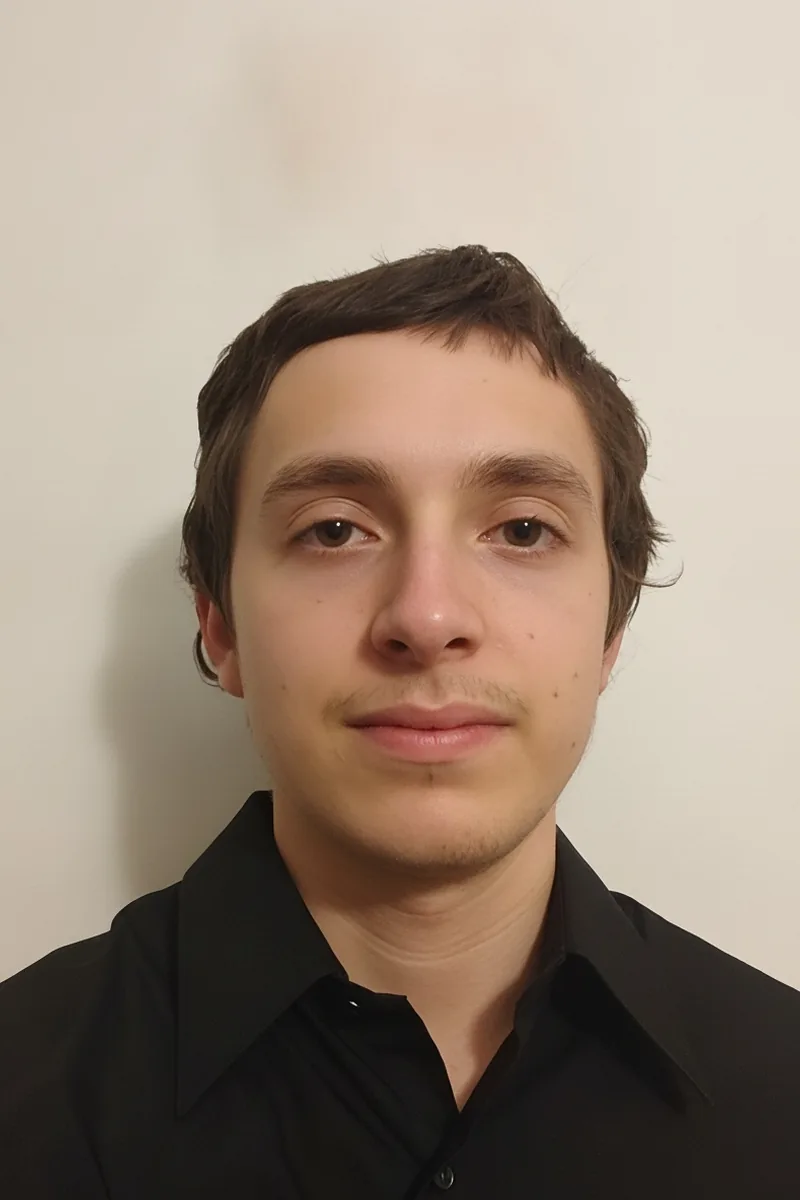
Justin's PhD research in computational mathematics meant writing code daily — building simulations, implementing algorithms, and debugging in MATLAB and other languages. He teaches computer science concepts like data structures, recursion, and algorithmic complexity by connecting them to real computational problems rather than treating them as abstract definitions to memorize.
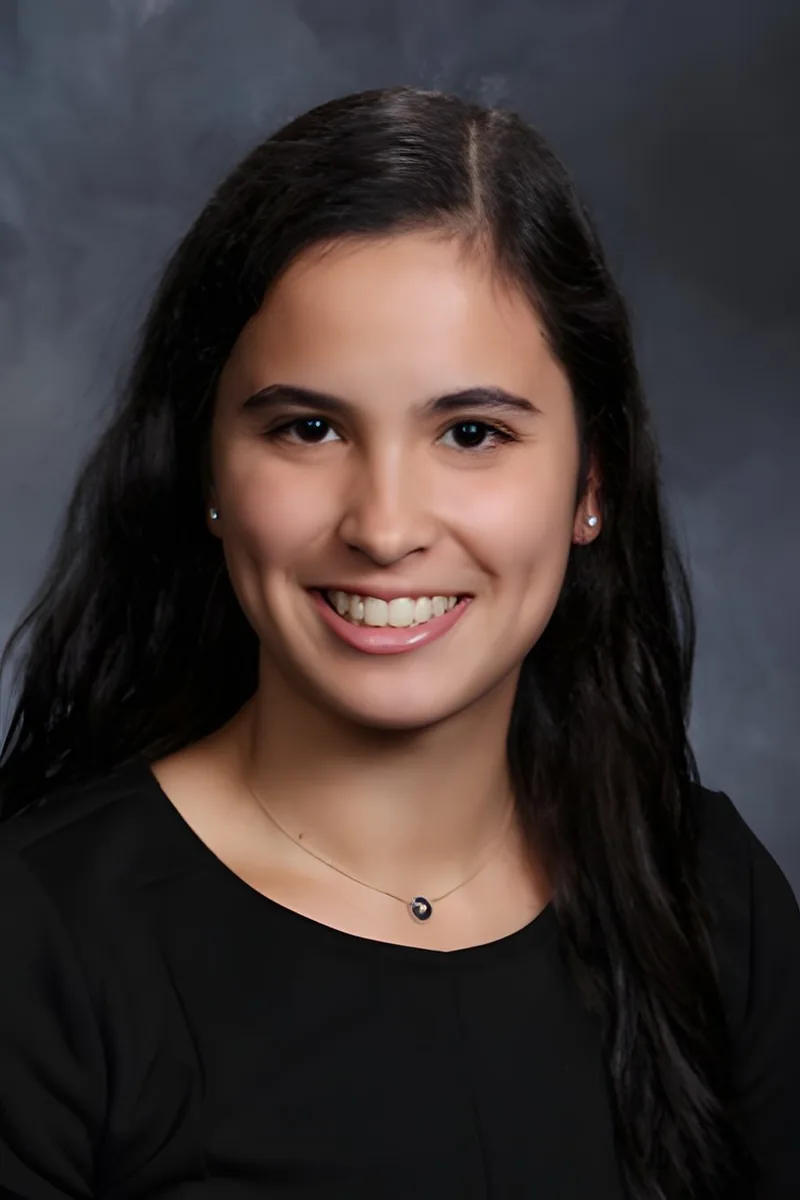
Isabella TA'd multiple computer science courses at MIT, so she's seen exactly where students get stuck — whether it's tracing recursive calls, understanding how data structures like linked lists and trees actually work in memory, or debugging logic errors in their code. She explains the underlying concepts so that writing correct programs becomes intuitive rather than trial-and-error. Rated 5.0 by students.
A Stanford MS in Computer Science means David can teach everything from data structures and algorithms to object-oriented design with the depth that comes from building real systems — not just reading about them. He spent a summer teaching web and app development to high school students in Palestine, so he knows how to make abstract CS concepts click through hands-on projects.
Earning a certificate in Statistics and Machine Learning at Princeton gave Julie hands-on experience with core computer science concepts — algorithm design, data structures, and computational complexity. She approaches CS the way she approaches philosophy: by asking students to reason through *why* a solution works, not just whether it compiles.
Building AI systems and low-level software at Stanford — in both Python and C++ — Kevin knows where the theoretical meets the practical in computer science. His biocomputation specialization means he can explain not just how to implement an algorithm, but why certain computational approaches work better for different problem domains. Rated 5.0 by students.
Margaret studies Computer Science at Stanford alongside Political Science, giving her a broad perspective on how computational thinking applies beyond just writing code. She breaks down core topics like data structures, algorithms, and recursion by connecting each one to real problems students can visualize. Rated 4.8 by her students.
Most CS tutors come from pure software backgrounds — Clive's path runs through economics at Brown, where he picked up Java, Python, JavaScript, SQL, and HTML as tools for data analysis and building real projects rather than just completing problem sets. That applied angle makes him especially effective at teaching programming fundamentals and web technologies to students who learn better when code solves a tangible problem.
Benjamin's finance and economics training at Notre Dame means he learned to code as a problem-solving tool — building models, analyzing datasets, and automating calculations — rather than through a traditional CS curriculum. That pragmatic entry point makes him effective at teaching programming logic and computational thinking to students who want to understand how code actually gets used in business and quantitative fields. Rated 5.0 by students.
Florence doesn't just study computer science at Duke — she teaches it, having served as a TA for Intro to Databases and Computer Network Architecture while also interning in software development at IBM. That combination of academic depth and industry experience means she can explain everything from relational algebra to TCP/IP networking with concrete, real-world context. Rated 5.0 by students.
Programming starts making sense when you stop memorizing syntax and start thinking about what the computer is actually doing step by step. June's electrical engineering background at Brown gives her insight into both the hardware and software sides — she can explain why an algorithm is efficient, not just how to write it. From loops and conditionals to data structures and recursion, she connects each concept to real projects she's built in robotics and hackathons.
From sorting algorithms and Big-O analysis to data structures like linked lists and binary trees, Rhamy covers the foundational CS concepts that show up in coursework and technical interviews alike. His computer engineering degree at Vanderbilt, paired with experience in multiple languages, lets him explain abstract ideas through concrete code. Rated 5.0 by students.
Allison's CS degree from Dartmouth means she's worked through the full arc — from writing first programs to tackling data structures, algorithms, and computational theory. She unpacks abstract concepts like recursion and Big-O analysis by walking through concrete code examples, making the logic visible before the notation takes over.
Testimonials
Because the right Computer Science tutor makes all the difference.
Average Session Rating – Based on 3.4M Learner Ratings
Nearby Computer Science Tutors
Other Port St. Lucie Tutors
Related Technology and Coding Tutors in Port St. Lucie
Frequently Asked Questions
Your first session is about understanding your current level and goals. A tutor will review what you're working on in class, identify specific challenges (whether that's debugging, understanding algorithms, or grasping a particular language), and create a personalized plan. This might include hands-on coding practice, code review of your assignments, or working through problem-solving approaches together.
Many students struggle because these are actually different skills. Syntax is the rules of a language (how you write code), while logic is the problem-solving approach (what the code should do). Expert tutors help you build both by teaching algorithmic thinking and debugging strategies, then applying them across different languages. This way, when you switch languages or face a new problem, you have the underlying logic skills to succeed.
Absolutely—this is one of the most valuable parts of personalized tutoring. Rather than just telling you the fix, tutors teach you how to read error messages, use debugging tools, and think through what went wrong. This approach builds your problem-solving skills so you can independently tackle errors in future projects.
Data structures and algorithms are foundational but abstract concepts that benefit greatly from personalized explanation and practice. Tutors break down how arrays, linked lists, trees, and sorting algorithms actually work, then have you implement them hands-on. This combination of explanation, visualization, and coding practice makes these concepts stick.
Yes. Whether you're building a web app, game, or data analysis project, tutors can guide you through the development process—from planning and design to coding and testing. This project-based approach helps you see how Computer Science concepts apply in real work, and you get feedback on your code and design decisions along the way.
Definitely. Tutors can help you understand which path aligns with your interests and strengths, then guide you through the specific languages and tools for that area. Whether it's JavaScript and frameworks for web dev, Python for data science, or C# for game engines, personalized instruction accelerates your learning in your chosen specialization.
Port St. Lucie has strong Computer Science programs, but with an average student-teacher ratio of 17.8:1, many students benefit from personalized instruction to keep up with curriculum demands. Varsity Tutors connects you with expert tutors who understand local course expectations and can provide the focused practice and code review that helps students excel in their classes and build real programming skills.
Expert tutors working with Varsity Tutors have strong backgrounds in Computer Science—often including degrees, professional development experience, or proven teaching track records. They're skilled at explaining complex concepts clearly and guiding hands-on coding practice, so you get both the theory and the practical skills you need to succeed.
Let’s find your perfect tutor
Answer a few quick questions. We’ll recommend the right plan and match you with a top 5% tutor.