Award-Winning Essay Editing Tutors
serving Cape Coral, FL
Essay Editing
Tutors in Cape Coral
Private 1-on-1 tutoring, weekly live classes for academic support, test prep & enrichment, practice tests and diagnostics, and more to elevate grades and test scores.
Based on 3.4M Learner Ratings
UniversitiesSchools & Universities
DeliveredHours Delivered
ProficiencyGrowth in Proficiency
Who needs tutoring?
No obligation. Takes ~1 minute.
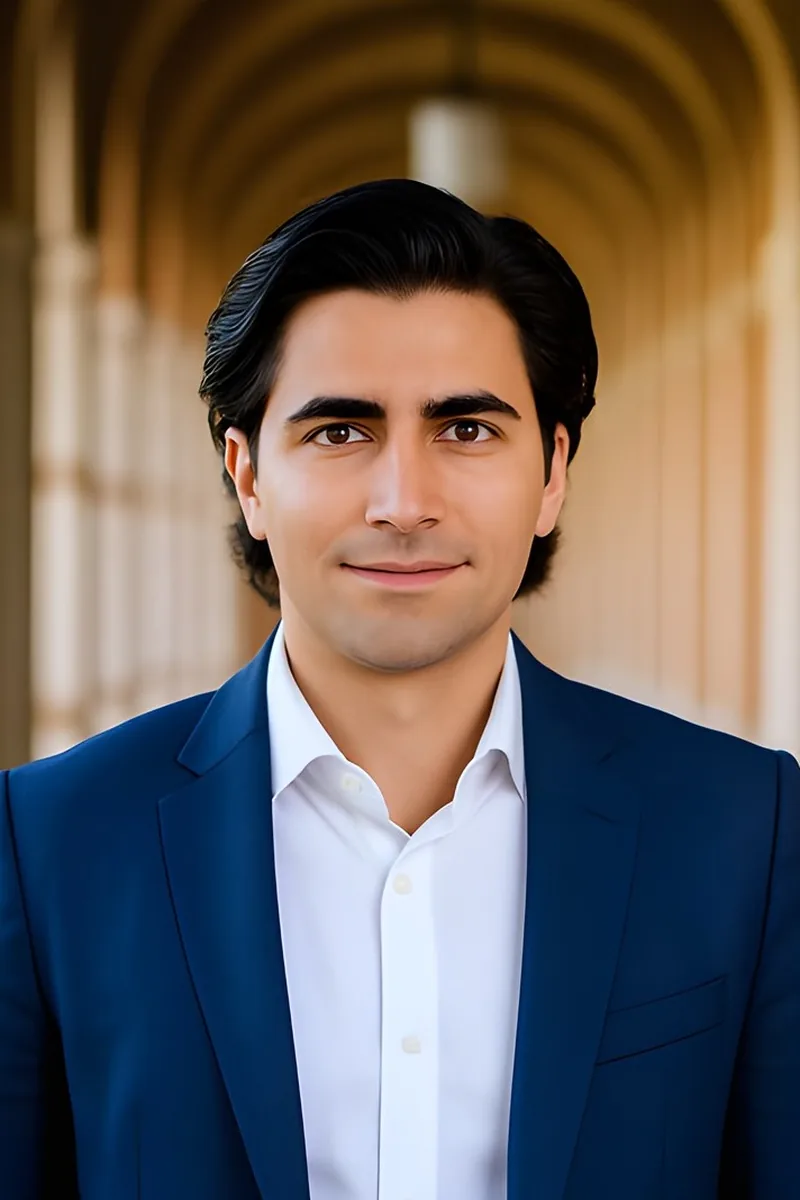
Getting into medical school required Perry to write and rewrite dozens of personal statements, secondary essays, and research abstracts — each with different audiences and tight word limits. That experience sharpened his eye for argument structure, clarity, and cutting filler without losing voice. He breaks editing into layers: first the logic of the argument, then paragraph flow, then sentence-level polish.
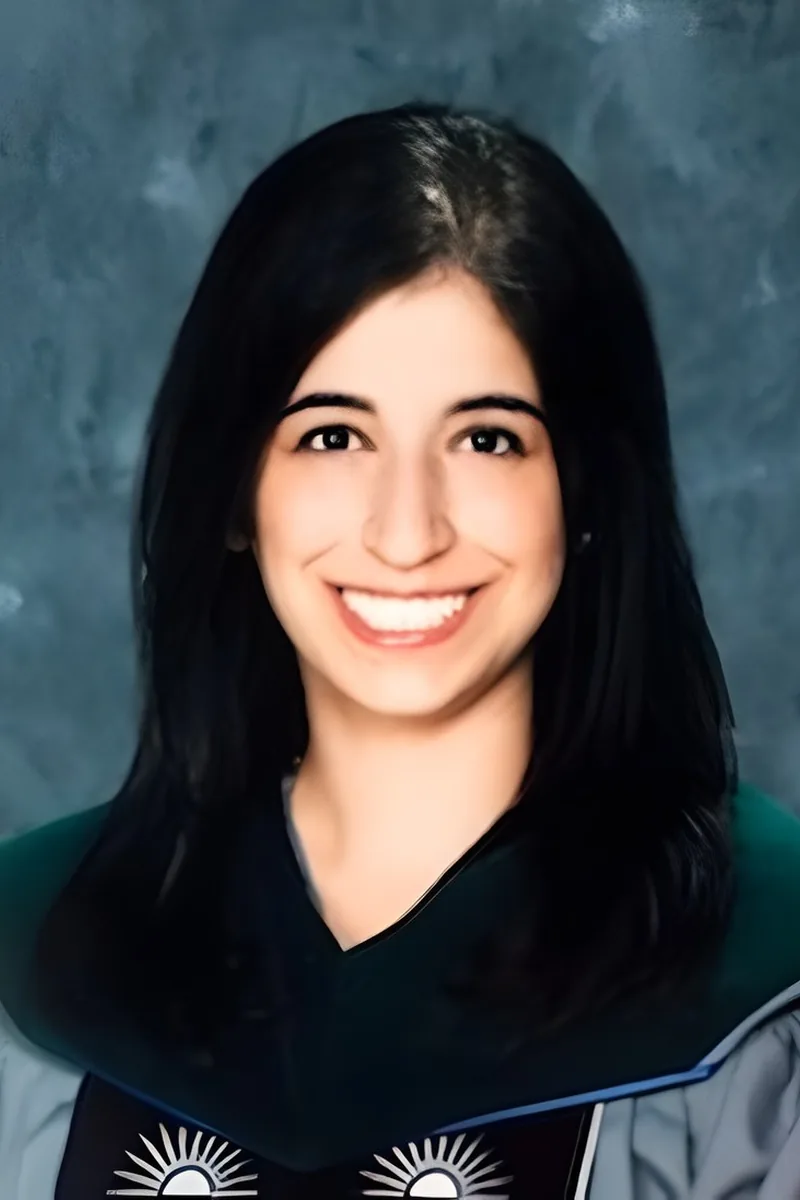
Editing isn't just about catching comma splices — it's about reshaping an argument so each paragraph earns its place. Jessica was certified through Penn's Critical Writing Department specifically to provide professional-level feedback on student papers, from thesis clarity to paragraph-level transitions to sentence rhythm. She approaches each draft by identifying the one or two structural issues that, once fixed, make everything else click into place.
Good essay editing goes beyond fixing comma splices — it's about tightening argument structure, cutting filler, and making sure every paragraph earns its place. Michelle's extensive experience revising IB Extended Essays, college applications, and academic papers means she can pinpoint exactly where a draft loses its reader and show the writer how to fix it.
Good editing is more than fixing typos — it's asking whether each paragraph earns its place and whether the argument actually holds together under scrutiny. Tiffany spent law school learning to revise briefs until every claim was airtight, and she applies that same rigor to student essays. She pinpoints issues with thesis clarity, paragraph transitions, and evidence integration that students often can't see in their own work.
Editing is where Kaylah's analytical training pays off in unexpected ways — she reads for logical flow and argument structure the same way she evaluates a research paper, catching gaps in reasoning that spell-check never will. She digs into thesis clarity, paragraph transitions, and whether evidence actually supports each claim. Students get back drafts with specific, actionable feedback rather than vague comments in the margins.
Strong writing becomes great writing in revision, and Derek approaches essay editing with an engineer's eye for structure: Does the thesis actually control the argument? Does each paragraph earn its place? He zeroes in on clarity, logical flow, and sentence-level precision, giving students concrete fixes rather than vague comments in the margins.
Editing an essay well requires seeing both the architecture and the details — does the argument hold together, and does every sentence earn its place? Andrea's engineering mindset makes her sharp at identifying structural weaknesses in a draft, while her background in grammar and literature means she catches tone and style issues that spellcheck never will.
Hari's MBA and finance background means he's spent years revising business cases, executive summaries, and analytical papers where every sentence has to pull its weight. He brings that precision to essay editing — diagnosing where a draft's logic breaks down, tightening claims that meander, and showing students how to restructure paragraphs so the argument builds instead of repeats. Rated 5.0 by students.
Good essay editing goes deeper than fixing comma splices — it means rethinking whether a paragraph actually earns its place in the argument. Joshitha reads drafts at both the structural and sentence level, pushing students to sharpen their thesis, cut filler, and make every transition do real work. Her 5.0 rating speaks to how well that approach clicks with students.
Good essay editing goes beyond fixing commas — it means tightening arguments, cutting filler, and making sure every paragraph earns its place. Caitlin approaches each draft by first identifying what the writer is actually trying to say, then restructuring and sharpening the language to match that intent. Her 5.0 rating speaks to how students respond to that process.
Most students know their essay needs work but can't pinpoint what's wrong — they just feel like something isn't landing. Olivia approaches editing as a conversation about what the writer is actually trying to say, then identifies the structural and sentence-level problems blocking that intention. She's especially effective at tightening arguments that meander, sharpening thesis statements, and cutting the kind of vague filler that weakens academic and personal writing alike.
Strong editing goes beyond fixing commas; it means recognizing where an argument loses its thread or a paragraph buries its strongest point. Santiago approaches each draft by first identifying what the writer is actually trying to say, then restructuring and tightening sentence by sentence. His psychology training makes him especially good at reading from an audience's perspective.
A strong essay doesn't just need better grammar — it needs sharper claims, tighter organization, and evidence that actually does work in each paragraph. Anabel approaches editing as a collaborative revision process, walking through thesis construction, paragraph transitions, and how to cut the filler that weakens an argument. Her experience with college-level research writing at Vanderbilt means she knows what polished academic prose looks like.
Good essay editing isn't just fixing commas — it's figuring out whether each paragraph actually earns its place in the argument. Gabriel reads drafts the way a skeptical professor would, flagging weak transitions, unsupported claims, and spots where the writer's real point is buried three sentences too deep. He then walks through revisions so students learn to self-edit, not just accept changes.
Strong writing usually isn't born in the first draft — it emerges through revision, and that's where Nicolas excels. He walks through essays at the structural level first (Does this paragraph earn its place? Is the thesis doing real work?) before tightening sentence-level clarity, transitions, and tone.
A strong essay often hides inside a messy draft, and Miriam's editing approach zeroes in on the structural problems first — unclear thesis, weak transitions, paragraphs that drift — before addressing sentence-level clarity and word choice. Her years writing and revising scientific papers and grant proposals trained her to cut ruthlessly and sharpen every claim.
Good essay editing isn't about fixing commas — it's about asking whether each paragraph actually earns its place in the argument. Manuela digs into thesis clarity, transition logic, and evidence integration, then marks up drafts with specific revision notes rather than vague suggestions. Her background in literary analysis means she catches structural weaknesses that spell-check never will.
Good editing isn't just fixing typos — it's asking whether each paragraph earns its place in the argument. James reads drafts the way a skeptical audience would, flagging weak transitions, vague thesis statements, and evidence that doesn't quite land. His background teaching writing across grade levels in NYC schools means he can calibrate feedback to the assignment's expectations, whether it's a five-paragraph essay or a research paper.
A good edit isn't just about fixing commas — it's about asking whether each paragraph earns its place in the argument. Libby walks through drafts with students to tighten thesis statements, sharpen transitions, and cut filler, whether the piece is a college application essay or a research paper. Her 5.0 rating speaks to how much students value that process.
I am graduated from Penn State University in Industrial Engineering in 2017. I've tutored ever since I was in high school, and I love helping people! I like to help my students understand math (and other topics) instead of just doing it blindly. My goal is to help my students improve their math (and other topics) and build skills that will help them find learning easier in the future! Fun fact, I used to work for Disney and I like to salsa dance!
Editing an essay is more than fixing commas — it's about tightening an argument and making every paragraph earn its place. Paulkey draws on years of teaching across subjects to pinpoint where a draft loses clarity, whether the problem is a weak thesis, tangled transitions, or evidence that doesn't connect back to the central claim.
An engineering and MBA background means Shellee knows how to build an argument that's tight, logical, and persuasive — skills she applies directly to essay editing. She zeroes in on thesis clarity, paragraph transitions, and whether evidence actually supports the claim being made. Rated 5.0 by students.
Editing an essay well requires seeing the architecture underneath the prose — where the thesis actually lands, whether each paragraph advances the argument, and where transitions break down. Jacob applies the same structured, step-by-step reasoning from his math background to diagnose issues in clarity, organization, and evidence use. He walks students through revisions so they internalize the process for future papers.
A first draft usually has the right ideas buried under too many words. Dalila edits at the structural level first — tightening thesis statements, reorganizing paragraphs for logical flow — before moving to sentence-level clarity and grammar. Her math training shows up here as a bias toward precision: every claim needs evidence, and every sentence needs a reason to exist.
Good editing isn't just fixing commas — it's asking whether each paragraph earns its place in the argument. Amanda approaches essay editing structurally first, examining thesis clarity, evidence selection, and logical flow before drilling into sentence-level revision. Her experience writing across psychology and history at both Brandeis and University College London means she can edit for disciplinary conventions in the humanities and social sciences alike.
Good essay editing goes beyond fixing commas and passive voice; it means restructuring an argument so each paragraph earns its place. Destiny reads drafts the way a skeptical professor would, flagging weak transitions, unsupported claims, and thesis statements that don't actually say anything specific. Her 5.0 rating speaks to how much students value that direct, detailed feedback.
Editing an essay well means diagnosing structural problems — weak thesis statements, paragraphs that drift off-topic, transitions that don't actually connect ideas — before polishing individual sentences. Benjamin's training in mathematical proof-writing, where every line must logically follow from the last, gives him a sharp eye for whether an argument actually holds together. He walks through drafts with students, tightening logic and cutting filler until the essay says exactly what it needs to.
Good editing goes beyond fixing commas — it means restructuring an argument so every paragraph earns its place. Apoorva approaches essay revision with the same precision she brings to engineering problem sets: identifying where logic gaps weaken a thesis, where evidence needs tightening, and where a clearer topic sentence can transform a muddled paragraph into a convincing one.
Good editing is more than fixing commas — it's about tightening an argument, cutting filler, and making sure every paragraph earns its place. Mariam reads drafts with a scientist's eye for logic and structure, checking whether claims are supported and transitions actually connect ideas. She's particularly skilled at showing students how to self-edit, so they develop a critical eye they can use long after the session ends.
Editing an essay well means more than fixing commas — it means evaluating whether the argument actually holds together from paragraph to paragraph. Ankit's training in both scientific writing and humanities coursework at Duke sharpened his ability to spot logical gaps, tighten thesis statements, and restructure body paragraphs so each one earns its place in the paper.
A strong essay isn't just about fixing comma splices — it's about tightening the argument so every paragraph earns its place. Andrew's writing minor trained him to revise at the structural level first, then work down to sentence-level clarity and word choice. He walks through each draft with an eye for logical flow, redundancy, and whether the thesis actually delivers on its promise.
Strong technical writing — the kind required for graduate-level research and professional documentation — demands ruthless clarity in every sentence. Brandon applies that same discipline to essay editing, zeroing in on argument structure, transitions, and redundancy so that each paragraph earns its place. His 4.9 rating speaks to how effectively he tightens student drafts without overwriting their voice.
Good editing isn't about fixing commas — it's about figuring out whether each paragraph actually does what the writer thinks it does. Wanqi walks through drafts at the structural level first (argument flow, paragraph transitions, thesis clarity) before tightening sentence-level issues like passive voice and redundancy. Rated 4.8 by students, she's especially effective with academic and application essays.
Good editing goes beyond fixing commas; it means evaluating whether each paragraph earns its place and whether the argument actually builds. Emerson has edited everything from five-paragraph essays to IB Extended Essays to research papers, and he teaches students to read their own drafts with a critical eye for structure, clarity, and evidence. His 5.0 rating speaks to an approach that strengthens a writer's voice instead of replacing it.
Editing an essay isn't just fixing commas — it's tightening an argument so every paragraph earns its place. Stephen has reviewed thousands of student papers as a Fordham professor and zeroes in on structural issues like weak thesis statements, unsupported claims, and muddled transitions before polishing at the sentence level.
Clear, logical structure matters as much in an essay as it does in a codebase — and Daniel applies the same precision to argument flow, thesis clarity, and paragraph transitions that he brings to his software development career. He's particularly sharp at identifying where a draft loses its thread or where evidence doesn't actually support the claim being made. Rated 5.0 by students.
A sharp essay edit isn't just about fixing commas — it's about tightening arguments, cutting filler, and making sure every paragraph earns its place. Danielle's English Literature BA from Washington University and years of teaching writing across multiple settings mean she can diagnose exactly where a draft loses momentum and show the writer how to fix it. Rated 4.9 by students.
Good editing is more than fixing commas — it's hearing what a draft is trying to say and closing the gap between intention and execution. Muriel approaches revision structurally first, examining whether a thesis actually threads through every paragraph, before tightening sentences for clarity and tone. Her fluency in multiple languages sharpens her sensitivity to word choice and awkward phrasing that native English speakers sometimes overlook.
Clarity in writing comes from clarity in thinking — something Lance sharpened across a triple major in mathematics, computer science, and chemistry, where precise argumentation mattered in every paper. He tackles essay editing at the structural level first, tightening thesis statements and paragraph logic before moving to sentence-level polish. His experience grading student work across multiple disciplines gives him a sharp eye for what makes an argument actually persuasive.
Editing an essay well requires seeing both the forest and the trees — structural coherence at the paragraph level and precision at the sentence level. Matthew's graduate work demands constant academic writing and revision, so he brings a practiced editor's eye to thesis clarity, argument flow, and the small mechanical issues that undermine otherwise strong papers.
Testimonials
Because the right Essay Editing tutor makes all the difference.
Average Session Rating – Based on 3.4M Learner Ratings
Nearby Essay Editing Tutors
Other Cape Coral Tutors
Related English Tutors in Cape Coral
Frequently Asked Questions
Essay editing tutoring goes beyond basic proofreading. Tutors help students strengthen thesis statements, improve argument structure, refine their writing voice, and ensure ideas flow logically from paragraph to paragraph. With personalized 1-on-1 instruction, students receive detailed feedback on their drafts and learn revision strategies they can apply to future writing assignments.
Typically, a student brings a draft or outline to their session, and the tutor reviews it together with them—identifying strengths and areas for improvement. Rather than simply correcting mistakes, tutors ask questions that help students think critically about their own writing, such as "Does this evidence support your thesis?" or "Is this the clearest way to express this idea?" This collaborative approach builds stronger writing skills over time.
Many students struggle with organizing their thoughts into a coherent structure, developing a strong thesis, or supporting their arguments with relevant evidence. Others find it difficult to maintain an academic voice, manage citations in MLA or APA format, or move beyond surface-level analysis in literary essays. Personalized tutoring addresses these specific challenges with targeted feedback and practice.
A strong thesis is the foundation of any essay. Tutors help students move from vague or overly broad statements to clear, arguable claims that guide the entire essay. They ask probing questions about your main point, help you refine your language for precision, and ensure your thesis actually matches the evidence and arguments you develop throughout your paper.
Grammar corrections fix errors in mechanics—spelling, punctuation, and sentence structure. Style editing focuses on clarity, flow, and voice—making sure your writing is engaging and your ideas are expressed as effectively as possible. Both matter, but a tutor helps you understand the "why" behind each change so you develop better writing habits for future assignments.
Bring any essay draft you're working on—whether it's an outline, rough draft, or nearly-finished piece. If you have assignment guidelines or rubrics from your teacher, those are helpful too. You might also share an essay you've already completed so the tutor can understand your current writing level and identify patterns to work on.
Yes. Literary analysis essays require students to move beyond plot summary to examine themes, symbolism, and author's craft. Tutors help students develop interpretive claims, support them with textual evidence, and articulate why their analysis matters. This type of deeper thinking often requires guided practice, which personalized tutoring provides effectively.
Varsity Tutors connects you with qualified tutors who specialize in essay editing and writing instruction. You can share details about your specific needs—whether you're working on college application essays, literary analysis, or argumentative writing—and get matched with a tutor who fits your goals and schedule.
Let’s find your perfect tutor
Answer a few quick questions. We’ll recommend the right plan and match you with a top 5% tutor.