Award-Winning Literature Tutors
serving Fort Collins, CO
Literature
Tutors in Fort Collins
Private 1-on-1 tutoring, weekly live classes for academic support, test prep & enrichment, practice tests and diagnostics, and more to elevate grades and test scores.
Based on 3.4M Learner Ratings
UniversitiesSchools & Universities
DeliveredHours Delivered
ProficiencyGrowth in Proficiency
Who needs tutoring?
No obligation. Takes ~1 minute.
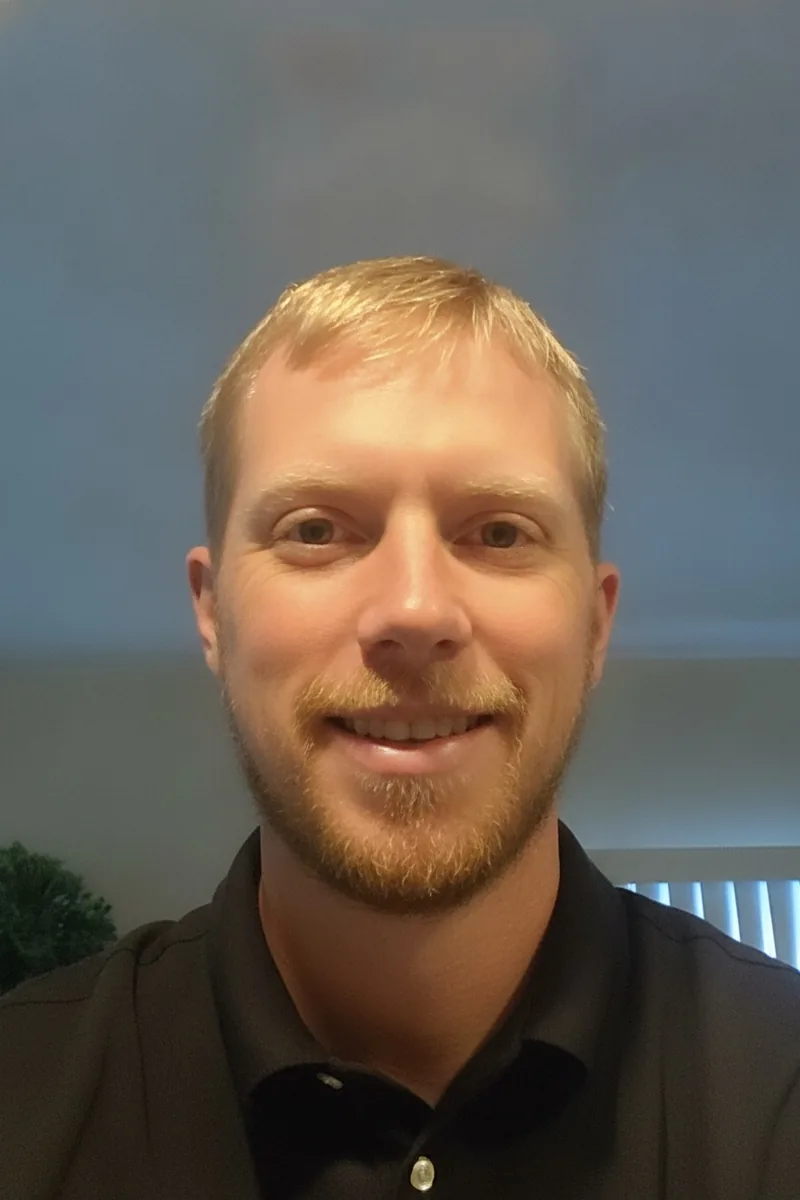
Ed reads widely — fiction, nonfiction, poetry — and treats literature as an ongoing conversation between texts rather than a set of symbols to decode. He teaches students to build interpretive arguments by grounding claims in close reading, whether they're analyzing a Shakespearean soliloquy or unpacking the unreliable narration in a contemporary novel. His communications background makes him especially sharp on how authors use rhetorical choices to shape meaning.

Reading a novel closely means asking what the author is doing with structure, voice, and imagery — not just summarizing plot. Hannah teaches students to build interpretive arguments by connecting textual details to larger thematic questions, whether they're unpacking symbolism in Toni Morrison or analyzing narrative perspective in a short story.
Three bachelor's degrees — including one in philosophy — gave Eric years of practice reading dense, layered texts and arguing about what they mean. He brings that same close-reading rigor to poetry, novels, and drama, teaching students to trace imagery, identify narrative structure, and build interpretive claims they can defend with textual evidence.
From Contemporary Literature and Literature of the Sea at Loomis Chaffee to fiction workshops at Washington University, Erinrose has taught literary analysis across genres and centuries. She digs into how a novel's formal choices — point of view, structure, imagery — create meaning, and she's especially sharp on modern and contemporary fiction. Her PhD work at the University of Denver keeps her immersed in the field daily.
Reading literature closely is a lot like solving a proof: you notice patterns, question assumptions, and build an interpretation from evidence. Zofia's liberal arts education at Brown exposed her to a wide range of texts, and she teaches students to dig into authorial choices — symbolism, narrative structure, tone shifts — with precision. That analytical rigor makes literary analysis feel less like guesswork and more like discovery.
An avid reader herself, Jasmyn approaches literature by teaching students to look at how a text works — narrative structure, figurative language, point of view — rather than just what happens in the plot. She's comfortable across genres from poetry to novels and emphasizes close reading techniques that translate directly into stronger analytical essays. Students come away knowing how to build an argument about a text, not just summarize it.
Reading literature well means learning to sit with ambiguity — asking what a text is doing, not just what it's about. Tara's graduate work in museum studies sharpened her ability to analyze cultural artifacts and narratives in context, and she brings that same interpretive lens to poetry, novels, and drama. She teaches students to build arguments from the text itself, connecting theme, structure, and language with precision.
Reading literature well means learning to ask questions a text doesn't answer directly — about motive, symbolism, narrative structure, unreliable narration. Lacey's graduate work in Classics trained her to do exactly this kind of close interpretive reading across genres and historical periods. She teaches students to build arguments from textual evidence rather than defaulting to plot summary.
Reading a novel for class is one thing; constructing an original argument about symbolism, narrative voice, or historical context is another skill entirely. Alicia's history degree and deep background in American literature mean she can show students how to move from surface-level plot summary to the kind of close textual analysis that earns top marks.
Tina's deep study of both Chinese and English gives her an unusual lens on literature — she notices how narrative structure, symbolism, and tone shift across cultural traditions. She teaches close reading as a skill, walking through passages line by line so students learn to build interpretive arguments grounded in textual evidence.
A science major who reads widely might sound like an unusual literature tutor, but Oliver's analytical training translates directly to close reading — picking apart how an author builds an argument through imagery, structure, and diction. He approaches literary analysis the way he'd approach a research question: identify the evidence first, then build the interpretation.
Reading a novel for class and actually analyzing it are two different skills, and the gap between them is where most students struggle. Melissa teaches close-reading techniques — tracking symbolism, identifying narrative perspective shifts, connecting a text's structure to its themes — so students can build arguments about literature rather than just summarize plot.
Engineering majors aren't the first people you'd expect to teach literature, but Christian's analytical mindset is exactly what students need when they're asked to trace a theme through a novel or unpack an author's rhetorical choices. He approaches literary analysis the way he approaches problem-solving — breaking complex texts into manageable pieces and building an argument from the evidence.
Reading literature closely is really about building an argument from textual evidence — a skill that overlaps heavily with the analytical reasoning Brockton sharpened through his psychology coursework at CU Boulder. He teaches students to move from "what happened" to "why the author made that choice," whether they're dissecting symbolism in a novel or tracing a theme across poetry. That shift from summary to analysis is where grades tend to jump.
Reading a novel closely and writing a convincing literary analysis are two very different skills, and Paul teaches both. He walks students through how to trace motifs, unpack narrative structure, and build arguments about a text that go beyond plot summary into genuine interpretation. His experience with Latin and French literature gives him an unusually wide frame of reference for connecting themes across traditions.
At Colorado School of Mines, Jude's physics and math training means he spends his days working through problems where precise language carries real consequences — a habit that sharpens how he reads literary texts, where an author's choice of a single word can shift the meaning of an entire passage. He takes an interactive, question-driven approach to literature, pushing students to articulate not just what a text says but how its structure and language produce that effect.
An avid reader and writer with a sociology degree, Lena approaches literature through the lens of social context — examining how class, identity, and power shape characters and narrative structure. Whether the assignment involves close-reading a Shakespeare soliloquy or writing a thematic analysis of a modern novel, she teaches students to build arguments grounded in textual evidence rather than plot summary.
Colton approaches literature as an avid reader who genuinely enjoys digging into texts — from analyzing an author's use of symbolism to tracing how narrative structure shapes meaning. His analytical training in biomedical engineering translates surprisingly well to close reading, where breaking a passage into its component parts reveals arguments and themes that aren't obvious on a first read. He's particularly effective at teaching students how to support interpretations with textual evidence.
An avid reader herself, Emma approaches literature by teaching students to dig into character motivation, theme, and narrative structure rather than just summarizing plot. Her theatre background at Denver School of the Arts sharpened her ability to analyze how language creates emotion and meaning on the page. She's particularly effective at making literary analysis feel like a conversation instead of a chore.
Reading literature closely — tracking symbols, unreliable narrators, shifts in tone — is a skill Heidi sharpened through both the IB program and her current journalism studies at CU Boulder. She teaches students to move from surface-level plot summary to crafting interpretive arguments about theme and authorial intent. Her dual background in writing and analysis means she can show how literary techniques actually function on the page.
A philosophy and religion background changes how you read — Seth teaches students to dig into a text's argument, not just its plot. Whether it's tracking symbolism in a novel or unpacking the rhetorical moves in a poem, he treats literature as something to interrogate rather than summarize.
Reading literature closely means learning to ask better questions — why does an author choose this metaphor, what's the effect of shifting point of view, how does historical context reshape a passage's meaning. Cory teaches students to build arguments from textual evidence and articulate interpretations clearly, skills he sharpened through writing-intensive coursework at Cornell.
Reading literature through an analytical lens — identifying motifs, tracking character development, and building interpretive arguments — takes practice that mirrors the kind of close observation Michelle honed during her biology training at Trinity University. She approaches literary analysis as a skill set, teaching students to pull evidence from the text and organize it into coherent, well-supported claims.
Cody reads literature the way his two degrees taught him — an engineer's attention to structure paired with a humanities scholar's sensitivity to meaning and context. Whether a student is analyzing symbolism in a novel or building an argument about a poem's form, he walks through the text line by line, showing how close reading turns vague impressions into precise interpretive claims.
Reading a novel for class is one thing; constructing an original interpretation of it is something else entirely. Paige's philosophy training sharpened her ability to unpack how an author's choices — narrative structure, symbolism, point of view — build meaning, and she brings that same close-reading rigor to poetry, drama, and prose. She's especially effective at teaching students to move from "I liked this book" to a thesis they can actually defend with textual evidence.
Literary analysis clicks when a student stops summarizing plot and starts asking why an author made a specific choice — why Fitzgerald uses green light imagery, or why Shelley frames her novel through nested narrators. Graham brings a scientist's precision to close reading, picking apart structure and language with the same rigor he applies to problem sets at CU Boulder. His writing background and love of books make him a natural fit for unpacking both poetry and prose.
I am a student at the Georgia Institute of Technology studying Chemical Engineering. For the past several years, I have worked with students extensively. Through hosting events for younger kids to learn about STEM and for older teens to practice empathetic design, I know the importance of teaching students in ways that engage them rather than frustrate them, which I apply to my teaching. I have tutored high school students in a drop-in resource center in various subjects including math of all levels, chemistry, and English, making me adequately equipped in a variety of topics. I have also tutored several students long-term. Establishing relationships with students and exploring their unique learning styles is my favorite part of tutoring. I prioritize helping students discover HOW to learn in a manner that is the most effective for them, so they can begin to use those skills on their own throughout their education. Learning is a lifelong skill that requires practice for improvement; I strive to help my students gain confidence in their ability to learn.
Reading a poem or novel closely means noticing what the author chose *not* to say as much as what's on the page. Rohith approaches literary analysis the way he approaches scientific inquiry — asking what evidence the text provides and what conclusions it actually supports. That analytical rigor sharpens students' ability to write about symbolism, narrative structure, and theme with real precision.
Reading literature closely means learning to ask better questions — why does the author use that metaphor, what's driving this character's choices, how does structure shape meaning? Marcus's Political Sciences background trained him to analyze arguments and rhetorical strategies in dense texts, a skill that transfers directly to unpacking poetry, novels, and plays. He teaches students to build interpretive claims and defend them with textual evidence.
I am a undergraduate student who is willing to help other students in subjects that they may be experiencing difficulties in.
Reading a novel for class and actually analyzing it are two very different tasks, and the gap between them is where most students lose points. Rosemary unpacks literary devices — symbolism, unreliable narration, shifts in point of view — by tying them back to what an author is trying to make the reader feel or question. Her science background gives her an unusually structured approach to close reading that appeals to students who find English class abstract.
Analyzing literature is less about finding the "right" interpretation and more about building an argument from the text itself — tracing imagery, dialogue, and structure to support a claim. Brenna approaches literary analysis with the same logical rigor she applies to math, teaching students to treat a passage like evidence and construct readings that hold up under scrutiny.
Analyzing a novel or poem means building an argument about what the text is doing, not just summarizing the plot. Jalonna teaches students to identify literary devices like symbolism, tone shifts, and narrative structure, then turn those observations into clear, evidence-backed interpretations. Her writing background makes her especially useful when a literature class requires analytical essays.
Reading a novel closely and writing about it persuasively are two different skills, and Katie addresses both. She teaches students to identify literary devices like symbolism, unreliable narration, and structural choices, then translate those observations into clear, evidence-driven arguments. Her writing background across multiple disciplines gives her a practical sense of how to build a thesis that actually says something.
Reading a novel for plot is one thing; reading it for how an author uses symbolism, narrative structure, or unreliable narration to shape meaning is another skill entirely. Carson earned his degree in English and brings genuine enthusiasm for close reading across genres — from Shakespeare's sonnets to contemporary fiction. He teaches students to build interpretive arguments that go beyond surface-level summary and hold up under scrutiny.
Reading a novel for class and actually analyzing it are two very different skills. Austin approaches literature by teaching students to trace motifs, identify narrative structure, and build arguments about a text — whether it's dissecting symbolism in a short story or unpacking an unreliable narrator. His background in essay-based coursework at KU gives him plenty of practice connecting close reading to clear written analysis.
Reading literature well means arguing with the text — asking why an author chose this metaphor, this structure, this ending. Anthony approaches literary analysis as a skill that sharpens across genres, whether a student is close-reading a Shakespeare soliloquy or tracing symbolism through a contemporary novel. His 5.0 rating speaks to how effectively he makes that analytical process accessible.
Pulling meaning from a poem or novel requires more than summarizing plot — it means examining imagery, tone, narrative structure, and authorial intent. Annie is a strong reader and writer studying Education at CU Boulder, and she teaches students to build interpretive arguments grounded in textual evidence. Her goal in every session is to make close reading feel like a skill, not a guessing game.
Reading a novel for class is one thing; building an argument about its themes, symbols, or narrative structure is another skill entirely. Evan teaches students to move from "I liked it" to "here's what the text is doing and why," pulling specific passages as evidence and analyzing authorial choices. His analytical training in physics translates surprisingly well to close reading — both require looking at the details and asking what they prove.
Literary analysis is really about arguing for an interpretation and backing it up with textual evidence — close reading a metaphor in Beloved, tracing narrative structure in a short story, or unpacking unreliable narration. Sarah's experience teaching high school and college English means she's guided students through canonical and contemporary texts at every level of complexity.
Testimonials
Because the right Literature tutor makes all the difference.
Average Session Rating – Based on 3.4M Learner Ratings
Nearby Literature Tutors
Other Fort Collins Tutors
Related English Tutors in Fort Collins
Frequently Asked Questions
Varsity Tutors matches Fort Collins students with expert Literature tutors for 1-on-1 instruction. We pair each student with a tutor based on their specific needs, learning style, and goals.
Whether you need homework help, exam prep, or want to get ahead, our Literature tutors are ready to help.
Common challenges include gaps from earlier material, difficulty with specific concepts, and trouble applying learning to new problems. These issues can snowball quickly in Literature.
A tutor identifies where you're stuck, fills in gaps, and provides targeted practice. The 1-on-1 format means you get help exactly where you need it.
Tutors work with your student's actual coursework—homework assignments, class notes, and upcoming tests. This keeps tutoring directly relevant to what's happening in the classroom.
When you share information about your student's school and curriculum, we can match you with a tutor who has relevant experience.
All tutors complete background checks, credential verification, and teaching evaluation. Many of our Literature tutors hold advanced degrees or have years of teaching experience.
You can review tutor profiles to find someone with the right background for your student's level and needs.
Many students see improved grades within a few weeks, along with better understanding of Literature concepts and more confidence tackling challenging material.
Tutors track progress and adjust their approach to ensure continued improvement.
Most students benefit from 1-2 sessions per week. More frequent sessions help if your student is significantly behind or has an important exam coming up.
Your tutor can recommend a schedule based on your student's specific situation and goals.
Tutoring is purchased in packages of hours, with rates varying by tutor experience. Varsity Tutors offers several options to fit different budgets and needs.
You can discuss pricing during your consultation to find what works best.
Your tutor will assess where your student is, discuss goals, and start working on priority areas. Most students bring current homework or upcoming test material to focus on.
By the end, you'll have a clear sense of how the tutor can help and a plan for moving forward.
Let’s find your perfect tutor
Answer a few quick questions. We’ll recommend the right plan and match you with a top 5% tutor.