Award-Winning Executive Functioning Tutors
serving Los Angeles, CA
Executive Functioning
Tutors in Los Angeles
Private 1-on-1 tutoring, weekly live classes for academic support, test prep & enrichment, practice tests and diagnostics, and more to elevate grades and test scores.
Based on 3.4M Learner Ratings
UniversitiesSchools & Universities
DeliveredHours Delivered
ProficiencyGrowth in Proficiency
Who needs tutoring?
No obligation. Takes ~1 minute.
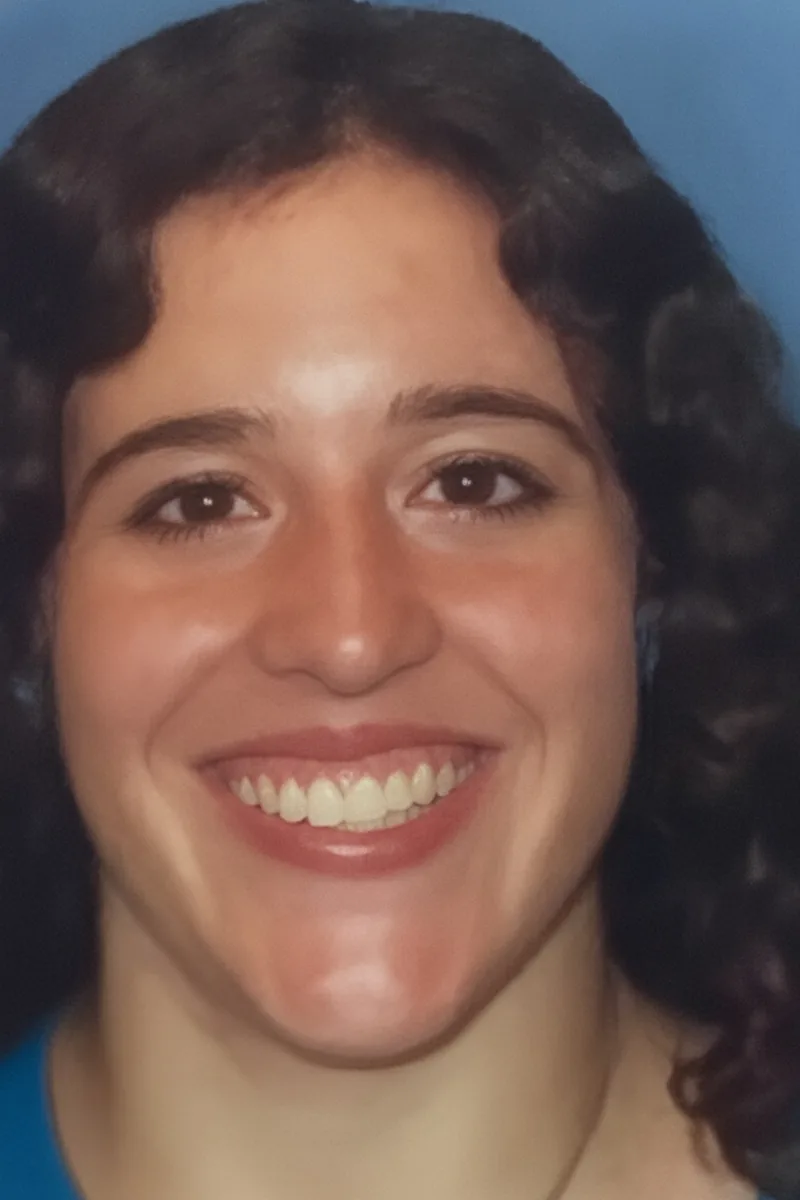
Medical school demands serious executive functioning — juggling anatomy, biochemistry, and clinical rotations means Kaitlyn has battle-tested systems for time management, task prioritization, and breaking large projects into manageable steps. She teaches students how to build their own planning routines, from using calendars effectively to chunking study sessions so material actually sticks. Rated 4.8 by students and families.

Rosie's graduate work in healthcare and her undergraduate finance training both demanded juggling complex, multi-step processes under tight deadlines — skills she now unpacks for students who struggle with planning, time management, and task initiation. She teaches across a wide range of subjects, from math to essay writing, which means she can embed executive functioning strategies directly into the academic work a student is already doing rather than treating them as separate lessons. That cross-subject perspective lets her spot where organizational breakdowns are actually happening and build practical routines around those specific friction points.
I've helped several hundred students in a wide variety of subjects, from executive functioning to computer science to standardized testing. I also help students with general support in math and English. Most of my students are around 9-17, but I work well with students who are older and a little younger as well. I also work very well with students who have specific obstacles or requirements, such as neurodiversity support or schedules that change a lot. Most of my background is in computer science, from my college major to my experience hands-on over the past 10 years. Regardless of the subject, I believe every student's needs are unique and every student is able to achieve great things with the right preparation and support. My number one goal is to provide that whenever I can, both to the student and to their parents. I communicate with parents outside of sessions a lot to establish their expectations, better understand students, and recommend ways they can directly support their children in their journey as well.
Planning, prioritizing, managing time, shifting between tasks — these are the invisible skills that school demands but rarely teaches outright. Elise breaks executive functioning into concrete, practicable habits: using checklists to start assignments, setting timers to maintain focus, and building routines for organizing materials. Her special education training means she understands the neurological side of these challenges, not just the behavioral one.
I am persuasive and capable of developing rapport and trust, as well as experienced in influencing the attitudes and ideas of others.
Planning, prioritizing, managing time, and shifting between tasks — these executive functioning skills underpin academic success but rarely get taught explicitly. Derek tackles them as teachable skills, building concrete systems like task checklists, color-coded planners, and structured routines that students internalize over time. His doctorate focused on how curriculum design shapes learning behavior, which gives him a research-grounded toolkit for strengthening these cognitive habits.
Balancing a double major in psychology and biology while preparing for medical school forced Karim to build real systems for task prioritization, time blocking, and breaking long-term projects into manageable steps. He teaches those same strategies — planning backwards from deadlines, organizing materials, and self-monitoring progress — so students can manage their own workloads independently.
Hello! My name is Sam Bicking. I am an alumni and student at The University of Pennsylvania studying Pre-health sciences before entering medical school. I have been tutoring for several years with students with disabilities (and amazing students without disabilities).
As a dedicated tutor with a Master's degree in Forensic Psychology from George Washington University and a Bachelor's in Psychology with a Minor in Special Education from James Madison University, I am passionate about fostering a supportive learning environment for my students. With over 2 years of experience in special education, I utilize a personalized approach that focuses on each student's unique strengths and challenges. My teaching philosophy centers on creating engaging and interactive lessons that promote critical thinking and confidence. I am motivated by the opportunity to help students achieve their academic goals and develop a love for learning. I have a passion for the language arts and love reading and writing while also valuing math and science. In my free time, I enjoy playing and watching sports, traveling, and spending time with family and friends.
Running a natural sciences department at a bilingual elementary school in Ecuador meant Joy wasn't just teaching content — she was building systems for planning, prioritization, and task completion across two languages and multiple grade levels. She applies that same structured approach to executive functioning skills like time management, organization, and breaking long-term assignments into manageable steps.
Managing art projects from concept to finished piece — juggling sketches, revisions, material prep, and critique deadlines — forced Laura to develop the exact planning and sequencing skills that executive functioning coaching targets. She teaches students to build visual workflows and concrete routines for breaking down assignments, initiating tasks, and tracking deadlines across subjects, drawing on the same project-management instincts that drive her studio practice. Rated 4.9 by clients.
I hold a Master's degree from the University of Pennsylvania in developmental psychology (with a focus on cognition) and a B.A. from Swarthmore College in theatre and English. I enjoy working with students who are looking to improve their executive function skills as a part of their overall goals for tutoring because I believe in a whole-self approach to time management and skill building. I also thoroughly enjoy tutoring in English literature, high school and college writing, organizational skills, and standardized testing. I've spent 15 years teaching high school English, public speaking, and written expression at elite independent schools, while moonlighting as a public speaking coach. My professional experience includes providing speechwriting and coaching for a now-US Senator during his first congressional campaign. Prior to becoming a teacher, I worked as a director for multiple professional theaters, and my passions for English and Theatre converge in a deep love of Shakespeare. I love to talk about literature and dissect its craft in writing, and I believe everyone can write strong essays with the right coaching and framework.
Testimonials
Because the right Executive Functioning tutor makes all the difference.
Average Session Rating – Based on 3.4M Learner Ratings
Nearby Executive Functioning Tutors
Other Los Angeles Tutors
Related Learning Differences Tutors in Los Angeles
Frequently Asked Questions
Students across Los Angeles's 712 schools commonly face challenges with organization, time management, and working memory—especially when juggling multiple classes, homework, and extracurricular activities. Many struggle to break down complex assignments into manageable steps, keep track of deadlines across different teachers, or transition smoothly between tasks. These challenges often become more pronounced in middle and high school when academic demands increase significantly and self-directed learning becomes essential.
With Los Angeles's average student-teacher ratio of 19.1:1, teachers have limited ability to provide individualized strategy coaching. Personalized 1-on-1 instruction allows tutors to assess your student's specific challenges—whether that's planning long-term projects, managing test anxiety, or organizing materials—and teach concrete strategies tailored to how they actually learn. Tutors can work at your student's pace, practice real scenarios from their actual classes, and adjust approaches based on what works, rather than using one-size-fits-all methods.
Executive functioning skills develop gradually throughout childhood and into young adulthood, with significant growth spurts around ages 8-10 and again during middle school. Students transitioning to middle school or high school often benefit most from targeted support, as well as those preparing for college or struggling with the independence that advanced coursework requires. That said, students of any age can improve their organizational and planning skills with focused practice—it's never too early or too late to build these foundational abilities.
Executive functioning instruction can be tremendously helpful for students with ADHD, dyslexia, autism, and other learning differences. Personalized tutoring focuses on teaching practical strategies—like breaking projects into steps, using external organizational systems, or managing distractions—that work with how your student's brain functions rather than against it. While tutoring isn't a substitute for medical evaluation or diagnosis, it can equip students with tools and strategies that significantly improve their ability to complete schoolwork and manage responsibilities independently.
With consistent practice, students typically see improvements within 4-8 weeks, such as completing assignments on time, keeping materials organized, reducing the need for reminders, and managing stress around deadlines. Over longer periods, you may notice improved grades, increased independence with homework, and greater confidence tackling new projects. The key is that improvements are usually observable in real life—parents and teachers notice the student's behavior and responsibility changing, not just test scores or worksheets.
Varsity Tutors connects you with expert tutors who specialize in executive functioning and work with students for students in Los Angeles. The process starts with sharing information about your student's specific challenges and goals. Tutors will assess where your student needs the most support—whether that's planning, organization, working memory, or emotional regulation—and create a personalized approach. You can get matched with a tutor who fits your student's needs and schedule.
Los Angeles students often navigate unique pressures including competitive academics, sports or entertainment opportunities, and the demands of school choice (magnet programs, charters, private schools). Many students juggle multiple priorities or significant commute times, which can strain organizational systems. Additionally, some students experience pressure to succeed at high levels while managing family expectations. Tutors working with Los Angeles students can address these specific stressors by teaching strategies for managing competing demands and maintaining focus on priorities.
Let’s find your perfect tutor
Answer a few quick questions. We’ll recommend the right plan and match you with a top 5% tutor.