Award-Winning Microeconomics Tutors
serving Oxnard, CA
Microeconomics
Tutors in Oxnard
Private 1-on-1 tutoring, weekly live classes for academic support, test prep & enrichment, practice tests and diagnostics, and more to elevate grades and test scores.
Based on 3.4M Learner Ratings
UniversitiesSchools & Universities
DeliveredHours Delivered
ProficiencyGrowth in Proficiency
Who needs tutoring?
No obligation. Takes ~1 minute.

I'm an affable chemistry-loving person whose joy come from delivering knowledge :D
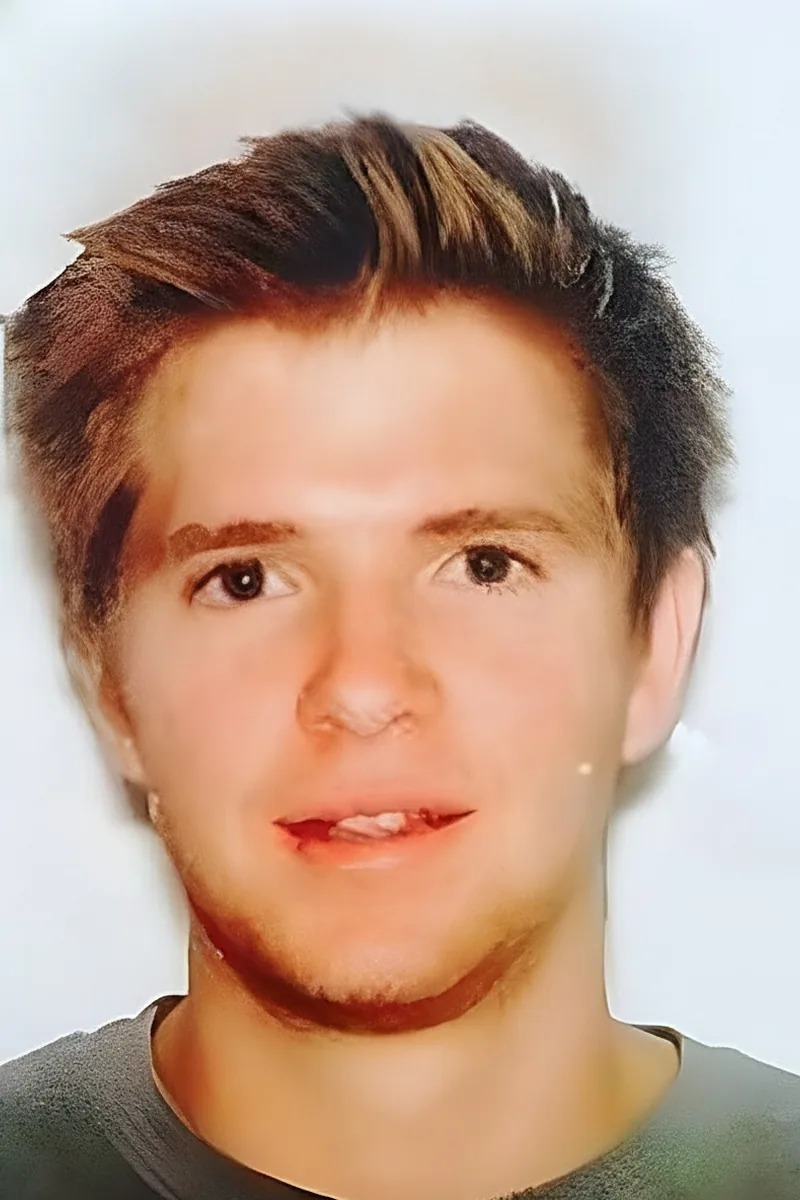
Elasticity, marginal utility, and market structures like oligopoly and monopolistic competition each require a different way of thinking — and Grant's economics degree gave him deep fluency with all of them. He breaks down consumer and producer theory using concrete examples, making the graphs and equations feel like tools rather than obstacles.
Andrew's Labor and Industrial Relations degree at Cornell covers significant microeconomic ground — labor markets, wage determination, firm behavior under different bargaining structures — giving him a practical lens on concepts like supply and demand, market power, and efficiency. He teaches students to think through how incentives shape decisions at the individual and firm level, grounding abstract models in the kind of real-world labor and industry examples that make the logic click. Rated 4.9 by students.
Supply and demand curves are just the beginning — Nisarg digs into the trickier concepts like elasticity, marginal utility, and market structures that separate a surface-level understanding from real economic thinking. His background debating politics and economics means he can connect abstract models to real-world pricing, competition, and policy decisions that make the theory click.
A political science degree from Williams College means Noah studied how policy decisions ripple through markets — tax incidence, rent controls, minimum wage effects — where microeconomic models meet real-world trade-offs. He teaches students to trace the logic of those models, breaking down why a subsidy shifts a curve or how deadweight loss emerges, rather than treating graphs as shapes to memorize for an exam.
Supply and demand curves are just the starting point — Zeeshan digs into the mechanics behind consumer choice theory, price discrimination, and market structures like oligopoly and monopolistic competition. His PhD research at Vanderbilt keeps him immersed in microeconomic modeling daily, so he can unpack concepts like elasticity or game theory with real-world precision.
Cole's master's thesis at the University of Amsterdam focused on monetary policy and banking — work that required building up from micro-level foundations like how individual banks optimize lending decisions and how interest rate changes ripple through firm behavior. That research depth means he can teach concepts like price discrimination, cost minimization, and strategic interaction with the kind of precision that comes from having used them analytically, not just memorized them for an exam. Rated 5.0 by students.
At UCLA, Christopher studied economics with a double major that gave him both the quantitative models and the historical context behind how markets actually develop — useful when explaining why perfectly competitive markets rarely exist or how government intervention reshapes incentive structures. His time at Deutsche Bank adds a practical dimension to topics like firm pricing behavior and cost analysis, since he's seen how businesses weigh marginal decisions with real money on the line.
Supply and demand curves are just the entry point — the real challenge in microeconomics is applying them to problems involving market structures, consumer choice, and externalities. Adi's economics training means he can walk through the intuition behind utility maximization or Nash equilibrium without losing students in the math, or without skipping it entirely.
Marginal cost curves, elasticity calculations, and market structure models can blur together without a clear framework for when each tool applies. Dylan's policy analysis training required him to use microeconomic models to evaluate everything from healthcare markets to environmental regulation, so he teaches these concepts through the lens of actual decision-making. Students leave sessions understanding not just how to solve the problem set but why firms and consumers behave the way the models predict.
Consumer choice theory, production functions, market structures — microeconomics is full of models that look abstract until someone shows you how they map onto real behavior. Natalie's dual focus in economics and engineering at Duke means she approaches these models both intuitively and mathematically, breaking down each graph until the logic behind it is clear.
Studying finance at Boston College means Andy works with microeconomic principles daily — how firms price products, why markets allocate resources the way they do, and what happens when they don't. He brings that applied lens to concepts like profit maximization and market structures, grounding abstract graphs in the kind of real business reasoning that makes them click. Rated 5.0 by students.
Elasticity, marginal cost curves, game theory matrices — microeconomics is deceptively math-heavy for a social science. Ryan earned his bachelor's degree in economics and tackles micro by grounding every graph and equation in the real-world decision it represents, so students can reason through unfamiliar problems on exams instead of relying on memorized steps.
Testimonials
Because the right Microeconomics tutor makes all the difference.
Average Session Rating – Based on 3.4M Learner Ratings
Nearby Microeconomics Tutors
Other Oxnard Tutors
Related Business Tutors in Oxnard
Frequently Asked Questions
Varsity Tutors matches Oxnard students with expert Microeconomics tutors for 1-on-1 instruction. We pair each student with a tutor based on their specific needs, learning style, and goals.
Whether you need homework help, exam prep, or want to get ahead, our Microeconomics tutors are ready to help.
Common challenges include gaps from earlier material, difficulty with specific concepts, and trouble applying learning to new problems. These issues can snowball quickly in Microeconomics.
A tutor identifies where you're stuck, fills in gaps, and provides targeted practice. The 1-on-1 format means you get help exactly where you need it.
Tutors work with your student's actual coursework—homework assignments, class notes, and upcoming tests. This keeps tutoring directly relevant to what's happening in the classroom.
When you share information about your student's school and curriculum, we can match you with a tutor who has relevant experience.
All tutors complete background checks, credential verification, and teaching evaluation. Many of our Microeconomics tutors hold advanced degrees or have years of teaching experience.
You can review tutor profiles to find someone with the right background for your student's level and needs.
Many students see improved grades within a few weeks, along with better understanding of Microeconomics concepts and more confidence tackling challenging material.
Tutors track progress and adjust their approach to ensure continued improvement.
Most students benefit from 1-2 sessions per week. More frequent sessions help if your student is significantly behind or has an important exam coming up.
Your tutor can recommend a schedule based on your student's specific situation and goals.
Tutoring is purchased in packages of hours, with rates varying by tutor experience. Varsity Tutors offers several options to fit different budgets and needs.
You can discuss pricing during your consultation to find what works best.
Your tutor will assess where your student is, discuss goals, and start working on priority areas. Most students bring current homework or upcoming test material to focus on.
By the end, you'll have a clear sense of how the tutor can help and a plan for moving forward.
Let’s find your perfect tutor
Answer a few quick questions. We’ll recommend the right plan and match you with a top 5% tutor.