Award-Winning Microeconomics Tutors
serving Sacramento, CA
Microeconomics
Tutors in Sacramento
Private 1-on-1 tutoring, weekly live classes for academic support, test prep & enrichment, practice tests and diagnostics, and more to elevate grades and test scores.
Based on 3.4M Learner Ratings
UniversitiesSchools & Universities
DeliveredHours Delivered
ProficiencyGrowth in Proficiency
Who needs tutoring?
No obligation. Takes ~1 minute.

I'm an affable chemistry-loving person whose joy come from delivering knowledge :D
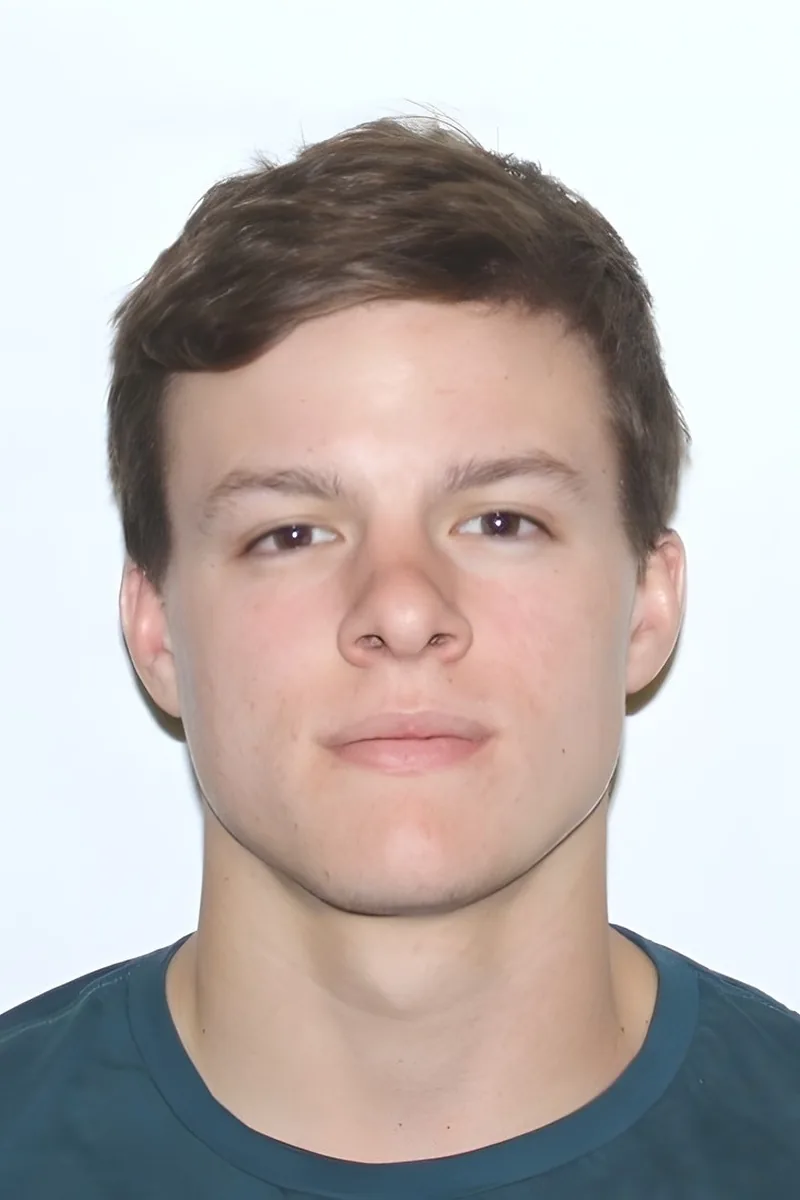
Supply and demand curves are just the starting point — Elliot digs into elasticity, market structures, and consumer theory with the rigor you'd expect from a University of Chicago economics student. He breaks down concepts like marginal utility and producer surplus using real-world pricing scenarios that make the math behind the graphs click. Rated 4.9 by students.
I am currently working in a Bronx Public School as a teaching apprentice in Algebra. I have four years of experience tutoring one on one with students of all ages.
Marginal cost, elasticity, consumer surplus — microeconomics is full of terms that sound technical but describe decisions people make every day. Travis unpacks these concepts by tying them to real scenarios: why airlines price seats differently, how a coffee shop decides its hours, what happens when a city caps rent. His political science training sharpens the policy side of micro, especially around market failures and regulation.
At UCLA, Christopher studied economics with a double major that gave him both the quantitative models and the historical context behind how markets actually develop — useful when explaining why perfectly competitive markets rarely exist or how government intervention reshapes incentive structures. His time at Deutsche Bank adds a practical dimension to topics like firm pricing behavior and cost analysis, since he's seen how businesses weigh marginal decisions with real money on the line.
Introductory microeconomics is where Reed cut his teeth as a tutor — he served as a prefect and TA for Carleton College's micro courses, running both classroom sessions and one-on-one reviews. He digs into consumer and producer theory, cost curves, and market structures with an emphasis on connecting the graphs to the underlying math so each concept reinforces the other.
Elasticity, consumer surplus, and market structures like monopolistic competition can feel abstract until someone maps them to decisions you actually make. Sheena, who is pursuing an accelerated Master's in Economics, teaches microeconomics by anchoring each concept in concrete scenarios — why airlines price-discriminate, how a tax shifts deadweight loss, what drives firm entry in the long run. She makes the graphs tell a story rather than just sit on the page.
Supply and demand curves are simple enough on the surface, but microeconomics gets tricky fast once students hit elasticity calculations, game theory matrices, and market failure models. Laura studied economics at the undergraduate level and brings real fluency to topics like consumer surplus, price discrimination, and production cost analysis. She connects the math behind each graph to the economic intuition it represents, which makes problem sets far less mechanical.
Supply and demand curves are just the starting point — microeconomics gets interesting when students tackle consumer theory, elasticity, and market structures like oligopoly and monopolistic competition. Katherine's economics degree from Penn and her day job in management consulting mean she can ground these models in real business decisions, making abstract graphs feel intuitive.
Supply and demand curves are intuitive until you hit market failures, game theory, and the math behind consumer optimization — that's where microeconomics gets interesting and where most students need a push. Mosab teaches AP Microeconomics with an emphasis on connecting graphical analysis to the underlying logic, so students can tackle free-response questions with real confidence rather than memorized diagrams.
Kyle's statistics degree means he's fluent in the quantitative reasoning that underpins microeconomic analysis — interpreting slopes on cost curves, thinking through marginal changes, and modeling how rational agents optimize under constraints. He brings that statistical intuition to topics like elasticity and market efficiency, where students often struggle to connect the math to what's actually happening in a market. Rated 4.9 by students.
From elasticity calculations to the nuances of monopolistic competition, microeconomics requires students to think graphically and verbally at the same time. David breaks down each market structure by walking through the firm's decision-making process step by step — where marginal cost meets marginal revenue, why profits shrink in the long run, and what happens when assumptions change. His entrepreneurship background means these aren't hypothetical firms to him.
Marginal cost curves, consumer surplus, and price discrimination can feel like a pile of disconnected graphs until someone ties them back to how actual firms make decisions. Frank connects microeconomic theory to the real market behavior he analyzed during his years as a Wall Street research executive, making concepts like market structure and deadweight loss intuitive rather than abstract.
Testimonials
Because the right Microeconomics tutor makes all the difference.
Average Session Rating – Based on 3.4M Learner Ratings
Nearby Microeconomics Tutors
Other Sacramento Tutors
Related Business Tutors in Sacramento
Frequently Asked Questions
Microeconomics focuses on individual economic actors—consumers, workers, and businesses—and how they make decisions about production, pricing, and resource allocation. Many students find microeconomics challenging because it requires both conceptual understanding of economic principles and the ability to apply them to real-world scenarios. With Sacramento's diverse economy spanning government, agriculture, and technology sectors, personalized tutoring can help students connect these abstract concepts to local examples and build confidence in problem-solving.
Students often struggle with supply and demand curves, elasticity calculations, and understanding how marginal analysis applies to decision-making. Many also find it difficult to transition from memorizing definitions to actually interpreting graphs and working through multi-step problems. Personalized 1-on-1 instruction allows tutors to identify exactly where a student's understanding breaks down—whether it's the math, the logic, or the interpretation—and rebuild that foundation with targeted practice.
In a classroom setting with Sacramento's average student-teacher ratio of 22.5:1, teachers must move at a pace that works for the majority, which means some students fall behind while others plateau. Personalized tutoring adapts to your learning speed and style—whether you need extra time on consumer theory or want to accelerate into advanced topics like game theory. Tutors can also focus on the specific curriculum your school uses and the exact concepts your teacher emphasizes, rather than generic textbook coverage.
Your first session is primarily diagnostic—a tutor will review your current coursework, identify specific topics causing difficulty, and understand your learning goals, whether that's improving your grade, preparing for an exam, or building deeper understanding. You'll likely work through a problem or concept together to see how you approach microeconomics and where gaps exist. This foundation helps the tutor create a personalized plan for your next sessions.
Graphs are the language of microeconomics, and many students struggle to interpret them or draw them correctly. Tutors can break down how to read axes, identify equilibrium points, and predict shifts when variables change—then guide you through drawing your own graphs from scratch. With repeated, guided practice on the specific types of diagrams your Sacramento school curriculum covers, you'll develop the visual literacy needed to solve complex problems confidently.
Yes—tutors can help you review all major topics, work through past exam questions, and identify patterns in how concepts are tested. For AP Microeconomics specifically, tutors understand the exam format, the types of calculations and free-response questions you'll encounter, and common mistakes students make. Focused exam prep sessions typically include practice under timed conditions and detailed feedback on your problem-solving approach.
Look for tutors with strong backgrounds in economics—whether through undergraduate study, advanced degrees, or professional experience in economics-related fields. They should understand both high school and college-level microeconomics curriculum and have proven experience helping students improve their grades and test scores. Varsity Tutors connects you with expert tutors who can demonstrate their expertise and teaching approach during an initial conversation.
Many students notice improved understanding and confidence within 3-4 sessions, especially if they focus on a specific challenging topic. Grade improvements often take longer—typically 4-8 weeks of consistent tutoring—because they depend on applying new skills to homework and exams. The timeline varies based on where you're starting, how frequently you meet, and how actively you practice between sessions.
Let’s find your perfect tutor
Answer a few quick questions. We’ll recommend the right plan and match you with a top 5% tutor.