Award-Winning High School Computer Science Tutors
serving Oxnard, CA
High School Computer Science
Tutors in Oxnard
Private 1-on-1 tutoring, weekly live classes for academic support, test prep & enrichment, practice tests and diagnostics, and more to elevate grades and test scores.
Based on 3.4M Learner Ratings
UniversitiesSchools & Universities
DeliveredHours Delivered
ProficiencyGrowth in Proficiency
Who needs tutoring?
No obligation. Takes ~1 minute.

Milan's CS degree means he can teach high school programming concepts — variables, control flow, object-oriented basics — with a real understanding of what's happening under the hood, not just pattern-matching syntax from a textbook. His English double major also sharpens how he explains things: he's practiced at making technical ideas readable and clear, which matters when a student is staring at a block of code that makes no sense yet.
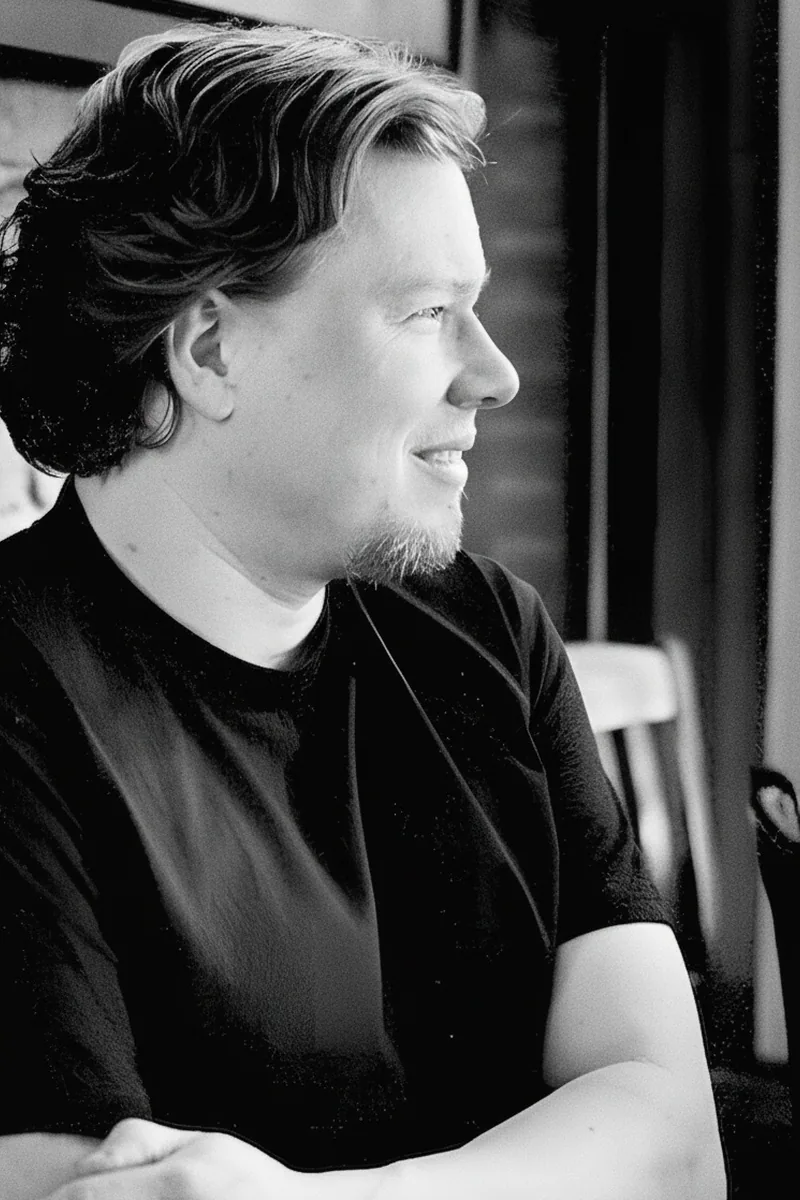
The jump from "using computers" to "thinking computationally" trips up a lot of high schoolers, especially when loops and conditionals first appear. Dennis breaks programming logic into small, testable pieces so students build confidence writing their own code instead of copying examples. He holds a 5.0 client rating.
The jump from using a computer to thinking computationally is where most high school CS students struggle. Sarah's training in physics and math gave her deep practice in the kind of logical decomposition that makes loops, conditionals, and basic data structures click rather than feel arbitrary.
A lot of high school CS courses move fast from basic loops and conditionals into AP-level topics like recursion and array manipulation. Rhamy breaks each concept into small, buildable steps — writing actual programs rather than just reading pseudocode — so the logic sticks before the syntax piles up.
I'm a recent college graduate with degrees in Biological Sciences and Russian from Ohio University. During my time there, I tutored students in a variety of subjects, including biology, chemistry, and Spanish. In addition, I worked as both a peer advisor and teaching assistant, which gives me insight into the learning strategies and study skills that students need to succeed. As a tutor, I like to focus on doing actual problems with students because it is the most effective way to immediately identify their strengths and weaknesses and to address them. In my free time, I like to lift weights, read books, and spend time with my friends.
The jump from writing code that runs to understanding *why* it runs — Big-O notation, boolean logic, basic data structures — is the real challenge in high school CS. Dibyendu breaks these ideas down using concrete examples in Python and Java, connecting each concept to problems students can actually visualize. His background in teaching university-level courses means he knows exactly which fundamentals matter most before college.
Philosophy trains you to break complex arguments into precise logical steps — which turns out to be exactly what high school CS demands when students hit Boolean logic, nested conditionals, and algorithm design. Julie applies that structured reasoning to programming concepts, teaching students to think through what their code should do before they start typing. Her statistics and machine learning certificate at Princeton means she's no stranger to writing and debugging code herself.
High school CS often moves fast from basic control flow to more intimidating topics like recursion, sorting algorithms, and array manipulation. Ignacio breaks these down using Java and Python examples that build intuition step by step, drawing on both his UChicago training and his current graduate-level CS work at DePaul.
That first encounter with loops, conditionals, and functions can feel overwhelming when everything is new vocabulary. Allison breaks programming logic into small, testable pieces — write three lines, run them, see what happens — so students build intuition for debugging and problem decomposition before projects get complex. Rated 4.9 by students.
Learning to code for the first time can feel like learning a foreign language where every typo crashes the conversation. John, who pivoted from law into software engineering to build his own startup, remembers exactly what it's like to struggle with loops, conditionals, and arrays as a beginner. He teaches the reasoning behind each concept so students can debug their own thinking, not just their syntax.
Maria's applied math training at UCLA means she thinks about computation the way computer scientists do — as structured problem-solving with clear logical rules. She brings that mathematical rigor to topics like conditionals, loops, and algorithm design, showing students how the reasoning patterns they already use in math translate directly into writing and debugging code.
High school CS often feels like a grab bag — a little bit of logic, some intro programming, maybe AP CSA exam prep — and students need someone who can tie it all together. David's computer science degree and experience teaching undergraduates mean he can break down loops, conditionals, and basic data structures in a way that builds genuine computational thinking, not just syntax memorization.
High school CS often feels like it's caught between "learn to code" and actual computer science — sorting algorithms, Boolean logic, basic data structures. Daniel bridges that gap by connecting introductory programming concepts to the real engineering decisions he makes as a working developer. His applied math background also means he can reinforce the mathematical reasoning that underpins CS.
Sasha's computer engineering degree means she can teach high school CS concepts — loops, conditionals, arrays, object-oriented design — with the depth of someone who kept using them professionally, not just someone who passed the class. She connects abstract ideas like recursion and sorting algorithms to tangible engineering problems so they actually stick.
The jump from "I can write a for-loop" to "I understand why this algorithm is efficient" is where most high school CS students get stuck. Jack bridges that gap by connecting introductory programming concepts — conditionals, arrays, functions — to the deeper logic underneath, drawing on his own CS studies at UNC Chapel Hill.
Testimonials
Because the right High School Computer Science tutor makes all the difference.
Average Session Rating – Based on 3.4M Learner Ratings
Nearby High School Computer Science Tutors
Other Oxnard Tutors
Related Technology and Coding Tutors in Oxnard
Frequently Asked Questions
Varsity Tutors matches Oxnard students with expert High School Computer Science tutors for 1-on-1 instruction. We pair each student with a tutor based on their specific needs, learning style, and goals.
Whether you need homework help, exam prep, or want to get ahead, our High School Computer Science tutors are ready to help.
Common challenges include gaps from earlier material, difficulty with specific concepts, and trouble applying learning to new problems. These issues can snowball quickly in High School Computer Science.
A tutor identifies where you're stuck, fills in gaps, and provides targeted practice. The 1-on-1 format means you get help exactly where you need it.
Tutors work with your student's actual coursework—homework assignments, class notes, and upcoming tests. This keeps tutoring directly relevant to what's happening in the classroom.
When you share information about your student's school and curriculum, we can match you with a tutor who has relevant experience.
All tutors complete background checks, credential verification, and teaching evaluation. Many of our High School Computer Science tutors hold advanced degrees or have years of teaching experience.
You can review tutor profiles to find someone with the right background for your student's level and needs.
Many students see improved grades within a few weeks, along with better understanding of High School Computer Science concepts and more confidence tackling challenging material.
Tutors track progress and adjust their approach to ensure continued improvement.
Most students benefit from 1-2 sessions per week. More frequent sessions help if your student is significantly behind or has an important exam coming up.
Your tutor can recommend a schedule based on your student's specific situation and goals.
Tutoring is purchased in packages of hours, with rates varying by tutor experience. Varsity Tutors offers several options to fit different budgets and needs.
You can discuss pricing during your consultation to find what works best.
Your tutor will assess where your student is, discuss goals, and start working on priority areas. Most students bring current homework or upcoming test material to focus on.
By the end, you'll have a clear sense of how the tutor can help and a plan for moving forward.
Let’s find your perfect tutor
Answer a few quick questions. We’ll recommend the right plan and match you with a top 5% tutor.