Award-Winning High School Computer Science Tutors
serving Concord, CA
High School Computer Science
Tutors in Concord
Private 1-on-1 tutoring, weekly live classes for academic support, test prep & enrichment, practice tests and diagnostics, and more to elevate grades and test scores.
Based on 3.4M Learner Ratings
UniversitiesSchools & Universities
DeliveredHours Delivered
ProficiencyGrowth in Proficiency
Who needs tutoring?
No obligation. Takes ~1 minute.
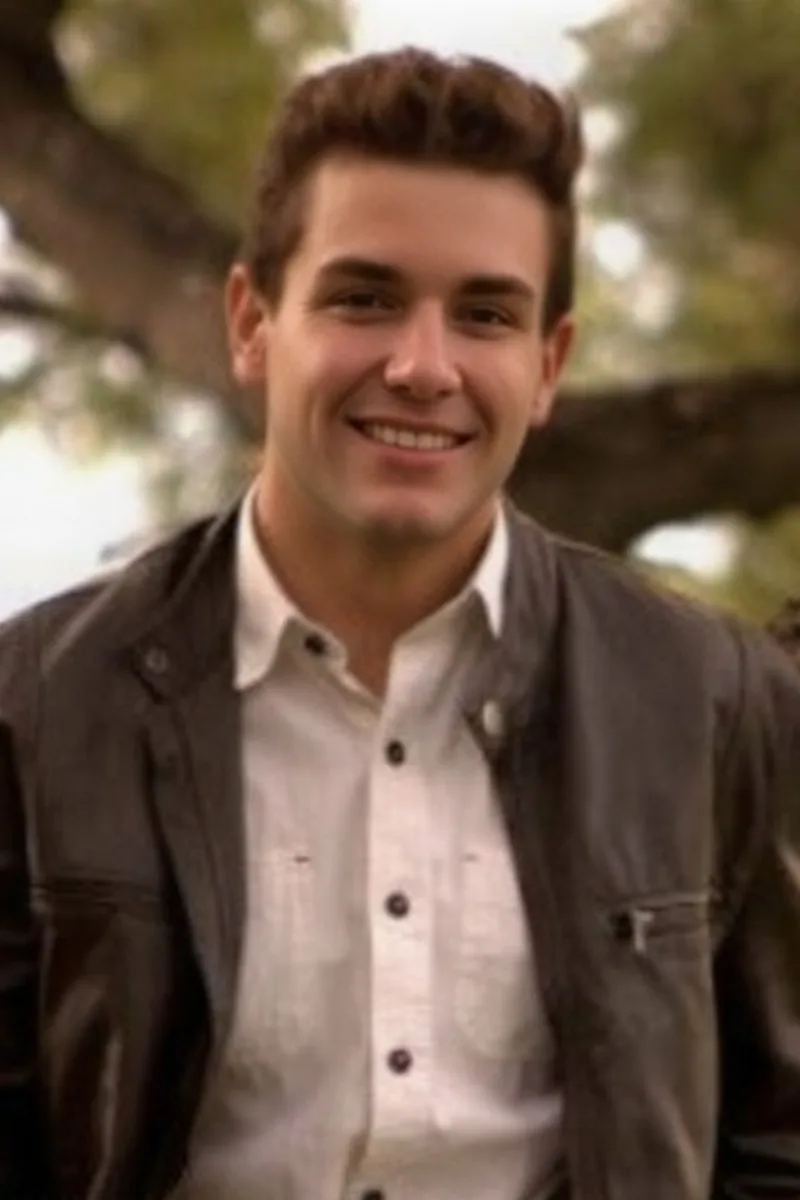
Milan's CS degree means he can teach high school programming concepts — variables, control flow, object-oriented basics — with a real understanding of what's happening under the hood, not just pattern-matching syntax from a textbook. His English double major also sharpens how he explains things: he's practiced at making technical ideas readable and clear, which matters when a student is staring at a block of code that makes no sense yet.
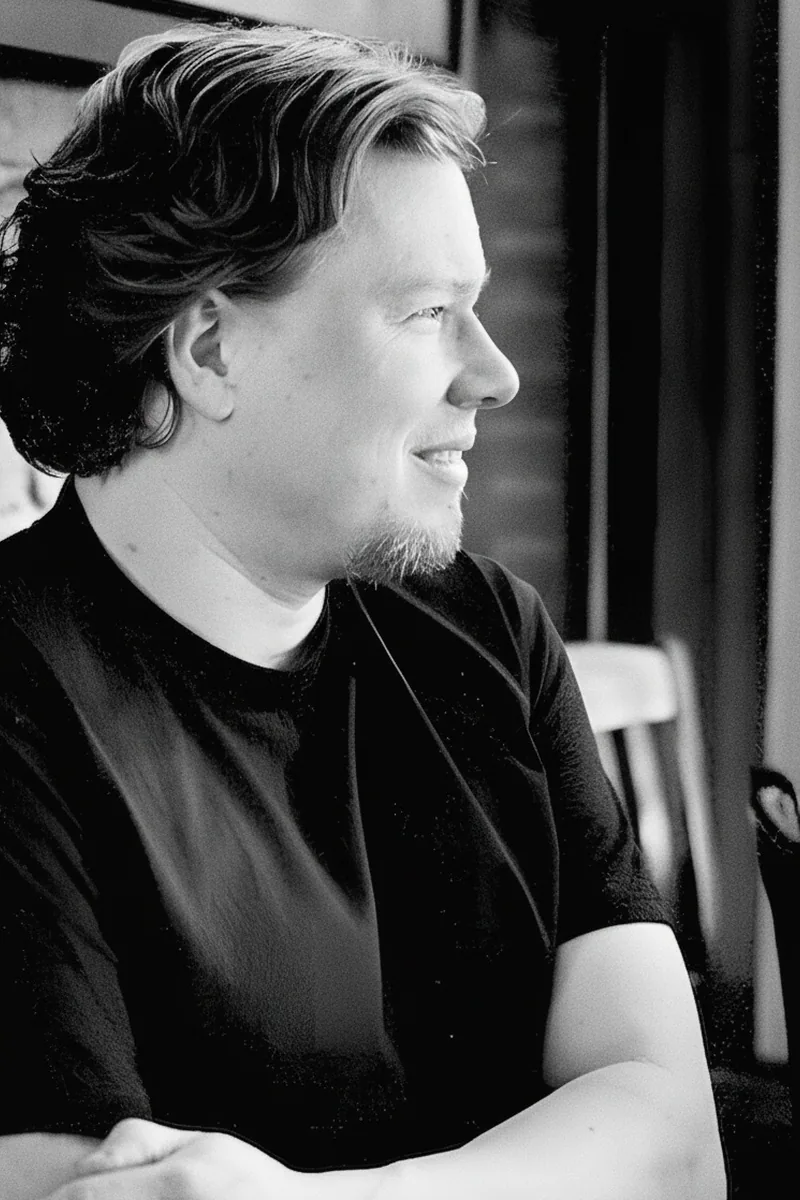
The jump from "using computers" to "thinking computationally" trips up a lot of high schoolers, especially when loops and conditionals first appear. Dennis breaks programming logic into small, testable pieces so students build confidence writing their own code instead of copying examples. He holds a 5.0 client rating.
The jump from using a computer to thinking computationally is where most high school CS students struggle. Sarah's training in physics and math gave her deep practice in the kind of logical decomposition that makes loops, conditionals, and basic data structures click rather than feel arbitrary.
Getting through high school CS often means wrestling with your first real programming concepts — loops, conditionals, arrays, recursion — without much intuition for why they work. Florence, a Duke CS major and three-time teaching assistant, unpacks these ideas by connecting abstract logic to tangible examples, building the kind of problem-solving instincts that carry into AP Computer Science and beyond.
High school CS courses often jump from basic print statements to complex topics like arrays, sorting algorithms, and object-oriented design without enough scaffolding in between. Ryan bridges those gaps by connecting each new concept to code students can actually run and modify themselves. His experience with Java, Python, and AP Computer Science A means he can match his explanations to whatever language or curriculum a student is working in.
High school CS often moves fast from basic control flow to more intimidating topics like recursion, sorting algorithms, and array manipulation. Ignacio breaks these down using Java and Python examples that build intuition step by step, drawing on both his UChicago training and his current graduate-level CS work at DePaul.
Most high school CS courses move fast — one week it's loops and conditionals, the next it's arrays and sorting algorithms. Andrew slows down at exactly the spots where students get lost, connecting each new concept back to something concrete so the logic builds instead of piling up. His background covers the full introductory CS curriculum and beyond.
I am currently a senior at Emory University studying chemistry and applied math with a focus on inorganic chemistry. I will be available to tutor algebra, trigonometry, algebra 2, biology, chemistry, calculus, geometry, pre- calculus, and ACT prep. I started tutoring in high school and continued tutoring at Emory where I tutored general chemistry, introductory biology, and calculus for two years. Apart from academic tutoring, I am also involved in Project SHINE which teaches English to recent Atlanta immigrants. I believe that education (no matter what kind) is crucial in life, but I also strive to emphasize why something is important. In my experience, most students struggle with something because they don't understand exactly why it is important or simply do not care. I am heavily involved in academic research at Emory so I am able to help a student understand exactly why a specific subject area is important and how it is continuously applied both in the lab and in the real world to improve our lives. It's always easier to see the physical and practical applications of a subject than try to visualize its importance on paper. In my spare time I enjoy chemistry, ancient Roman history, jam bands, running, cycling, and scuba diving.
Getting comfortable with loops, conditionals, and functions early makes every future CS course easier — and Justin explains these building blocks by tying them to problems students can visualize, like simulating physics or processing data. His background spans physics, applied math, and programming, so he can show high schoolers why the code they're writing actually matters beyond the assignment.
High school CS courses often move fast from basic control flow to more complex topics like arrays, sorting algorithms, and introductory object-oriented programming. Noah's computer science degree from Duke means he can explain why a for-loop works the way it does, not just show the syntax. He adjusts his explanations based on whether a student thinks visually, logically, or learns best by building small projects.
Sasha's computer engineering degree means she can teach high school CS concepts — loops, conditionals, arrays, object-oriented design — with the depth of someone who kept using them professionally, not just someone who passed the class. She connects abstract ideas like recursion and sorting algorithms to tangible engineering problems so they actually stick.
Computational engineering at UT Austin means Atharva lives at the intersection of coding and problem-solving every day — from data structures and algorithms to logic design and basic hardware concepts. He breaks down abstract CS ideas like recursion, sorting, and object-oriented thinking into concrete examples students can trace through line by line. Rated 5.0 by students.
That first encounter with loops, conditionals, and functions can feel overwhelming — but it clicks once someone explains the logic underneath the syntax. Thomas is pursuing a Computer Science degree at Carleton and walks students through programming fundamentals by connecting each concept to a concrete problem they can solve and test themselves.
High school CS can feel overwhelming when you're seeing loops, conditionals, and data structures for the first time — Milo breaks each concept down using real coding examples rather than abstract diagrams. He earned his bachelor's in computer science from UMass Amherst and spent three years tutoring in the university's tutoring center, so he knows exactly where beginners get stuck. Rated 5.0 by students.
The jump from "I can write a for-loop" to "I understand why this algorithm is efficient" is where most high school CS students get stuck. Jack bridges that gap by connecting introductory programming concepts — conditionals, arrays, functions — to the deeper logic underneath, drawing on his own CS studies at UNC Chapel Hill.
Testimonials
Because the right High School Computer Science tutor makes all the difference.
Average Session Rating – Based on 3.4M Learner Ratings
Nearby High School Computer Science Tutors
Other Concord Tutors
Related Technology and Coding Tutors in Concord
Frequently Asked Questions
Your first session is all about understanding where you're at. A tutor will review your current coursework, discuss specific challenges you're facing (whether that's debugging, understanding loops, or grasping object-oriented concepts), and learn about your goals—whether you're aiming for a strong grade, preparing for AP Computer Science, or exploring a particular area like web development. From there, you'll build a personalized plan that targets your needs and learning style.
Debugging is one of the most valuable skills a tutor can help you develop. Rather than just fixing errors, tutors teach you how to read error messages, use debugging tools, and think through your code logically to find problems yourself. This approach builds real problem-solving skills that transfer across all programming languages and projects, making you a stronger coder overall.
Syntax is the specific rules of a programming language (like how to write a for loop in Python), while logic is the thinking process behind solving problems algorithmically. Both matter, but logic is what transfers between languages. A tutor helps you master both by teaching you how to break down problems, design solutions, and then express them in code—so you're not just memorizing syntax, but truly understanding how to think like a programmer.
Absolutely. Personalized tutoring is perfect for hands-on project work because a tutor can guide you through the entire process—from planning your app or game, to writing and reviewing your code, to troubleshooting when things don't work. This real-world practice with immediate feedback accelerates your learning far more than working alone, and you'll build a portfolio of actual projects you can be proud of.
Data structures (arrays, linked lists, trees, hash tables) are abstract concepts that click better with explanation and visualization. A tutor can walk you through how data is organized in memory, show you why you'd choose one structure over another, and have you practice implementing them—turning something that feels theoretical into something concrete. With hands-on practice and personalized explanations, data structures become a tool you understand rather than a concept you memorize.
A tutor can help you explore different areas and see what resonates. If you're interested in web development, they might guide you through building a website; for game dev, you could work on a small game project; for data science, you'd practice analyzing datasets. By trying these paths with expert guidance, you'll discover what excites you and build skills in the direction you want to go, rather than just following a generic curriculum.
Yes. AP Computer Science A focuses on Java programming and algorithm design, while AP Computer Science Principles covers broader computing concepts. A tutor can target the specific exam format, help you master the coding patterns that appear on the test, review practice problems, and build your confidence with timed practice exams. Personalized prep is especially helpful because tutors can focus on your weak areas rather than reviewing concepts you already know.
Varsity Tutors connects you with expert tutors in the Concord area who specialize in high school computer science. You can describe your goals and challenges, and you'll be matched with a tutor whose expertise fits your needs—whether that's general CS support, exam prep, or help with a specific language or project. The matching process ensures you get personalized instruction that works for your learning style.
Let’s find your perfect tutor
Answer a few quick questions. We’ll recommend the right plan and match you with a top 5% tutor.