Award-Winning High School Computer Science Tutors
serving San Jose, CA
Award-Winning
High School Computer Science
Tutors in San Jose
Private 1-on-1 tutoring, weekly live classes for academic support, test prep & enrichment, practice tests and diagnostics, and more to elevate grades and test scores.
Based on 3.4M Learner Ratings
UniversitiesSchools & Universities
DeliveredHours Delivered
ProficiencyGrowth in Proficiency
Who needs tutoring?
No obligation. Takes ~1 minute.
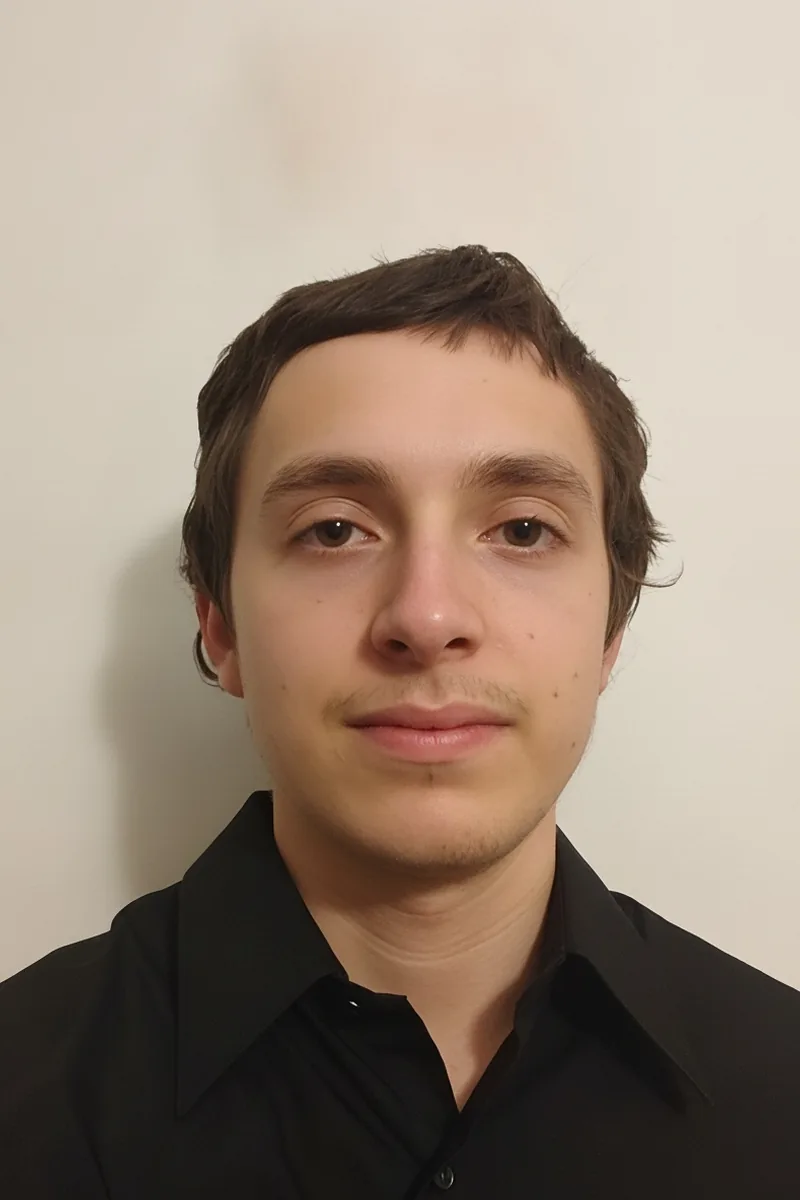
Getting comfortable with loops, conditionals, and functions early makes every future CS course easier — and Justin explains these building blocks by tying them to problems students can visualize, like simulating physics or processing data. His background spans physics, applied math, and programming, so he can show high schoolers why the code they're writing actually matters beyond the assignment.
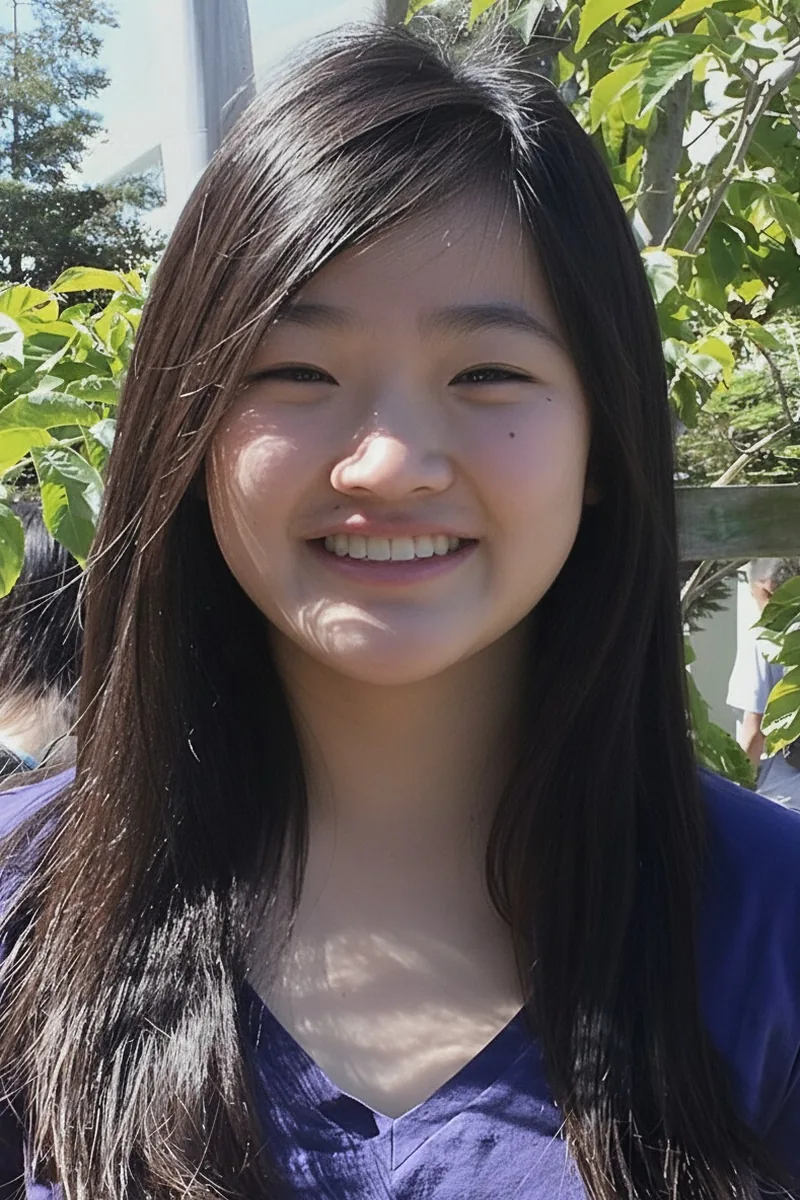
Philosophy trains you to break complex arguments into precise logical steps — which turns out to be exactly what high school CS demands when students hit Boolean logic, nested conditionals, and algorithm design. Julie applies that structured reasoning to programming concepts, teaching students to think through what their code should do before they start typing. Her statistics and machine learning certificate at Princeton means she's no stranger to writing and debugging code herself.
That first real CS course can feel overwhelming when you're simultaneously learning to think algorithmically and wrestle with syntax errors. Kevin takes topics like loops, arrays, sorting algorithms, and basic object-oriented design and ties each one to a tangible problem so the logic sticks before the code gets more complex. His 5.0 rating speaks to how well that approach lands with students.
Between AP Computer Science A prep and general programming fundamentals, Clive covers the full scope of what high school CS courses demand — from writing clean loops and conditionals to understanding recursion and sorting algorithms. He codes in multiple languages and adapts explanations to whatever environment a student's class uses. His approach is to build each concept through small, testable programs so students can see results immediately.
For students encountering loops, conditionals, and arrays for the first time, the leap from "I followed the example" to "I can solve a new problem" is the hardest part. Anna bridges that gap by teaching structured problem decomposition — breaking a coding challenge into smaller logical steps before writing a single line. Her background spans multiple programming languages, so she adapts explanations to whatever language the course uses.
Getting through high school CS often means wrestling with your first real programming concepts — loops, conditionals, arrays, recursion — without much intuition for why they work. Florence, a Duke CS major and three-time teaching assistant, unpacks these ideas by connecting abstract logic to tangible examples, building the kind of problem-solving instincts that carry into AP Computer Science and beyond.
A lot of high school CS courses move fast from basic loops and conditionals into AP-level topics like recursion and array manipulation. Rhamy breaks each concept into small, buildable steps — writing actual programs rather than just reading pseudocode — so the logic sticks before the syntax piles up.
That first encounter with loops, conditionals, and functions can feel overwhelming when everything is new vocabulary. Allison breaks programming logic into small, testable pieces — write three lines, run them, see what happens — so students build intuition for debugging and problem decomposition before projects get complex. Rated 4.9 by students.
Robotics competitions and hackathons have given June a hands-on fluency with programming that translates directly to high school CS topics like loops, conditionals, data structures, and algorithm design. As an electrical engineering student at Brown, she writes code that has to actually run on hardware — so she's used to debugging methodically and explaining why a program behaves the way it does.
AP Computer Science and introductory programming courses often trip students up at the same points — loop logic, array manipulation, and understanding how methods pass data around. Michael's UCLA computer science background means he can trace through code line by line and show exactly where a student's reasoning diverges from what the machine actually does. That debugging-oriented approach builds real problem-solving instincts.
The jump from writing your first loop to actually thinking like a programmer is where most high schoolers get stuck — and it's exactly where Brice thrives. He breaks down concepts like conditionals, arrays, and basic algorithm design by connecting them to projects students actually want to build. His CS coursework at MIT keeps him sharp on both fundamentals and where the field is heading.
A Princeton postdoctoral researcher in machine learning, Firas brings PhD-level computer science depth to high school topics that often get taught superficially — things like how recursion actually works under the hood, or why an O(n²) sort matters even in an intro course. He teaches Python, Java, and JavaScript across his tutoring practice, so he can match whatever language a student's class uses and still keep the focus on the conceptual reasoning underneath. Rated 5.0 by students.
Testimonials
Because the right High School Computer Science tutor makes all the difference.
Average Session Rating – Based on 3.4M Learner Ratings
Nearby High School Computer Science Tutors
Other San Jose Tutors
Related Technology and Coding Tutors in San Jose
Frequently Asked Questions
High school computer science courses in San Jose generally progress from foundational programming concepts to more advanced topics. Students typically start with programming logic and syntax (often using languages like Python or Java), then move into data structures, algorithms, object-oriented programming, and sometimes web development or game design. Many San Jose schools also incorporate AP Computer Science Principles or AP Computer Science A, which emphasize both coding skills and computational thinking.
Many students struggle with the transition from understanding programming logic conceptually to implementing it in actual code—syntax errors and debugging can feel overwhelming at first. Another major challenge is algorithmic thinking: students may write code that works for one test case but fails to handle edge cases or scale efficiently. Additionally, students often find it difficult to break down complex problems into smaller, manageable steps, which is essential for building larger projects.
Personalized 1-on-1 instruction allows tutors to provide real-time code review and debugging guidance tailored to your specific mistakes—something that's hard to get in a classroom setting. Tutors can help you develop problem-solving strategies, walk through algorithmic thinking step-by-step, and give you hands-on practice with projects that match your learning pace and interests. This targeted feedback accelerates your understanding of both syntax and the deeper computational concepts that make programming click.
Absolutely. Varsity Tutors connects you with tutors who can tailor instruction to your specific interests, whether that's web development (HTML, CSS, JavaScript), game design (using engines like Unity), data science, or other specializations. A tutor can help you build real projects in your area of interest while reinforcing core computer science fundamentals, making the learning feel more relevant and motivating.
Your first session is typically an assessment and planning meeting. The tutor will ask about your current experience level, what you're working on in class, and where you're struggling most—whether that's understanding loops, debugging errors, or grasping object-oriented concepts. From there, you'll work together to create a plan that addresses your specific gaps and goals, whether you're preparing for an AP exam, catching up, or diving deeper into a particular programming language or application area.
Debugging is a critical skill that many students learn through trial-and-error alone. A tutor can teach you systematic debugging strategies—like reading error messages carefully, using print statements or debuggers effectively, and thinking through your code logic step-by-step. Rather than just telling you the answer, tutors help you develop the problem-solving mindset to identify where your code went wrong and why, so you can fix similar issues independently in the future.
Yes. Tutors can help you master both AP Computer Science Principles (which focuses on broader computational thinking and digital citizenship) and AP Computer Science A (which emphasizes Java programming and algorithms). They can review practice problems, help you understand tricky concepts like recursion or inheritance, and give you targeted practice on the types of questions that appear on the exam—all personalized to your learning pace.
Getting started is straightforward—tell Varsity Tutors about your computer science needs, your current level, and what you're working on in class. You'll be matched with an expert tutor who has experience teaching high school computer science and can work with your schedule. From there, you can begin personalized sessions focused on the specific concepts and projects where you need the most help.
Let’s find your perfect tutor
Answer a few quick questions. We’ll recommend the right plan and match you with a top 5% tutor.