Award-Winning AP Spanish Language & Culture Tutors
serving Concord, CA
AP Spanish Language & Culture
Tutors in Concord
Private 1-on-1 tutoring, weekly live classes for academic support, test prep & enrichment, practice tests and diagnostics, and more to elevate grades and test scores.
Based on 3.4M Learner Ratings
UniversitiesSchools & Universities
DeliveredHours Delivered
ProficiencyGrowth in Proficiency
Who needs tutoring?
No obligation. Takes ~1 minute.
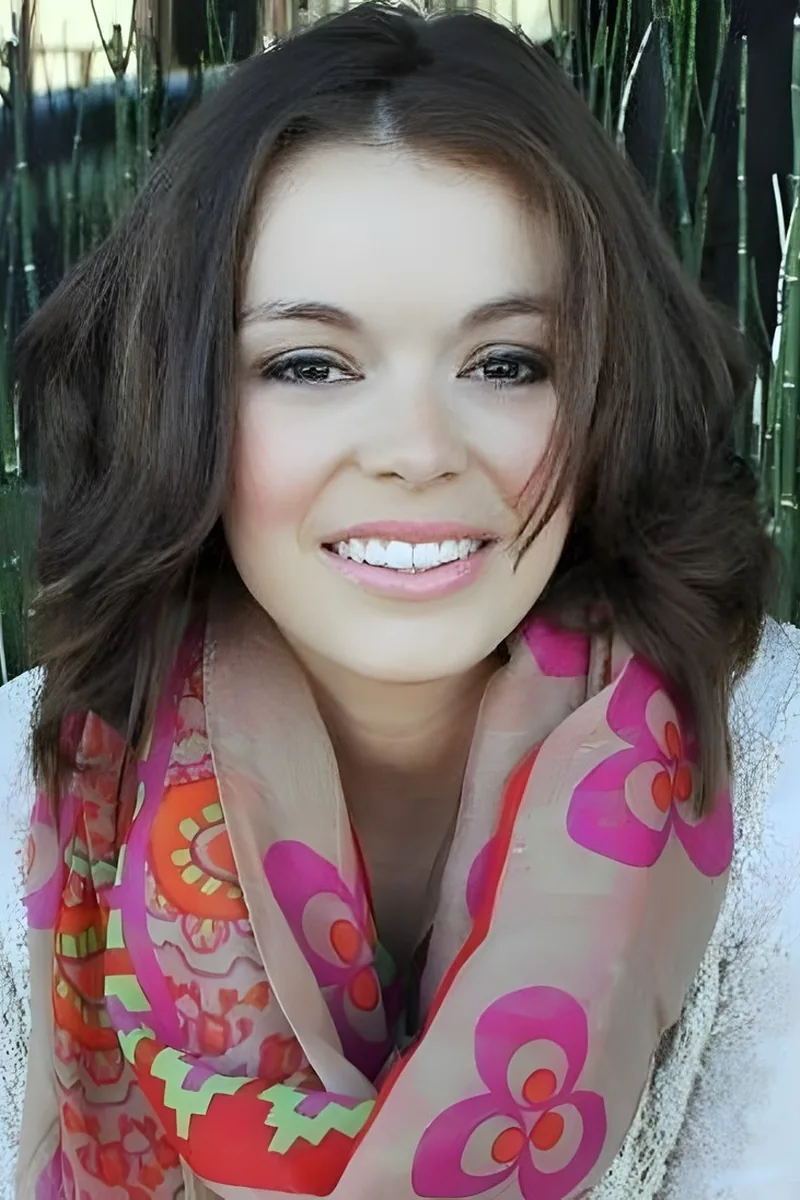
Between teaching Spanish 1 through 4, conversational Spanish, and both SAT Spanish Subject Tests, Linda has logged serious hours across every level of the language — which means she can quickly spot whether an AP student's weak point is a shaky subjunctive foundation or an inability to shift into formal written register under timed conditions. Her graduate work in education at USC's Rossier School sharpens how she structures exam prep, particularly for the persuasive essay task where students need to synthesize Spanish-language sources into a cohesive argument fast.
Milan's double major in Computer Science and English might seem unrelated to Spanish, but teaching across six Spanish levels — from Spanish 1 through AP — means he knows exactly which grammar gaps trip students up on timed free-response tasks. His English background sharpens how he coaches the persuasive essay's argument structure, while his conversational Spanish teaching keeps the interpersonal speaking prep grounded in real communication rather than rehearsed scripts.
Having earned a BA in Spanish and studied the language at an advanced academic level, Steven knows exactly where the AP Spanish Language & Culture exam tries to trip students up — from interpreting audio sources in the interpersonal speaking task to weaving cultural comparisons into the presentational essay. He teaches students to think in Spanish rather than mentally translating from English, which is the single biggest factor in scoring well on timed prompts.
Born in Bolivia and fluent in Spanish from childhood, Geraldine brings native-level command to the AP Spanish Language & Culture exam's trickiest components: the persuasive essay, the cultural comparison, and the simulated conversation. She drills students on transitional phrases, formal register, and the specific cultural knowledge the College Board expects. Her familiarity with Latin American customs and idioms gives students an authentic reference point beyond the textbook.
Tackling AP Spanish Language & Culture means producing polished interpersonal and presentational writing under timed conditions. Lillian breaks down the persuasive essay and email reply tasks by drilling subjunctive triggers, transition phrases, and the cultural comparison framework the rubric specifically rewards.
Hillel's geology research on Antarctic ice sheet dynamics — conducted partly through Spanish-language scientific literature — gives him a practical connection to the formal register and academic vocabulary the AP exam's persuasive essay demands. He also teaches conversational Spanish and Hebrew, so he's comfortable switching between languages and coaching students through the interpersonal speaking tasks where real-time fluency matters most. Rated 5.0 by students.
Iselee earned her bachelor's degree in Spanish from Loyola Marymount University, which means the AP exam's demand for formal written register and nuanced cultural knowledge sits squarely in her academic wheelhouse. Her current graduate work in digital communication adds a layer of rhetorical awareness — understanding how audiences process arguments — that she applies to coaching the timed persuasive essay, where students must synthesize Spanish-language sources into a coherent, register-appropriate response. Rated 4.8 by students.
Between engineering coursework at Cornell and watching Russian news to stay sharp in her third language, Daria keeps her Spanish active by treating it as another system to master — grammar patterns, listening comprehension, and cultural context all get the same analytical rigor. She teaches both Spanish 1 and Spanish 2 alongside AP prep, so she knows exactly which foundational gaps trip students up on the exam's interpretive and presentational tasks. Rated 5.0 by students.
Molly holds degrees in Spanish from Columbia University, which gives her the academic grounding in grammar, composition, and literary analysis that AP Spanish Language & Culture's written and spoken tasks demand. Her classroom teaching experience across multiple grade levels means she quickly spots the structural weaknesses — verb tense confusion, weak transitions, underdeveloped cultural comparisons — that keep students from reaching a 4 or 5. Rated 5.0 by students.
Planning to minor in Spanish and study abroad in Madrid, Ryan brings real investment in the language to AP Spanish prep. He zeroes in on the presentational and interpersonal speaking tasks that tend to cost students the most points, drilling strategies for organizing spontaneous responses and weaving in cultural comparisons on the fly.
Alex's chemical engineering and anthropology degrees from Washington and Lee make an unexpectedly useful pairing for AP Spanish — the engineering side builds systematic thinking about grammar structures like subjunctive triggers and pronoun placement, while the anthropology training sharpens the cultural analysis the exam's free-response prompts demand. He teaches Spanish 3 and 4, so he's already comfortable working at the level of complexity the AP exam expects in timed persuasive essays and spoken responses. Rated 4.8 by students.
This isn't Katie's core subject — her degrees are in biomedical and biological engineering from Cornell, and her teaching load leans heavily toward STEM, history, and English. That said, her engineering training built the kind of systematic, pattern-based thinking that can help break down Spanish grammar structures and exam strategies for students who need a more analytical approach to language learning.
Having completed a Spanish major alongside neurobiology, Chris brings genuine bilingual fluency to AP Spanish Language & Culture prep. He tackles the interpersonal and presentational speaking tasks by drilling students on transitional phrases, register shifts, and cultural references that earn top scores. His approach to the audio-source synthesis essay is especially detailed, breaking down how to integrate listening material on the fly.
Speaking five languages — Gujarati, Hindi, Spanish, Arabic, and French — gives Sahar an intuitive grasp of how Spanish grammar and idiomatic expression actually work in conversation, not just on paper. She digs into the interpersonal and presentational communication modes the AP exam tests, from crafting persuasive essays with proper subjunctive usage to navigating audio sources on cultural topics. Rated 5.0 by students.
Joshua teaches Spanish from level 1 through AP and pairs that with four levels of Latin, so he's used to thinking about how Romance languages borrow structures from their classical roots — a perspective that sharpens his explanations of tricky Spanish grammar like subjunctive triggers and conditional sequences. His 1600 SAT reflects the kind of precise reading and analytical writing skills that translate directly to the AP exam's source-synthesis and persuasive essay tasks.
Testimonials
Because the right AP Spanish Language & Culture tutor makes all the difference.
Average Session Rating – Based on 3.4M Learner Ratings
Nearby AP Spanish Language & Culture Tutors
Other Concord Tutors
Related Languages Tutors in Concord
Frequently Asked Questions
The AP Spanish Language & Culture exam tests your ability to communicate in Spanish across three modes: interpersonal (conversations), interpretive (reading and listening), and presentational (speaking and writing). The exam includes multiple-choice sections on reading and listening comprehension, a free-response section with email writing and persuasive essay tasks, and a speaking portion with conversation and cultural presentation components. Success requires not just grammar knowledge, but fluency in real-world communication and cultural understanding.
Score improvement depends on your starting point and commitment level, but personalized 1-on-1 instruction typically helps students identify and close specific gaps—whether that's listening comprehension, essay structure, or conversational fluency. Many students see meaningful gains by focusing on their weakest sections first, practicing with released exam materials, and getting targeted feedback on speaking and writing. A tutor can help you move from inconsistent performance to confident mastery across all exam sections.
The speaking section intimidates many students—you must respond naturally to prompts without preparation time, which requires both fluency and confidence. The listening comprehension section moves quickly, so students often struggle to process accents, regional variations, and fast speech. Additionally, the free-response writing tasks require specific formatting and persuasive techniques that differ from classroom essays. Tutors can help you practice timed speaking responses, build listening stamina with varied audio sources, and master the essay rubric requirements.
Most students benefit from 3-6 months of focused preparation, though this varies based on your current proficiency level. If you're already conversational, you might focus on exam-specific skills for 12-16 weeks. If you're building foundational fluency, starting earlier gives you time to develop listening and speaking comfort. A tutor can assess your level and create a realistic timeline, helping you prioritize high-impact practice like timed essays, conversation simulations, and listening drills over busywork.
Practice tests are essential for understanding the exam's format, pacing, and question types—especially for the multiple-choice sections where timing is critical. However, AP Spanish also requires live practice: speaking with a tutor simulates the actual speaking section better than any written test can. A balanced approach uses released exam materials for timed practice, but combines that with conversational practice, essay feedback, and listening to authentic Spanish audio to build real fluency.
Look for tutors who are native or near-native Spanish speakers with deep knowledge of the AP exam format and scoring rubrics. Ideally, they have experience teaching or tutoring AP Spanish specifically, understand regional variations in Spanish, and can provide constructive feedback on speaking and writing. Varsity Tutors connects you with expert tutors in Concord who understand both the curriculum and the exam's unique demands, ensuring you get guidance from someone who knows what test graders are looking for.
Your first session typically includes an assessment of your current proficiency level across speaking, listening, reading, and writing—this helps identify your strongest areas and biggest gaps. Your tutor will discuss your goals, timeline, and any specific concerns (like test anxiety or the speaking section). From there, you'll develop a personalized study plan focused on the sections where you need the most help, whether that's building conversational confidence or mastering essay structure.
Test anxiety often stems from unfamiliarity with the exam format or lack of confidence in your skills. Regular practice with timed sections and simulated speaking responses builds confidence through repetition. A tutor can help you develop a pre-exam routine, teach you how to approach difficult questions strategically, and provide honest feedback that shows you're actually prepared. Knowing what to expect and having practiced under realistic conditions significantly reduces anxiety on test day.
Let’s find your perfect tutor
Answer a few quick questions. We’ll recommend the right plan and match you with a top 5% tutor.