Award-Winning AP Spanish Language & Culture Tutors
serving Mission Viejo, CA
AP Spanish Language & Culture
Tutors in Mission Viejo
Private 1-on-1 tutoring, weekly live classes for academic support, test prep & enrichment, practice tests and diagnostics, and more to elevate grades and test scores.
Based on 3.4M Learner Ratings
UniversitiesSchools & Universities
DeliveredHours Delivered
ProficiencyGrowth in Proficiency
Who needs tutoring?
No obligation. Takes ~1 minute.

Between teaching Spanish 1 through 4, conversational Spanish, and both SAT Spanish Subject Tests, Linda has logged serious hours across every level of the language — which means she can quickly spot whether an AP student's weak point is a shaky subjunctive foundation or an inability to shift into formal written register under timed conditions. Her graduate work in education at USC's Rossier School sharpens how she structures exam prep, particularly for the persuasive essay task where students need to synthesize Spanish-language sources into a cohesive argument fast.
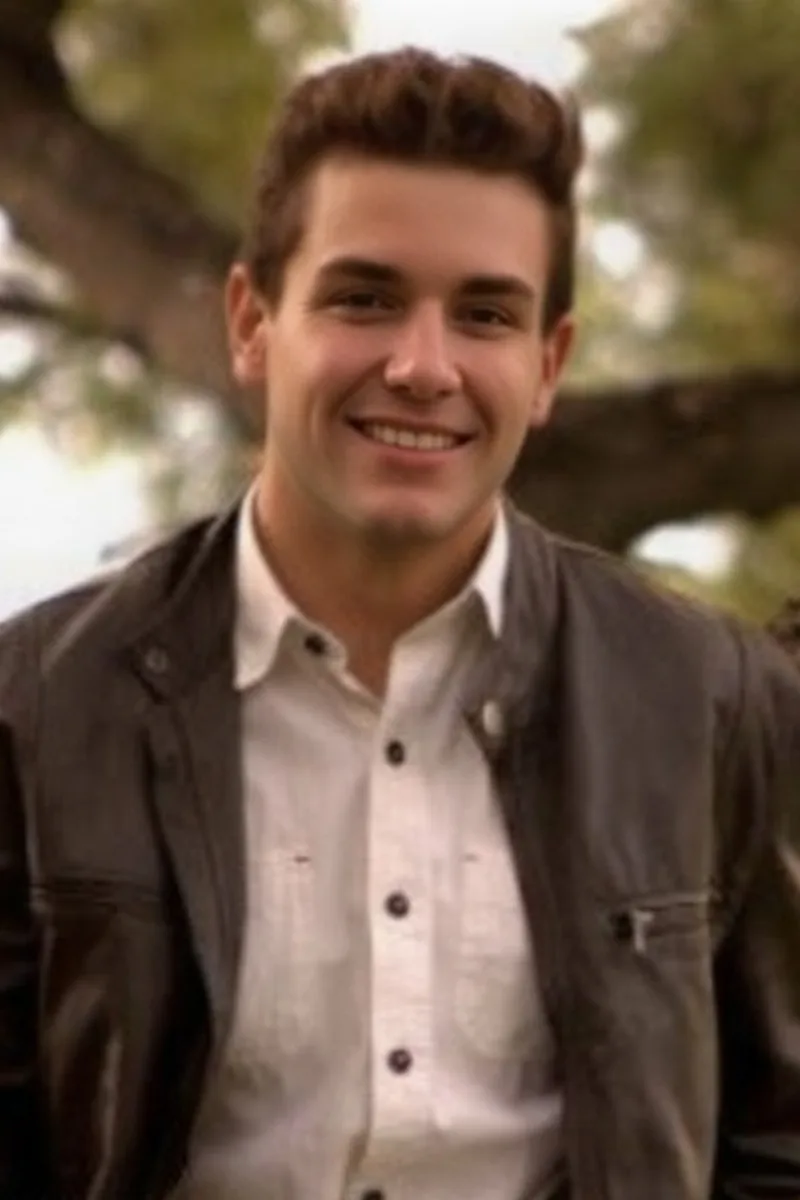
Milan's double major in Computer Science and English might seem unrelated to Spanish, but teaching across six Spanish levels — from Spanish 1 through AP — means he knows exactly which grammar gaps trip students up on timed free-response tasks. His English background sharpens how he coaches the persuasive essay's argument structure, while his conversational Spanish teaching keeps the interpersonal speaking prep grounded in real communication rather than rehearsed scripts.
Having earned a BA in Spanish and studied the language at an advanced academic level, Steven knows exactly where the AP Spanish Language & Culture exam tries to trip students up — from interpreting audio sources in the interpersonal speaking task to weaving cultural comparisons into the presentational essay. He teaches students to think in Spanish rather than mentally translating from English, which is the single biggest factor in scoring well on timed prompts.
Amy's PhD in Spanish Linguistics means she doesn't just know the language — she's studied how it works at the structural level, from phonological patterns to syntactic variation across dialects. That depth shows up most in the exam's interpretive listening section, where recognizing regional pronunciation shifts and parsing rapid connected speech separates students who truly comprehend from those guessing at context. She also teaches every Spanish level from 1 through AP, so she can quickly identify which grammatical gaps need closing before a student tackles timed writing in formal register.
The AP Spanish Language & Culture exam demands more than vocabulary — it requires constructing persuasive arguments in Spanish and interpreting authentic audio sources on the fly. Isabelle's multilingual background and experience as a private language tutor abroad give her practical fluency in coaching students through the interpersonal speaking tasks and cultural comparison essays that determine exam scores.
While Spanish isn't Vivian's primary teaching area, her extensive experience with standardized test prep and essay writing transfers directly to the AP Spanish Language exam's presentational writing and interpersonal communication tasks. She brings a structured, strategy-first approach to tackling the exam's source-comparison essays and audio-response prompts.
Growing up speaking French, Haitian Creole, and English before learning Spanish and Italian academically, Muriel understands from the inside how multilingual thinkers process a new language's grammar, idioms, and register shifts — the exact skills the AP exam's persuasive essay and interpersonal speaking tasks test under pressure. Her BA in Spanish and Italian Literature means she reads and writes in formal academic Spanish, not just conversational Spanish, which is the register gap that trips up most AP students on exam day.
Earning a strong score on AP Spanish Language & Culture means toggling between interpersonal conversation, presentational writing, and audio-source synthesis — often in the same exam sitting. Sarah's Spanish major and her background in international education give her native-level command of the language and a clear method for tackling the cultural comparison essay, which is where most students lose points.
Scoring well on the AP Spanish Language exam means toggling fluently between reading comprehension, audio interpretation, and spontaneous spoken responses — skills that require more than grammar drills. Patrick builds students' confidence in each mode of communication by practicing with authentic sources like news articles, podcasts, and cultural essays, sharpening both accuracy and the natural flow that AP graders reward.
Growing up bilingual with dual US-Chilean citizenship, Camilla didn't just learn Spanish at home — she pursued it academically through advanced language and literature coursework. For AP Spanish Language & Culture, she tackles the presentational writing and interpersonal speaking tasks by grounding students in the cultural contexts that make their responses authentic and nuanced.
This isn't Marvin's core subject — his University of Chicago economics degree and current elementary teaching work sit outside the language space. That said, he's listed for AP Spanish Language & Culture alongside broader test prep and study skills, so he can support students on the structural side: organizing persuasive essay outlines, building timed-response strategies, and strengthening the analytical habits the cultural comparison task rewards.
Pursuing a language citation in Spanish at Harvard while studying African American Studies, Gabriela tackles the AP exam's cultural comparison task with a cross-cultural analytical instinct baked into her daily coursework. She teaches Spanish from level 1 through 4 and conversational Spanish, so she can zero in on whether a student needs to shore up subjunctive mechanics or sharpen their ability to construct a timed persuasive essay in formal register. Rated 5.0 by students.
Richard earned the highest scores on the AP Spanish exam with listening after double-majoring in Spanish at Emory and studying in Spain. He tackles the presentational writing and interpersonal speaking tasks by drilling the idiomatic expressions, subjunctive constructions, and cultural references that push students from competent into the 4–5 scoring range.
Nicole's linguistics degree means she understands how languages work as systems — the morphology, syntax, and pragmatics underneath Spanish that most tutors teach purely by repetition. She applies that structural knowledge to the AP exam's trickiest moments, like shifting between informal and formal register mid-task or decoding rapid authentic audio in the interpretive listening section. Her Italian heritage and fluency in multiple Romance languages sharpen her ear for the cognate traps and dialectal variations the exam loves to test.
A year as an exchange student at the University of Puerto Rico — taking courses in Spanish linguistics, business Spanish, and constitutional law entirely in Spanish — gave Chiquita the kind of immersive academic fluency that the AP exam's timed persuasive essay and presentational speaking tasks demand. She later earned a graduate certificate in Spanish Interpretation and Translation from UCLA, training that sharpened her ability to move between registers and process Spanish at speed, which is exactly what the interpretive listening section requires. Rated 5.0 by students.
Testimonials
Because the right AP Spanish Language & Culture tutor makes all the difference.
Average Session Rating – Based on 3.4M Learner Ratings
Nearby AP Spanish Language & Culture Tutors
Other Mission Viejo Tutors
Related Languages Tutors in Mission Viejo
Frequently Asked Questions
The AP Spanish Language & Culture exam tests your ability to communicate in Spanish across three modes: interpersonal (conversations), interpretive (reading and listening comprehension), and presentational (speaking and writing). The exam includes multiple-choice sections on reading and listening, plus free-response sections where you'll write emails, give presentations, and participate in conversations. Success requires both strong language skills and cultural understanding of Spanish-speaking communities.
The exam is divided into two sections totaling about 3 hours. The multiple-choice section (reading and listening) takes roughly 1 hour 35 minutes, while the free-response section (writing and speaking) takes about 1 hour 25 minutes. Each section is weighted equally toward your final score. Pacing is critical—many students struggle with time management during the speaking portion, where you have limited time to record responses.
Students typically struggle most with the listening comprehension section, which moves quickly and covers various accents and speech patterns. The free-response speaking tasks also challenge many students because they require spontaneous, fluent responses with limited preparation time. Additionally, understanding cultural nuances and producing error-free written Spanish under pressure are common pain points. Targeted practice with authentic Spanish media and timed mock exams helps address these specific challenges.
Personalized 1-on-1 instruction is particularly effective for language learning because tutors can target your specific weak areas—whether that's listening comprehension, grammar accuracy, or cultural knowledge—and adjust pacing to match your learning style. Research on language acquisition shows that focused, interactive practice significantly accelerates proficiency. Many students see meaningful score improvements when they work with expert tutors on test-taking strategies, authentic practice materials, and real-time feedback on their speaking and writing.
Ideally, you should begin focused exam preparation 3-4 months before the test date, though this depends on your current Spanish proficiency level. If you're starting from a lower level, beginning earlier gives you time to build foundational language skills before tackling test-specific strategies. Many students benefit from combining ongoing classroom instruction with tutoring sessions focused specifically on exam format, time management, and high-yield practice materials.
Your first session is typically an assessment and planning meeting. A tutor will evaluate your current Spanish proficiency, identify your strongest and weakest areas (listening, speaking, writing, cultural knowledge), and understand your target score. From there, you'll develop a personalized study plan that prioritizes the skills and content areas where you'll gain the most points. This tailored approach ensures your tutoring time is spent on what matters most for your score.
The College Board's official AP Spanish Language & Culture exam materials and past exams are essential—they show you exactly what to expect. Beyond that, authentic Spanish media like news broadcasts, podcasts, films, and literature help you build listening and cultural comprehension skills. Expert tutors can guide you toward high-quality resources and help you practice under timed conditions that mirror the actual exam, which is crucial for building both accuracy and speed.
Varsity Tutors connects you with expert tutors who specialize in AP Spanish Language & Culture and understand the specific demands of the exam. You can share your goals, timeline, and learning preferences, and we'll match you with a tutor who fits your needs. Whether you're looking to build foundational language skills or refine test-taking strategies in your final weeks before the exam, personalized instruction is available to fit your schedule.
Let’s find your perfect tutor
Answer a few quick questions. We’ll recommend the right plan and match you with a top 5% tutor.