Award-Winning Essay Editing Tutors
serving Phoenix, AZ
Essay Editing
Tutors in Phoenix
Private 1-on-1 tutoring, weekly live classes for academic support, test prep & enrichment, practice tests and diagnostics, and more to elevate grades and test scores.
Based on 3.4M Learner Ratings
UniversitiesSchools & Universities
DeliveredHours Delivered
ProficiencyGrowth in Proficiency
Who needs tutoring?
No obligation. Takes ~1 minute.
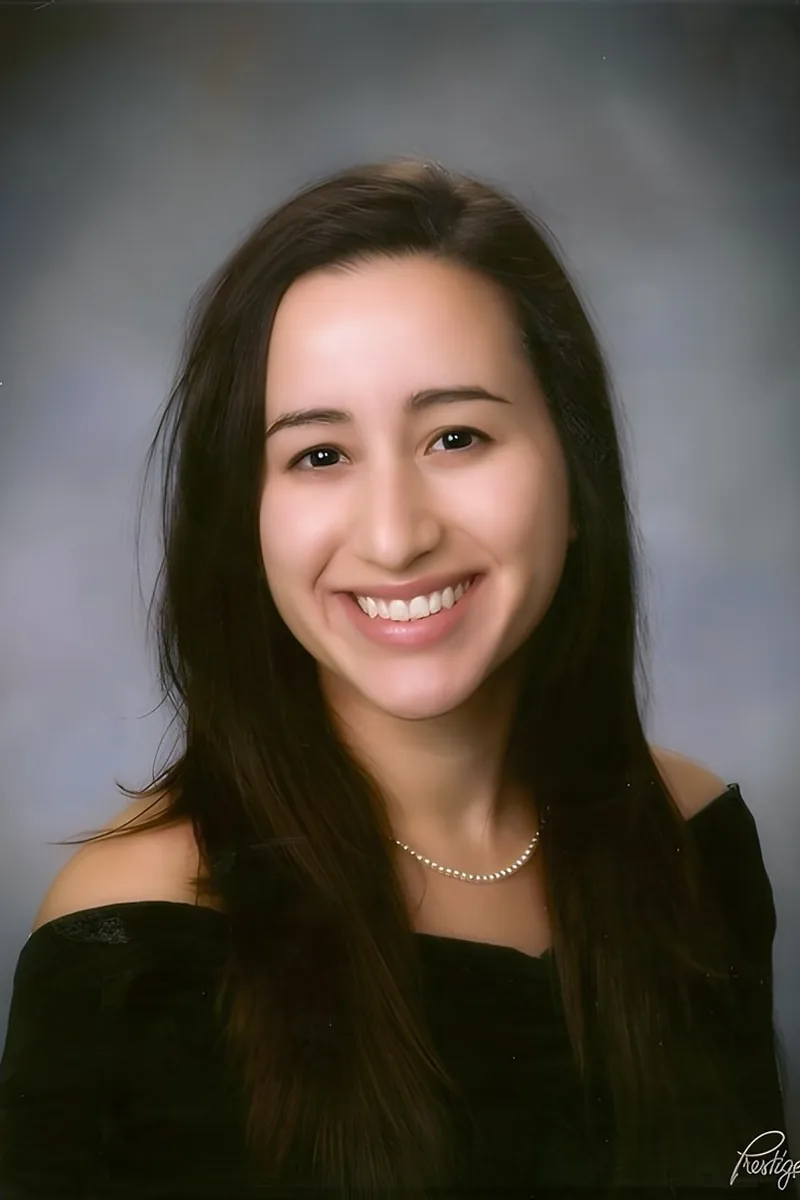
Alexis treats essay editing like coaching a sport — she breaks revision into repeatable drills: diagnosing a weak thesis, trimming bloated paragraphs, and strengthening evidence until each claim lands. Her law school application process sharpened her own editing instincts, particularly around persuasive writing where every word choice carries weight. Rated 5.0 by students.
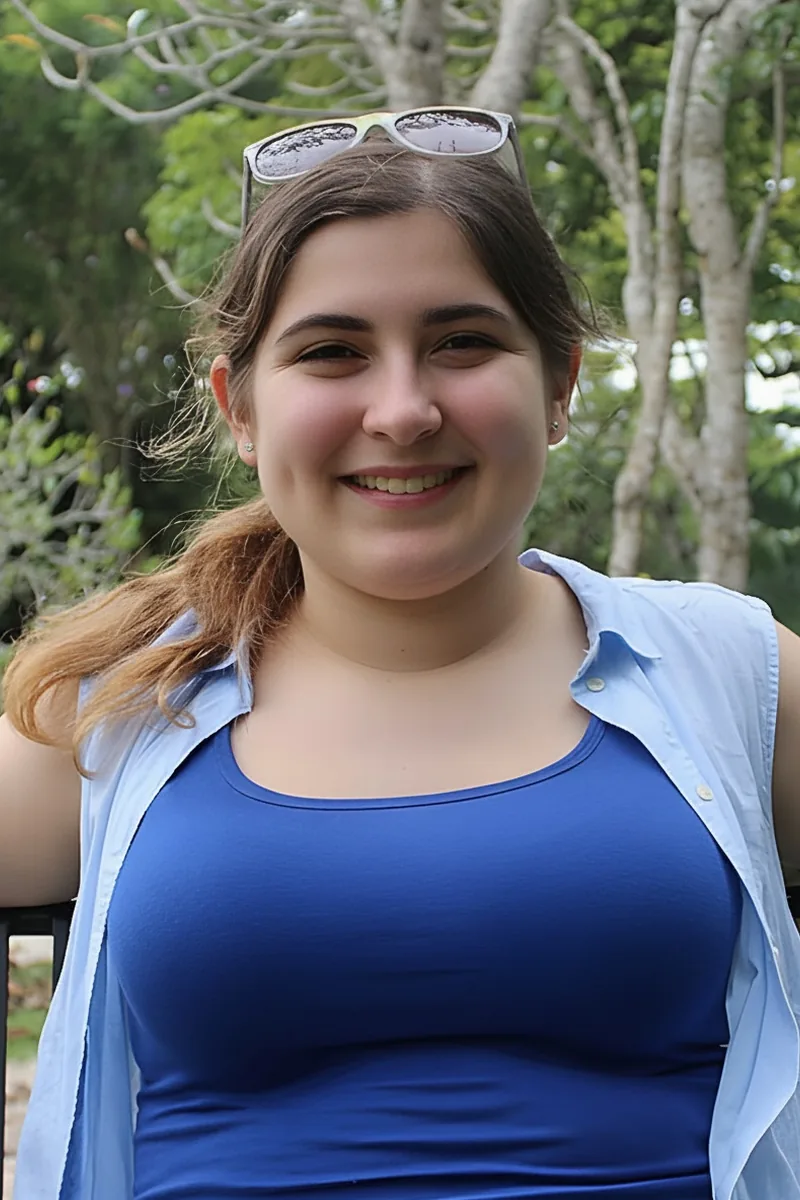
Good editing isn't just catching comma splices — it's recognizing where an argument loses the reader or where a paragraph buries its strongest point. Elizabeth's extensive academic writing at the master's level trained her to diagnose structural problems in essays and tighten prose without flattening a student's voice. Rated 5.0 by students.
A PhD program in Exploration Systems Design at Arizona State means Kristi revises dense, high-stakes writing constantly — proposals, research papers, technical reports — and knows how to tighten an argument without losing the writer's voice. She applies that same precision to student essays, zeroing in on thesis clarity, paragraph transitions, and word-level choices that sharpen meaning.
Years in professional publishing gave Linda an editor's eye that goes beyond catching typos — she reads for argument coherence, paragraph-level transitions, and whether the writer's actual point matches what ended up on the page. She's edited everything from undergraduate papers to doctoral dissertations, and she's especially effective at showing students how to revise structurally before polishing at the sentence level. Rated 5.0 by students.
Good editing isn't just fixing commas — it's learning to read your own writing the way a stranger would. Rachelle's philosophy background trained her to scrutinize arguments sentence by sentence, and her law school preparation demanded polished, precise prose. She walks students through revision at every level, from thesis clarity and paragraph structure down to word choice and citation formatting.
Between medical school applications, research papers in chemical engineering, and undergraduate humanities coursework, Alex has revised more high-stakes writing than most tutors twice his age. He zeroes in on the structural problems that weaken a draft — unclear thesis, buried argument, paragraphs that don't earn their place — before polishing at the sentence level.
Good editing goes beyond fixing commas — it means restructuring an argument so each paragraph earns its place. Elise sharpened this skill writing research papers in biomedical sciences and crafting her own medical school personal statements, where every sentence had to be precise and purposeful. She walks through drafts paragraph by paragraph, tightening thesis statements, cutting redundancy, and strengthening transitions.
Good editing isn't just catching comma splices — it's restructuring an argument so each paragraph earns the next. Megan sharpened her editing instincts through years of writing and through the college application process, where every word in a 650-word essay has to pull its weight. She reads drafts out loud with students, identifying where logic gaps or unclear transitions lose the reader.
Legal writing demands precision: every sentence has to earn its place, every argument needs airtight support. Jeff applies that same editorial rigor to essay editing, walking students through how to tighten thesis statements, cut filler, strengthen transitions, and make sure each paragraph advances a clear line of reasoning.
Good essay editing is about more than catching comma splices — it's about seeing whether each paragraph actually earns its place in the argument. Thara reads drafts with a structural eye, showing students how to tighten thesis statements, cut filler, and sharpen transitions so the final version reads like it was written with intention.
A theater background means Tucker knows how to shape a piece of writing for an audience — trimming filler, sharpening thesis statements, and restructuring paragraphs so each one earns its place. He digs into argument flow and word choice rather than just flagging surface errors, which is why students come back with stronger drafts after a single session. Rated 5.0 by students.
Between her honors thesis, medical school applications, and years of academic writing, Claire has revised more drafts than she can count. She zeroes in on the structural issues first — unclear thesis statements, weak transitions, paragraphs that drift off-topic — before tightening sentence-level clarity and tone.
A strong essay often hides inside a messy first draft, and Sebastian's editing approach is about uncovering it. He walks students through their own writing sentence by sentence, tightening thesis statements, restructuring paragraphs for logical flow, and catching the grammar issues that undermine otherwise solid arguments.
Good editing is more than catching comma splices — it's asking whether each paragraph earns its place and whether the argument actually moves forward. Tracey reads drafts with a teacher's eye for structure and a writer's ear for voice, offering concrete revision strategies that tighten prose without flattening a student's style.
Good essay editing goes beyond fixing comma splices and passive voice — it means rethinking paragraph transitions, tightening arguments, and cutting the filler sentences students add when they're chasing a word count. Adrian reads drafts with an engineer's eye for structure, identifying where the logic breaks down and showing students how to rebuild those sections clearly.
Lawyers edit ruthlessly — every sentence in a legal brief must earn its place. Veronica brings that same sharp editorial eye to student essays, tightening thesis statements, restructuring paragraphs for logical flow, and cutting filler without losing the writer's voice. She's especially effective at showing students how to revise their own work independently.
Most students know their essay "needs work" but can't identify what's actually wrong — whether it's a thesis that doesn't control the argument, paragraphs that drift off-topic, or sentences that bury the point in unnecessary clauses. Shannon pinpoints those structural and sentence-level problems and explains the fix in terms the writer can reuse on the next paper. She's edited everything from college application essays to AP History DBQs.
Even strong drafts hide structural problems: buried thesis statements, paragraphs that drift from their topic sentences, or transitions that leave the reader behind. Wallace approaches editing as a philosophy-trained reader, questioning every claim's logic and every paragraph's purpose so the final product is tighter and more persuasive.
Good editing isn't just catching typos — it's recognizing when a paragraph buries its strongest idea three sentences deep. Jared approaches revision structurally, teaching students to audit their own drafts for argument clarity, transition logic, and sentence-level rhythm. His experience across literary and academic writing means he can adapt feedback whether the piece is a personal narrative or a research paper.
Good editing goes beyond fixing commas; it means asking whether each paragraph actually advances the argument. Paul reviews student essays at both the structural level — thesis clarity, logical flow between sections — and the sentence level, catching issues like passive voice, vague pronoun references, and awkward transitions that weaken otherwise strong writing.
Scientific writing demands ruthless clarity — every sentence must earn its place, and every claim needs evidence. Cameron's PhD in Genetics trained him to revise drafts with that precision, and he applies the same eye to student essays, tightening thesis statements, cutting filler, and strengthening transitions between paragraphs. Whether the assignment is a college application essay or a research paper, he knows how to make an argument land.
A sharp essay isn't just about what you say — it's about how each sentence earns its place. Anita approaches editing by zeroing in on argument structure, transition logic, and clarity at the sentence level, trimming the filler that weakens a draft. Her experience crafting college essays and academic writing in her Applied Biological Sciences program means she knows how to tighten prose across genres.
Editing an essay is more than fixing commas — it's figuring out whether the argument actually holds together paragraph by paragraph. Chris teaches students to reverse-outline their drafts, identify where claims outrun their evidence, and tighten transitions so the reader never gets lost. His years tutoring writing at the college level mean he can adapt feedback to everything from a five-paragraph response to a research paper.
Good essay editing goes beyond fixing commas; it means reworking a thesis that doesn't quite argue anything yet, tightening paragraphs that wander, and cutting sentences that sound impressive but say nothing. Shadman approaches revision structurally, starting with argument and evidence before moving to sentence-level clarity and grammar. His 5.0 rating speaks to how much students value that process.
Editing is a different skill than writing, and Maurice treats it that way — teaching students to read their own drafts with fresh eyes. He tackles revision in layers: first structural issues like argument flow and paragraph cohesion, then sentence-level clarity, then mechanics. This systematic approach turns a messy draft into a polished piece without losing the writer's original voice.
Engineering students write more than most people expect — lab reports, design proposals, technical briefs — and Naveen has sharpened his editing instincts through that constant revision cycle at Georgia Tech. He zeroes in on argument structure, clarity of thesis, and awkward transitions that weaken otherwise solid drafts.
A Creative Writing degree means Isabel has spent years both giving and receiving detailed feedback on drafts — she knows how to pinpoint where an argument loses momentum, where a transition falls flat, or where evidence needs tightening. She treats editing as a teachable skill, walking through revision strategies like reverse outlining and paragraph-level diagnostics so students can eventually sharpen their own work independently.
Good essay editing goes beyond catching comma splices. Jamison digs into argument structure — whether a thesis actually drives the paper, whether each paragraph earns its place, and whether transitions create real logical flow instead of just connecting sentences with "furthermore."
A good essay edit goes beyond fixing commas — it means tightening arguments, cutting filler, and making sure every paragraph earns its place. Teresa spent years writing at the graduate level in social work, a field where clear, evidence-backed prose is non-negotiable, and she brings that same precision to student drafts across disciplines.
Strong essay editing goes beyond fixing commas — it means tightening arguments, cutting filler, and making sure every paragraph earns its place. Pooja's experience writing across disciplines (lab reports, historical analyses, college applications) gives her a sharp eye for structure and clarity, whatever the assignment demands. She holds a 5.0 client rating.
Good editing goes beyond catching comma splices — it means tightening an argument, cutting redundancy, and making sure every paragraph earns its place. Samuel approaches each draft by identifying the writer's core claim first, then restructuring and refining the prose around it.
Daniel approaches essay editing as reverse engineering: he teaches students to identify what their argument actually is, then restructure paragraphs and sharpen thesis statements around that core idea. His mechanical engineering background trained him to communicate complex reasoning clearly and concisely — a skill that translates directly to tightening academic prose.
Yuxuan's science writing background — honed through lab reports, research papers, and co-teaching an organic chemistry lab at UC Berkeley — translates surprisingly well to essay editing. He's sharp at identifying unclear thesis statements, tightening paragraph structure, and cutting the kind of filler that weakens an argument.
Good editing isn't just fixing commas — it's asking whether each paragraph earns its place in the argument. Emeka brings the precision of an engineer to essay revision, zeroing in on structural problems like weak thesis statements, unsupported claims, and transitions that don't actually connect ideas. He marks up drafts with specific, actionable feedback rather than vague suggestions.
Law school trains you to tear apart an argument sentence by sentence — and that's exactly what Mladen brings to essay editing. He zeroes in on structural weaknesses, unclear thesis statements, and logical gaps, then shows students how to revise with precision rather than just polishing surface-level grammar.
Testimonials
Because the right Essay Editing tutor makes all the difference.
Average Session Rating – Based on 3.4M Learner Ratings
Other Phoenix Tutors
Related English Tutors in Phoenix
Frequently Asked Questions
Essay editing tutors work through a structured revision process tailored to your specific needs. A tutor will review your essay for multiple elements—including thesis clarity, argument organization, evidence support, and writing mechanics—then provide detailed feedback on areas for improvement. Rather than simply correcting errors, tutors help you understand why changes strengthen your writing, so you develop stronger editing skills for future essays.
The typical process involves discussing your essay's main argument, identifying gaps in logic or evidence, revising weak sections together, and polishing for grammar and style. This personalized approach means you get feedback on the exact issues affecting your writing, not generic tips.
A strong thesis is the foundation of any effective essay, and tutors help you move beyond vague statements to clear, arguable claims. They work with you to identify your main idea, narrow its focus, and ensure it's specific enough to guide your entire essay. This often involves brainstorming what you actually want to argue, testing whether your thesis can be supported with evidence, and refining the language until it's precise.
Many students struggle with thesis development because they haven't fully thought through their argument yet. Tutors ask clarifying questions that help you discover what you really think, then shape that thinking into a compelling thesis that sets up your whole essay for success.
Organization challenges often stem from either having too many ideas without clear connections or from not outlining before writing. Tutors help you map out your essay's structure, identifying which arguments belong in which paragraphs and how to create logical transitions between ideas. They'll often work with you to create or revise an outline that clarifies your essay's architecture.
A tutor can also help you recognize when you've strayed from your main argument or when a paragraph needs to be moved, combined with another section, or cut entirely. This big-picture feedback on flow and organization is hard to spot on your own, especially when you're deep in the writing process.
Yes, essay editing tutors are well-versed in different citation styles and can guide you through proper formatting for in-text citations and works cited pages. Whether you're working in MLA for English class, APA for social sciences, or Chicago style for history, a tutor can explain the rules, show you how to format specific source types, and help you catch citation errors in your draft.
Beyond just fixing citations, tutors can also help you understand when and why you need to cite sources, ensuring you're giving proper credit to ideas while integrating sources smoothly into your own writing.
Writer's block often comes from feeling unsure about what to say or how to say it. Tutors help break through this by asking you questions about your topic, helping you clarify your thinking before you write, and building your confidence through constructive feedback. They can also suggest prewriting strategies like freewriting, brainstorming, or outlining to get your ideas flowing.
Working with a tutor also means getting personalized encouragement and concrete suggestions for improvement rather than vague criticism. When you see how your writing improves with specific revisions, it builds confidence and motivation for future essays.
Your writing voice emerges from how you choose words, construct sentences, and express ideas—and it develops through practice and feedback. Tutors help you recognize your natural voice by pointing out what's already working in your writing, then suggesting adjustments that strengthen your style without forcing you into an artificial tone. They can help you balance clarity with sophistication, formality with personality, and engagement with precision.
A tutor will also help you understand when different contexts call for different voices—how academic writing differs from creative writing, or how to maintain an authoritative tone in persuasive essays. This awareness helps you develop versatility in your writing.
Essay editing focuses specifically on revising and improving existing drafts—looking at structure, clarity, argument strength, and mechanics in work you've already written. Writing tutoring is broader and can include help with brainstorming, planning, drafting, and developing your writing skills overall. Both are valuable depending on where you are in the writing process.
Many students benefit most from essay editing help when they have a draft they want to polish or when they're struggling to improve their grade on completed essays. If you need help getting started or developing stronger writing habits, broader tutoring support might be more useful. Varsity Tutors connects you with tutors who can address exactly what you need.
Let’s find your perfect tutor
Answer a few quick questions. We’ll recommend the right plan and match you with a top 5% tutor.