Award-Winning AP US History Tutors
serving Avondale, AZ
AP US History
Tutors in Avondale
Private 1-on-1 tutoring, weekly live classes for academic support, test prep & enrichment, practice tests and diagnostics, and more to elevate grades and test scores.
Based on 3.4M Learner Ratings
UniversitiesSchools & Universities
DeliveredHours Delivered
ProficiencyGrowth in Proficiency
Who needs tutoring?
No obligation. Takes ~1 minute.
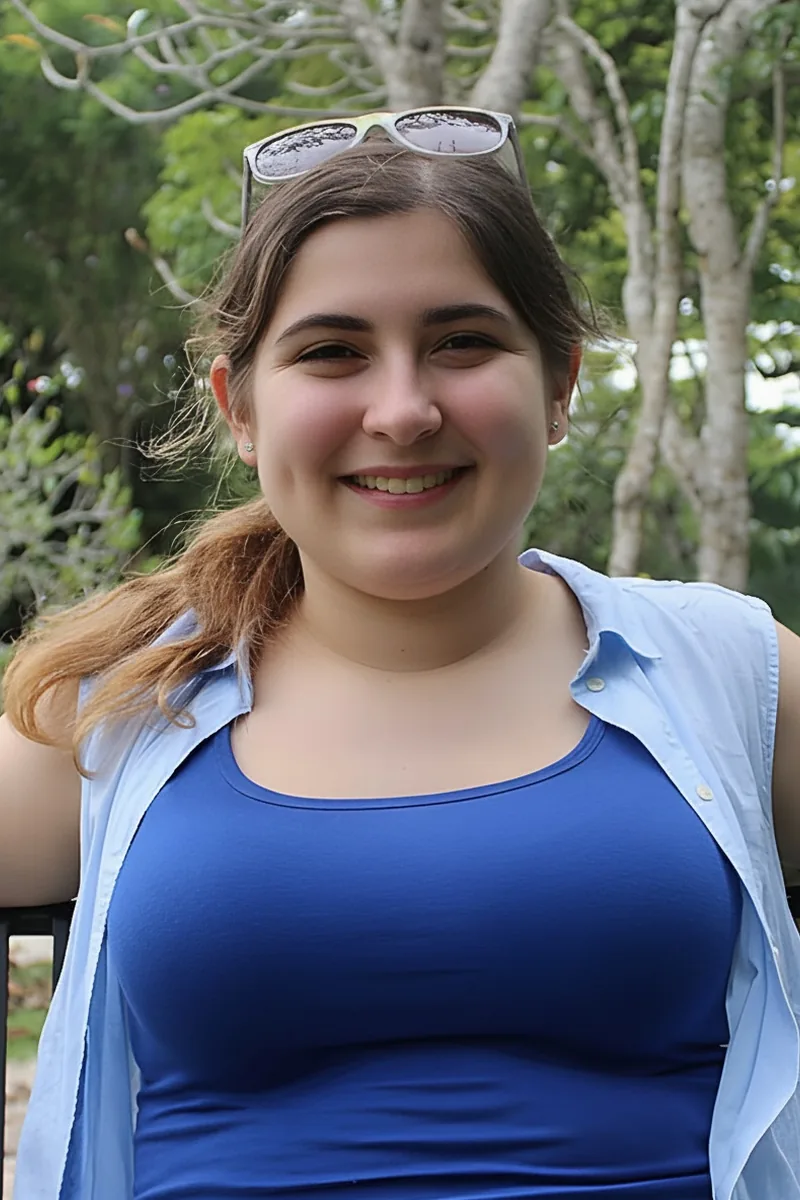
A master's degree in Chinese politics means Elizabeth spent years analyzing how governments consolidate power, manage dissent, and navigate foreign relationships — the same analytical framework that unlocks APUSH's toughest comparative and causation questions, from Cold War containment policy to debates over executive authority. Her 1500 SAT and government coursework ground her in the primary-source reasoning and argumentative writing the DBQ demands. Rated 5.0 by students.
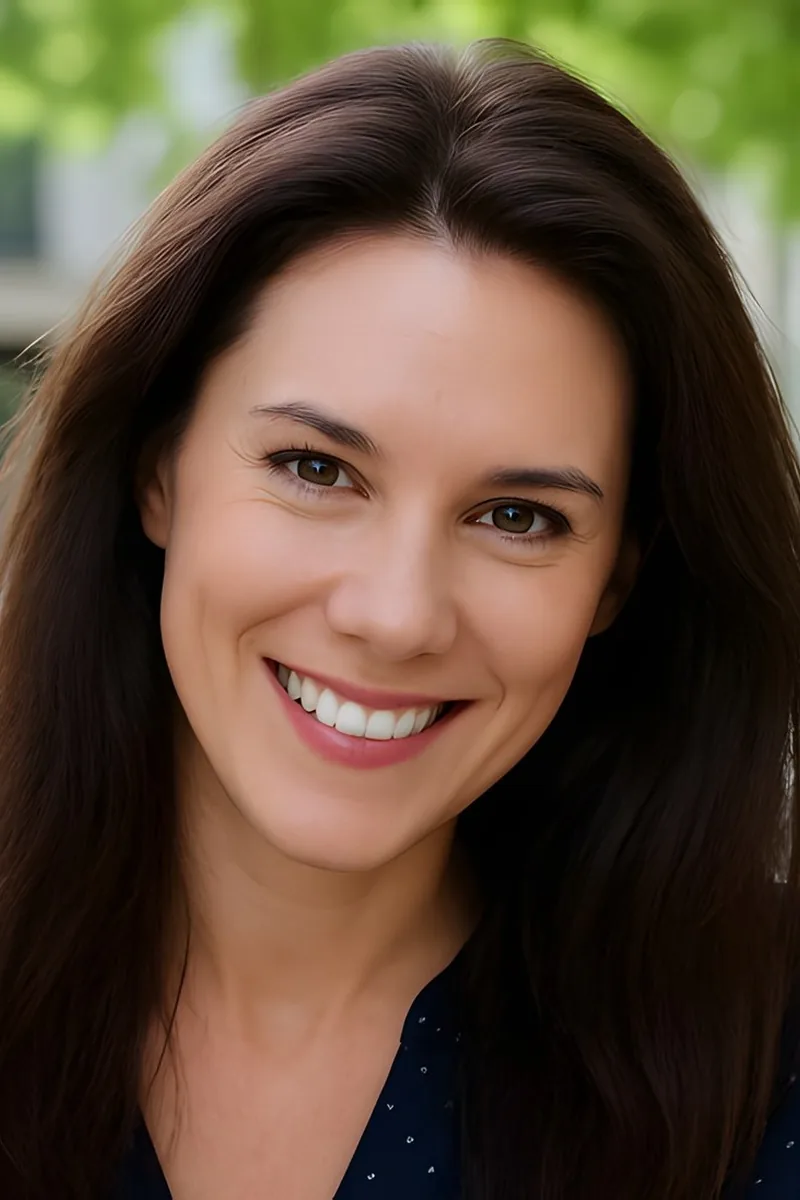
Michelle's history degree means she actually studied the primary source analysis and periodization thinking that APUSH tests — not just the content, but the discipline's methods for constructing arguments from evidence. She zeroes in on the essay skills that trip students up most, like turning a stack of DBQ documents into a coherent thesis instead of a chronological summary. Rated 5.0 by students.
Jake's marketing degree might seem like an odd fit for APUSH, but marketing is fundamentally about understanding how audiences are persuaded — the same skill students need when analyzing primary sources for purpose, context, and intended effect on the DBQ. He pairs that rhetorical instinct with strong SAT-level reading and writing chops (1580 composite) to drill the thesis construction and evidence integration that separate high-scoring essays from ones that just retell history. Rated 4.9 by students.
AP US History's Document-Based Questions are essentially legal briefs in miniature — you evaluate evidence, identify bias, and construct an argument under time pressure. John holds a history degree and a PhD in law, which means he can teach students to dissect primary sources and write thesis-driven essays that score well on the DBQ, LEQ, and SAQ formats.
Chemical engineering and anthropology might seem like an odd combination, but Alex's dual degrees from Washington and Lee mean he can approach APUSH from both the analytical and cultural sides — tracing how industrialization reshaped American society, or why economic policy debates kept recurring from Hamilton through the Gilded Age. As a medical student who scored a 36 ACT, he brings the timed, high-pressure test-taking instincts that matter when students are staring down a DBQ prompt with 60 minutes on the clock.
Kyle's master's in global management and his international studies background mean he naturally frames American history through the lens of trade, diplomacy, and cross-cultural contact — exactly the kind of thematic connective tissue APUSH rewards on periodization and causation questions. He also reads Mandarin, which adds genuine depth when discussing topics like Chinese exclusion, Pacific trade routes, and Cold War Asia that most tutors gloss over. His 32 ACT and 4.5 rating round out a tutor who brings both content knowledge and timed-test instincts to the exam.
APUSH isn't really about memorizing every battle and treaty — it's about recognizing patterns like how economic shifts drive political realignment, or why certain reform movements succeed while others stall. River tackles the DBQ and LEQ formats head-on, teaching students to build arguments from primary sources under timed pressure.
Shannon's background spans both US history and Latin American history at the college level, which gives her a hemispheric awareness that strengthens discussions of topics like imperialism, immigration policy, and Cold War interventionism — areas where APUSH increasingly expects students to think beyond domestic borders. Her Spanish fluency and experience with college essays also means she can drill the writing mechanics behind a strong DBQ thesis while still pushing students to deepen their historical reasoning. Rated 4.9 by students.
The AP US History exam rewards students who can build an argument from documents, not just recall dates — and that's a skill that needs deliberate practice. Jessica walks students through DBQ and LEQ essay structure, showing them how to connect evidence to a thesis about periods like Reconstruction or the New Deal. Her coursework in education means she approaches content review and writing practice as intertwined rather than separate tasks.
International Relations coursework at BYU meant Spencer spent years studying the diplomatic, economic, and ideological forces that shaped U.S. foreign and domestic policy — exactly the kind of thematic throughlines APUSH tests when it asks students to trace causation across periods. His MBA in International Business adds a practical understanding of trade policy and economic systems that sharpens discussions of everything from mercantilism to Reaganomics. Rated 4.9 by students.
Studying Asian Studies and English simultaneously means Ben is constantly drawing connections across cultures, time periods, and political systems — exactly the kind of comparative thinking that APUSH periodization and continuity-and-change questions reward. His Latin training also gives him an unusual comfort with primary source language, which sharpens document analysis when students hit dense 18th- and 19th-century texts in the DBQ. A 34 ACT and 4.7 rating back up his ability to perform under timed, analytical pressure.
Aaron's math-heavy courseload at Rice might seem unrelated to APUSH, but his training in logical proof structure translates surprisingly well to the exam's essay demands — building a thesis, marshaling evidence in sequence, and defending a claim under pressure. He also tutors AP Comparative Government and AP U.S. Government, giving him a political-systems framework that strengthens his teaching of periods like the Founding Era and Progressive Era. Rated 4.9 by students.
A psychology and communication studies background gives Paula a dual lens that's particularly useful for APUSH's trickiest essay prompts — the ones asking students to analyze how rhetoric, propaganda, and public persuasion shaped movements from the Revolution through the Cold War. She teaches document analysis as an exercise in reading audience and intent, skills her communication training made second nature. Rated 4.8 by students.
AP US History's DBQ is really a timed argument-building exercise disguised as a history test — students need to group documents, identify point of view, and connect evidence to a thesis in under an hour. Cassandra tackles this by drilling the skill of contextualization, teaching students to place each document within the broader political or economic forces of its era. Her analytical, evidence-first approach translates well from her science background.
Studying religion and psychology alongside Spanish gave Sydney an unusual toolkit for APUSH — she reads primary sources through the lens of cultural belief systems and social motivation, which is exactly what document-based questions reward when they ask about audience, purpose, and historical context. Her CLEP prep across American government, American literature, and humanities means she's already fluent in the political and cultural turning points the exam covers most heavily. Rated 4.9 by students.
Tessa is pursuing a double major in Mathematics and History, which means she's actively immersed in the kind of source analysis and historiographical thinking that APUSH tests — not recalling it from years ago. That combination also gives her a quantitative edge for the exam's data-interpretation questions, where students need to read economic charts or demographic tables and fold them into a larger argument. Her 36 ACT and 4.9 rating speak for themselves.
This isn't Nima's core subject — his background is in physics, not history — but a 1580 SAT means he's sharp at the kind of timed analytical reading and evidence-based argumentation that APUSH document questions actually test. He approaches the exam's essays like a scientist building a case: identify the claim, marshal the evidence, eliminate what doesn't support the thesis.
A Government major at Harvard, Richard spends his coursework dissecting the same constitutional debates, policy battles, and institutional power shifts that dominate APUSH's most heavily tested periods — from federalism disputes through Civil Rights-era legislation. That political science lens means he teaches students to analyze primary sources for political context and intent, building the kind of causation arguments the DBQ and LEQ actually reward. His perfect 1600 SAT and 36 ACT speak to the timed analytical precision the exam demands.
Political science majors spend years dissecting the constitutional tensions, legislative battles, and power dynamics that make up the core of the APUSH curriculum — Julian studied exactly the material the exam tests most heavily. His 1430 SAT signals strong timed reading and writing performance, which matters for an exam where the DBQ and LEQ live or die on how quickly a student can build a sourced, thesis-driven argument under pressure.
An interdisciplinary degree blending economics and political science at Yale means Allen spent four years studying the exact forces — trade policy, constitutional interpretation, factional politics — that drive APUSH's most heavily tested periods from the Early Republic through the New Deal. He teaches students to build LEQ and DBQ arguments around economic and political causation rather than just narrating events, a skill his 1570 SAT confirms he can execute under timed pressure. Rated 5.0 by students.
Studying political science and government means Sarah spends her coursework inside the same constitutional debates, legislative battles, and shifts in federal power that APUSH tests most heavily — she's not reviewing this material secondhand but actively working through it in her current classes. That real-time fluency with American political development gives her a sharp handle on periodization and causation questions, especially from the founding era through twentieth-century policy reform. Rated 5.0 by students.
Teaching history at a community college while also working as a certified ESL teacher gave Christie a unusual double skill set — she knows how to make dense American political and economic developments accessible to students who can't rely on assumed cultural context. That translates directly to APUSH's document-based questions, where she zeroes in on sourcing and contextualization, training students to read a 1790s Federalist pamphlet or a 1960s protest letter for audience and purpose before building an argument around it. Rated 5.0 by students.
The AP US History exam tests a student's ability to construct document-based arguments under pressure, not just recall dates. Samantha tackles DBQ and LEQ writing head-on, teaching students to identify historical context, weigh evidence, and write essays that earn synthesis and complexity points. Her background in English gives her a particular edge on the writing-heavy portions of the exam.
A Master of Public Policy degree means Erika spent graduate school analyzing how American institutions evolved and why specific policy decisions — from the New Deal to the Great Society — reshaped the country. That lens gives her a natural edge when teaching APUSH's thematic threads around government power, reform movements, and political realignment. Rated 5.0 by students, she connects policy context to the kind of argumentation the exam actually scores.
Testimonials
Because the right AP US History tutor makes all the difference.
Average Session Rating – Based on 3.4M Learner Ratings
Practice AP US History
Free practice tests, flashcards, and AI tutoring for AP US History
Other Avondale Tutors
Related Social Studies Tutors in Avondale
Frequently Asked Questions
Varsity Tutors matches Avondale students with expert AP US History tutors for 1-on-1 instruction. We pair each student with a tutor based on their specific needs, learning style, and goals.
Whether you need homework help, exam prep, or want to get ahead, our AP US History tutors are ready to help.
Common challenges include gaps from earlier material, difficulty with specific concepts, and trouble applying learning to new problems. These issues can snowball quickly in AP US History.
A tutor identifies where you're stuck, fills in gaps, and provides targeted practice. The 1-on-1 format means you get help exactly where you need it.
Tutors work with your student's actual coursework—homework assignments, class notes, and upcoming tests. This keeps tutoring directly relevant to what's happening in the classroom.
When you share information about your student's school and curriculum, we can match you with a tutor who has relevant experience.
All tutors complete background checks, credential verification, and teaching evaluation. Many of our AP US History tutors hold advanced degrees or have years of teaching experience.
You can review tutor profiles to find someone with the right background for your student's level and needs.
Many students see improved grades within a few weeks, along with better understanding of AP US History concepts and more confidence tackling challenging material.
Tutors track progress and adjust their approach to ensure continued improvement.
Most students benefit from 1-2 sessions per week. More frequent sessions help if your student is significantly behind or has an important exam coming up.
Your tutor can recommend a schedule based on your student's specific situation and goals.
Tutoring is purchased in packages of hours, with rates varying by tutor experience. Varsity Tutors offers several options to fit different budgets and needs.
You can discuss pricing during your consultation to find what works best.
Your tutor will assess where your student is, discuss goals, and start working on priority areas. Most students bring current homework or upcoming test material to focus on.
By the end, you'll have a clear sense of how the tutor can help and a plan for moving forward.
Let’s find your perfect tutor
Answer a few quick questions. We’ll recommend the right plan and match you with a top 5% tutor.