Award-Winning World History Tutors
serving Mobile, AL
World History
Tutors in Mobile
Private 1-on-1 tutoring, weekly live classes for academic support, test prep & enrichment, practice tests and diagnostics, and more to elevate grades and test scores.
Based on 3.4M Learner Ratings
UniversitiesSchools & Universities
DeliveredHours Delivered
ProficiencyGrowth in Proficiency
Who needs tutoring?
No obligation. Takes ~1 minute.
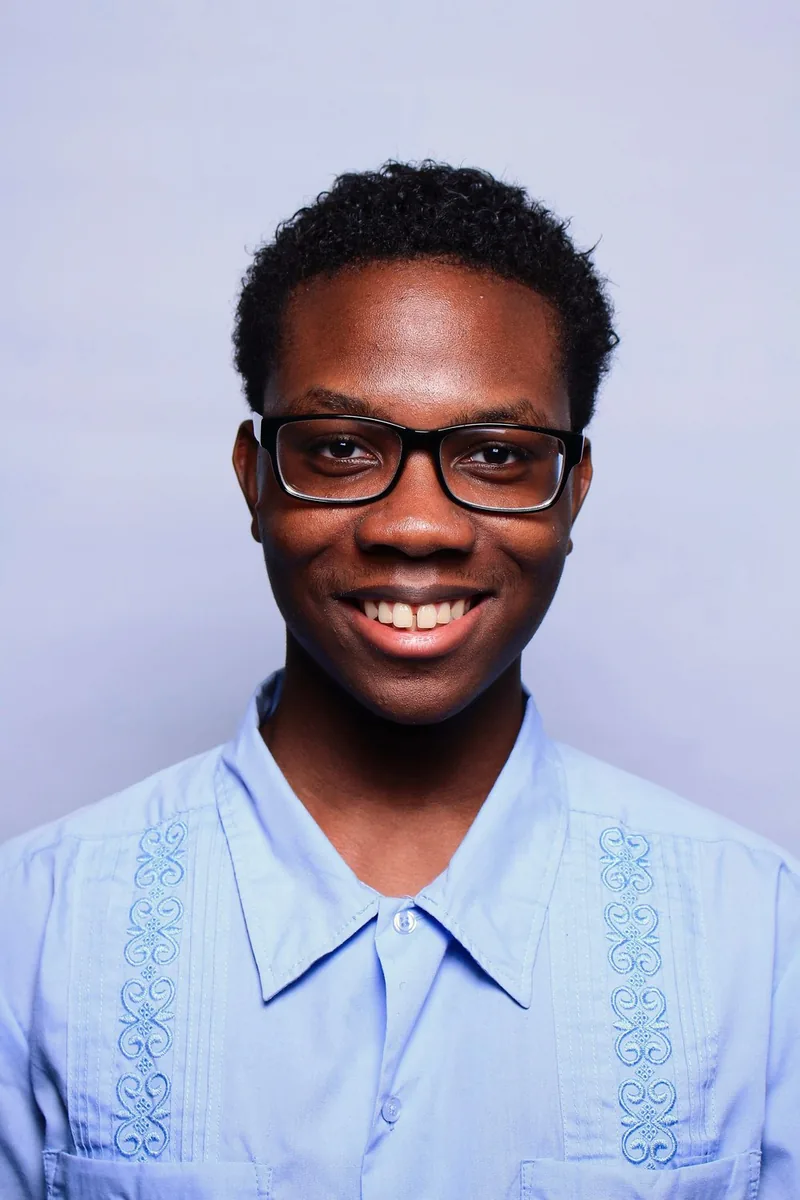
With a bachelor's degree in religion from Dartmouth College, I have developed a deep appreciation for the power of language and storytelling. My tutoring experience has equipped me to foster a supportive learning environment where students can flourish and express themselves authentically. I aim to guide them in seeing literature not merely as a medium but as a profound revelation of the human experience. By focusing on English Grammar and Syntax, as well as UK A Level Irish and Russian, I strive to cultivate not just academic skills but also a lifelong love for literature and learning.

I am completing a master's in wildlife science at Auburn University.
I am an aerospace engineering student. I am very passionate about teaching math, physics, and chemistry. I realized tutoring was my calling while working as a tutor at my school. Seeing students gain a greater understanding of the subject was the highlight of my day while working there.
A history degree plus a PhD in law gives John an unusual vantage point on world history — he reads events like the Treaty of Westphalia or the partition of Africa the way a lawyer reads precedent, asking who held power, who wrote the rules, and who got left out. That legal-analytical lens is especially useful for students tackling document-based questions and comparative essays where building a structured argument matters more than recalling dates. Rated 5.0 by students.
Understanding world history means seeing connections — how the Silk Road shaped both Tang Dynasty culture and Byzantine trade, or why industrialization in Britain triggered colonial expansion across continents. Ankit genuinely loves tracing these cause-and-effect chains across regions and time periods, and he turns that enthusiasm into lessons where students build their own frameworks for making sense of global change.
Connecting the fall of Rome to the rise of Islamic empires, or linking the Columbian Exchange to modern globalization — world history clicks when students see the cause-and-effect chains running through it. Nima's strength is building those logical threads, drawing on the same systematic thinking that drives his physics work at Duke.
Tackling world history means making sense of enormous spans of time — why the Mongol Empire reshaped Eurasian trade, how the Columbian Exchange transformed demographics on four continents, what drove decolonization in the twentieth century. Morgan's dual focus on English literature and international studies at WashU trained her to read primary sources critically and construct arguments that link cause, context, and consequence across civilizations.
Teaching World History to 10th graders and Global Studies to 8th graders gave Bradley a sharp sense of how to make sprawling timelines — from the Silk Road trade networks to Cold War proxy conflicts — feel connected rather than random. He earned his history degree from Washington University in St. Louis and later completed a Master's of Education in Social Studies at the University of Minnesota. His approach treats history as a series of cause-and-effect chains rather than isolated dates to memorize.
Understanding world history means tracing how civilizations influenced each other — how Silk Road trade reshaped economies, how the Columbian Exchange transformed diets and demographics, how colonial legacies still shape modern borders. Craig's PhD in English trained him to read primary sources critically, a skill he applies to analyzing treaties, propaganda, and firsthand accounts across eras and regions.
Teaching world history at a community college means Christie regularly takes students from "I hate history" to genuine curiosity about how civilizations interact, collapse, and reinvent themselves. She unpacks topics like the Columbian Exchange, the spread of monotheistic religions, or the causes of industrialization by connecting them to patterns students can recognize in today's headlines. That ability to make distant events feel immediate is what keeps her rated 5.0.
Understanding the Columbian Exchange or the collapse of the Ottoman Empire means tracing how trade, disease, and ideology reshaped entire civilizations — not just memorizing dates. Hannah holds a BA in History and brings a writer's instinct for narrative, turning sprawling world events into coherent stories students can actually retain and analyze on exams.
Understanding world history means tracing connections — how the Silk Road shaped economies, how the Reformation reshaped political borders, how colonialism created patterns still visible today. Paula's psychology background gives her a unique lens for explaining why civilizations rise, clash, and transform, turning abstract timelines into human stories that stick.
Few tutors bring both an honors history degree and formal training in education to world history — John has both. He teaches students to trace cause-and-effect chains across civilizations, whether they're connecting Mongol trade routes to the Black Death or analyzing how industrialization reshaped colonial empires. His 5.0 rating speaks to how well that combination lands.
A Fulbright year in Bogotá gave Sanoja firsthand perspective on how colonial legacies, Cold War politics, and globalization play out in real communities — not just in textbooks. She brings that grounding to world history, connecting broad themes like imperialism and revolution to specific case studies students can use in essays. Her political science background at Yale sharpens the analytical framework she applies to everything from the Silk Road to decolonization.
MaryAnn approaches world history as a story of connected systems — trade networks, religious movements, colonial legacies — rather than isolated chapters organized by region. Her background in English and psychology gives her a distinctive lens for analyzing primary sources, helping students read historical documents the way a writer reads a text: for subtext, audience, and intent.
Testimonials
Because the right World History tutor makes all the difference.
Average Session Rating – Based on 3.4M Learner Ratings
Nearby World History Tutors
Other Mobile Tutors
Related Social Studies Tutors in Mobile
Frequently Asked Questions
Varsity Tutors matches Mobile students with expert World History tutors for 1-on-1 instruction. We pair each student with a tutor based on their specific needs, learning style, and goals.
Whether you need homework help, exam prep, or want to get ahead, our World History tutors are ready to help.
Common challenges include gaps from earlier material, difficulty with specific concepts, and trouble applying learning to new problems. These issues can snowball quickly in World History.
A tutor identifies where you're stuck, fills in gaps, and provides targeted practice. The 1-on-1 format means you get help exactly where you need it.
Tutors work with your student's actual coursework—homework assignments, class notes, and upcoming tests. This keeps tutoring directly relevant to what's happening in the classroom.
When you share information about your student's school and curriculum, we can match you with a tutor who has relevant experience.
All tutors complete background checks, credential verification, and teaching evaluation. Many of our World History tutors hold advanced degrees or have years of teaching experience.
You can review tutor profiles to find someone with the right background for your student's level and needs.
Many students see improved grades within a few weeks, along with better understanding of World History concepts and more confidence tackling challenging material.
Tutors track progress and adjust their approach to ensure continued improvement.
Most students benefit from 1-2 sessions per week. More frequent sessions help if your student is significantly behind or has an important exam coming up.
Your tutor can recommend a schedule based on your student's specific situation and goals.
Tutoring is purchased in packages of hours, with rates varying by tutor experience. Varsity Tutors offers several options to fit different budgets and needs.
You can discuss pricing during your consultation to find what works best.
Your tutor will assess where your student is, discuss goals, and start working on priority areas. Most students bring current homework or upcoming test material to focus on.
By the end, you'll have a clear sense of how the tutor can help and a plan for moving forward.
Let’s find your perfect tutor
Answer a few quick questions. We’ll recommend the right plan and match you with a top 5% tutor.