Award-Winning World History Tutors
serving Huntsville, AL
World History
Tutors in Huntsville
Private 1-on-1 tutoring, weekly live classes for academic support, test prep & enrichment, practice tests and diagnostics, and more to elevate grades and test scores.
Based on 3.4M Learner Ratings
UniversitiesSchools & Universities
DeliveredHours Delivered
ProficiencyGrowth in Proficiency
Who needs tutoring?
No obligation. Takes ~1 minute.
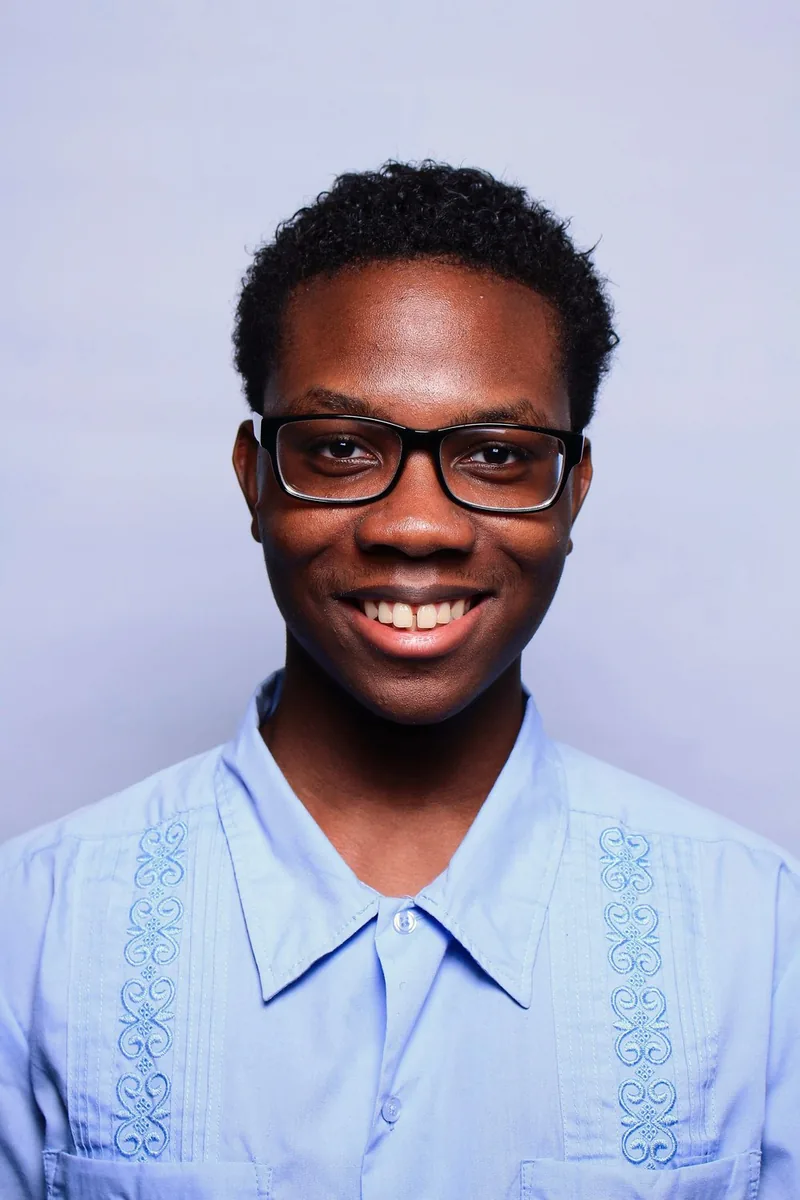
With a bachelor's degree in religion from Dartmouth College, I have developed a deep appreciation for the power of language and storytelling. My tutoring experience has equipped me to foster a supportive learning environment where students can flourish and express themselves authentically. I aim to guide them in seeing literature not merely as a medium but as a profound revelation of the human experience. By focusing on English Grammar and Syntax, as well as UK A Level Irish and Russian, I strive to cultivate not just academic skills but also a lifelong love for literature and learning.

I am completing a master's in wildlife science at Auburn University.
I am an aerospace engineering student. I am very passionate about teaching math, physics, and chemistry. I realized tutoring was my calling while working as a tutor at my school. Seeing students gain a greater understanding of the subject was the highlight of my day while working there.
Studying world history means juggling dozens of civilizations across thousands of years, and Julian tackles that challenge by teaching students to spot recurring political patterns — how empires centralize power, why revolutions follow similar arcs, what makes trade networks reshape societies. His political science training gives him a comparative framework that turns overwhelming timelines into connected themes.
Learning world history isn't about memorizing dates — it's about understanding why the Silk Road mattered more than any single battle fought along it. Katherine teaches students to trace cause-and-effect chains across civilizations, from trade networks to religious diffusion, and to write document-based responses that demonstrate real analytical thinking. Her cross-subject expertise in reading and writing strengthens the skills world history exams actually test.
Connecting the fall of Rome to the rise of Islamic empires, or linking the Columbian Exchange to modern globalization — world history clicks when students see the cause-and-effect chains running through it. Nima's strength is building those logical threads, drawing on the same systematic thinking that drives his physics work at Duke.
Understanding world history means seeing connections — how the Silk Road shaped both Tang Dynasty culture and Byzantine trade, or why industrialization in Britain triggered colonial expansion across continents. Ankit genuinely loves tracing these cause-and-effect chains across regions and time periods, and he turns that enthusiasm into lessons where students build their own frameworks for making sense of global change.
MaryAnn approaches world history as a story of connected systems — trade networks, religious movements, colonial legacies — rather than isolated chapters organized by region. Her background in English and psychology gives her a distinctive lens for analyzing primary sources, helping students read historical documents the way a writer reads a text: for subtext, audience, and intent.
Kathryn's high school years were built around a rigorous AP course load and an inaugural STEM program, which means she approaches world history with the same analytical habits she brings to engineering problems — asking how technological advances like gunpowder or the printing press actually restructured political and economic power. Now a history major at Notre Dame, she's especially strong at helping students connect developments across regions, like linking Mongol trade networks to the spread of the Black Death. Her 35 ACT speaks to the kind of disciplined, cross-subject thinking that world history rewards.
Most world history courses move fast — from river valley civilizations to globalization in a single year — and students often struggle to see the throughlines connecting one era to the next. Jean's training at Duke in Latin American History taught her to trace those long arcs: how colonialism reshaped trade networks, how revolutions in one region echoed across oceans, how Cold War alliances redrew the map. She unpacks these connections so students can write essays that demonstrate real historical thinking, not just recall.
Solange approaches world history the way her Harvard sociology courses did — by asking how systems of trade, religion, and power shaped everyday life across civilizations. Instead of memorizing dynasty names and battle dates, students learn to trace cause-and-effect chains: why the Silk Road transformed cultures, how colonialism restructured entire economies, what drove revolutionary movements from France to Haiti. That analytical framework makes both essays and exams significantly easier.
Harry's time at Northwestern and his ongoing independent research in India — where he studies Tibetan language and culture — gave him firsthand experience with how civilizations develop, overlap, and influence each other across borders. He brings that cross-cultural perspective into world history lessons, unpacking how religious movements, colonial encounters, and migrations reshaped societies in ways that textbook timelines often flatten. His educator role at the Rubin Museum of Art also sharpened his ability to make ancient and non-Western histories vivid and immediate.
Keeping world history straight isn't about memorizing dates — it's about understanding why the Mongol Empire and the Atlantic slave trade reshaped economies in structurally similar ways. Alexander, a history major at Vanderbilt, teaches students to organize vast timelines around recurring themes like state-building, cultural exchange, and economic systems. That thematic approach makes essay exams and class discussions far more manageable.
Theater training at Williams College — where Noah graduated Magna Cum Laude and Phi Beta Kappa — taught him to read texts for subtext: who holds power, whose story gets told, and why. He brings that same instinct to world history, pushing students to analyze primary sources and political narratives rather than passively absorb textbook summaries. His political science background anchors lessons in the structural forces behind events like decolonization or the formation of nation-states.
A Fulbright year in Bogotá gave Sanoja firsthand perspective on how colonial legacies, Cold War politics, and globalization play out in real communities — not just in textbooks. She brings that grounding to world history, connecting broad themes like imperialism and revolution to specific case studies students can use in essays. Her political science background at Yale sharpens the analytical framework she applies to everything from the Silk Road to decolonization.
Testimonials
Because the right World History tutor makes all the difference.
Average Session Rating – Based on 3.4M Learner Ratings
Nearby World History Tutors
Other Huntsville Tutors
Related Social Studies Tutors in Huntsville
Frequently Asked Questions
Varsity Tutors matches Huntsville students with expert World History tutors for 1-on-1 instruction. We pair each student with a tutor based on their specific needs, learning style, and goals.
Whether you need homework help, exam prep, or want to get ahead, our World History tutors are ready to help.
Common challenges include gaps from earlier material, difficulty with specific concepts, and trouble applying learning to new problems. These issues can snowball quickly in World History.
A tutor identifies where you're stuck, fills in gaps, and provides targeted practice. The 1-on-1 format means you get help exactly where you need it.
Tutors work with your student's actual coursework—homework assignments, class notes, and upcoming tests. This keeps tutoring directly relevant to what's happening in the classroom.
When you share information about your student's school and curriculum, we can match you with a tutor who has relevant experience.
All tutors complete background checks, credential verification, and teaching evaluation. Many of our World History tutors hold advanced degrees or have years of teaching experience.
You can review tutor profiles to find someone with the right background for your student's level and needs.
Many students see improved grades within a few weeks, along with better understanding of World History concepts and more confidence tackling challenging material.
Tutors track progress and adjust their approach to ensure continued improvement.
Most students benefit from 1-2 sessions per week. More frequent sessions help if your student is significantly behind or has an important exam coming up.
Your tutor can recommend a schedule based on your student's specific situation and goals.
Tutoring is purchased in packages of hours, with rates varying by tutor experience. Varsity Tutors offers several options to fit different budgets and needs.
You can discuss pricing during your consultation to find what works best.
Your tutor will assess where your student is, discuss goals, and start working on priority areas. Most students bring current homework or upcoming test material to focus on.
By the end, you'll have a clear sense of how the tutor can help and a plan for moving forward.
Let’s find your perfect tutor
Answer a few quick questions. We’ll recommend the right plan and match you with a top 5% tutor.