Award-Winning Study Skills Tutors
serving Mobile, AL
Study Skills
Tutors in Mobile
Private 1-on-1 tutoring, weekly live classes for academic support, test prep & enrichment, practice tests and diagnostics, and more to elevate grades and test scores.
Based on 3.4M Learner Ratings
UniversitiesSchools & Universities
DeliveredHours Delivered
ProficiencyGrowth in Proficiency
Who needs tutoring?
No obligation. Takes ~1 minute.

Most students don't struggle because the material is too hard — they struggle because nobody taught them how to study it. Rosalyn tackles this head-on, teaching concrete techniques like spaced repetition, active recall, and how to break a large assignment into a realistic schedule. As a math major managing a demanding course load at Amherst College, she practices exactly what she teaches.
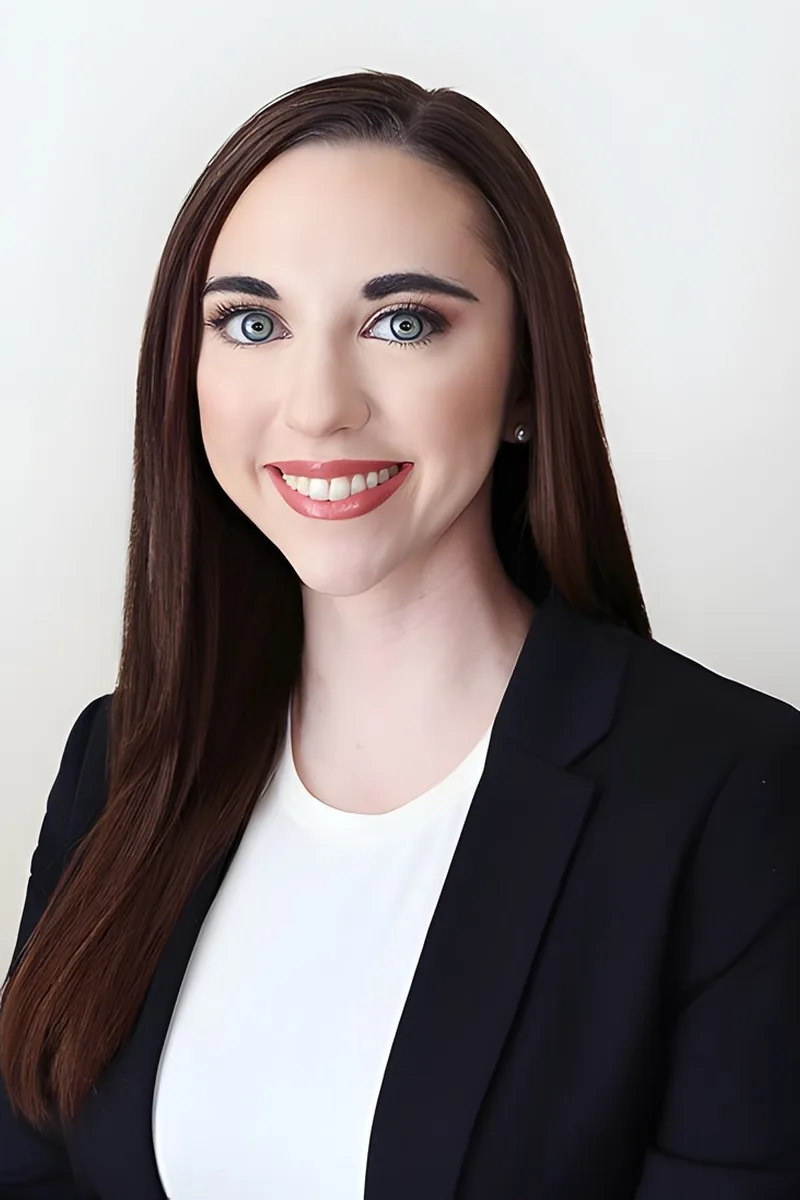
Preparing for the MCAT while holding down a full-time lab job meant Haley had to build a study system that actually worked under real constraints — not an idealized 12-hour-a-day schedule. She teaches concrete techniques like spaced repetition scheduling, active recall over passive re-reading, and how to triage material by exam weight. That framework applies whether a student is tackling organic chemistry or AP History.
Most study skills advice boils down to generic tips about flashcards and planners, but the real challenge is figuring out why a particular student's current approach isn't working. Joshua's experience tutoring in Stanford's Structured Liberal Education program — where students juggle dense reading across philosophy, literature, and science simultaneously — taught him how to diagnose where a student's workflow breaks down and rebuild it around their actual strengths.
Running a volunteer ACT prep program in high school taught Mustafa something important: most students don't lack ability, they lack a system. He tackles study skills by building concrete routines — active recall schedules, targeted practice over passive re-reading, and strategies for breaking large assignments into manageable pieces. Rated 5.0 by students.
Strong study skills look different for every student, which is why Jennessa starts by figuring out how someone actually processes information before recommending any system. From there she tackles specifics — how to take notes that are actually useful for review, how to break a large assignment into manageable steps, and how to self-test instead of passively rereading. Her 5.0 rating speaks to how well that individualized approach lands.
Surviving a Georgia Tech aerospace engineering curriculum requires more than intelligence — it demands ruthless time management, active recall techniques, and knowing how to prioritize when everything feels urgent. Emma teaches those concrete systems: how to break a semester into weekly plans, how to self-test effectively, and how to identify which material actually needs the most attention.
Building good study habits early makes every other subject easier, and Nina specializes in working with younger learners who are still figuring out how to organize their time, take notes, and break assignments into manageable pieces. Her approach puts the student in the driver's seat — she teaches techniques like active recall and self-quizzing, then lets kids practice applying them independently.
Graduate-level wildlife research demands juggling field schedules, dense reading, lab deadlines, and writing — so Darcey built organizational systems out of necessity. She teaches students specific techniques like spaced retrieval practice, priority-based scheduling, and active note-taking methods tailored to how each person actually learns. Rated 4.8 by students.
I received my bachelor's in science with a physics and writing major. I have taught physics and math for 5 years. I am comfortable teaching physics, from high school physics to university level quantum mechanics, and high school math.
Balancing varsity sailing, a mechanical engineering course load, and a social life at Yale has forced Charles to get very specific about how he manages time and retains information. He teaches concrete techniques — like spaced repetition for memorization-heavy classes and active problem sets for conceptual subjects — rather than vague advice about "trying harder." Students walk away with a system they can actually use during a packed week.
Surviving a PhD in Biomedical Engineering required Andrew to master time management, active reading strategies, and the ability to break enormous projects into daily tasks. He applies those same techniques to students struggling with organization, procrastination, or ineffective study habits. The goal is a personalized system — not generic advice — built around how each student actually learns and where their time disappears.
Years of navigating Princeton's demanding reading loads and completing a graduate thesis taught Brittney how to manage complex, long-term academic work — skills she now breaks down for students struggling with time management, annotation strategies, and active reading. She treats study skills not as generic advice but as subject-specific techniques, like how to outline before writing or how to retain dense material across multiple texts.
Earning a 36 ACT and completing two demanding majors at Yale simultaneously required Emily to develop concrete systems for managing time, prioritizing tasks, and retaining dense material. She breaks those strategies down into specific, repeatable habits — things like active recall techniques, weekly planning structures, and how to take notes that are actually useful during review.
Struggling in school often has less to do with intelligence than with how a student organizes their time, takes notes, and prepares for exams. Phillip breaks down study skills into concrete, repeatable systems — things like spaced repetition for memorization, active recall techniques, and prioritization strategies for managing multiple classes at once. He's maintained a demanding biomedical engineering courseload at Brown using exactly these methods.
Getting organized isn't really about buying a planner — it's about learning how your own brain processes and retains information. Solange developed her study systems across eight years of tutoring students at every level, and she teaches concrete techniques like spaced retrieval, active note-taking, and priority mapping that students actually stick with beyond their next exam.
Princeton's Mechanical and Aerospace Engineering program demands serious time management — balancing problem sets, lab work, and exams across multiple technical courses simultaneously. Matthew applies that same structured approach to teaching study skills, showing students how to break large assignments into manageable steps, prioritize effectively, and build consistent review habits that actually stick.
As a curriculum developer who designs middle and high school courses for a living, Elena knows exactly how material needs to be organized to stick — and she teaches those same structuring techniques to her students. She breaks study sessions into concrete strategies: how to take notes that actually work for review, how to prioritize before exams, and how to self-test instead of just re-reading. Named Scotland's International Young Thinker of the Year, she brings an inventive, slightly offbeat energy that makes the process of learning how to learn genuinely fun.
As a doctoral candidate in clinical psychology at Duke, Shelley specializes in attention management and executive functioning — the exact skills that underpin effective studying. She teaches concrete techniques like spaced retrieval, task prioritization, and realistic time-blocking, then tailors each strategy to how a particular student's attention and motivation actually work. Her 5.0 student rating speaks to the results.
Studying cognitive science at Stanford meant David literally studied how people learn — how memory works, why some study strategies fail, and what actually makes information stick long-term. He translates that research into practical techniques: spaced retrieval, active recall, structured note-taking, and planning systems tailored to each student's workload. It's a science-backed approach rather than generic advice about "trying harder."
Between serving as a Cornell teaching assistant and scoring in the 99.1st percentile on the MCAT, Josef has refined a concrete system for managing heavy course loads: active recall scheduling, strategic practice-problem selection, and honest self-assessment of weak spots. He tailors that framework to each student's workload, whether they're juggling introductory bio and chemistry or preparing for a high-stakes standardized exam.
Balancing a biomedical engineering courseload at Yale with EMT shifts, research, and editorial roles across two magazines, Ellie has pressure-tested every study strategy out there — time-blocking, active recall, spaced repetition. She teaches students how to build personalized systems for organizing material and managing deadlines rather than relying on last-minute cramming.
Testimonials
Because the right Study Skills tutor makes all the difference.
Average Session Rating – Based on 3.4M Learner Ratings
Nearby Study Skills Tutors
Other Mobile Tutors
Related Other Tutors in Mobile
Frequently Asked Questions
Varsity Tutors matches Mobile students with expert Study Skills tutors for 1-on-1 instruction. We pair each student with a tutor based on their specific needs, learning style, and goals.
Whether you need homework help, exam prep, or want to get ahead, our Study Skills tutors are ready to help.
Common challenges include gaps from earlier material, difficulty with specific concepts, and trouble applying learning to new problems. These issues can snowball quickly in Study Skills.
A tutor identifies where you're stuck, fills in gaps, and provides targeted practice. The 1-on-1 format means you get help exactly where you need it.
Tutors work with your student's actual coursework—homework assignments, class notes, and upcoming tests. This keeps tutoring directly relevant to what's happening in the classroom.
When you share information about your student's school and curriculum, we can match you with a tutor who has relevant experience.
All tutors complete background checks, credential verification, and teaching evaluation. Many of our Study Skills tutors hold advanced degrees or have years of teaching experience.
You can review tutor profiles to find someone with the right background for your student's level and needs.
Many students see improved grades within a few weeks, along with better understanding of Study Skills concepts and more confidence tackling challenging material.
Tutors track progress and adjust their approach to ensure continued improvement.
Most students benefit from 1-2 sessions per week. More frequent sessions help if your student is significantly behind or has an important exam coming up.
Your tutor can recommend a schedule based on your student's specific situation and goals.
Tutoring is purchased in packages of hours, with rates varying by tutor experience. Varsity Tutors offers several options to fit different budgets and needs.
You can discuss pricing during your consultation to find what works best.
Your tutor will assess where your student is, discuss goals, and start working on priority areas. Most students bring current homework or upcoming test material to focus on.
By the end, you'll have a clear sense of how the tutor can help and a plan for moving forward.
Let’s find your perfect tutor
Answer a few quick questions. We’ll recommend the right plan and match you with a top 5% tutor.