Award-Winning Study Skills Tutors
serving Huntsville, AL
Study Skills
Tutors in Huntsville
Private 1-on-1 tutoring, weekly live classes for academic support, test prep & enrichment, practice tests and diagnostics, and more to elevate grades and test scores.
Based on 3.4M Learner Ratings
UniversitiesSchools & Universities
DeliveredHours Delivered
ProficiencyGrowth in Proficiency
Who needs tutoring?
No obligation. Takes ~1 minute.
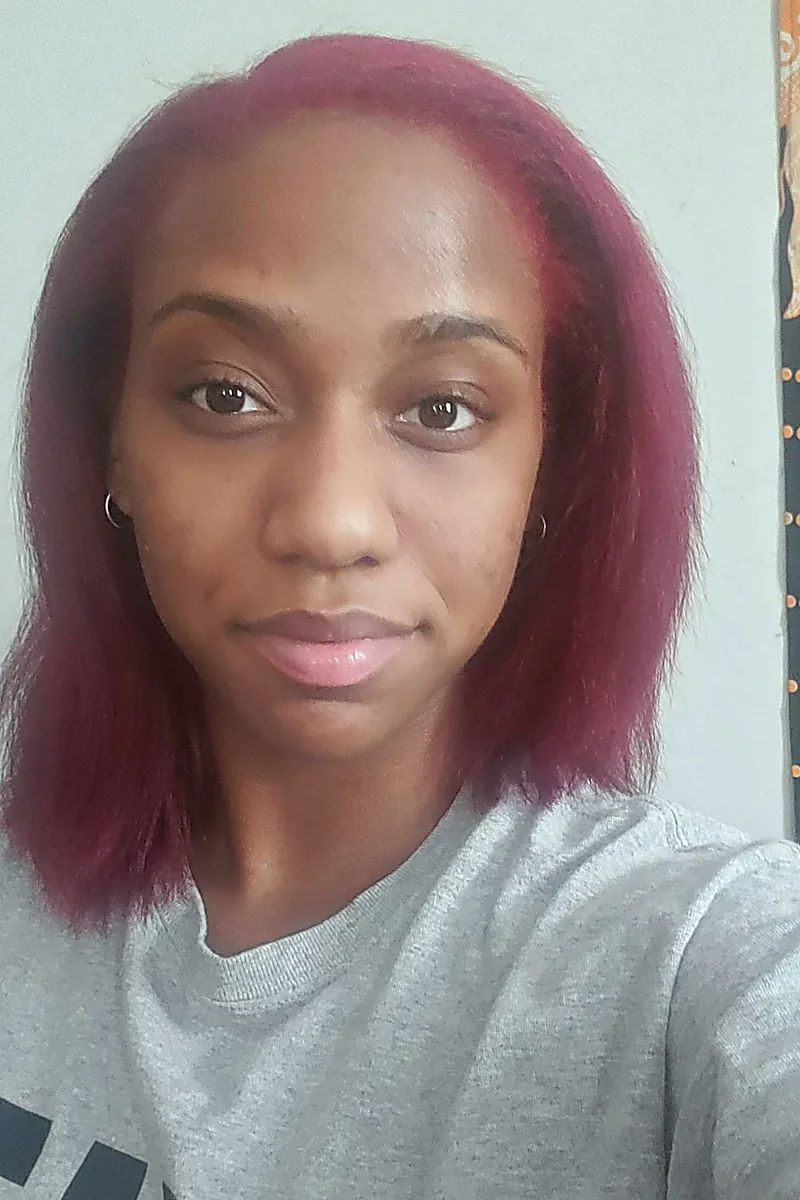
I received my bachelor's in science with a physics and writing major. I have taught physics and math for 5 years. I am comfortable teaching physics, from high school physics to university level quantum mechanics, and high school math.
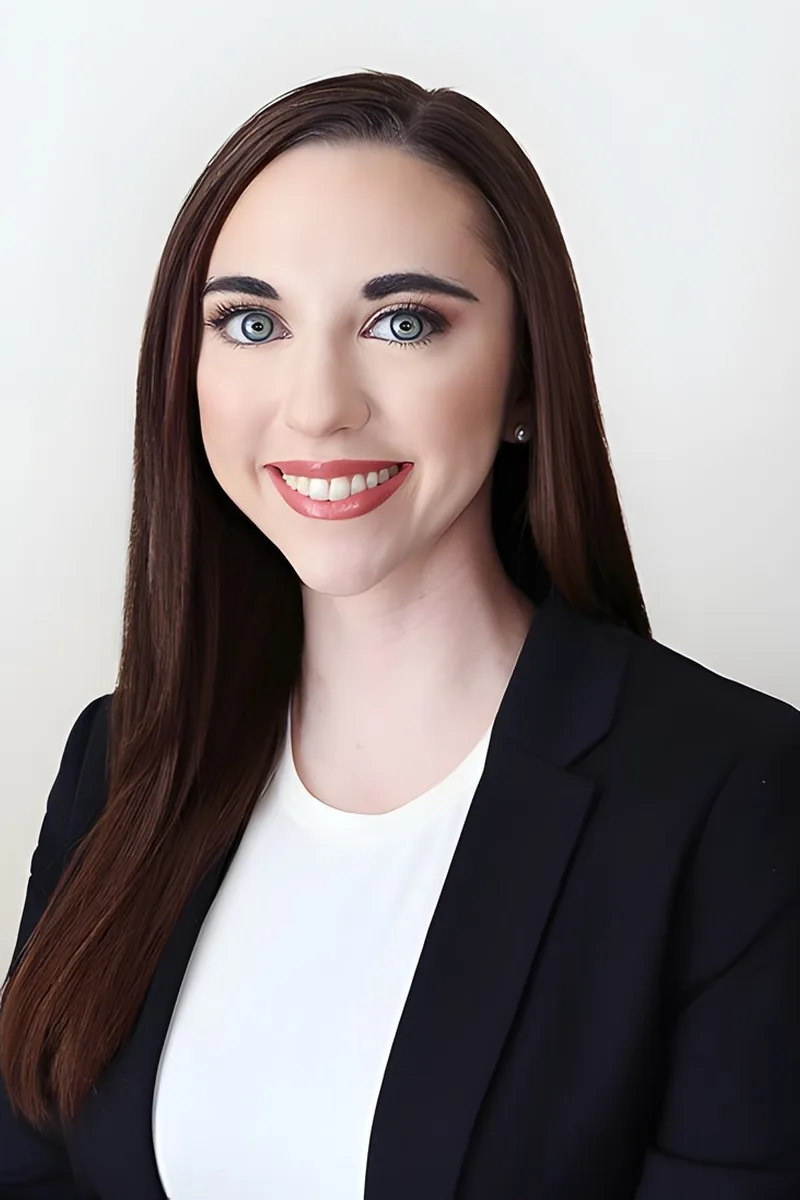
Preparing for the MCAT while holding down a full-time lab job meant Haley had to build a study system that actually worked under real constraints — not an idealized 12-hour-a-day schedule. She teaches concrete techniques like spaced repetition scheduling, active recall over passive re-reading, and how to triage material by exam weight. That framework applies whether a student is tackling organic chemistry or AP History.
Most study skills advice boils down to generic tips about flashcards and planners, but the real challenge is figuring out why a particular student's current approach isn't working. Joshua's experience tutoring in Stanford's Structured Liberal Education program — where students juggle dense reading across philosophy, literature, and science simultaneously — taught him how to diagnose where a student's workflow breaks down and rebuild it around their actual strengths.
Running a volunteer ACT prep program in high school taught Mustafa something important: most students don't lack ability, they lack a system. He tackles study skills by building concrete routines — active recall schedules, targeted practice over passive re-reading, and strategies for breaking large assignments into manageable pieces. Rated 5.0 by students.
Most students don't struggle because the material is too hard — they struggle because nobody taught them how to study it. Rosalyn tackles this head-on, teaching concrete techniques like spaced repetition, active recall, and how to break a large assignment into a realistic schedule. As a math major managing a demanding course load at Amherst College, she practices exactly what she teaches.
Strong study skills look different for every student, which is why Jennessa starts by figuring out how someone actually processes information before recommending any system. From there she tackles specifics — how to take notes that are actually useful for review, how to break a large assignment into manageable steps, and how to self-test instead of passively rereading. Her 5.0 rating speaks to how well that individualized approach lands.
Surviving a Georgia Tech aerospace engineering curriculum requires more than intelligence — it demands ruthless time management, active recall techniques, and knowing how to prioritize when everything feels urgent. Emma teaches those concrete systems: how to break a semester into weekly plans, how to self-test effectively, and how to identify which material actually needs the most attention.
Building good study habits early makes every other subject easier, and Nina specializes in working with younger learners who are still figuring out how to organize their time, take notes, and break assignments into manageable pieces. Her approach puts the student in the driver's seat — she teaches techniques like active recall and self-quizzing, then lets kids practice applying them independently.
Graduate-level wildlife research demands juggling field schedules, dense reading, lab deadlines, and writing — so Darcey built organizational systems out of necessity. She teaches students specific techniques like spaced retrieval practice, priority-based scheduling, and active note-taking methods tailored to how each person actually learns. Rated 4.8 by students.
Juggling multiple bachelor's degrees taught Victoria how to build systems — color-coded annotation methods, spaced repetition schedules, and prioritization frameworks that keep heavy reading loads manageable. She tailors these techniques to each student's actual coursework rather than offering generic advice. Students walk away with a concrete weekly workflow they can maintain on their own.
As a doctoral candidate in clinical psychology at Duke, Shelley specializes in attention management and executive functioning — the exact skills that underpin effective studying. She teaches concrete techniques like spaced retrieval, task prioritization, and realistic time-blocking, then tailors each strategy to how a particular student's attention and motivation actually work. Her 5.0 student rating speaks to the results.
Most students don't lack intelligence — they lack a system for organizing information, managing deadlines, and reviewing material before it fades. Sherry, who is pursuing a master's at Columbia's Teachers College, teaches concrete techniques like spaced retrieval, active note-taking frameworks, and priority-based planning that students can apply across every class on their schedule.
Three years as a teaching assistant at Notre Dame showed Connor that the students who struggled most often had the ability but lacked a system — they didn't know how to prioritize material, space out review sessions, or actively test themselves instead of passively rereading. He builds personalized study routines around techniques like retrieval practice and spaced repetition that translate across every subject. Rated 5.0 by students.
Surviving an accelerated MD/MBA program at Northwestern required Anna to master time management, active recall, spaced repetition, and strategic note-taking long before medical school. She teaches students how to build a study system that actually fits their schedule — from planning out a week of assignments to figuring out which review techniques work for different types of material.
Earning a master's in molecular biology while juggling dense coursework in biochemistry, genetics, and lab research forced Akarsh to develop concrete study systems — spaced repetition schedules, active recall techniques, and methods for prioritizing high-yield material. He teaches students to build these habits around their own courses rather than defaulting to passive re-reading and highlighting.
Years of coaching high school speech and debate taught Justin that most students don't lack ability — they lack a system for organizing information and managing their time across competing deadlines. He teaches concrete techniques like active reading annotation, spaced repetition for retention, and weekly planning frameworks that turn chaotic study habits into something sustainable.
A PhD in Education from Harvard gives Reid more than teaching credentials — it gives him a research-backed understanding of how learning actually works, from spaced repetition and active recall to metacognitive strategies that let students monitor their own comprehension. He breaks down the mechanics of note-taking, time management, and exam preparation into concrete systems students can customize for any class.
Between a philosophy degree at Northwestern and a JD at Loyola, Emily developed systems for managing dense reading loads, outlining complex arguments, and retaining large volumes of material under deadline pressure. She teaches students how to break assignments into manageable steps, build active reading habits, and organize notes so exam review doesn't start from scratch. These are the same strategies that got her through law school — adapted for high school and college coursework.
Princeton's Mechanical and Aerospace Engineering program demands serious time management — balancing problem sets, lab work, and exams across multiple technical courses simultaneously. Matthew applies that same structured approach to teaching study skills, showing students how to break large assignments into manageable steps, prioritize effectively, and build consistent review habits that actually stick.
Surviving MIT's math program and now a PhD at Georgia Tech taught Isabella something most study-skills advice ignores: different subjects demand different strategies. She teaches students concrete techniques — spaced retrieval for memorization-heavy courses, active problem sets for quantitative work, and structured planning for long-term projects — rather than generic tips about highlighters and flashcards.
Getting organized is only half the battle; the other half is figuring out how you actually learn best. Maya builds personalized systems around each student — whether that's spaced-repetition schedules for heavy memorization courses, active reading strategies for text-heavy classes, or goal-setting frameworks that turn vague intentions into weekly action plans.
Testimonials
Because the right Study Skills tutor makes all the difference.
Average Session Rating – Based on 3.4M Learner Ratings
Nearby Study Skills Tutors
Other Huntsville Tutors
Related Other Tutors in Huntsville
Frequently Asked Questions
Varsity Tutors matches Huntsville students with expert Study Skills tutors for 1-on-1 instruction. We pair each student with a tutor based on their specific needs, learning style, and goals.
Whether you need homework help, exam prep, or want to get ahead, our Study Skills tutors are ready to help.
Common challenges include gaps from earlier material, difficulty with specific concepts, and trouble applying learning to new problems. These issues can snowball quickly in Study Skills.
A tutor identifies where you're stuck, fills in gaps, and provides targeted practice. The 1-on-1 format means you get help exactly where you need it.
Tutors work with your student's actual coursework—homework assignments, class notes, and upcoming tests. This keeps tutoring directly relevant to what's happening in the classroom.
When you share information about your student's school and curriculum, we can match you with a tutor who has relevant experience.
All tutors complete background checks, credential verification, and teaching evaluation. Many of our Study Skills tutors hold advanced degrees or have years of teaching experience.
You can review tutor profiles to find someone with the right background for your student's level and needs.
Many students see improved grades within a few weeks, along with better understanding of Study Skills concepts and more confidence tackling challenging material.
Tutors track progress and adjust their approach to ensure continued improvement.
Most students benefit from 1-2 sessions per week. More frequent sessions help if your student is significantly behind or has an important exam coming up.
Your tutor can recommend a schedule based on your student's specific situation and goals.
Tutoring is purchased in packages of hours, with rates varying by tutor experience. Varsity Tutors offers several options to fit different budgets and needs.
You can discuss pricing during your consultation to find what works best.
Your tutor will assess where your student is, discuss goals, and start working on priority areas. Most students bring current homework or upcoming test material to focus on.
By the end, you'll have a clear sense of how the tutor can help and a plan for moving forward.
Let’s find your perfect tutor
Answer a few quick questions. We’ll recommend the right plan and match you with a top 5% tutor.