Award-Winning Reading Tutors
serving Gainesville, FL
Reading
Tutors in Gainesville
Private 1-on-1 tutoring, weekly live classes for academic support, test prep & enrichment, practice tests and diagnostics, and more to elevate grades and test scores.
Based on 3.4M Learner Ratings
UniversitiesSchools & Universities
DeliveredHours Delivered
ProficiencyGrowth in Proficiency
Who needs tutoring?
No obligation. Takes ~1 minute.
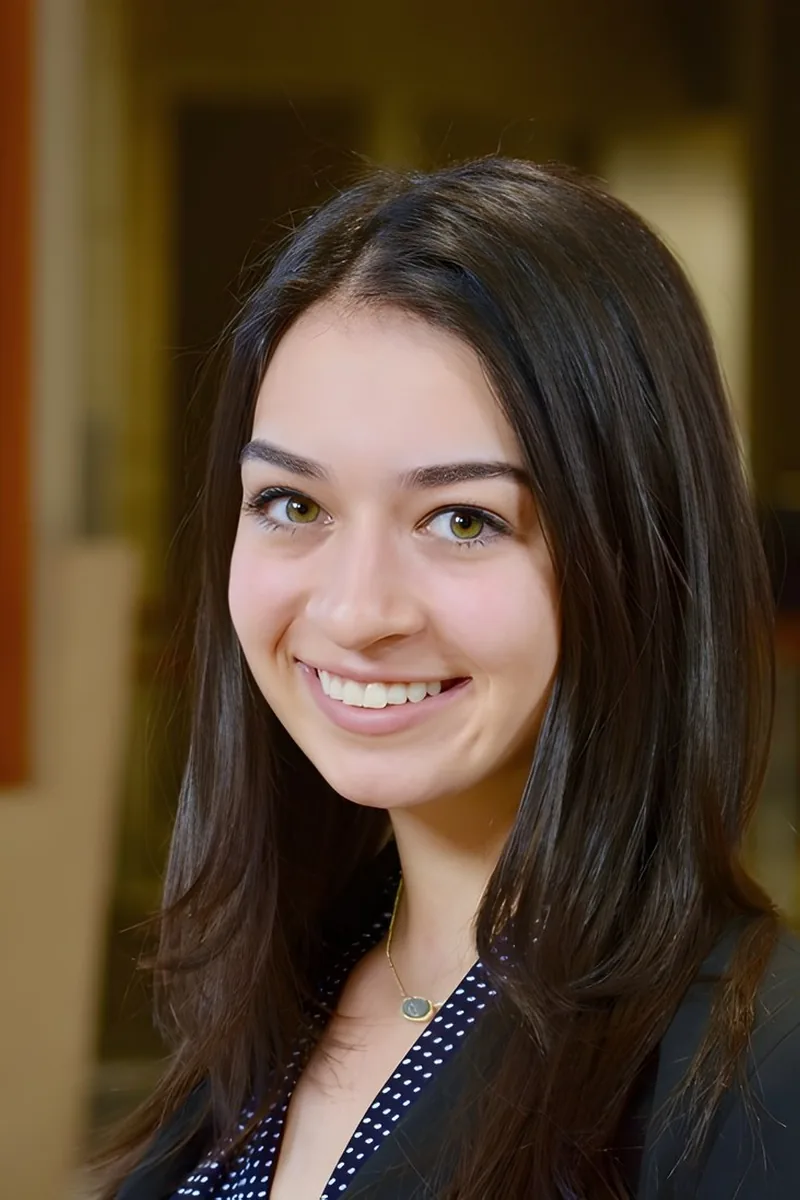
Before law school, Tiffany might have called herself a strong reader — after it, she understood what active reading actually means: annotating for structure, questioning the author's choices, and tracking how an argument develops across pages. She teaches these same strategies to students working on comprehension and critical analysis, breaking passages into manageable pieces so the main idea and supporting details become obvious.
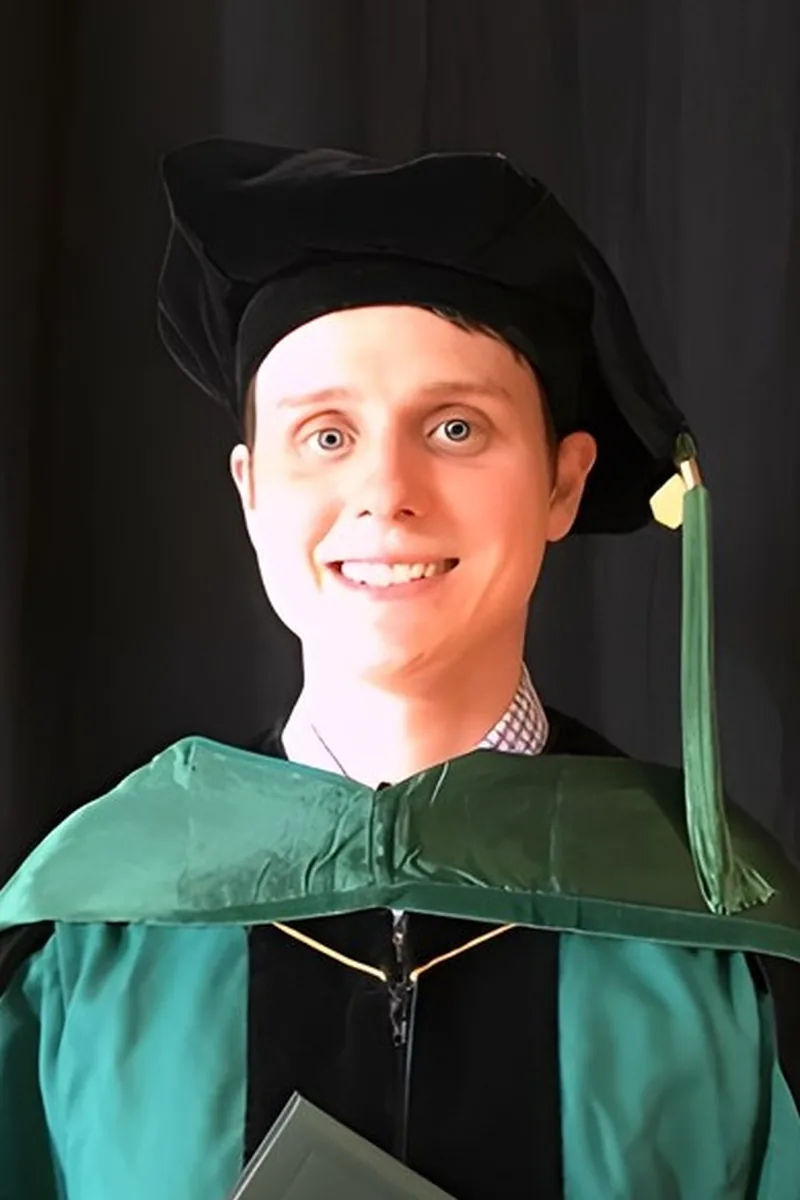
Strong readers don't just decode words — they actively predict, question, and synthesize as they move through a text. James developed his reading instruction over years in NYC public schools, where he taught students across wildly different skill levels to annotate passages, identify main ideas, and make inferences from context clues. He makes the invisible thinking that skilled readers do automatically into a visible, teachable process.
A psychology background from Brandeis and child development research at University College London gave Amanda a sharp eye for how students actually process what they're reading — where attention drifts, where meaning gets lost, and why some passages feel impenetrable while others flow. She uses that lens to teach concrete strategies like annotation, self-questioning, and paragraph summarization that turn passive page-scanning into active comprehension. Her 1470 SAT reflects the same disciplined, strategic reading she brings to sessions.
Engineering textbooks don't reward skimming — Apoorva learned that firsthand through a biomedical engineering degree where misreading one variable in a dense technical passage meant getting an entire problem wrong. She applies that same precision to teaching reading comprehension, showing students how to slow down, identify what a sentence is actually communicating, and build meaning across a full passage instead of grabbing at isolated details.
Breaking down a dense passage starts with knowing what to look for: tone shifts, the author's unstated assumptions, how one paragraph sets up the next. Andrew treats reading comprehension as an active skill — annotating, questioning, and summarizing in real time rather than passively scanning. His biology background means he's comfortable tackling nonfiction and scientific texts alongside literary ones.
Strong reading comprehension isn't just about vocabulary — it's about tracking an author's argument, recognizing tone shifts, and making inferences from context. Emerson's 1560 SAT score reflects the kind of active reading strategies he now breaks down for students at every level, from middle schoolers building fluency to high schoolers preparing for standardized tests. He adapts his approach to each student's sticking points, whether that's pacing, main-idea identification, or analyzing complex passages.
Muriel learned to read in French before she ever encountered an English sentence, so she understands exactly where comprehension breaks down — decoding unfamiliar vocabulary, tracking pronoun references across paragraphs, distinguishing main ideas from supporting details. She teaches active reading strategies like annotation and summarization that turn passive page-turning into genuine understanding. That multilingual foundation makes her especially effective with students who struggle to extract meaning from dense or unfamiliar texts.
Strong reading starts with knowing how to interrogate a text — identifying an author's purpose, tracking how an argument develops, and distinguishing evidence from opinion. Jess's English degree and legal career both demanded exactly this kind of critical reading, and she brings concrete annotation strategies that make dense or unfamiliar passages far more manageable.
Elementary and middle school math teaching taught Sabrina something most people overlook: the students who freeze during word problems almost always have a reading comprehension gap hiding underneath the math anxiety. She uses that crossover insight to teach readers how to slow down, pull apart what a sentence is actually asking, and build the kind of active comprehension habits that carry across every subject. Rated 5.0 by students.
Volunteering as an English tutor in rural Guatemala taught Marina something most reading instructors learn much later — that comprehension isn't just about vocabulary or fluency, but about connecting a text to what a reader already knows and cares about. Her Women's Studies background at UCLA, heavy on analyzing dense public health research and argumentative essays, gave her practice breaking down challenging nonfiction and teaching others to do the same.
Struggling readers often aren't lacking effort — they're missing specific comprehension strategies like identifying an author's purpose, tracking argument structure, or making inferences from context clues. Adam's linguistics background gives him a technical understanding of how language conveys meaning at the sentence and passage level. He breaks down reading into concrete, repeatable skills rather than treating it as a talent some students simply have.
St. John's College assigns nothing but primary sources — no textbooks, no summaries — which means Kelsey has spent years extracting meaning from dense, unfamiliar texts. She brings that same close-reading discipline to younger readers, teaching skills like identifying main ideas, making inferences, and distinguishing an author's purpose from their tone. Her volunteer tutoring with middle schoolers gives her a practical sense of where reading comprehension tends to break down.
Struggling readers often just need someone to slow down and teach them how to actively engage with a text — predicting, questioning, and summarizing as they go rather than passively scanning words. Kaitlyn brings five-plus years of tutoring experience across age groups and adapts her strategies to each student's reading level, from basic comprehension questions to inferential reasoning. Rated 4.8 by her students, she keeps sessions encouraging without lowering expectations.
Dylann's first teaching experience was through America Reads, where she designed individualized reading plans for kindergartners at varying skill levels, including students with learning differences. That early work gave her a practical understanding of how comprehension builds — from decoding and fluency all the way up to inference and critical analysis — and she adapts her approach depending on where a reader currently struggles.
I'm a firm believer in encouraging students to explain material in their own words to make sure each lesson "sticks."
Building real reading comprehension means learning to track an author's argument, identify supporting evidence, and make inferences — skills that don't come from just reading more. Anushree has direct experience mentoring younger students in reading and knows how to pinpoint where comprehension breaks down, whether it's vocabulary gaps, losing the main idea, or struggling with implicit meaning.
A communications master's degree and a PR undergrad at the University of Florida meant Lee spent years reading strategically — pulling the key message from press releases, op-eds, and media coverage where every word is chosen to persuade. That real-world fluency with persuasive and informational text shapes how she teaches comprehension: showing students how to identify what a writer wants them to think and which specific techniques are being used to get them there.
The IB curriculum demands close reading across genres — scientific papers, literary texts, philosophical arguments — all requiring different strategies for extracting meaning. Rithika brings that cross-disciplinary reading experience to sessions, teaching students how to annotate actively, identify an author's purpose, and distinguish main ideas from supporting detail. Her approach builds the kind of reading stamina that transfers across every subject.
Crystal's dual bachelor's degrees — one in broadcasting with an information emphasis, one in Spanish — meant she spent undergrad toggling between two completely different kinds of reading: analyzing media texts for structure and bias, then switching to literature in a second language where context clues were everything. That cross-training built a versatile comprehension toolkit she now brings to reading sessions, teaching students how to extract meaning from unfamiliar material by leaning on structure, tone, and surrounding context instead of panicking at the first difficult word.
Jackson treats reading as an active conversation with the text — teaching annotation strategies, inference-building, and how to track an author's argument across paragraphs. His biology background means he's comfortable pulling from both literary and scientific texts, so students get practice with a wide range of reading challenges. Rated 5.0 by students.
Strong reading skills come down to two things: understanding what the text actually says and figuring out what it implies. Hannah teaches students to slow down and annotate — identifying main ideas, making inferences, and connecting evidence across paragraphs. Her SAT score of 1400 shows she's practiced exactly the kind of close, analytical reading she now teaches.
Going through the full IB Programme from middle school onward meant Maria spent years tackling reading assignments that ranged from dense scientific articles to French literary texts — all requiring careful annotation and cross-referencing across sources. She breaks comprehension down into concrete steps, teaching students how to identify what a passage is asking them to understand before they try to answer questions about it. Rated 5.0 by students.
Technical communications training at UCF taught Robert something most English majors don't practice enough — reading for structure, where every paragraph has a job and every sentence either advances the point or doesn't. He applies that same analytical habit to tutoring, showing students how to map what a passage is doing before worrying about what it means, which makes everything from standardized test excerpts to assigned novels easier to break apart.
Stephanie tackles reading comprehension by teaching students to identify an author's argument before getting lost in details — a skill she sharpened parsing dense neuroscience research papers in college. She walks through strategies like annotation, summarization, and inference-building that transfer across fiction, nonfiction, and standardized test passages.
Strong readers don't just decode words — they actively question the text, predict what's coming, and connect new information to what they already know. Jairo teaches these comprehension strategies explicitly, whether a student is working through a middle-school novel or a dense nonfiction passage. He brings genuine enthusiasm for reading across genres, which tends to be contagious.
Understanding how language works at a structural level — something Zachary studied deeply as a linguistics major at Boston University — translates directly into stronger reading comprehension. He teaches students to track an author's argument, identify context clues for unfamiliar vocabulary, and distinguish main ideas from supporting details, building the kind of active reading habits that pay off across every subject.
Harrison's nanotechnology research and heavy science courseload mean he's spent years extracting precise meaning from papers where a misread clause changes the entire conclusion — a habit that sharpens how he teaches reading at any level. He breaks passages into their logical scaffolding, showing students how to identify what each paragraph actually contributes to an argument before moving on. His 1570 SAT and 4.9 rating speak to how well that analytical approach transfers.
Strong reading comprehension isn't about speed; it's about knowing what to pay attention to in a passage and what to let go. Jenna teaches active annotation strategies — identifying author's purpose, tracking tone shifts, and distinguishing main claims from supporting detail — that transfer across fiction, nonfiction, and standardized test passages alike.
I am a graduate of Rollins College in Winter Park, Florida. I recently received my Bachelor of Arts in Psychology in 2019 with a focus on neuropsychology. I have several years of experience in tutoring high school students for various math classes, as well as tutoring other undergraduate college students in math classes and psychology classes. I'm most passionate about the subject of clinical, cognitive, and neuropsychology, but I find most math subjects to be exciting and entertaining. I'm also experienced in editing and reviewing essays, as I am also APA certified. Regarding my future, I plan on completing a master's program for psychology followed by a Psy.D. program with a specialization in neuropsychology.
An avid reader himself, David breaks reading comprehension into concrete skills: identifying main ideas, making inferences from context clues, and distinguishing an author's purpose from their tone. He teaches students to annotate actively so they engage with a passage rather than just scanning it. This approach builds the kind of close-reading habits that transfer across every subject.
A Speech and Theater degree means Paige learned to read texts the way performers do — mining a piece for tone, intention, and the specific choices a writer makes to land a point. That skill transfers directly to comprehension work: she teaches students to ask *why* a passage is structured the way it is, turning passive reading into an active conversation with the text.
Translating dense academic sociology texts for University of Florida student-athletes taught Jake something specific about reading: comprehension breaks down when people passively scan instead of actively interrogating what's on the page. He applies that same principle now — training students to pause, ask what a paragraph is actually claiming, and connect new vocabulary to context clues before moving on. His CDC research internship keeps those analytical reading muscles sharp across scientific and nonfiction material.
Latin American Studies at the undergraduate level means Alyssa spent years pulling meaning from texts across genres — political essays, literary fiction, historical documents — where context and authorial intent shift constantly between cultures and languages. That cross-genre fluency makes her especially effective at teaching students how to adjust their reading approach depending on what's in front of them, whether it's a narrative passage or an argument-driven editorial. Rated 4.9 by students.
Whether a student is decoding chapter books for the first time or struggling to pull inferences from complex nonfiction, the core skill is the same: active engagement with the text. Melissa's English Literature degree and state teaching certification give her the tools to pinpoint exactly where comprehension breaks down — vocabulary, context clues, or passage structure — and address it directly. She adapts her methods to each reader's level and builds confidence alongside skill.
Pre-law coursework means Nagasai spends most of her study time doing exactly what strong readers do — pulling apart an author's argument, weighing evidence, and figuring out what's being implied versus what's stated on the page. She brings that same analytical habit to reading sessions, teaching students how to slow down and actually track what a passage is doing instead of skimming for surface-level answers. Rated 5.0 by students.
Decoding words is only the beginning; real reading means making inferences, identifying an author's purpose, and connecting new information to what you already know. Dolmecia has spent over two decades teaching reading using IEP-aligned strategies and hands-on approaches that make comprehension concrete. She's rated 4.5 by the families she's worked with.
Years of tutoring international students taught Annaleigh how to identify exactly where comprehension breaks down — whether it's unfamiliar vocabulary, dense sentence structure, or difficulty distinguishing main ideas from supporting details. She uses targeted annotation strategies and active-reading techniques to build the kind of independent reading habits that transfer across subjects.
Breaking down complex reports at Lockheed Martin and The Bank of New York taught Aqsa a transferable skill she now brings to reading sessions: how to extract the key point from dense, unfamiliar material without getting lost in the details. She walks students through strategies like identifying an author's purpose, summarizing paragraph by paragraph, and using context clues to decode vocabulary — the same structured approach she uses to digest business cases and financial analyses in her UCF coursework.
Struggling readers often aren't missing intelligence — they're missing strategies for annotation, inference, and self-monitoring comprehension. Heather holds a master's in Teacher Leadership and teaches across grade levels from adolescent to adult literacy, tailoring her approach to the specific reading barriers each student faces.
I am a licensed physician from Florida who is currently changing careers. I graduated from the University of Pennsylvania in 2009 and have extensive tutoring and editing experience. While a student, I became a certified writing tutor through the Critical Writing Department. Since I completed my writing requirement at the University prior to matriculating, I was the first freshman tutor to be accepted into this selective program. The tutoring program involved a preliminary peer-tutor training course prior to beginning tutoring, in order to certify that I had the appropriate background to provide professional feedback to fellow students on their literary works and projects. After graduation, I worked for a full-service learning center where I created and implemented high school lesson plans for home-schooled students, provided academic support for students ranging in ages from 8 to 20 years old, and taught group and individual standardized testing preparation classes. I have also assisted students with application essays for various undergraduate and graduate programs.
Testimonials
Because the right Reading tutor makes all the difference.
Average Session Rating – Based on 3.4M Learner Ratings
Nearby Reading Tutors
Other Gainesville Tutors
Related English Tutors in Gainesville
Frequently Asked Questions
Varsity Tutors matches Gainesville students with expert Reading tutors for 1-on-1 instruction. We pair each student with a tutor based on their specific needs, learning style, and goals.
Whether you need homework help, exam prep, or want to get ahead, our Reading tutors are ready to help.
Common challenges include gaps from earlier material, difficulty with specific concepts, and trouble applying learning to new problems. These issues can snowball quickly in Reading.
A tutor identifies where you're stuck, fills in gaps, and provides targeted practice. The 1-on-1 format means you get help exactly where you need it.
Tutors work with your student's actual coursework—homework assignments, class notes, and upcoming tests. This keeps tutoring directly relevant to what's happening in the classroom.
When you share information about your student's school and curriculum, we can match you with a tutor who has relevant experience.
All tutors complete background checks, credential verification, and teaching evaluation. Many of our Reading tutors hold advanced degrees or have years of teaching experience.
You can review tutor profiles to find someone with the right background for your student's level and needs.
Many students see improved grades within a few weeks, along with better understanding of Reading concepts and more confidence tackling challenging material.
Tutors track progress and adjust their approach to ensure continued improvement.
Most students benefit from 1-2 sessions per week. More frequent sessions help if your student is significantly behind or has an important exam coming up.
Your tutor can recommend a schedule based on your student's specific situation and goals.
Tutoring is purchased in packages of hours, with rates varying by tutor experience. Varsity Tutors offers several options to fit different budgets and needs.
You can discuss pricing during your consultation to find what works best.
Your tutor will assess where your student is, discuss goals, and start working on priority areas. Most students bring current homework or upcoming test material to focus on.
By the end, you'll have a clear sense of how the tutor can help and a plan for moving forward.
Let’s find your perfect tutor
Answer a few quick questions. We’ll recommend the right plan and match you with a top 5% tutor.