Award-Winning Essay Editing Tutors
serving Buffalo, NY
Essay Editing
Tutors in Buffalo
Private 1-on-1 tutoring, weekly live classes for academic support, test prep & enrichment, practice tests and diagnostics, and more to elevate grades and test scores.
Based on 3.4M Learner Ratings
UniversitiesSchools & Universities
DeliveredHours Delivered
ProficiencyGrowth in Proficiency
Who needs tutoring?
No obligation. Takes ~1 minute.
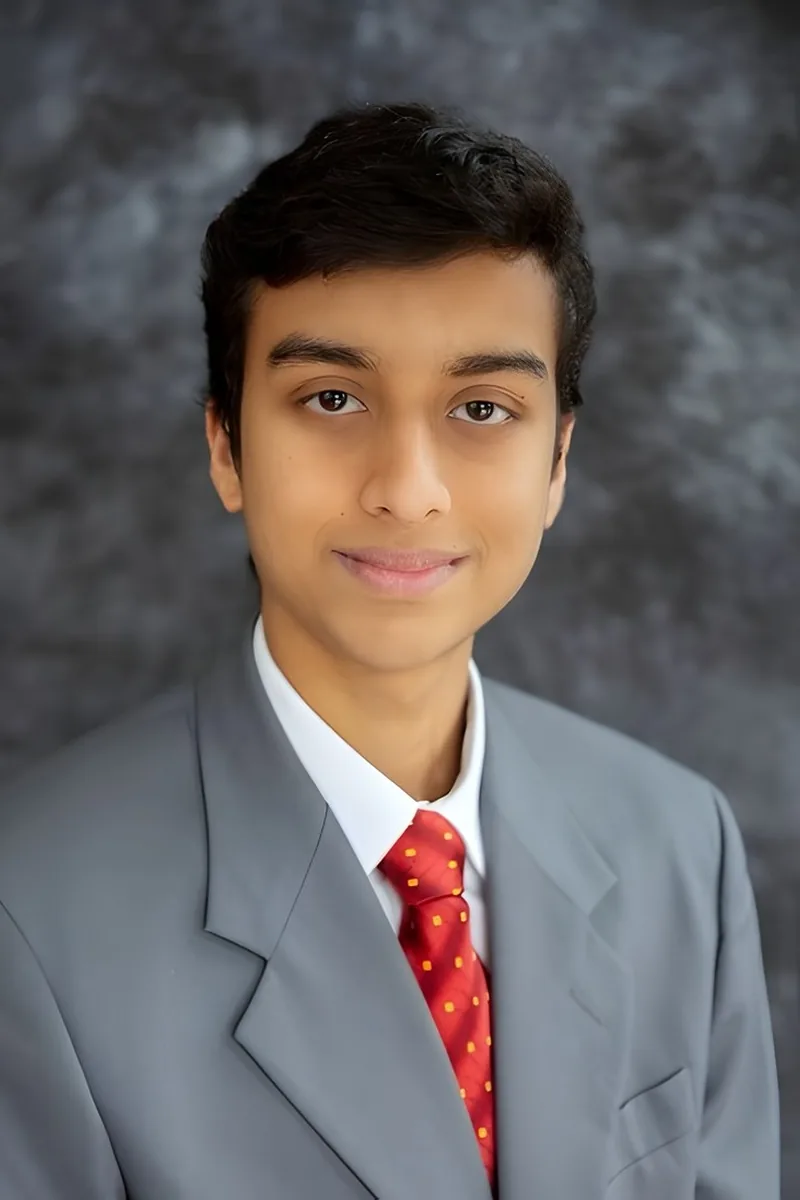
Good editing goes beyond fixing comma errors; it means tightening an argument's logic, cutting filler sentences, and making sure each paragraph earns its place. Sharan reviews essays at both the structural and sentence level, pointing out where claims need stronger evidence or where a transition buries the writer's actual point. She's rated 5.0 by the students she's worked with.
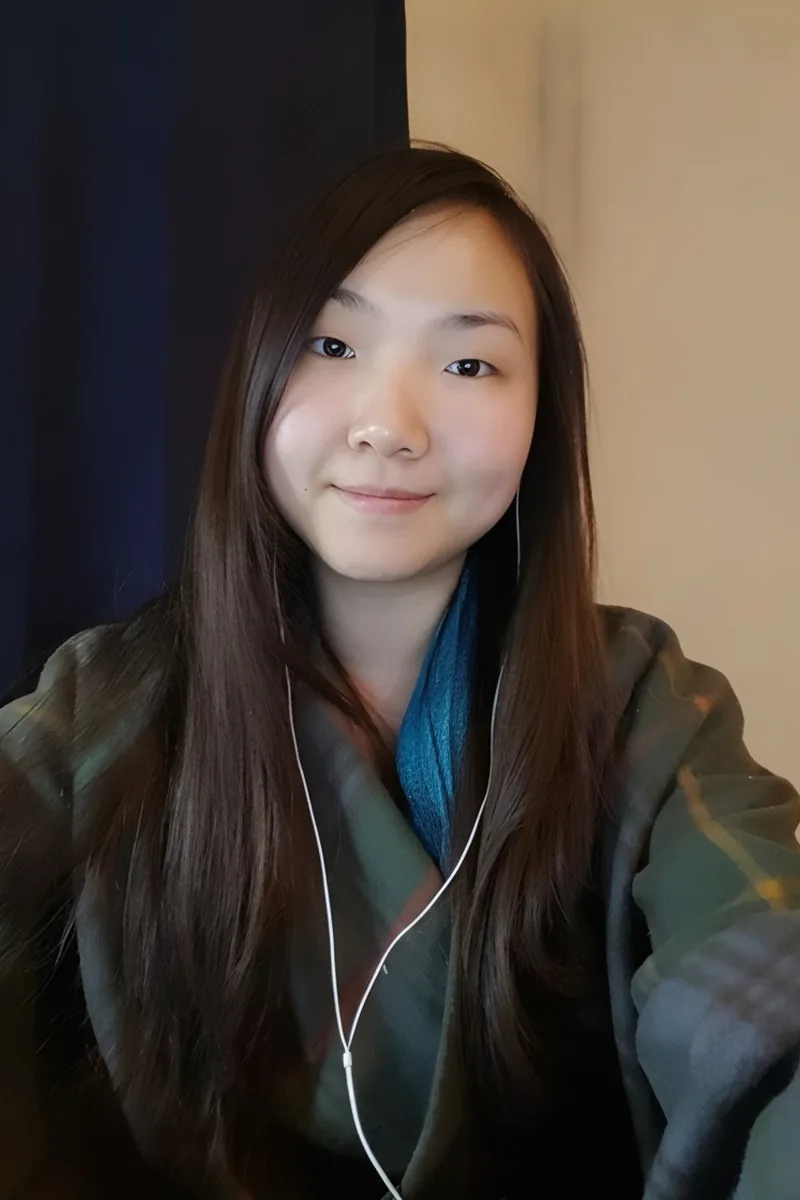
Good editing goes beyond catching comma splices — it means evaluating whether each paragraph advances the essay's argument and whether transitions actually connect ideas. Sophia approaches revision methodically, teaching students to audit their own drafts for clarity, redundancy, and logical flow so they develop an editing instinct they can reuse on every future paper.
Editing an essay well means more than fixing commas — it means evaluating whether each paragraph actually advances the argument. Daniel approaches revision structurally, asking students to map their thesis through every body paragraph before zooming in on sentence-level clarity and grammar. His analytical mindset as a math major makes him especially sharp at spotting gaps in logic or places where evidence doesn't quite support the claim.
Good editing goes beyond fixing comma splices — it means recognizing where an argument loses momentum, where a paragraph buries its own point, or where a transition asks the reader to make a leap the writer didn't earn. Deana reads drafts at both the sentence level and the structural level, giving feedback that tightens prose while preserving the writer's voice.
Sourav has spent years editing academic papers, grant proposals, and student writing at the university level, so he spots structural problems — weak thesis statements, unclear transitions, passive overuse — quickly. He marks up drafts with specific revision suggestions that teach students to self-edit over time. Rated 5.0 by students.
Editing an essay well requires seeing both the architecture and the details at the same time — whether the argument's logic holds paragraph to paragraph and whether each sentence earns its place. Sabry's academic writing background, sharpened through publishing research in peer-reviewed journals, makes him particularly effective at tightening thesis statements, eliminating redundancy, and strengthening transitions.
Editing an essay isn't just about fixing commas — James digs into argument structure first, making sure each paragraph earns its place and transitions logically to the next. Once the architecture is solid, he walks through sentence-level clarity, word choice, and grammar. His science background actually sharpens this work; writing concise lab reports at SUNY Geneseo trained him to cut filler ruthlessly.
Good editing goes beyond catching comma splices — it means evaluating whether each paragraph actually earns its place in the argument. Michaela's philosophy background makes her especially sharp at spotting logical gaps, weak transitions, and thesis statements that don't match the evidence a student has assembled. She's rated 5.0 by the students she's worked with.
Editing an essay isn't just catching comma splices — it's rethinking whether each paragraph actually earns its place in the argument. Ryan tackles structure and logic first, tightening thesis statements and transitions, before moving to sentence-level clarity and grammar. His accounting training gave him an eye for precision that translates surprisingly well to prose.
Editing isn't just about catching comma splices — it's about making sure every paragraph earns its place. Alex spent years writing and revising research papers and application essays, and he walks students through a revision process that targets argument structure, transitions, and clarity before polishing at the sentence level.
Tess trained as a print journalist at American University, where tight deadlines and editorial feedback were constant — so she knows how to sharpen a draft without flattening the writer's voice. She digs into structure, argument clarity, and sentence-level precision, whether the piece is a college application essay or a research paper.
Good essay editing goes beyond fixing commas — it means asking whether each paragraph earns its place and whether the argument actually lands. Caroline, who holds a degree in English Literature, reads drafts the way a professor would: checking thesis clarity, paragraph transitions, evidence integration, and whether the conclusion does more than restate the introduction. She marks up drafts with explanations, not just corrections, so the next essay comes out stronger from the start.
A strong essay usually isn't far from a messy first draft — it just needs someone to identify where the argument loses focus. Ashutosh zeroes in on thesis clarity, paragraph-level organization, and transitions, restructuring pieces so each sentence earns its place. His 5.0 rating speaks to how effectively he sharpens student writing.
Good editing goes beyond fixing commas; it asks whether each paragraph earns its place in the argument. Mimi reads student drafts with an eye for both structural coherence and sentence-level clarity, offering targeted feedback on transitions, evidence integration, and voice. Her background spans academic, creative, and admissions writing.
Strong writing is really about clear thinking, and Nina's training in biostatistics has made her ruthless about logical structure, precise language, and eliminating fluff. She's especially useful for students revising research papers, application essays, or any writing that needs to present a tight argument. Every edit comes with an explanation of why the change strengthens the piece.
Good editing isn't just catching comma splices — it's asking whether each paragraph actually advances the argument. Reid breaks the revision process into layers: first structure and logic, then clarity at the sentence level, then mechanics. His PhD training at Harvard required producing and refining academic writing under tight deadlines, and he brings that same systematic eye to student drafts.
Good editing is more than fixing typos — it's restructuring a paragraph so the argument actually lands, cutting the sentence that sounded smart but says nothing, and tightening transitions between ideas. Solange approaches each draft with the critical eye she developed through years of academic writing at Harvard and her work reviewing application materials in the admissions office.
Good essay editing goes beyond catching comma splices — it asks whether each paragraph earns its place and whether the argument actually progresses from one point to the next. Liz digs into structure, transitions, and evidence use before touching surface-level grammar, teaching students to self-edit with a hierarchy of concerns. Her humanities training at Washington University in St. Louis means she's comfortable editing across disciplines, from history research papers to personal narratives.
Strong analytical writing is a skill Justin honed across years of academic work at Washington University in St. Louis and the University of Chicago, where crafting clear arguments from complex ideas was a daily requirement. He brings that precision to essay editing — tightening thesis statements, restructuring paragraphs for logical flow, and cutting the filler that weakens an argument. Rated 5.0 by students.
Daniel's editing process starts with voice — making sure the writer's personality and intent come through clearly before touching a single comma. His background writing college essays and application materials means he knows how to preserve what makes a piece sound like its author while trimming the clutter that buries the point. Rated 5.0 by students.
Good editing goes beyond fixing commas; it asks whether each paragraph earns its place and whether the argument actually moves forward. Sabira's dual background in analytical writing and STEM-style precision makes her especially sharp at tightening thesis statements, smoothing transitions, and cutting filler without losing the writer's voice.
Strong editing goes beyond fixing commas — it means tightening argument structure, eliminating redundancy, and making sure every paragraph earns its place. James sharpens essays at both the sentence level (clarity, grammar, flow) and the structural level (thesis development, evidence integration, transitions). His experience editing personal statements for medical school and college admissions gives him a keen eye for what makes writing persuasive.
Good editing goes beyond catching typos; it means tightening an argument, smoothing transitions, and making sure every paragraph earns its place. Sherry's experience at 826, a literacy education organization, gave her years of practice reading student drafts across genres and skill levels. She pinpoints exactly where a piece loses clarity and shows the writer how to fix it — whether it's a high school research paper or a graduate school application.
Good editing goes beyond catching comma errors — it means tightening argument flow, eliminating redundancy, and making sure each paragraph earns its place. Sung approaches essay editing by first identifying the core claim a student is trying to make, then restructuring and refining sentence by sentence to sharpen that argument. His background in both scientific writing and creative reading gives him a versatile editorial eye, and his 5.0 rating speaks to the results.
Good editing isn't just fixing commas — it's diagnosing whether a paragraph actually earns its place in the argument. Josef approaches revision structurally first, checking that each section's logic holds up before tightening sentence-level clarity and tone. His 5.0 client rating speaks to the care he puts into each draft.
Good editing is more than fixing commas. Jennifer treats revision as a structural exercise: Does this paragraph earn its place? Does the transition actually connect two ideas, or just sit between them? Her MAT training at NYU sharpened her ability to diagnose what's not working in a draft and explain exactly how to fix it.
Good editing isn't just catching comma splices — it's hearing where an argument loses the reader and knowing how to restructure it. Zosia approaches each draft by identifying the single biggest thing holding it back, then works outward from there, covering clarity, transitions, and tone. Her 4.9 rating speaks to how much students value that targeted feedback.
Editing an essay well requires seeing both the big picture — argument, structure, flow — and the sentence-level details like clarity and word choice. Matthew approaches revision methodically, walking students through their drafts in layers: first tightening the thesis and organization, then sharpening individual paragraphs and transitions.
Meghan edits professionally at a trade magazine, which means she revises real prose under real deadlines every week. She applies that same eye to student work — tightening thesis statements, restructuring paragraphs for logical flow, and cutting filler — while explaining each change so students internalize the reasoning behind it.
Good essay editing goes beyond fixing comma splices — it means tightening an argument so every paragraph earns its place. Jai's experience writing at Stanford and crafting high-stakes documents in management consulting sharpened his ability to spot where an essay loses its reader and restructure it for clarity and impact.
A novel written under Joyce Carol Oates's mentorship, a creative writing award from Princeton, and years of professional writing have given Sash a sharp editorial eye. When editing student essays, Sash zeroes in on argument structure and paragraph-level logic first — making sure each claim earns its place — before tightening sentence-level issues like transitions, word choice, and clarity.
Good editing isn't just catching comma splices — it's recognizing when a paragraph buries its strongest idea or when a transition leaves the reader stranded. Julie approaches every draft with a structural eye first, then tightens at the sentence level, teaching students to internalize the revision process rather than depend on someone else's red pen.
A good essay edit isn't just about fixing commas — it's about tightening an argument so every paragraph earns its place. Maya breaks drafts down at the structural level first, examining thesis clarity, evidence integration, and paragraph transitions before moving into sentence-level polish. Her Yale writing background means she knows what sharp academic prose looks like across disciplines.
Editing an essay well means more than catching typos — it means tightening arguments, cutting filler, and making sure every paragraph earns its place. Richard's Government coursework at Harvard requires constant revision of analytical writing, and his experience with college essays gives him a sharp eye for structure, clarity, and persuasive flow.
Most students know their draft needs work but can't pinpoint what's off — is it the argument's logic, the paragraph structure, or just awkward phrasing? Garrett tackles essay editing by diagnosing the biggest structural issue first, then moving to sentence-level clarity, so revisions feel purposeful rather than overwhelming. He's edited across academic disciplines, from lab reports to literary analyses, and adjusts his feedback to match each assignment's expectations.
Good editing is about more than catching comma splices — it's about hearing where a sentence loses momentum or where an argument buries its strongest point. Vivian walks through drafts at both the structural and line-editing level, teaching students to diagnose issues like weak thesis statements, unclear transitions, and passive constructions on their own. Her 4.9 rating speaks to how quickly students sharpen their revision instincts.
A strong essay often hides inside a messy first draft, and Julia's editing approach is about uncovering it — restructuring arguments, tightening thesis statements, and cutting the filler that buries a writer's best ideas. Her academic research experience at Stanford sharpened her eye for logical flow and evidence integration, whether the piece is a college application essay or a term paper.
Good essay editing goes beyond fixing commas — it means evaluating whether each paragraph earns its place and whether the thesis actually threads through every section. Judah approaches revision structurally first, tightening arguments and cutting filler, then moves to sentence-level clarity and grammar. His own writing practice across both scientific and creative contexts gives him a sharp eye for tone and precision.
Good editing isn't just fixing commas — it's restructuring an argument so each paragraph does real work. Noah approaches essay revision by first evaluating thesis clarity and logical flow, then tightening prose at the sentence level. His background in political science writing at Penn means he's spent years sharpening arguments under strict word limits.
A strong essay isn't just error-free — it has an argument that builds momentum from sentence to sentence. Matthew edits for structural logic first, showing students how to tighten thesis statements, cut redundant paragraphs, and sharpen transitions before polishing at the word level. As a working songwriter and Stanford grad, he has a keen ear for voice and rhythm in prose.
Testimonials
Because the right Essay Editing tutor makes all the difference.
Average Session Rating – Based on 3.4M Learner Ratings
Nearby Essay Editing Tutors
Other Buffalo Tutors
Related English Tutors in Buffalo
Frequently Asked Questions
Essay editing tutoring goes beyond basic proofreading—it focuses on strengthening your argument, clarifying your thesis, improving organization, and developing your unique voice as a writer. A tutor will review your drafts, identify areas where your ideas can be more compelling, help you eliminate redundancy, and ensure your essay flows logically from introduction through conclusion. This personalized feedback helps you understand not just what to fix, but why those changes matter.
Typically, you'll share a draft with your tutor, who reviews it and provides detailed feedback on structure, argumentation, clarity, and style. During your session, your tutor will walk you through their observations, explain specific revisions, and teach you strategies to apply to future essays. Rather than simply correcting errors, the focus is on helping you develop stronger writing skills so you can edit your own work more effectively over time.
Many students struggle with organizing their ideas into a clear structure, developing a strong thesis statement, or supporting claims with solid evidence. Others face writer's block, difficulty transitioning between paragraphs, or confusion about citation styles like MLA or APA. Personalized tutoring addresses your specific challenges—whether you need help brainstorming, outlining, strengthening your argument, or polishing grammar and style—so you can tackle these issues confidently in future assignments.
Absolutely. Many students write in an overly formal or stiff style because they think that's what's expected, losing their authentic voice in the process. A tutor can help you find the balance between academic rigor and natural expression, showing you how to maintain clarity while letting your perspective shine through. Through targeted feedback and revision practice, you'll learn to write with confidence and personality while still meeting academic standards.
Yes. Whether you're working with MLA, APA, Chicago, or another citation style, a tutor can clarify formatting rules and help you integrate sources smoothly into your essay. Beyond just fixing citations, they'll teach you how to introduce sources effectively, paraphrase properly, and avoid plagiarism. Understanding these skills now will save you time and stress on every essay you write going forward.
Literary analysis requires both strong reading comprehension and the ability to support interpretations with textual evidence. A tutor can help you move beyond plot summary to develop meaningful arguments about theme, symbolism, character development, or literary devices. They'll guide you in selecting relevant quotes, analyzing their significance, and building a cohesive argument—skills that strengthen all your analytical writing, not just literature essays.
Bring any essay drafts you're working on, assignment guidelines from your teacher, and notes about areas where you'd like feedback—whether that's organization, argument strength, grammar, or something else. If you don't have a draft yet, you can discuss your assignment and brainstorm ideas together. The more context you provide, the more targeted and helpful your tutor's feedback will be.
Many students notice stronger organization and clearer arguments after just a few sessions, especially when they actively apply feedback to new assignments. Developing a more polished writing style and confident voice typically takes longer—usually several weeks of consistent practice and revision. The key is treating each tutoring session as a learning opportunity and implementing the strategies your tutor teaches you in all your future writing.
Let’s find your perfect tutor
Answer a few quick questions. We’ll recommend the right plan and match you with a top 5% tutor.