Award-Winning Essay Editing Tutors
serving Rochester, NY
Essay Editing
Tutors in Rochester
Private 1-on-1 tutoring, weekly live classes for academic support, test prep & enrichment, practice tests and diagnostics, and more to elevate grades and test scores.
Based on 3.4M Learner Ratings
UniversitiesSchools & Universities
DeliveredHours Delivered
ProficiencyGrowth in Proficiency
Who needs tutoring?
No obligation. Takes ~1 minute.

A strong essay becomes stronger when someone can pinpoint exactly where the argument loses momentum or where a transition falls flat. Mica's background writing research papers across anthropology and science studies at Stanford trained her to edit for both structural coherence and sentence-level clarity — skills she applies whether the piece is a personal narrative or an analytical paper.
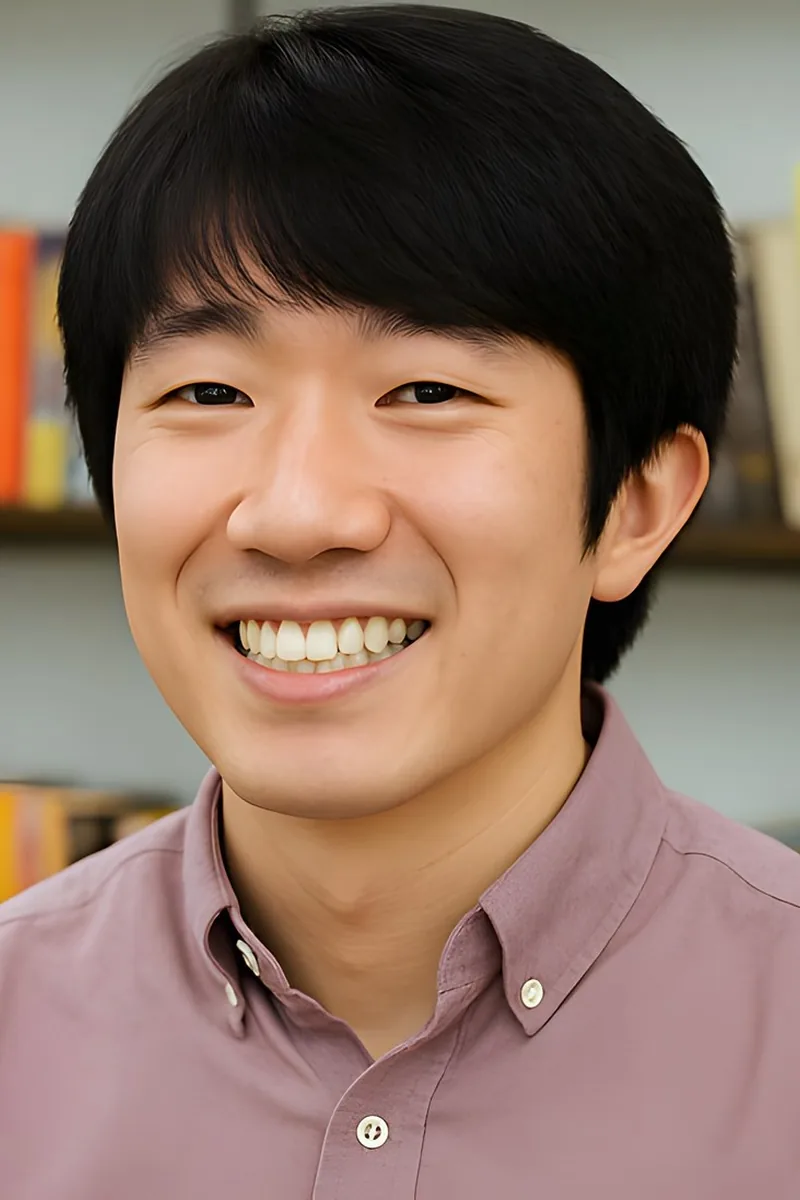
Good essay editing goes beyond fixing commas — it means questioning whether each paragraph actually advances the argument. Andrew reads student drafts the way he was trained to evaluate research writing: checking logical flow, tightening transitions, and cutting filler so the central claim comes through sharply.
Editing is where Wesley's engineering background becomes unexpectedly useful — he reads drafts the way he reads research papers, checking whether each paragraph earns its place and whether the argument actually holds together. He tackles everything from thesis clarity and paragraph transitions to sentence-level issues like wordiness and passive voice. His feedback is specific and actionable, not vague margin notes that leave students guessing.
Strong essay editing goes beyond fixing commas — it means tightening arguments, cutting filler, and making sure each paragraph earns its place. Ben reads widely and writes regularly, which gives him a sharp eye for structure, tone, and clarity at every level of a draft. He's particularly good at identifying where an essay's logic breaks down and showing the writer how to rebuild it.
Good editing goes beyond fixing commas; it asks whether each paragraph earns its place in the argument. Mimi reads student drafts with an eye for both structural coherence and sentence-level clarity, offering targeted feedback on transitions, evidence integration, and voice. Her background spans academic, creative, and admissions writing.
Strong writing is really about clear thinking, and Nina's training in biostatistics has made her ruthless about logical structure, precise language, and eliminating fluff. She's especially useful for students revising research papers, application essays, or any writing that needs to present a tight argument. Every edit comes with an explanation of why the change strengthens the piece.
Good editing isn't just catching comma splices — it's asking whether each paragraph actually advances the argument. Reid breaks the revision process into layers: first structure and logic, then clarity at the sentence level, then mechanics. His PhD training at Harvard required producing and refining academic writing under tight deadlines, and he brings that same systematic eye to student drafts.
Good editing is more than fixing typos — it's restructuring a paragraph so the argument actually lands, cutting the sentence that sounded smart but says nothing, and tightening transitions between ideas. Solange approaches each draft with the critical eye she developed through years of academic writing at Harvard and her work reviewing application materials in the admissions office.
Good essay editing goes beyond catching comma splices — it asks whether each paragraph earns its place and whether the argument actually progresses from one point to the next. Liz digs into structure, transitions, and evidence use before touching surface-level grammar, teaching students to self-edit with a hierarchy of concerns. Her humanities training at Washington University in St. Louis means she's comfortable editing across disciplines, from history research papers to personal narratives.
Strong analytical writing is a skill Justin honed across years of academic work at Washington University in St. Louis and the University of Chicago, where crafting clear arguments from complex ideas was a daily requirement. He brings that precision to essay editing — tightening thesis statements, restructuring paragraphs for logical flow, and cutting the filler that weakens an argument. Rated 5.0 by students.
Strong editing goes beyond fixing commas — it means tightening argument structure, eliminating redundancy, and making sure every paragraph earns its place. James sharpens essays at both the sentence level (clarity, grammar, flow) and the structural level (thesis development, evidence integration, transitions). His experience editing personal statements for medical school and college admissions gives him a keen eye for what makes writing persuasive.
Daniel's editing process starts with voice — making sure the writer's personality and intent come through clearly before touching a single comma. His background writing college essays and application materials means he knows how to preserve what makes a piece sound like its author while trimming the clutter that buries the point. Rated 5.0 by students.
Good editing goes beyond fixing commas; it asks whether each paragraph earns its place and whether the argument actually moves forward. Sabira's dual background in analytical writing and STEM-style precision makes her especially sharp at tightening thesis statements, smoothing transitions, and cutting filler without losing the writer's voice.
Good editing goes beyond catching typos; it means tightening an argument, smoothing transitions, and making sure every paragraph earns its place. Sherry's experience at 826, a literacy education organization, gave her years of practice reading student drafts across genres and skill levels. She pinpoints exactly where a piece loses clarity and shows the writer how to fix it — whether it's a high school research paper or a graduate school application.
Good editing goes beyond catching comma errors — it means tightening argument flow, eliminating redundancy, and making sure each paragraph earns its place. Sung approaches essay editing by first identifying the core claim a student is trying to make, then restructuring and refining sentence by sentence to sharpen that argument. His background in both scientific writing and creative reading gives him a versatile editorial eye, and his 5.0 rating speaks to the results.
Good editing is more than fixing commas. Jennifer treats revision as a structural exercise: Does this paragraph earn its place? Does the transition actually connect two ideas, or just sit between them? Her MAT training at NYU sharpened her ability to diagnose what's not working in a draft and explain exactly how to fix it.
A novel written under Joyce Carol Oates's mentorship, a creative writing award from Princeton, and years of professional writing have given Sash a sharp editorial eye. When editing student essays, Sash zeroes in on argument structure and paragraph-level logic first — making sure each claim earns its place — before tightening sentence-level issues like transitions, word choice, and clarity.
Good editing isn't just catching comma splices — it's hearing where an argument loses the reader and knowing how to restructure it. Zosia approaches each draft by identifying the single biggest thing holding it back, then works outward from there, covering clarity, transitions, and tone. Her 4.9 rating speaks to how much students value that targeted feedback.
Good essay editing goes beyond fixing comma splices — it means tightening an argument so every paragraph earns its place. Jai's experience writing at Stanford and crafting high-stakes documents in management consulting sharpened his ability to spot where an essay loses its reader and restructure it for clarity and impact.
Meghan edits professionally at a trade magazine, which means she revises real prose under real deadlines every week. She applies that same eye to student work — tightening thesis statements, restructuring paragraphs for logical flow, and cutting filler — while explaining each change so students internalize the reasoning behind it.
Good editing isn't just catching comma splices — it's recognizing when a paragraph buries its strongest idea or when a transition leaves the reader stranded. Julie approaches every draft with a structural eye first, then tightens at the sentence level, teaching students to internalize the revision process rather than depend on someone else's red pen.
Good editing isn't just fixing commas — it's diagnosing whether a paragraph actually earns its place in the argument. Josef approaches revision structurally first, checking that each section's logic holds up before tightening sentence-level clarity and tone. His 5.0 client rating speaks to the care he puts into each draft.
Editing an essay well requires seeing both the big picture — argument, structure, flow — and the sentence-level details like clarity and word choice. Matthew approaches revision methodically, walking students through their drafts in layers: first tightening the thesis and organization, then sharpening individual paragraphs and transitions.
A good essay edit isn't just about fixing commas — it's about tightening an argument so every paragraph earns its place. Maya breaks drafts down at the structural level first, examining thesis clarity, evidence integration, and paragraph transitions before moving into sentence-level polish. Her Yale writing background means she knows what sharp academic prose looks like across disciplines.
Editing an essay well means more than catching typos — it means tightening arguments, cutting filler, and making sure every paragraph earns its place. Richard's Government coursework at Harvard requires constant revision of analytical writing, and his experience with college essays gives him a sharp eye for structure, clarity, and persuasive flow.
Most students know their draft needs work but can't pinpoint what's off — is it the argument's logic, the paragraph structure, or just awkward phrasing? Garrett tackles essay editing by diagnosing the biggest structural issue first, then moving to sentence-level clarity, so revisions feel purposeful rather than overwhelming. He's edited across academic disciplines, from lab reports to literary analyses, and adjusts his feedback to match each assignment's expectations.
Good editing is about more than catching comma splices — it's about hearing where a sentence loses momentum or where an argument buries its strongest point. Vivian walks through drafts at both the structural and line-editing level, teaching students to diagnose issues like weak thesis statements, unclear transitions, and passive constructions on their own. Her 4.9 rating speaks to how quickly students sharpen their revision instincts.
Strong essay editing goes beyond fixing commas — it means restructuring a paragraph so the argument actually lands. Allen zeroes in on thesis clarity, logical transitions between claims, and whether each piece of evidence is doing real work or just taking up space. His experience reviewing college application essays and academic writing at Yale gives him a sharp eye for what tightens a draft versus what clutters it.
Good editing is more than fixing commas — it's figuring out where an argument loses the reader, where a paragraph buries its point, and where a sentence tries to do too much at once. Ayako approaches each draft at the structural level first, then tightens language and mechanics in a second pass. Her English training at Trinity College Dublin makes her especially sharp on academic and application essays.
Journalism training at NYU taught Michelle to self-edit ruthlessly — cutting filler, tightening arguments, and restructuring paragraphs so each one earns its place. She applies that same editorial eye to student essays, walking through thesis clarity, evidence integration, and transitions sentence by sentence. Rated 5.0 by students.
A rough draft already contains the essay's best ideas — the challenge is cutting what's redundant, tightening transitions, and making the thesis impossible to miss. Evan approaches editing as a structural exercise first, examining whether paragraphs earn their place before moving to sentence-level polish. His background writing research papers and screenplays at Northwestern sharpened his eye for both academic and creative prose.
Good essay editing goes beyond fixing commas — it means evaluating whether each paragraph earns its place and whether the thesis actually threads through every section. Judah approaches revision structurally first, tightening arguments and cutting filler, then moves to sentence-level clarity and grammar. His own writing practice across both scientific and creative contexts gives him a sharp eye for tone and precision.
Good editing isn't just fixing commas — it's restructuring an argument so each paragraph does real work. Noah approaches essay revision by first evaluating thesis clarity and logical flow, then tightening prose at the sentence level. His background in political science writing at Penn means he's spent years sharpening arguments under strict word limits.
Good editing isn't just fixing commas — it's seeing the gap between what a writer intended and what actually landed on the page. Camille's writing center training at Duke taught her to diagnose structural problems like buried thesis statements, weak transitions, and paragraphs that drift from their topic sentences. She walks through each draft with students so they learn to self-edit, not just accept corrections.
Editing an essay well means more than fixing commas; it means asking whether each paragraph actually earns its place in the argument. Vansh approaches revision as a structural exercise first — examining thesis clarity, evidence selection, and logical flow — before tightening sentence-level grammar and word choice. That top-down method keeps students from polishing prose that doesn't yet say what it needs to.
A strong essay isn't just error-free — it has an argument that builds momentum from sentence to sentence. Matthew edits for structural logic first, showing students how to tighten thesis statements, cut redundant paragraphs, and sharpen transitions before polishing at the word level. As a working songwriter and Stanford grad, he has a keen ear for voice and rhythm in prose.
Editing someone else's essay is a different skill than writing one — it requires reading for structure, clarity, and argument before touching a single comma. Rachel approaches each draft by first identifying whether the thesis actually does what the assignment asks, then working outward to paragraph organization and sentence-level revision. Her background in writing and history means she can edit across disciplines, from lab reports to personal statements.
Good editing isn't just catching comma splices — it's recognizing where an argument loses its thread or where a paragraph buries its strongest sentence. Ian reads drafts with an eye for logical structure, clarity, and voice, then walks through revisions so the writer understands the reasoning behind every change. His experience editing college essays and academic writing makes the feedback specific and actionable.
Editing someone else's essay requires a different skill set than writing your own — it means diagnosing unclear thesis statements, spotting logical gaps between paragraphs, and tightening prose without erasing the writer's voice. Nicholas, who holds a master's focused on language and pedagogy, walks students through each revision layer: argument first, then structure, then sentence-level clarity. He's rated 5.0 across his tutoring subjects.
A good edit isn't just about fixing errors — it's about tightening argument structure, eliminating redundancy, and making every paragraph earn its place. Michelle walks through drafts with a developmental editor's mindset, addressing thesis clarity and paragraph-level logic before moving to sentence-level polish. Rated 4.9 by her students.
Testimonials
Because the right Essay Editing tutor makes all the difference.
Average Session Rating – Based on 3.4M Learner Ratings
Nearby Essay Editing Tutors
Other Rochester Tutors
Related English Tutors in Rochester
Frequently Asked Questions
Essay editing tutoring focuses on helping you strengthen every aspect of your writing—from thesis development and argument structure to sentence-level clarity and style. A tutor will work with your drafts to identify areas for improvement, teach you revision strategies, and help you understand the principles behind effective writing so you can apply them to future assignments.
You'll typically share a draft or outline with your tutor, who will provide detailed feedback on organization, argumentation, clarity, and grammar. Rather than just correcting errors, tutors help you understand *why* changes matter and guide you through revising your own work. This personalized approach helps you develop stronger writing skills that carry over to all your essays.
Absolutely. Many students struggle with essay structure—knowing how to introduce a thesis, build supporting paragraphs, and create smooth transitions. A tutor can help you outline your ideas, strengthen your thesis statement, arrange evidence logically, and ensure each paragraph serves a clear purpose in your argument.
Grammar focuses on correctness—punctuation, verb tense, sentence fragments. Style is about voice, word choice, and flow—making your writing engaging and clear. Essay editing tutoring covers both: a tutor will help you catch errors *and* develop your unique voice so your writing is not just correct, but compelling.
Yes. Whether you're working with MLA, APA, Chicago, or another citation style, tutors can help you format sources correctly and integrate quotes smoothly into your writing. They'll also teach you *why* proper citations matter and help you avoid plagiarism through paraphrasing and attribution strategies.
Writer's block often stems from unclear thinking or fear of starting. A tutor can help you brainstorm ideas, break the writing process into manageable steps, and talk through your argument before you write. This personalized guidance makes it easier to get words on the page and build momentum.
Yes. Literary analysis requires both strong reading comprehension and essay writing skills. Tutors help you develop interpretations of texts, support claims with textual evidence, and articulate your analysis clearly. Whether you're analyzing poetry, novels, or plays, personalized tutoring helps you move beyond summary to genuine critical thinking.
Bring any essay drafts you're working on, assignment prompts, and examples of feedback you've received. If you don't have a draft yet, bring notes or ideas you're considering. This gives your tutor a clear picture of your current writing level and specific areas where you need support.
Let’s find your perfect tutor
Answer a few quick questions. We’ll recommend the right plan and match you with a top 5% tutor.