Award-Winning Essay Editing Tutors
serving Bronx, NY
Essay Editing
Tutors in Bronx
Private 1-on-1 tutoring, weekly live classes for academic support, test prep & enrichment, practice tests and diagnostics, and more to elevate grades and test scores.
Based on 3.4M Learner Ratings
UniversitiesSchools & Universities
DeliveredHours Delivered
ProficiencyGrowth in Proficiency
Who needs tutoring?
No obligation. Takes ~1 minute.

Good editing goes beyond fixing commas — it means reworking a muddled thesis into a sharp one, cutting paragraphs that don't earn their place, and tightening transitions so the argument actually flows. Michael refined these skills working with both undergraduate and graduate writers at his college's Writing Center, where he reviewed everything from lab reports to humanities papers. He approaches each draft by identifying the strongest idea already in it, then restructuring around that core.
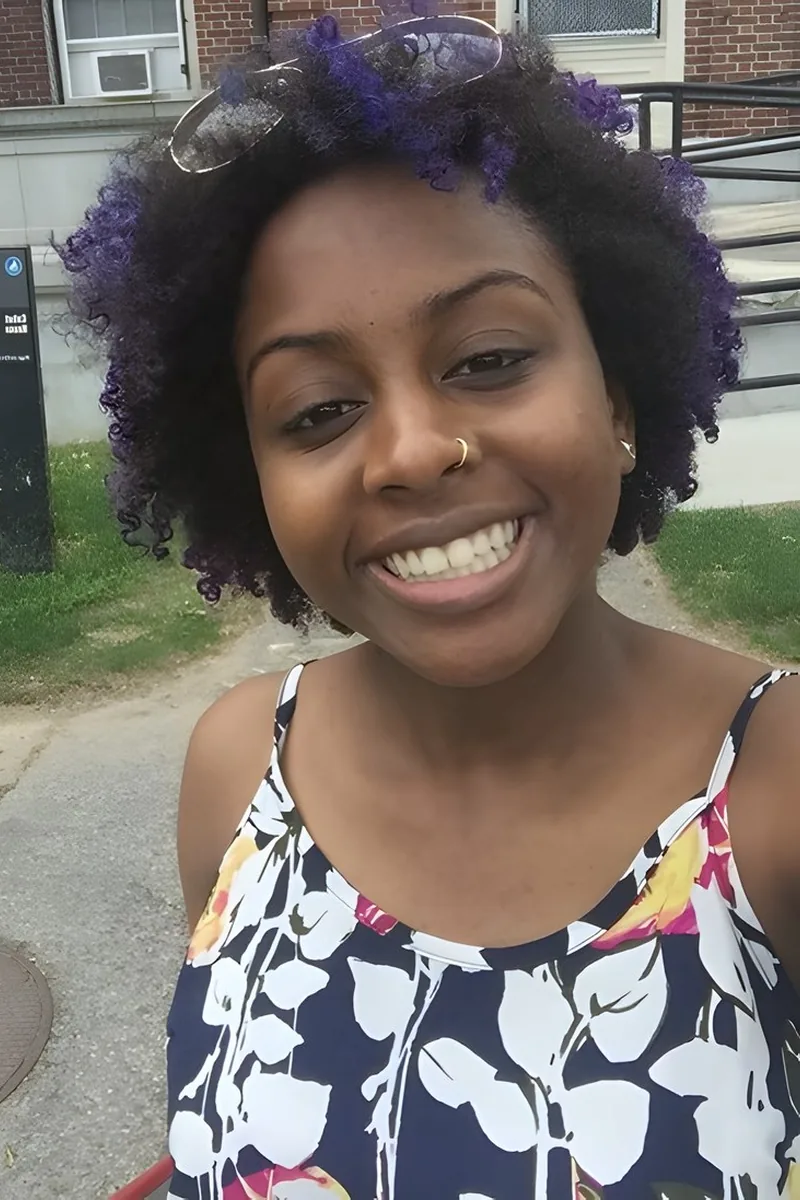
A good edit isn't about fixing commas — it's about seeing where an argument loses its thread or where a paragraph buries its strongest point. Gabriela approaches essay editing by first identifying what a draft is actually trying to say, then restructuring and tightening until the writing matches the intention. Her 5.0 rating speaks to how well that process clicks with students.
Nicholas writes code for a living, which means he spends most of his time debugging — reading something line by line, finding exactly where the logic breaks, and fixing it. He applies that same diagnostic eye to essay drafts, zeroing in on where an argument loses coherence or a transition fails before cleaning up prose at the sentence level. Rated 5.0 by students.
Editing is more than proofreading; it's figuring out why a paragraph feels off even when every sentence is technically correct. Dan's comparative literature training taught him to analyze how prose works at the level of structure, tone, and argument — skills he now applies to student papers across disciplines. He pinpoints where an essay's thesis gets muddy or its evidence stops doing its job, then shows how to fix it.
Years of professional writing at the United Nations and the European Parliament trained Abigail to edit with precision — tightening arguments, eliminating redundancy, and restructuring paragraphs so each one earns its place. She treats every editing session as a teaching moment, explaining the reasoning behind each revision so students sharpen their own editorial instincts.
Good editing isn't just catching comma splices — it's recognizing where an argument loses its thread or where a paragraph buries its strongest point. Victoria sharpened this skill editing college application essays through Cornell's CCRI program and applies the same eye to academic papers, personal statements, and creative pieces, teaching students to revise with intention rather than just proofreading.
Editing isn't just fixing commas — it's learning to read your own writing with critical distance. Devon teaches students to revise at every level: tightening thesis statements, restructuring paragraphs for logical flow, and cleaning up grammar and syntax on the sentence level. His graduate training means he's spent years refining his own academic prose and knows how to transfer those revision instincts to student writers.
A strong essay draft and a polished final version are often separated by one thing: a reader who can name exactly what isn't working. Ivan's years teaching English composition across multiple grade levels make him sharp at identifying weak thesis statements, unclear transitions, and arguments that lose their thread — then showing the writer how to fix each one.
Editing an essay well means more than catching comma splices — it means evaluating whether each paragraph actually advances the argument. Taylor sharpens thesis statements, tightens transitions, and identifies where evidence is thin, drawing on years of writing across scientific and humanities disciplines at WashU. She's rated 5.0 by students and treats every draft as a conversation about what the writer is really trying to say.
Good editing goes beyond fixing commas — it means tightening an argument, cutting filler, and making sure each paragraph earns its place. Samantha's background in scientific writing at UCLA trained her to be precise with language, and she applies that same discipline when revising student essays for clarity, flow, and persuasive structure.
Good essay editing goes beyond catching comma splices — it means tightening argument structure, cutting filler sentences, and making sure each paragraph earns its place. Chimdi reads drafts with an engineer's eye for efficiency, pinpointing where logic gaps or vague claims weaken the writing. He also coaches students to internalize editing patterns so they can revise independently.
A 5.0-rated tutor, Laura approaches essay editing as teaching rather than rewriting — she marks where an argument loses its thread or where evidence needs stronger analysis, then explains why so the student can fix it themselves. Years of academic writing across biology, anthropology, and public health gave her a sharp eye for structure, clarity, and citation accuracy.
Zarrin's neuroscience and philosophy training at Mount Holyoke meant writing — and endlessly revising — papers that had to be both scientifically precise and argumentatively airtight. She brings that cross-disciplinary editing eye to student drafts, zeroing in on where a thesis goes fuzzy, where evidence doesn't connect to the claim, and where a paragraph can be cut in half without losing meaning. Rated 4.9 by clients.
A draft that "sounds okay" but doesn't land usually has a structure problem hiding underneath the surface. June edits at both levels — tightening grammar and sentence flow, but also reorganizing paragraphs so that each one builds a clear argument. Her background in one-on-one tutoring means she explains every change she suggests, so the writer actually learns from the revision process.
Editing isn't just fixing commas — it's rethinking whether a paragraph earns its place in the argument. Joshua treats each revision session as a conversation about clarity, evidence, and structure, pushing drafts from competent to compelling. His English and communications training at Fordham sharpened his ability to spot where an essay's logic breaks down and how to rebuild it.
Most students know their essay "needs work" but can't pinpoint why it feels flat or unfocused. Charles reads drafts with an editor's eye for thesis clarity, paragraph-level logic, and sentence rhythm — then walks students through targeted revisions instead of vague suggestions. Rated 4.9 by students, he's especially good at tightening argumentative essays where the evidence is there but the structure isn't.
Most students know their essay "needs work" but can't pinpoint why it feels flat or unfocused. Miguel reads drafts with an eye for thesis clarity, paragraph-level logic, and sentence rhythm, then shows the writer exactly where an argument drifts or where a transition is doing too much heavy lifting. The result is tighter prose the student actually understands how to replicate.
Ava approaches essay editing as a two-layer process: first the architecture of the argument — whether claims are clear, evidence is placed well, and paragraphs build logically — then the sentence-level polish of grammar, transitions, and word choice. Her philosophy background means she's especially sharp at spotting reasoning gaps that weaken an otherwise well-written piece.
Good editing isn't just fixing commas — it's asking whether each paragraph earns its place and whether the argument actually moves forward. Nathaniel approaches essay editing at both the structural and sentence level, tightening thesis statements, cutting redundancy, and strengthening transitions between ideas. His training in linguistics gives him a precise vocabulary for explaining why one revision works better than another.
A good essay editor doesn't just fix commas — they show a writer where the argument loses its thread. Gregory's graduate work in international relations at Seton Hall involved constant revision of research papers and policy briefs, so he knows how to tighten thesis statements, restructure paragraphs for logical flow, and cut filler without losing voice.
Editing isn't just fixing commas — it's figuring out where an argument loses the reader and why a paragraph feels bloated. Jonathan reads drafts with an eye for structural clarity, tightening transitions, cutting redundancy, and making sure each paragraph advances a single idea before polishing sentence-level grammar.
Good editing isn't just catching typos — it's restructuring a paragraph so the argument actually lands, cutting filler sentences, and tightening transitions between ideas. Cole treats each editing session as a teachable moment, walking through why a revision works so students start spotting the same issues on their own.
Good editing isn't about fixing commas — it's about asking whether each paragraph earns its place in the argument. Jonathan reads drafts with a mathematician's eye for logical flow, catching gaps in reasoning and redundant claims that weaken an essay's impact. He walks students through revision as a skill they can replicate on their own.
Muhammed's background is in physics, not English, but writing a doctoral dissertation taught him how to revise ruthlessly — tightening arguments, eliminating redundancy, and ensuring every paragraph earns its place. He applies that same structural editing lens to student essays, checking that each claim is supported and each transition is logical.
Editing an essay well requires seeing two layers at once: the sentence-level mechanics and the larger argument holding everything together. Vicquaja tackles both, restructuring weak thesis statements and tightening paragraph transitions before moving into grammar, clarity, and word choice. Rated 4.7 by students, she brings the kind of structured feedback that turns rough drafts into polished work.
Testimonials
Because the right Essay Editing tutor makes all the difference.
Average Session Rating – Based on 3.4M Learner Ratings
Nearby Essay Editing Tutors
Other Bronx Tutors
Related English Tutors in Bronx
Frequently Asked Questions
Essay editing tutoring focuses on helping you strengthen every aspect of your writing—from developing a clear thesis and organizing your arguments to refining your sentence-level style and grammar. A tutor will provide personalized feedback on your drafts, helping you understand how to structure your ideas effectively, support claims with evidence, and develop your unique voice as a writer. Whether you're working on literary analysis, persuasive essays, or research papers, tutoring addresses both the big-picture organization and the detailed editing that makes writing shine.
You'll work with a tutor who reviews your essays and provides detailed, constructive feedback tailored to your specific strengths and areas for growth. Rather than simply correcting errors, tutors help you understand the 'why' behind revisions—teaching you strategies for organization, argumentation, and clarity that you can apply to future writing. Sessions typically involve discussing your draft, identifying patterns in your writing, and working through revision strategies together so you develop independence as a writer.
Many students struggle with organizing their ideas into a coherent structure, developing a strong thesis statement, or supporting arguments with relevant evidence. Others find it difficult to move beyond surface-level editing—catching grammar mistakes but missing larger issues with clarity, flow, and argumentation. Writer's block, managing citations in MLA or APA format, and balancing personal voice with academic tone are also common challenges. Personalized tutoring helps you identify which areas need the most attention and develop concrete strategies to overcome them.
A tutor will help you move from a general topic to a specific, arguable thesis statement that guides your entire essay. They'll ask questions to help you clarify your main argument, ensure it's narrow enough to be manageable, and check that it actually answers the prompt or question you're addressing. Through discussion and revision, you'll learn how to craft thesis statements that are clear, compelling, and specific enough to direct your research and writing.
Yes, tutors can help you master citation formats and understand the reasoning behind them. Whether you're learning MLA, APA, Chicago, or another style, a tutor will show you how to properly cite sources in-text and in your bibliography, and explain why consistent formatting matters for academic credibility. They'll also help you integrate quotes and paraphrases smoothly into your writing so citations feel natural rather than awkward.
Finding your voice means developing a clear, authentic way of expressing ideas while maintaining the formality and clarity academic writing requires. A tutor will help you identify patterns in your writing—your natural rhythm, word choices, and perspective—and show you how to strengthen those elements while still meeting assignment requirements. Through feedback and practice, you'll learn to write with confidence and personality without sacrificing academic credibility.
Bring a draft of an essay you're working on—whether it's a rough outline, first draft, or polished version. You can also bring the assignment prompt, rubric, or any feedback you've already received from a teacher. If you're working on multiple essays, prioritize the one where you most want to improve. Your tutor will review what you have and ask questions to understand your writing goals and biggest challenges.
Many students notice improvement in their next essay after just one or two sessions, especially in organization and clarity. However, deeper changes—like developing a more sophisticated writing voice or mastering complex argumentation—typically develop over several weeks of consistent practice and feedback. The key is applying what you learn in tutoring to your own writing between sessions, so skills build over time rather than just for one assignment.
Let’s find your perfect tutor
Answer a few quick questions. We’ll recommend the right plan and match you with a top 5% tutor.