Award-Winning Computer Science Tutors
serving Fremont, CA
Computer Science
Tutors in Fremont
Private 1-on-1 tutoring, weekly live classes for academic support, test prep & enrichment, practice tests and diagnostics, and more to elevate grades and test scores.
Based on 3.4M Learner Ratings
UniversitiesSchools & Universities
DeliveredHours Delivered
ProficiencyGrowth in Proficiency
Who needs tutoring?
No obligation. Takes ~1 minute.
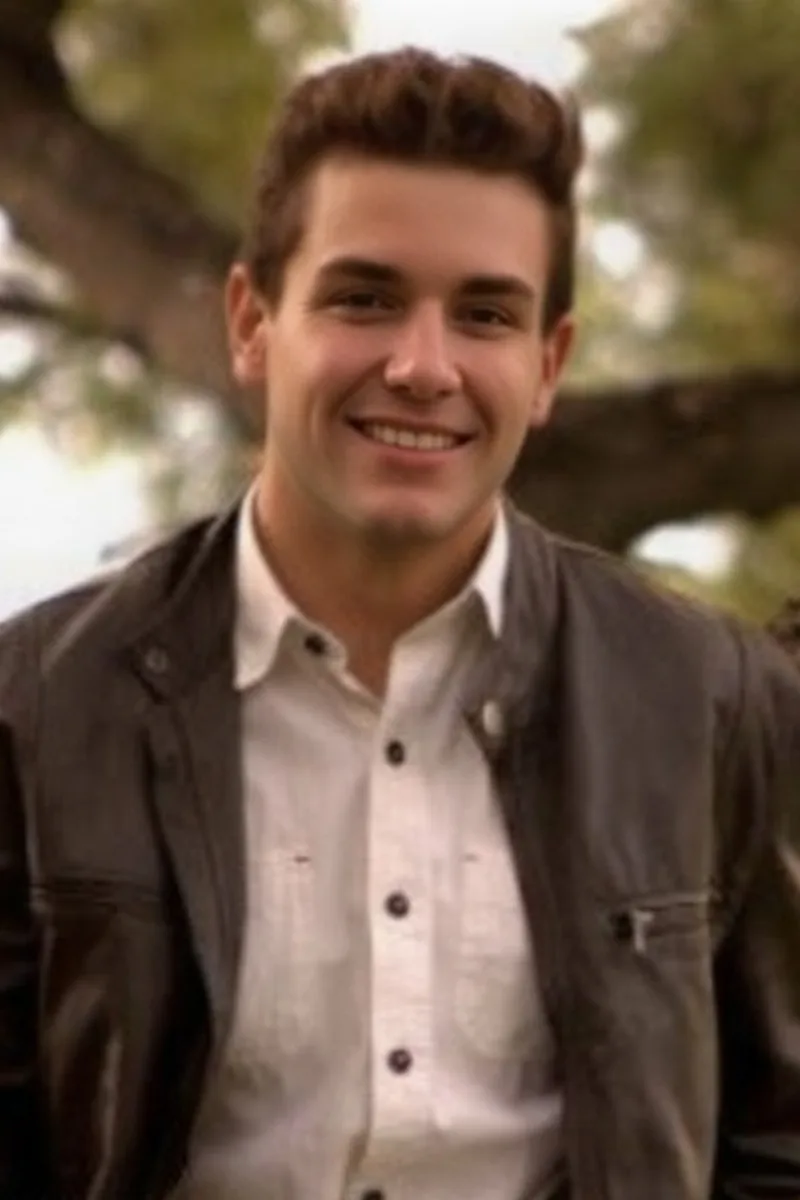
Learning to code is really learning to decompose problems, and that skill transfers whether the language is Java, Python, or something else entirely. Milan's CS degree grounds his teaching in fundamentals like control flow, data structures, and algorithmic complexity rather than surface-level syntax drills. He also draws on his English background to emphasize clear documentation and readable code.
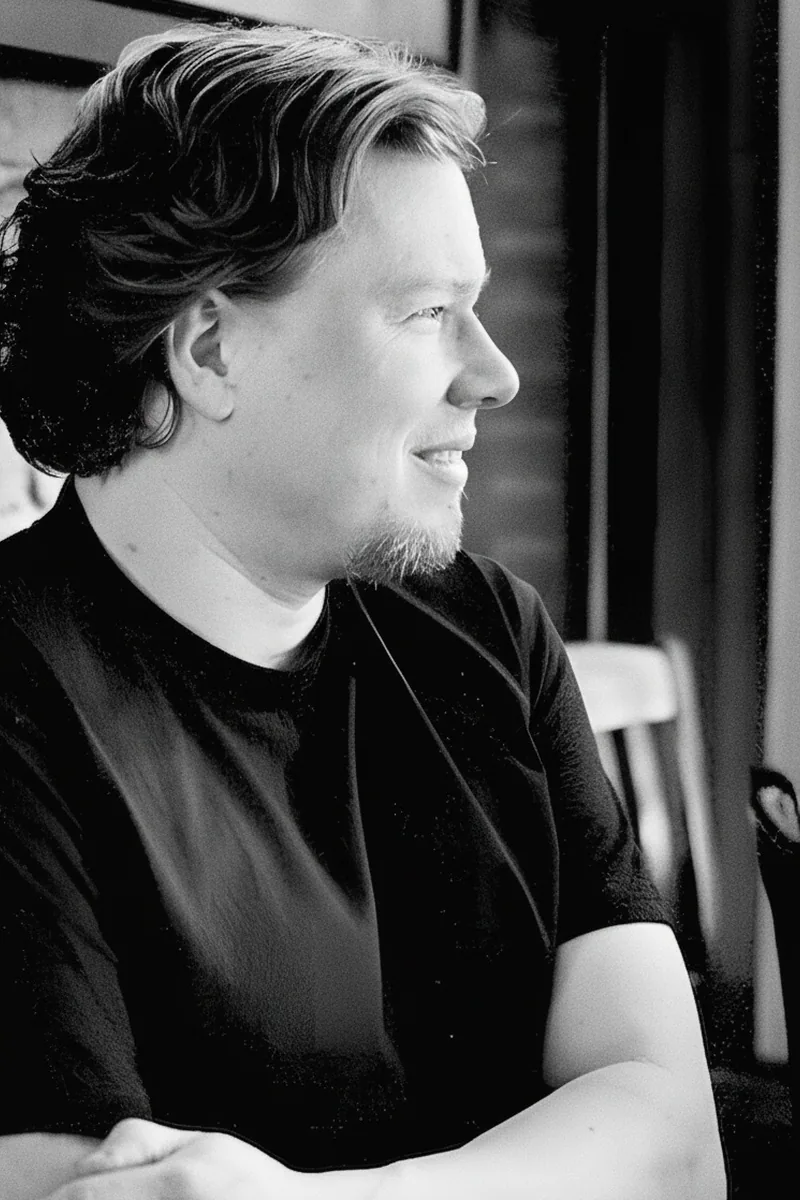
Understanding data structures like arrays, linked lists, and sorting algorithms matters more than memorizing syntax — and that distinction is where Dennis spends most of his time. His background spans Java, JavaScript, and web development, so he can show how core CS concepts translate across languages and real projects.
Sarah's mathematics background means she's comfortable with the algorithmic and logical thinking that underpins computer science — concepts like recursion, Big-O analysis, and Boolean logic map directly onto the math she studied at Clark. She approaches programming problems the same way she approaches proofs: break the problem down, identify the structure, then build the solution step by step.
I'm a recent graduate of the California Institute of Technology in Economics and Computer Science. I was also accepted at Harvard, Princeton, MIT, and Stanford. I have a broad range of interests spanning science, math, engineering, social science, the humanities, the arts, and athletics (I also played on the Caltech basketball team). My background allows me to tutor general college prep, especially the SAT, ACT and the GRE. I love to teach analytical thinking, ranging from advanced Math and Physics to strategies for understanding literature and developing arguments.
I am starting graduate school this fall. My experiences as a student and scientist help me explain concepts and work through problems in a clear and engaging manner. I love teaching, and strive to make each personalized lesson enjoyable and productive. In addition to math and science, I can teach the skills and strategies students need to reach their goals on the ACT, GRE, or AP tests. I also enjoy working with elementary age students to increase reading and math proficiencies.
Isabella TA'd multiple computer science courses at MIT, so she's seen exactly where students get stuck — whether it's tracing recursive calls, understanding how data structures like linked lists and trees actually work in memory, or debugging logic errors in their code. She explains the underlying concepts so that writing correct programs becomes intuitive rather than trial-and-error. Rated 5.0 by students.
Studying computer science at Cornell, Eric tackles everything from algorithm analysis and Big-O notation to systems-level concepts like memory management and recursion. He breaks down problems the way a CS student actually encounters them — whiteboarding a solution, tracing through edge cases, then translating logic into clean code. His 5.0 rating speaks to how clearly that approach lands.
Recursion, data structures, algorithmic complexity — these topics trip up students who try to memorize patterns without understanding why they work. Kevin holds both a bachelor's and master's in computer science from NYU, and he's the kind of tutor who will explain a concept three different ways until the logic genuinely lands. Rated 4.8 by students.
From basic programming constructs all the way up to computational analysis and finite automata, Andrew has tutored the full range of computer science topics at both the high school and college level. His CS degree gives him the depth to explain not just how an algorithm works but why its time complexity matters. Rated 5.0 by students.
Between his AP Computer Science 5 and his engineering coursework at Vanderbilt, William has written code across contexts — from introductory Java to computational modeling in his chemical engineering classes. He breaks down abstract concepts like recursion, data structures, and algorithm efficiency by walking through concrete examples line by line. Students who can follow the logic but freeze when writing code from a blank screen tend to gain traction quickly with his approach.
Madeline's physics PhD work at Carnegie Mellon means she writes code daily — Python, Java, MATLAB, and Mathematica — to model complex systems and crunch data, which is a very different entry point into computer science than a pure software track. That scientific computing background makes her especially effective at teaching programming logic, debugging strategies, and algorithmic thinking to students who need CS skills for STEM applications rather than just app development.
Biomedical engineering at Rice requires heavy computational coursework, so Theresa has tackled core computer science concepts — from object-oriented programming and data structures to algorithm complexity — in the context of solving real problems. She explains abstract ideas like recursion and sorting algorithms by connecting them to concrete examples rather than letting students drown in theory. Rated 5.0 by students.
I am graduated from Penn State University in Industrial Engineering in 2017. I've tutored ever since I was in high school, and I love helping people! I like to help my students understand math (and other topics) instead of just doing it blindly. My goal is to help my students improve their math (and other topics) and build skills that will help them find learning easier in the future! Fun fact, I used to work for Disney and I like to salsa dance!
Corrina's mechanical engineering degree required extensive programming coursework, and she now teaches core computer science concepts — data structures, algorithms, Boolean logic, and computational thinking — in a way that makes abstract ideas tangible. She connects each concept to real applications, whether that's sorting algorithms in a search engine or conditionals inside a robot's control loop.
From automata theory and computational complexity to practical algorithm design, Firas covers computer science as both a theoretical discipline and a hands-on craft. His Ph.D. research at the intersection of machine learning and big data means he can connect abstract CS concepts — graph traversals, runtime analysis, NP-completeness — to the systems that actually use them. Rated 5.0 by students.
Studying both chemical engineering and computer science at Cornell gives Jonathan an unusual angle on programming — he's constantly writing code to solve quantitative, real-world problems rather than just completing standalone assignments. That dual perspective makes him especially effective at teaching algorithmic thinking and Java or Python fundamentals, since he can show students how CS concepts like iteration and data manipulation actually get applied in technical fields outside of software development.
Between a master's in Computer Science, an active PhD program, and a full-time software development career, Daniel lives this subject from multiple angles — theoretical and applied. He unpacks everything from algorithmic complexity and data structures to systems-level thinking, tailoring the depth to wherever a student currently sits in their CS journey.
Testimonials
Because the right Computer Science tutor makes all the difference.
Average Session Rating – Based on 3.4M Learner Ratings
Nearby Computer Science Tutors
Other Fremont Tutors
Related Technology and Coding Tutors in Fremont
Frequently Asked Questions
Varsity Tutors matches Fremont students with expert Computer Science tutors for 1-on-1 instruction. We pair each student with a tutor based on their specific needs, learning style, and goals.
Whether you need homework help, exam prep, or want to get ahead, our Computer Science tutors are ready to help.
Common challenges include gaps from earlier material, difficulty with specific concepts, and trouble applying learning to new problems. These issues can snowball quickly in Computer Science.
A tutor identifies where you're stuck, fills in gaps, and provides targeted practice. The 1-on-1 format means you get help exactly where you need it.
Tutors work with your student's actual coursework—homework assignments, class notes, and upcoming tests. This keeps tutoring directly relevant to what's happening in the classroom.
When you share information about your student's school and curriculum, we can match you with a tutor who has relevant experience.
All tutors complete background checks, credential verification, and teaching evaluation. Many of our Computer Science tutors hold advanced degrees or have years of teaching experience.
You can review tutor profiles to find someone with the right background for your student's level and needs.
Many students see improved grades within a few weeks, along with better understanding of Computer Science concepts and more confidence tackling challenging material.
Tutors track progress and adjust their approach to ensure continued improvement.
Most students benefit from 1-2 sessions per week. More frequent sessions help if your student is significantly behind or has an important exam coming up.
Your tutor can recommend a schedule based on your student's specific situation and goals.
Tutoring is purchased in packages of hours, with rates varying by tutor experience. Varsity Tutors offers several options to fit different budgets and needs.
You can discuss pricing during your consultation to find what works best.
Your tutor will assess where your student is, discuss goals, and start working on priority areas. Most students bring current homework or upcoming test material to focus on.
By the end, you'll have a clear sense of how the tutor can help and a plan for moving forward.
Let’s find your perfect tutor
Answer a few quick questions. We’ll recommend the right plan and match you with a top 5% tutor.