Award-Winning Computer Science Tutors
serving Murrieta, CA
Computer Science
Tutors in Murrieta
Private 1-on-1 tutoring, weekly live classes for academic support, test prep & enrichment, practice tests and diagnostics, and more to elevate grades and test scores.
Based on 3.4M Learner Ratings
UniversitiesSchools & Universities
DeliveredHours Delivered
ProficiencyGrowth in Proficiency
Who needs tutoring?
No obligation. Takes ~1 minute.
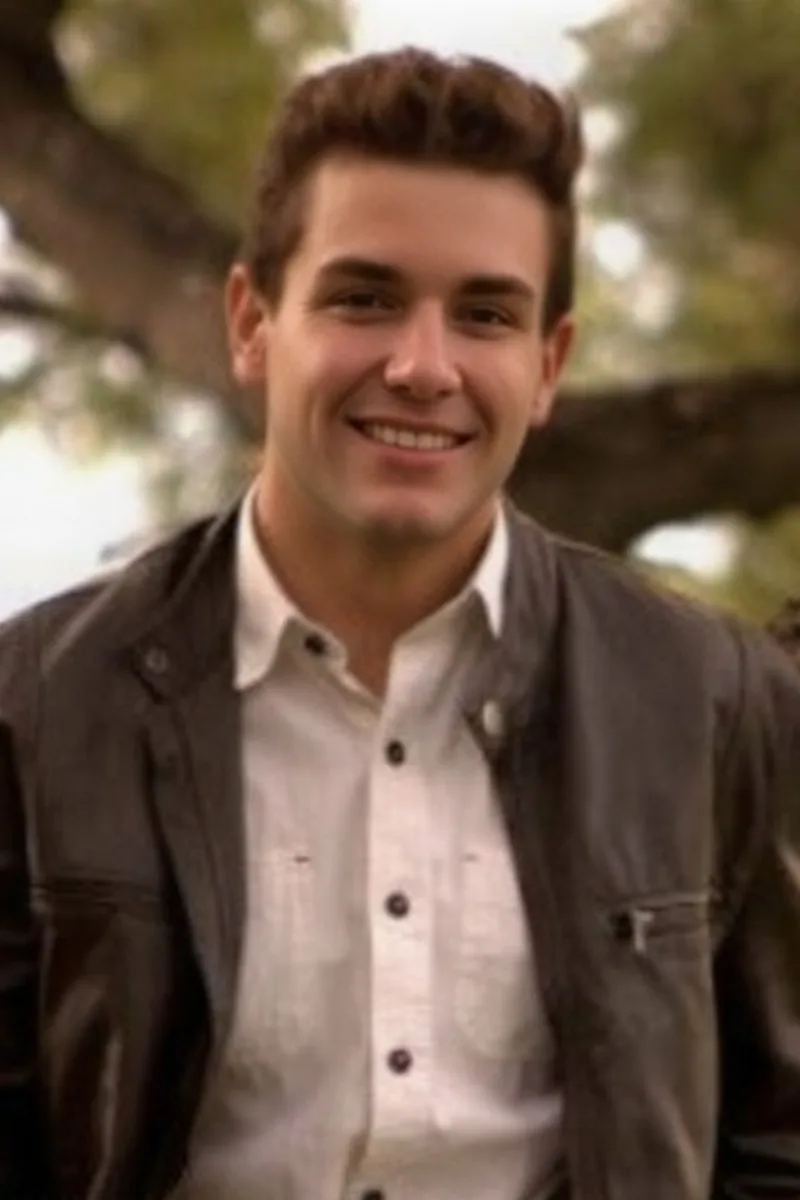
Learning to code is really learning to decompose problems, and that skill transfers whether the language is Java, Python, or something else entirely. Milan's CS degree grounds his teaching in fundamentals like control flow, data structures, and algorithmic complexity rather than surface-level syntax drills. He also draws on his English background to emphasize clear documentation and readable code.
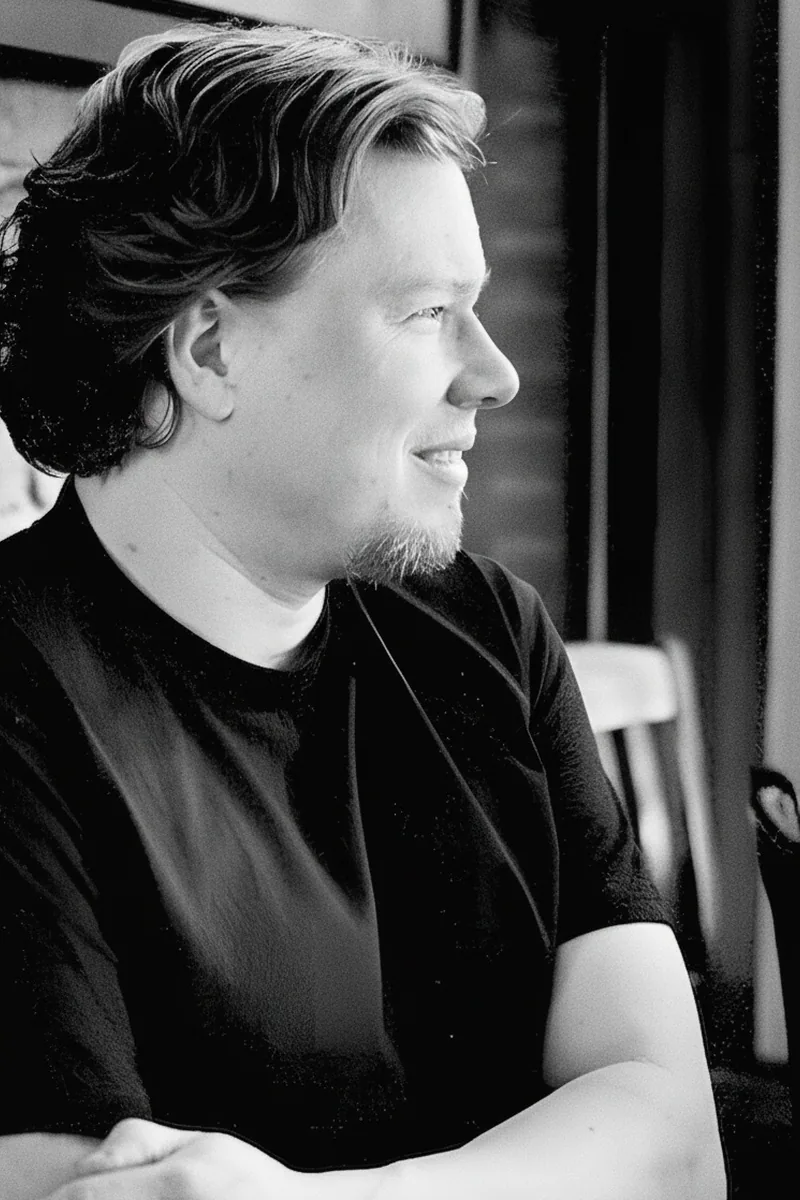
Understanding data structures like arrays, linked lists, and sorting algorithms matters more than memorizing syntax — and that distinction is where Dennis spends most of his time. His background spans Java, JavaScript, and web development, so he can show how core CS concepts translate across languages and real projects.
Sarah's mathematics background means she's comfortable with the algorithmic and logical thinking that underpins computer science — concepts like recursion, Big-O analysis, and Boolean logic map directly onto the math she studied at Clark. She approaches programming problems the same way she approaches proofs: break the problem down, identify the structure, then build the solution step by step.
I'm a recent graduate of the California Institute of Technology in Economics and Computer Science. I was also accepted at Harvard, Princeton, MIT, and Stanford. I have a broad range of interests spanning science, math, engineering, social science, the humanities, the arts, and athletics (I also played on the Caltech basketball team). My background allows me to tutor general college prep, especially the SAT, ACT and the GRE. I love to teach analytical thinking, ranging from advanced Math and Physics to strategies for understanding literature and developing arguments.
I am starting graduate school this fall. My experiences as a student and scientist help me explain concepts and work through problems in a clear and engaging manner. I love teaching, and strive to make each personalized lesson enjoyable and productive. In addition to math and science, I can teach the skills and strategies students need to reach their goals on the ACT, GRE, or AP tests. I also enjoy working with elementary age students to increase reading and math proficiencies.
Justin's PhD research in computational mathematics meant writing code daily — building simulations, implementing algorithms, and debugging in MATLAB and other languages. He teaches computer science concepts like data structures, recursion, and algorithmic complexity by connecting them to real computational problems rather than treating them as abstract definitions to memorize.
Three Bachelor of Science degrees — including Neuroscience — meant Anna was writing code long before she started teaching it, using Java, Python, and MATLAB to analyze data and build computational models across disciplines. That cross-field experience shapes how she teaches CS fundamentals: students don't just learn syntax, they learn to think about what a program needs to do before structuring it in any particular language. Rated 5.0 by students.
Studying computer science since before college and now pursuing a master's at UMass Amherst, Milo covers the full stack — from data structures and algorithms to systems-level concepts like memory management and concurrency. He spent three years in his university's tutoring center breaking down topics like recursion, sorting complexity, and graph traversal for students at every level.
Programming starts making sense when you stop memorizing syntax and start thinking about what the computer is actually doing step by step. June's electrical engineering background at Brown gives her insight into both the hardware and software sides — she can explain why an algorithm is efficient, not just how to write it. From loops and conditionals to data structures and recursion, she connects each concept to real projects she's built in robotics and hackathons.
Between his coursework at Rice and his background in algorithms, Daniel tackles computer science from both the practical and theoretical sides — writing clean code and understanding why one sorting algorithm outperforms another for a given dataset. He's especially strong at breaking down recursion, data structures, and algorithmic complexity into steps that build logically on each other.
Ritesh's applied physics program at Cornell involves significant programming, from numerical simulations to data analysis, giving him hands-on fluency with core computer science concepts like algorithm design, data structures, and debugging logic. He unpacks topics such as recursion, sorting algorithms, and object-oriented principles by tying them to concrete problems rather than abstract definitions.
Florence doesn't just study computer science at Duke — she teaches it, having served as a TA for Intro to Databases and Computer Network Architecture while also interning in software development at IBM. That combination of academic depth and industry experience means she can explain everything from relational algebra to TCP/IP networking with concrete, real-world context. Rated 5.0 by students.
As a computer science major at Boston University, Irene is immersed in the subject daily — from data structures and algorithms to object-oriented design. She breaks down abstract programming concepts into concrete steps, walking through how to trace logic, debug code, and think like a developer rather than just memorize syntax.
Recursion, data structures, algorithmic complexity — these topics trip up students who try to memorize patterns without understanding why they work. Kevin holds both a bachelor's and master's in computer science from NYU, and he's the kind of tutor who will explain a concept three different ways until the logic genuinely lands. Rated 4.8 by students.
A Duke CS graduate now pursuing a Master's in Cybersecurity, Noah covers everything from foundational data structures and algorithms to systems-level concepts like memory management and network protocols. He breaks down abstract topics — recursion, Big-O analysis, object-oriented design — by connecting them to real problems rather than leaving them as textbook definitions. Students get someone who's still actively building in the field, not just teaching from notes.
Studying both chemical engineering and computer science at Cornell gives Jonathan an unusual angle on programming — he's constantly writing code to solve quantitative, real-world problems rather than just completing standalone assignments. That dual perspective makes him especially effective at teaching algorithmic thinking and Java or Python fundamentals, since he can show students how CS concepts like iteration and data manipulation actually get applied in technical fields outside of software development.
I am graduated from Penn State University in Industrial Engineering in 2017. I've tutored ever since I was in high school, and I love helping people! I like to help my students understand math (and other topics) instead of just doing it blindly. My goal is to help my students improve their math (and other topics) and build skills that will help them find learning easier in the future! Fun fact, I used to work for Disney and I like to salsa dance!
Testimonials
Because the right Computer Science tutor makes all the difference.
Average Session Rating – Based on 3.4M Learner Ratings
Nearby Computer Science Tutors
Other Murrieta Tutors
Related Technology and Coding Tutors in Murrieta
Frequently Asked Questions
Your first session is an opportunity to assess your current skill level, understand your goals, and identify specific areas where you need support—whether that's learning a new programming language, debugging complex code, or building algorithmic thinking skills. The tutor will ask about your experience, any projects you're working on, and what you'd like to accomplish, then create a personalized plan tailored to your learning pace and objectives.
Debugging is a critical skill that goes beyond just finding syntax errors—it's about understanding why code behaves unexpectedly and developing systematic problem-solving approaches. A tutor can walk you through debugging techniques like reading error messages carefully, using print statements or debuggers, and breaking problems into smaller pieces. They'll also help you recognize common patterns in errors so you can catch and fix them independently over time.
Syntax is the specific rules of a programming language—like how to write a loop or declare a variable—while logic is the problem-solving approach behind your code. Many students struggle because they focus too heavily on syntax without building strong logical thinking. Personalized tutoring helps you develop both: understanding the 'why' behind algorithms and data structures, not just memorizing how to write them in a particular language.
Absolutely. Project-based learning is one of the most effective ways to develop Computer Science skills because it forces you to apply multiple concepts together—from design decisions to debugging to code organization. Tutors can guide you through building projects that match your interests, whether that's web development, game design, or data science applications. They'll also provide code review and help you refactor your work to improve efficiency and readability.
Different areas of Computer Science—like web development, data science, artificial intelligence, or game development—require overlapping foundational skills but lead in different directions. A tutor can help you explore your interests, understand what each path involves, and build a learning roadmap that aligns with your goals. This personalized guidance helps you stay motivated and make informed decisions about which specializations to pursue.
Data structures are fundamental to writing efficient code and solving complex problems—they determine how your program stores and accesses information. Many students find them abstract and difficult to visualize, which is where hands-on practice and explanation really help. A tutor can use concrete examples, diagrams, and coding exercises to help you understand how arrays, linked lists, trees, and hash tables work, then show you how to choose the right structure for different problems.
Look for tutors with strong experience in the specific languages or areas you're studying, along with a track record of helping students understand both concepts and practical application. Varsity Tutors connects you with expert tutors who have real-world coding experience and the ability to explain complex ideas clearly. When you get matched with a tutor, you can review their background and experience to ensure they're a good fit for your learning goals.
For students in Murrieta across the three school districts, personalized Computer Science tutoring provides targeted support that complements classroom instruction. With an average student-teacher ratio of 23.5:1, many students benefit from one-on-one attention to work through challenging concepts, complete projects, and prepare for assessments. Whether you're in an introductory Computer Science course, AP Computer Science, or working toward a computer science pathway, tutoring helps you move at your own pace and build confidence in your skills.
Let’s find your perfect tutor
Answer a few quick questions. We’ll recommend the right plan and match you with a top 5% tutor.