Award-Winning Anatomy Tutors
serving Fayetteville, NC
Anatomy
Tutors in Fayetteville
Private 1-on-1 tutoring, weekly live classes for academic support, test prep & enrichment, practice tests and diagnostics, and more to elevate grades and test scores.
Based on 3.4M Learner Ratings
UniversitiesSchools & Universities
DeliveredHours Delivered
ProficiencyGrowth in Proficiency
Who needs tutoring?
No obligation. Takes ~1 minute.
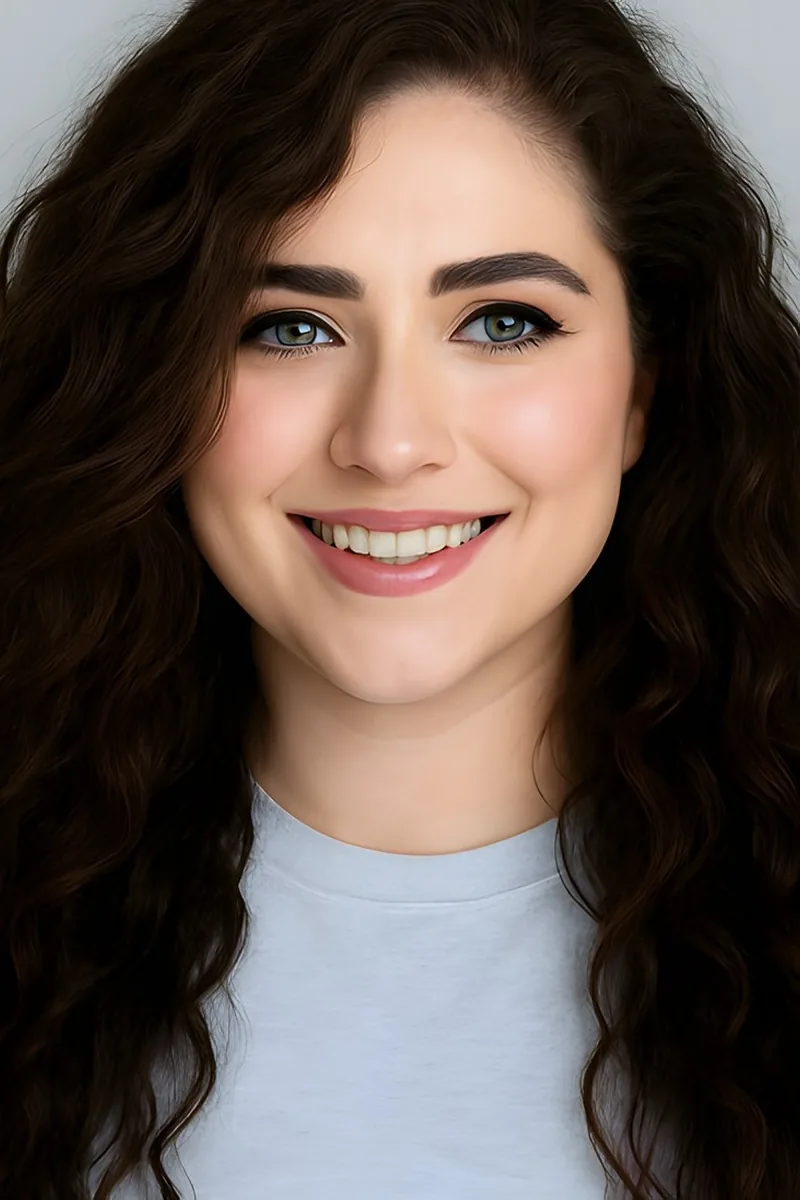
Memorizing every bone, muscle, and organ system in anatomy can feel overwhelming without a framework for how the body's structures actually connect. Brianna approaches each system — skeletal, muscular, cardiovascular — by linking form to function, so that naming structures becomes part of understanding what they do rather than a standalone memorization task. Her science teaching background and experience across age levels let her adjust the depth and pace to match any anatomy course.
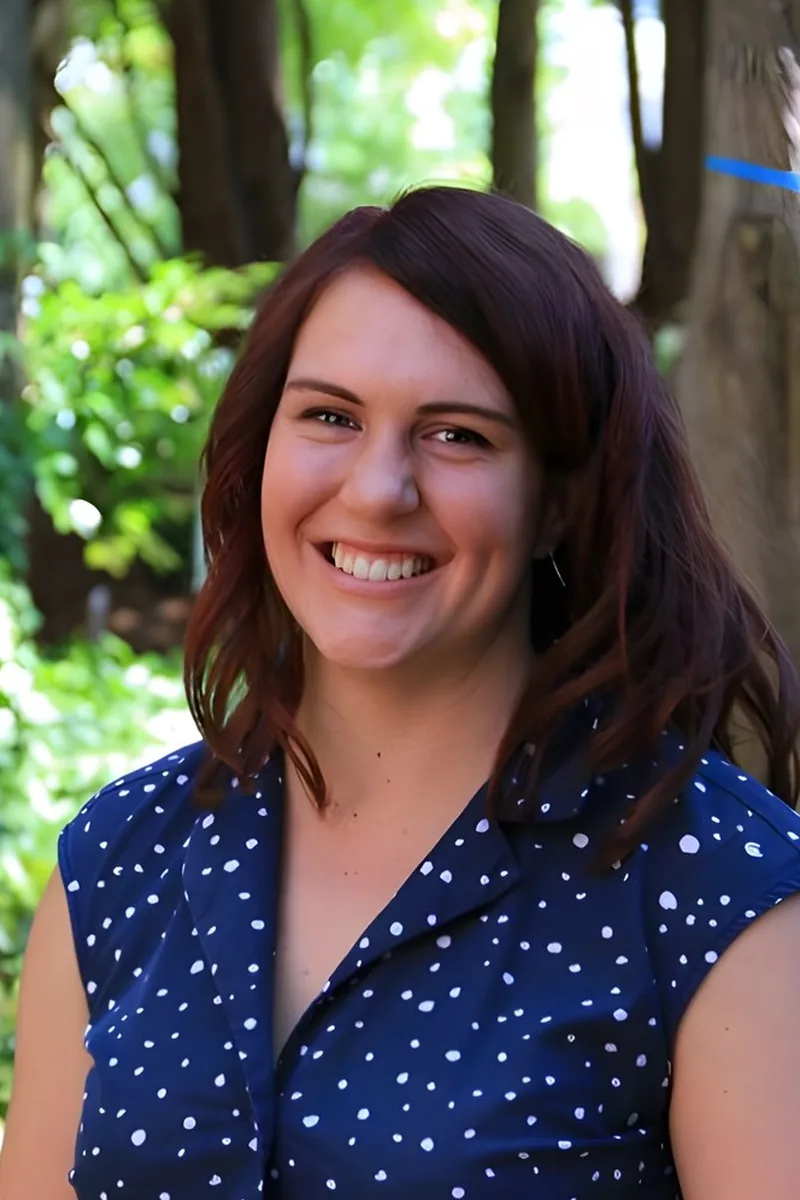
I am passionate about biomedical engineering, and am endlessly amazed by intricacies of the world around us. My degrees are in engineering (BS-General Engineering from Harvey Mudd, MS- Mechanical Engineering, and PhD-Bioengineering from Georgia Tech), but I also love art and literature and linguistics. Outside of academics, I am an avid sports fan (and rugby player) and I love to cook, hike with my dog, and travel.
I am currently a fourth year medical student who is looking forward to helping other students enjoy math and science! I have a masters of science in physiology from Georgetown was well as a bachelors degree in anthropology with minors in medical Spanish and chemistry from UNC Chapel Hill. Having been in school for a very long time, I understand that everyone learns differently and at different paces. I will tailor my tutoring to best help you achieve the grades and changes that you would like to see.
I'm currently a post-doctoral associate at Duke University. My research aims to understand how specialized cells in the brain contribute to synapse formation and function. I previously was a PhD student at Washington University in St. Louis where I used a genomics approach to understand how cells in the brain rapidly communicate at the synapse. I am originally from NJ and received my Bachelor's degree from Rutgers University. I have taught a series of courses for undergraduate students (Neurophysiology, Molecular Biology), graduate students (human anatomy) and a mixture of graduate students and researchers (Techniques in neurobiology). Details on these can be found on my CV which is uploaded. In my free time, I enjoy spending time with my family and hiking with my Australian Shepherd in the mountains of NC. I can't wait to meet students and help them succeed in courses and beyond!
I am a current senior at the University of North Carolina at Chapel Hill. I am completing a degree in Health Policy and Management with minors in chemistry and biology. Currently, I am on the pre-medical track at UNC I am applying to medical schools for next year. I have worked as a tutor at the UNC Learning Center for two semesters and I have been a TA for anatomy and physiology for three semesters (two of those as lead TA).
I am an undergraduate student at Wofford College pursuing a major in biology with a minor in business. In addition, I am a nationally certified and state certified Emergency Medical Technician and work sporadically throughout the year. I have three years of experience tutoring students in a wide array of subject areas. I have a true passion for learning and I am extremely excited to share that passion with the students I have the privilege to help succeed.
I am a 7-12 certified middle school History teacher. I also am on the premedical track. I have a major in History and minors in Biology/Chemistry from Duke University.
I am a recent UNC Chapel Hill graduate with a Bachelor in Science in biology and a Bachelor of Arts in medical anthropology. I am most passionate about Science and English, as both focus on how the world works but in different ways. I have four years of experience working with K-8, as well as tutoring two years of college chemistry and biology. I try to focus on having fun while learning and hope that you can used my tricks to succeed in other classes in the future!
I am an avid cell molecular biologist, anatomist and neuroscientist with a passion for educating young minds to reach their fullest potential. I have more than a decade of experience in teaching and research at College/University level. Having lived and taught on 2 different continents has enabled me to become more attentive to student's needs and do my best to set them up for future success. My philosophy is that reading and teaching can stimulate the mind but thinking will plant and grow ideas. The approach I use is inspired from my own experiences in learning biological sciences where there seemed to be always an absurd amount of material to be read and understood. By centering on the core principles, I believe it significantly reduces the need to 'cram' concepts but to apply content that they have learnt. My job is to lead students to learn more about themselves as it relates to the subject, that way the knowledge acquired results in permanent change of behavior.
Medical school gave Rachel the kind of anatomy knowledge that comes from repeated, high-stakes application — not just labeling diagrams but understanding why the celiac trunk branches where it does or how the layers of the thoracic wall protect what's beneath them. Her biology degree and 5.0 rating reflect a teaching style that ties every structure back to its physiological job, turning a memorization marathon into something that actually makes sense.
Jacob doesn't just know anatomy from a textbook — he's worked hands-on with the skeletal archives at the American Museum of Natural History, cataloging and studying actual specimens. That experience makes him especially effective at teaching musculoskeletal structures, bone landmarks, and organ systems in a way that connects memorization to real physical context.
Memorizing every bone, muscle, and organ system in anatomy can feel overwhelming without a strategy. Karishma's psychology background gives her insight into how memory actually works, and she teaches students to use spatial relationships and functional groupings — like linking muscle attachments to their actions — so the material organizes itself rather than piling up.
Memorizing the names of 206 bones or every branch of the brachial plexus doesn't stick without a framework for why structures are shaped and positioned the way they are. Albina breaks anatomy down by linking form to function — explaining how the architecture of a joint or the layout of the vasculature serves a specific physiological purpose.
Four years of medical school at Harvard meant Jean didn't just study anatomy from a textbook — she learned it through cadaver dissection, clinical rotations, and diagnostic reasoning. She teaches students to think spatially about structures like the brachial plexus or the abdominal vasculature, building the kind of three-dimensional understanding that makes identification and relationships between structures click.
Prosthetics and orthotics — Michael's specialty at Georgia Tech — is applied anatomy: fitting a prosthetic limb requires precise knowledge of residual musculoskeletal structures, nerve pathways, and how soft tissue interfaces with bone. That clinical engineering perspective means he teaches anatomy by connecting each structure to its mechanical role in the body, which gives students a concrete reason to remember what they're learning.
Learning anatomy means building a mental map of the body where every structure has a reason for its location and shape. Nicholas's biology degree gave him deep exposure to human systems, and he teaches anatomical relationships — like why the recurrent laryngeal nerve takes its peculiar path — in ways that make spatial memorization far more intuitive.
Learning anatomy is often treated as pure memorization — origin, insertion, action, repeat — but Ade tackles it differently by linking structures to their physiological function. When a student understands why the brachial plexus is organized the way it is, or how blood flow through the heart's chambers relates to valve placement, the naming conventions start to make intuitive sense.
Medical school at the doctoral level means learning anatomy twice — once from textbooks and once from the body itself, where the relationship between a nerve's path and the tissue it innervates becomes tangible. Daniel's training gave him that layered understanding, and he teaches structures like organ systems and musculoskeletal attachments by connecting them to the physiological roles students encounter in his physiology and biology sessions. That cross-subject fluency means students leave with more than labeled diagrams — they understand how the parts actually work together.
Learning anatomy often feels like memorizing a phone book — until someone shows you the logic behind how structures are named and organized. Nikolas spent his Exercise Science program at Ohio State dissecting musculoskeletal relationships, nerve pathways, and organ systems, so he teaches anatomy through spatial reasoning and functional connections rather than pure rote recall.
Jennifer's biological sciences degree means she studied anatomy alongside physiology, microbiology, and chemistry — so she naturally teaches structures in the context of the larger systems they belong to, which is especially useful for topics like cardiovascular or respiratory anatomy where form and function are inseparable. Her current path toward PA studies keeps her actively reviewing organ systems and tissue-level detail at a clinical depth that matches what university anatomy courses demand.
Fourth-year medical students don't just memorize anatomy — they use it daily in clinical rotations, which is exactly where Michael is right now at Albert Einstein College of Medicine. He teaches structures like nerve plexuses and organ relationships by grounding them in the clinical cases he's actively encountering, giving students a functional hook for material that otherwise feels like pure memorization.
Testimonials
Because the right Anatomy tutor makes all the difference.
Average Session Rating – Based on 3.4M Learner Ratings
Practice Anatomy
Free practice tests, flashcards, and AI tutoring for Anatomy
Other Fayetteville Tutors
Related Science Tutors in Fayetteville
Frequently Asked Questions
Varsity Tutors matches Fayetteville students with expert Anatomy tutors for 1-on-1 instruction. We pair each student with a tutor based on their specific needs, learning style, and goals.
Whether you need homework help, exam prep, or want to get ahead, our Anatomy tutors are ready to help.
Common challenges include gaps from earlier material, difficulty with specific concepts, and trouble applying learning to new problems. These issues can snowball quickly in Anatomy.
A tutor identifies where you're stuck, fills in gaps, and provides targeted practice. The 1-on-1 format means you get help exactly where you need it.
Tutors work with your student's actual coursework—homework assignments, class notes, and upcoming tests. This keeps tutoring directly relevant to what's happening in the classroom.
When you share information about your student's school and curriculum, we can match you with a tutor who has relevant experience.
All tutors complete background checks, credential verification, and teaching evaluation. Many of our Anatomy tutors hold advanced degrees or have years of teaching experience.
You can review tutor profiles to find someone with the right background for your student's level and needs.
Many students see improved grades within a few weeks, along with better understanding of Anatomy concepts and more confidence tackling challenging material.
Tutors track progress and adjust their approach to ensure continued improvement.
Most students benefit from 1-2 sessions per week. More frequent sessions help if your student is significantly behind or has an important exam coming up.
Your tutor can recommend a schedule based on your student's specific situation and goals.
Tutoring is purchased in packages of hours, with rates varying by tutor experience. Varsity Tutors offers several options to fit different budgets and needs.
You can discuss pricing during your consultation to find what works best.
Your tutor will assess where your student is, discuss goals, and start working on priority areas. Most students bring current homework or upcoming test material to focus on.
By the end, you'll have a clear sense of how the tutor can help and a plan for moving forward.
Let’s find your perfect tutor
Answer a few quick questions. We’ll recommend the right plan and match you with a top 5% tutor.