Award-Winning AP Microeconomics Tutors
serving Chesapeake, VA
AP Microeconomics
Tutors in Chesapeake
Private 1-on-1 tutoring, weekly live classes for academic support, test prep & enrichment, practice tests and diagnostics, and more to elevate grades and test scores.
Based on 3.4M Learner Ratings
UniversitiesSchools & Universities
DeliveredHours Delivered
ProficiencyGrowth in Proficiency
Who needs tutoring?
No obligation. Takes ~1 minute.
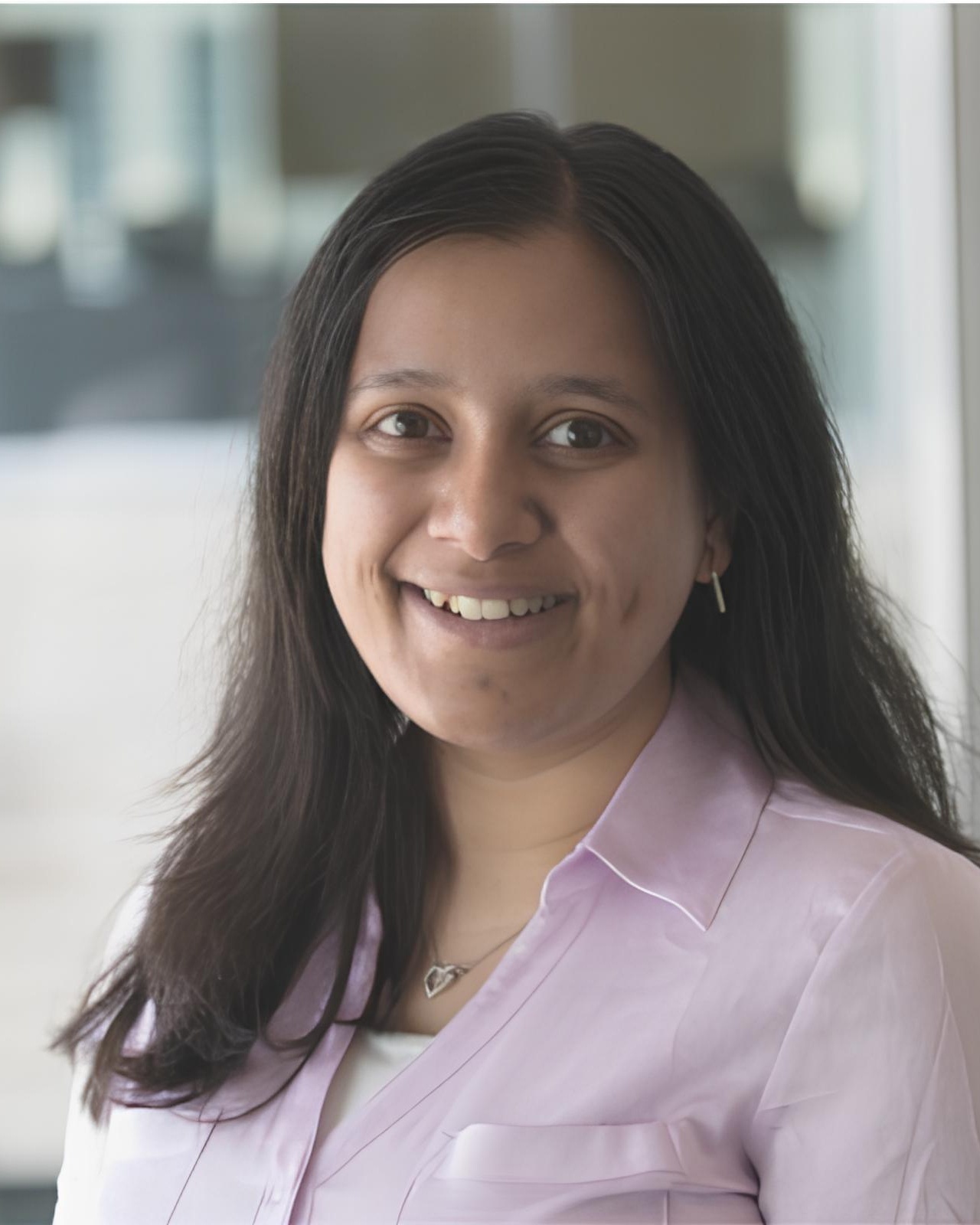
Hi! I'm Utkarsha, and I genuinely enjoy helping students of all levels and learning styles better know subjects they would like help with. Whether you want to know math, English, Tableau, data science, or economics better, or are prepping for the SAT, I'm here to make it understandable and even enjoyable until you're confident! As a math major & an econ minor with a near-perfect SAT score (Math 800, English 780), I'm excited to share my know-how and deep understanding in these subjects. Throughout my years of experience in tutoring, I've successfully coached over 100 students to improve their math class grades (in all levels from elementary school math to college) and reach near-perfect SAT scores via my unique personalized guidance on core content and test-taking strategies. That's because my tutoring approach is focused on bridging the gap between where you're at and where you want to reach in terms of what you know. Let's work together to reach (or even exceed) your goals!

AP Micro lives and dies on graphs: supply-and-demand shifts, cost curves, game theory matrices. Jacob, who is pursuing a PhD in economics, unpacks each model so students understand the intuition behind the curves — why marginal cost intersects average total cost at its minimum, for instance — which makes free-response questions far more manageable.
The AP Micro exam tests whether students can move fluidly between graphs, equations, and written explanations of concepts like elasticity, market structures, and deadweight loss. Stephen's PhD training at Rice and his years teaching economics at Fordham mean he can unpack why a monopolist's marginal revenue curve sits below the demand curve — and drill students on the free-response format until the reasoning becomes automatic.
AP Micro lives and dies on graph interpretation — shifting supply and demand curves, identifying deadweight loss, reading cost curves for firms in different market structures. Drishti breaks each graph into a story about what producers and consumers are actually doing, which makes the free-response questions far more intuitive than rote memorization allows.
Rukhsar's graduate work in political science and government included deep engagement with policy analysis, public choice theory, and the economic frameworks that underpin government decision-making — concepts that map directly onto AP Microeconomics topics like market failure, externalities, and efficiency. She breaks down supply-and-demand models and game theory scenarios so students can reason through free-response questions with confidence.
I am a undergraduate freshman of the University of Michigan, studying business at the Ross School of Business. Working together with students and having a good time while seeing steady improvements has proven to provide me great joy. I believe that communication and relationship building is crucial for students to open up about their struggles and also for me to identify problems they don't realize they can improve on, so this is a key aspect of all of my lessons. During my free time, I enjoy playing sports or snacking on desserts while binge-watching Friends!
AP Micro lives and dies on graphs — supply and demand shifts, cost curves, market structures — and knowing which model applies to which question under exam pressure. Matt teaches students to read these diagrams like a language, connecting each curve back to the economic intuition behind it. His finance background means he can ground abstract models in actual business decisions.
AP Micro's trickiest material — game theory, price discrimination, deadweight loss calculations — requires both graphical fluency and economic intuition. Jay earned his degree in economics and approaches each concept by first building the logic behind the graph, so students can derive the right diagram on test day instead of trying to recall it from memory. He's especially sharp on the free-response strategies that separate 4s from 5s.
Studying economics at Vanderbilt means Maddy encounters microeconomic theory daily — from elasticity and consumer choice to game theory and market structures. She breaks down AP Micro's trickiest graph-based questions by connecting each curve shift to a real-world scenario, making the logic behind cost curves and deadweight loss click. Rated 5.0 by students.
Supply and demand curves are intuitive until the AP exam asks you to analyze deadweight loss from a price ceiling or trace the effects of a per-unit tax through producer and consumer surplus. Jake's marketing degree gives him a practical lens on how firms actually make pricing and output decisions, which makes abstract graph-shifting exercises feel grounded in real market behavior.
AP Micro lives and dies on graphs — supply and demand shifts, cost curves, game theory matrices — and students who can't read them quickly get buried on the exam. Shreya breaks each model down to its moving parts so students can explain, not just label, what happens when a price floor is imposed or a firm enters a monopolistically competitive market.
Elasticity, marginal cost curves, and market structure problems all hinge on one skill: reading a graph and translating it into an economic story. Nisarg approaches AP Micro by drilling that translation — connecting the math to the intuition behind consumer and producer decisions. His economics background and 34 ACT demonstrate the analytical rigor the AP exam rewards.
AP Micro lives and dies on graphs: supply and demand shifts, cost curves, market structure diagrams for perfect competition through monopoly. Sheena's graduate-level economics background means she can explain why marginal cost intersects average total cost at its minimum — not just that it does — which is the difference between memorizing shapes and actually reasoning through free-response questions. Rated 5.0 by her students.
Testimonials
Because the right AP Microeconomics tutor makes all the difference.
Average Session Rating – Based on 3.4M Learner Ratings
Practice AP Microeconomics
Free practice tests, flashcards, and AI tutoring for AP Microeconomics
Other Chesapeake Tutors
Related Business Tutors in Chesapeake
Frequently Asked Questions
Varsity Tutors matches Chesapeake students with expert AP Microeconomics tutors for 1-on-1 instruction. We pair each student with a tutor based on their specific needs, learning style, and goals.
Whether you need homework help, exam prep, or want to get ahead, our AP Microeconomics tutors are ready to help.
Common challenges include gaps from earlier material, difficulty with specific concepts, and trouble applying learning to new problems. These issues can snowball quickly in AP Microeconomics.
A tutor identifies where you're stuck, fills in gaps, and provides targeted practice. The 1-on-1 format means you get help exactly where you need it.
Tutors work with your student's actual coursework—homework assignments, class notes, and upcoming tests. This keeps tutoring directly relevant to what's happening in the classroom.
When you share information about your student's school and curriculum, we can match you with a tutor who has relevant experience.
All tutors complete background checks, credential verification, and teaching evaluation. Many of our AP Microeconomics tutors hold advanced degrees or have years of teaching experience.
You can review tutor profiles to find someone with the right background for your student's level and needs.
Many students see improved grades within a few weeks, along with better understanding of AP Microeconomics concepts and more confidence tackling challenging material.
Tutors track progress and adjust their approach to ensure continued improvement.
Most students benefit from 1-2 sessions per week. More frequent sessions help if your student is significantly behind or has an important exam coming up.
Your tutor can recommend a schedule based on your student's specific situation and goals.
Tutoring is purchased in packages of hours, with rates varying by tutor experience. Varsity Tutors offers several options to fit different budgets and needs.
You can discuss pricing during your consultation to find what works best.
Your tutor will assess where your student is, discuss goals, and start working on priority areas. Most students bring current homework or upcoming test material to focus on.
By the end, you'll have a clear sense of how the tutor can help and a plan for moving forward.
Let’s find your perfect tutor
Answer a few quick questions. We’ll recommend the right plan and match you with a top 5% tutor.