Award-Winning Anatomy Tutors
serving Chesapeake, VA
Anatomy
Tutors in Chesapeake
Private 1-on-1 tutoring, weekly live classes for academic support, test prep & enrichment, practice tests and diagnostics, and more to elevate grades and test scores.
Based on 3.4M Learner Ratings
UniversitiesSchools & Universities
DeliveredHours Delivered
ProficiencyGrowth in Proficiency
Who needs tutoring?
No obligation. Takes ~1 minute.
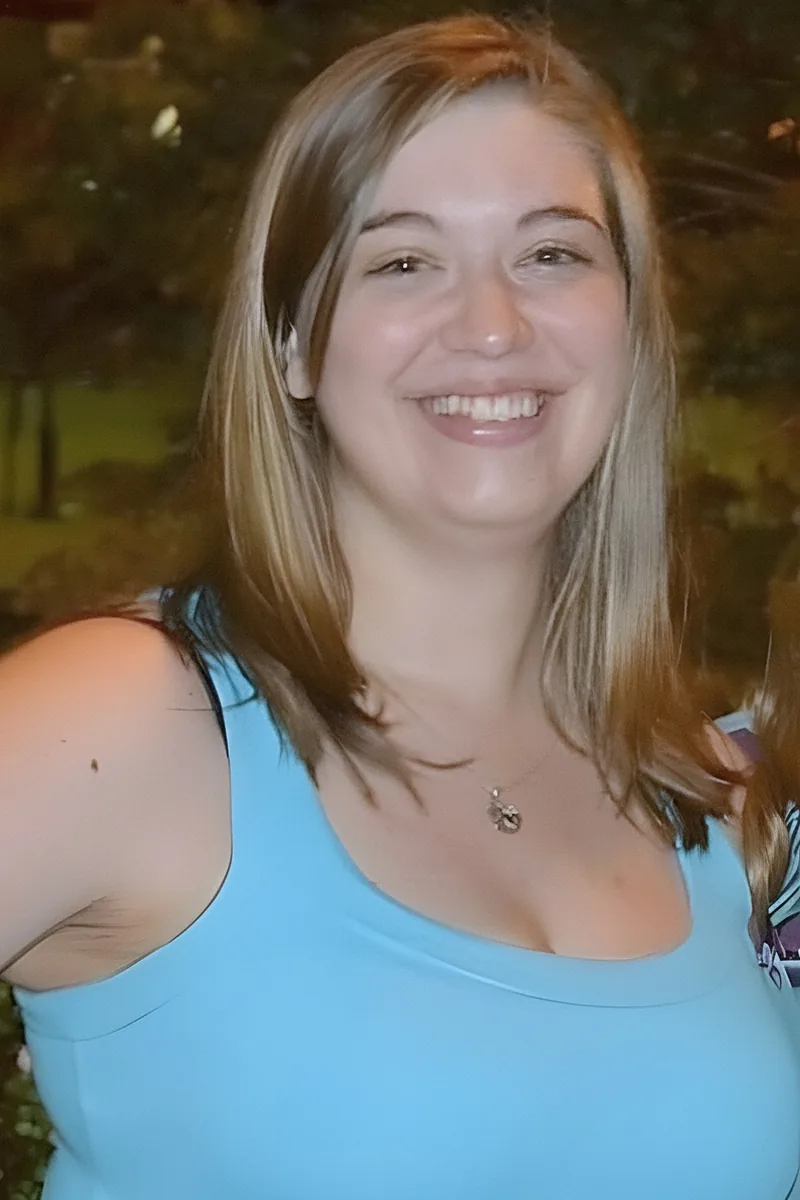
I am currently a lead preschool teacher. I received my Bachelor's in Psychology from VCU and am looking to return to school to further my education. While in college, I worked as a Supplemental Instruction leader, teaching general biology and anatomy. I have also worked in an after school program with elementary age children, but I have my fondest memories volunteering as a counselor for Camp Kesem. In my own experience, I loved school and now I love teaching even more at all age levels! I especially enjoy the challenge of getting creative to discover what approach and mediums work best for each student. I am available for in person as well as online tutoring.
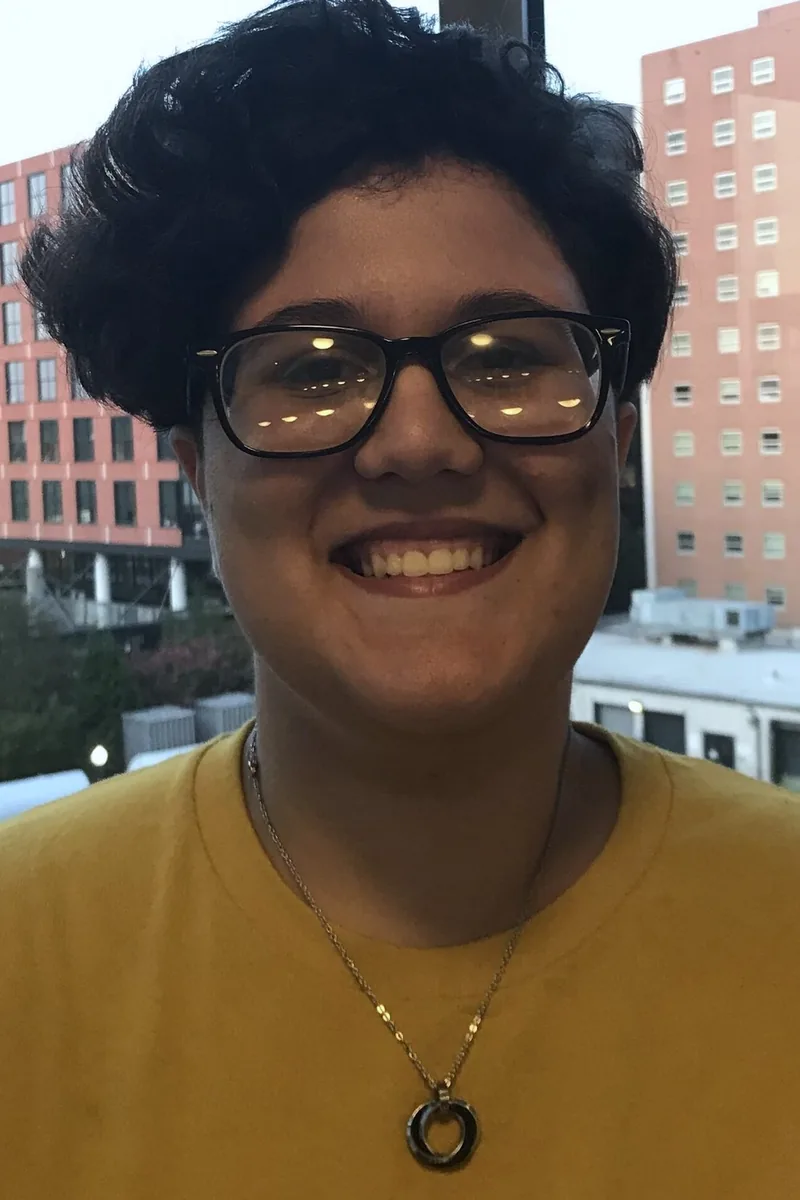
I'm a current medical student at VCU School of Medicine, and a graduate of Johns Hopkins University. I received my Bachelor of Science in Molecular and Cellular Biology. I've had the pleasure of tutoring a diverse range of students for 5 years; while I tutor a broad set of subjects, I'm most passionate about biology, psychology, and chemistry. I'm a big proponent of ensuring understanding over memorization and teaching concepts that last for years to come (particularly for other students interested in medicine!) In my free time, I love to write poetry, edit essays, and gush about game writing with friends.
I am a lifelong francophile who has lived in Paris, France for almost a year. I am also an avid NCAA men's and women's basketball fan! Go Rams! Go Terps!
I am currently a first-year medical student at Virginia Commonwealth University. I have a huge passion for science, and would love to help out whoever I can, especially those interested in entering the medical field!
I am a graduate of James Madison University having earned my Bachelors of Science in Kinesiology concentrated in Exercise Science and Pre-Physical Therapy studies. I have been admitted and plan to earn my Doctor of Physical Therapy degree starting in August 2026. I am excited to tutor students that seek assistance in Biomechanics, Physics, and Anatomy. Through clinical experience, athletic coaching, and tutoring I have learned how to best approach difficult topics and attack weaknesses head on to instill confidence and drive personal growth, resulting in success.
Medical school gave Marc a clinical lens on anatomy that most tutors don't have — he connects each muscle origin, nerve pathway, or organ relationship to how it actually matters in a living body. He also teaches efficient memorization strategies for the sheer volume of structures students need to retain.
Memorizing every muscle insertion and nerve pathway in anatomy can feel overwhelming without a framework for organizing the material. Rachelle teaches students to approach structures by functional systems — grouping muscles by movement, tracing blood supply logically — so that recall becomes intuitive rather than brute force. Her disciplined study habits, honed through a philosophy degree and military service, translate directly into efficient anatomy prep.
Prateek's medical training at Drexel built on a neuroscience foundation at Johns Hopkins, which means he learned anatomy twice — first as undergraduate neuroanatomy, then as the full-body systems approach required for clinical medicine. That double exposure is especially useful for topics like cranial nerve pathways and CNS structures, where understanding the neuroscience behind the anatomy makes spatial relationships click instead of requiring brute memorization.
Andrew doesn't have a clinical or lab science background, but his history training at Northwestern built the kind of systematic categorization skills that translate surprisingly well to anatomy — organizing body systems, tracing relationships between structures, and retaining dense terminology. He approaches the subject by turning anatomical vocabulary into logical groupings, connecting muscle origins and insertions to their actions so students can reason through questions rather than relying on flashcard recall alone.
Working in a biochemistry lab at NYU Medical Center while applying to medical school, Alex lives inside the human body's systems daily — and his Columbia biology teaching assistant role meant explaining structures like organ relationships and tissue layers to students encountering them for the first time. That combination of active research and classroom teaching gives him a practical fluency with anatomy that translates directly into clear, efficient tutoring sessions. Rated 4.9 by students.
Physical therapy graduate students live in anatomy — Ken's current PT program means he's working with musculoskeletal structures, nerve pathways, and organ systems on a daily basis. That clinical context makes it easier to teach concepts like brachial plexus innervation or joint articulation because he can tie each structure to its real function in the body.
Memorizing every muscle origin and insertion or cranial nerve pathway can feel impossible without a system. Nishad, currently in medical school where anatomy is a cornerstone of the curriculum, teaches structural relationships and functional groupings that turn rote memorization into something closer to storytelling — following a nerve from the brainstem to the tissue it innervates, for example.
Memorizing every bone, muscle, and nerve pathway in anatomy can feel overwhelming without a framework. Shayan teaches structural relationships rather than isolated labels — once a student understands why the brachial plexus is organized the way it is, the individual nerve branches become far easier to recall. His pre-health background at Penn keeps the clinical relevance front and center.
Medical school at the doctoral level means learning anatomy twice — once from textbooks and once from the body itself, where the relationship between a nerve's path and the tissue it innervates becomes tangible. Daniel's training gave him that layered understanding, and he teaches structures like organ systems and musculoskeletal attachments by connecting them to the physiological roles students encounter in his physiology and biology sessions. That cross-subject fluency means students leave with more than labeled diagrams — they understand how the parts actually work together.
Jennifer's biological sciences degree means she studied anatomy alongside physiology, microbiology, and chemistry — so she naturally teaches structures in the context of the larger systems they belong to, which is especially useful for topics like cardiovascular or respiratory anatomy where form and function are inseparable. Her current path toward PA studies keeps her actively reviewing organ systems and tissue-level detail at a clinical depth that matches what university anatomy courses demand.
I am currently working towards a doctorate in medicine from New Jersey Medical School. Throughout high school, college, and graduate school, I have tutored students ranging in age from elementary school to college freshmen in a variety of subjects particularly math and science. My favorite subject to tutor is math because it is very methodical and visual. Having a passion to help others, I am drawn to tutoring for the opportunity to share my knowledge with others. My family and friends have described me as being patient, compassionate, and personableall of the qualities that I believe I bring to my students. Outside of tutoring, I like Notre Dame football, dogs (especially my family's German Shepherd!), yoga, cooking, and reading.
Three years of dental school at Penn means Josh doesn't just know anatomy from a textbook — he's studied it through cadaver dissection and clinical application, especially the musculoskeletal and nervous systems of the head and neck. That hands-on depth translates into vivid explanations of structures, origins, insertions, and innervations that stick better than rote flashcard drilling.
Testimonials
Because the right Anatomy tutor makes all the difference.
Average Session Rating – Based on 3.4M Learner Ratings
Practice Anatomy
Free practice tests, flashcards, and AI tutoring for Anatomy
Other Chesapeake Tutors
Related Science Tutors in Chesapeake
Frequently Asked Questions
Varsity Tutors matches Chesapeake students with expert Anatomy tutors for 1-on-1 instruction. We pair each student with a tutor based on their specific needs, learning style, and goals.
Whether you need homework help, exam prep, or want to get ahead, our Anatomy tutors are ready to help.
Common challenges include gaps from earlier material, difficulty with specific concepts, and trouble applying learning to new problems. These issues can snowball quickly in Anatomy.
A tutor identifies where you're stuck, fills in gaps, and provides targeted practice. The 1-on-1 format means you get help exactly where you need it.
Tutors work with your student's actual coursework—homework assignments, class notes, and upcoming tests. This keeps tutoring directly relevant to what's happening in the classroom.
When you share information about your student's school and curriculum, we can match you with a tutor who has relevant experience.
All tutors complete background checks, credential verification, and teaching evaluation. Many of our Anatomy tutors hold advanced degrees or have years of teaching experience.
You can review tutor profiles to find someone with the right background for your student's level and needs.
Many students see improved grades within a few weeks, along with better understanding of Anatomy concepts and more confidence tackling challenging material.
Tutors track progress and adjust their approach to ensure continued improvement.
Most students benefit from 1-2 sessions per week. More frequent sessions help if your student is significantly behind or has an important exam coming up.
Your tutor can recommend a schedule based on your student's specific situation and goals.
Tutoring is purchased in packages of hours, with rates varying by tutor experience. Varsity Tutors offers several options to fit different budgets and needs.
You can discuss pricing during your consultation to find what works best.
Your tutor will assess where your student is, discuss goals, and start working on priority areas. Most students bring current homework or upcoming test material to focus on.
By the end, you'll have a clear sense of how the tutor can help and a plan for moving forward.
Let’s find your perfect tutor
Answer a few quick questions. We’ll recommend the right plan and match you with a top 5% tutor.