Award-Winning Anatomy Tutors
serving Richmond, VA
Anatomy
Tutors in Richmond
Private 1-on-1 tutoring, weekly live classes for academic support, test prep & enrichment, practice tests and diagnostics, and more to elevate grades and test scores.
Based on 3.4M Learner Ratings
UniversitiesSchools & Universities
DeliveredHours Delivered
ProficiencyGrowth in Proficiency
Who needs tutoring?
No obligation. Takes ~1 minute.
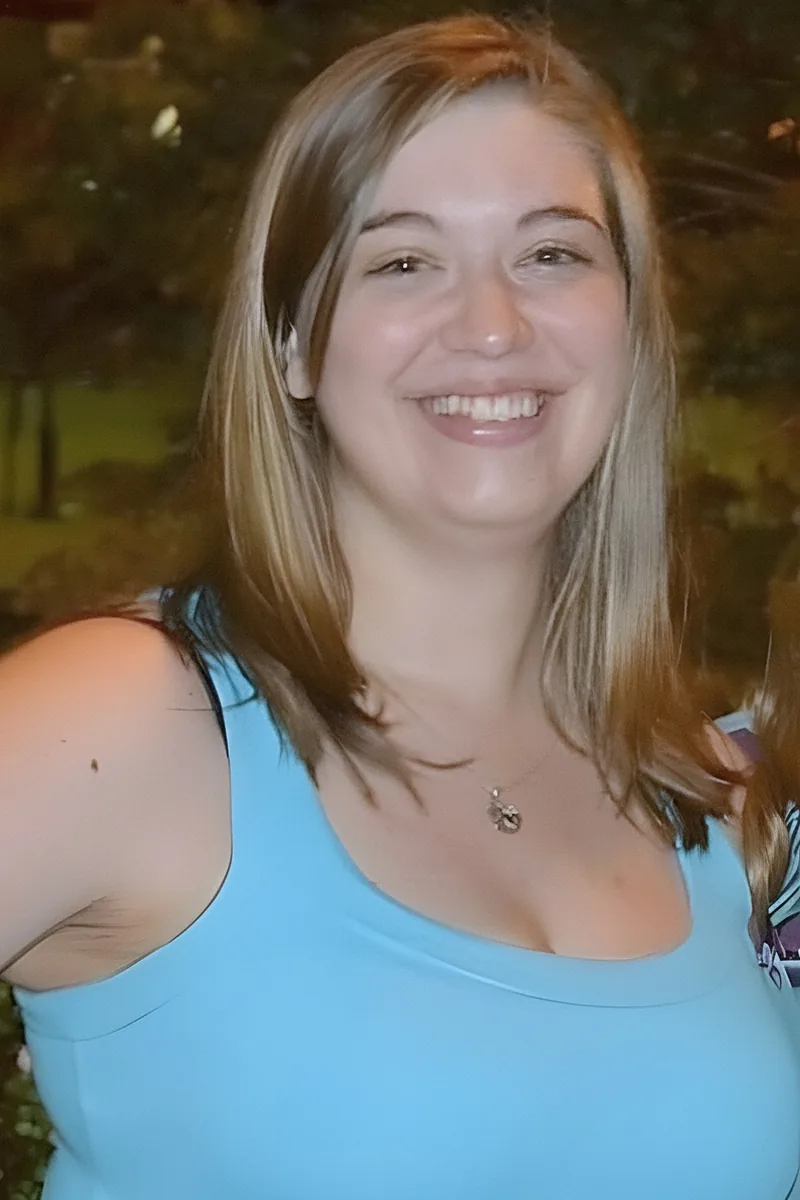
I am currently a lead preschool teacher. I received my Bachelor's in Psychology from VCU and am looking to return to school to further my education. While in college, I worked as a Supplemental Instruction leader, teaching general biology and anatomy. I have also worked in an after school program with elementary age children, but I have my fondest memories volunteering as a counselor for Camp Kesem. In my own experience, I loved school and now I love teaching even more at all age levels! I especially enjoy the challenge of getting creative to discover what approach and mediums work best for each student. I am available for in person as well as online tutoring.
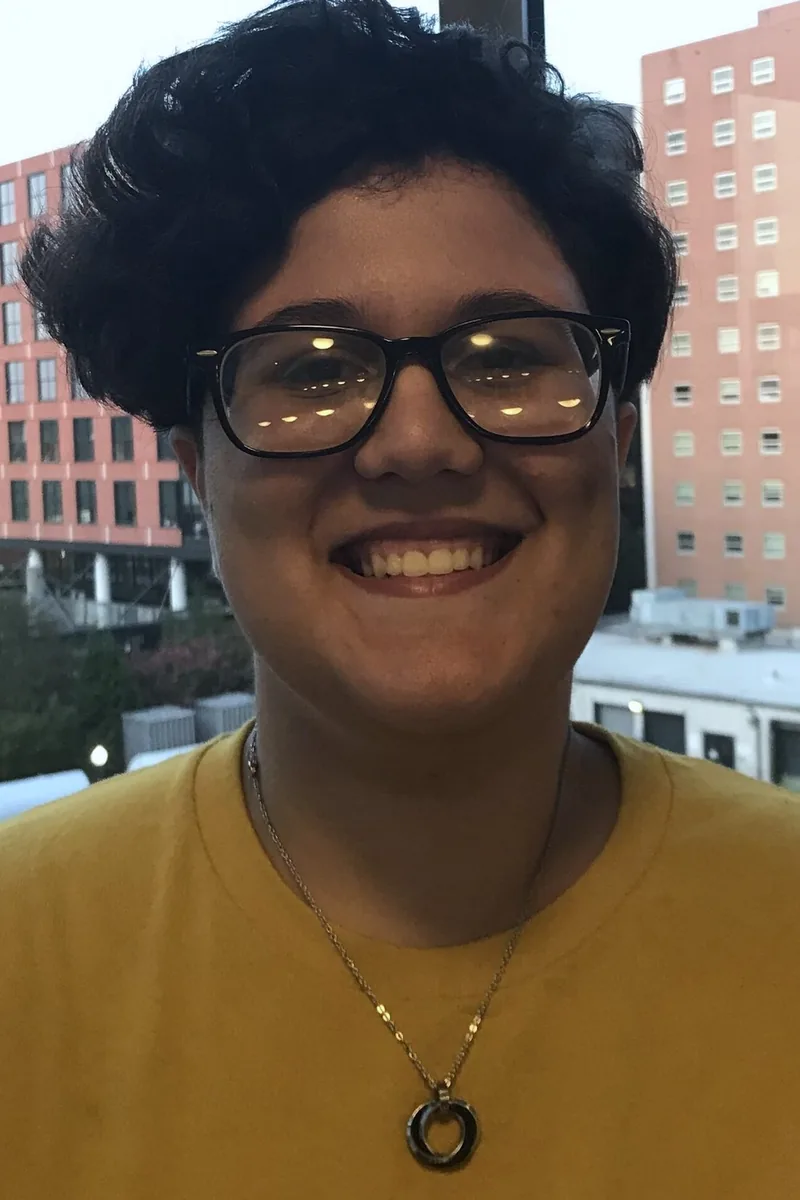
I'm a current medical student at VCU School of Medicine, and a graduate of Johns Hopkins University. I received my Bachelor of Science in Molecular and Cellular Biology. I've had the pleasure of tutoring a diverse range of students for 5 years; while I tutor a broad set of subjects, I'm most passionate about biology, psychology, and chemistry. I'm a big proponent of ensuring understanding over memorization and teaching concepts that last for years to come (particularly for other students interested in medicine!) In my free time, I love to write poetry, edit essays, and gush about game writing with friends.
I am currently a first-year medical student at Virginia Commonwealth University. I have a huge passion for science, and would love to help out whoever I can, especially those interested in entering the medical field!
I am a lifelong francophile who has lived in Paris, France for almost a year. I am also an avid NCAA men's and women's basketball fan! Go Rams! Go Terps!
I am a graduate of James Madison University having earned my Bachelors of Science in Kinesiology concentrated in Exercise Science and Pre-Physical Therapy studies. I have been admitted and plan to earn my Doctor of Physical Therapy degree starting in August 2026. I am excited to tutor students that seek assistance in Biomechanics, Physics, and Anatomy. Through clinical experience, athletic coaching, and tutoring I have learned how to best approach difficult topics and attack weaknesses head on to instill confidence and drive personal growth, resulting in success.
Memorizing every bone, muscle, and nerve pathway in anatomy can feel like learning a foreign language — because it essentially is one, rooted in Latin and Greek terminology. Amanda's anthropology and archaeology training gave her years of hands-on experience with skeletal and muscular systems in ways most tutors never encounter. She teaches students mnemonic strategies and spatial reasoning techniques that turn rote memorization into durable understanding of structural relationships.
Jill's pre-med coursework and biology minor at NYU mean she's worked through the full gauntlet of body systems — cardiovascular, respiratory, nervous — in the kind of detail that introductory anatomy courses demand. Her psychology training also gives her a practical understanding of how to chunk dense material like cranial nerve pathways into smaller, retainable pieces, which is half the battle in a subject where volume is the main obstacle.
I am currently working towards a doctorate in medicine from New Jersey Medical School. Throughout high school, college, and graduate school, I have tutored students ranging in age from elementary school to college freshmen in a variety of subjects particularly math and science. My favorite subject to tutor is math because it is very methodical and visual. Having a passion to help others, I am drawn to tutoring for the opportunity to share my knowledge with others. My family and friends have described me as being patient, compassionate, and personableall of the qualities that I believe I bring to my students. Outside of tutoring, I like Notre Dame football, dogs (especially my family's German Shepherd!), yoga, cooking, and reading.
Memorizing 206 bones and hundreds of muscles is one thing; understanding how they relate spatially and functionally is another challenge entirely. Anni's biomedical graduate training and her path toward medical school mean she teaches anatomy the way clinicians think about it — connecting structure to function so that the brachial plexus or the layers of the GI tract actually make sense.
Currently in medical school after graduating summa cum laude from Duke with a cell and molecular biology concentration, Emily learned anatomy through cadaver dissection and clinical coursework where knowing the layers of the abdominal wall or the path of the femoral nerve isn't optional. She teaches the subject by anchoring each structure to its physiological role — so students understand what a muscle does before they try to memorize its origin, insertion, and innervation. Rated 5.0 by students.
Belinda's neuroscience degree required her to learn anatomy from the brain outward — tracing cranial nerves, mapping spinal cord regions, and understanding how the central and peripheral nervous systems connect to every major organ system. That top-down perspective means she teaches body structures as parts of functional circuits rather than standalone vocabulary, which is especially effective for students struggling to see how individual bones, muscles, and vessels fit into the bigger picture. Rated 5.0 by students.
Dental school demands a level of anatomical knowledge most undergrads never encounter — Daniel spent years learning cranial nerves, musculoskeletal structures, and histological tissue types in clinical detail. He breaks down complex systems like the brachial plexus or cardiac anatomy into logical relationships rather than brute-force memorization lists. That clinical lens makes abstract structures feel real and easier to retain.
Working in orthopedic research means Colleen thinks about bones, joints, muscles, and connective tissue every day — not as textbook diagrams, but as living structures she analyzes professionally. She teaches anatomy by linking each system's form to its function, whether that's tracing blood flow through the heart or explaining how skeletal muscle attachments determine range of motion.
Learning anatomy is as much about spatial reasoning as it is about vocabulary — you need to picture where the brachial plexus runs or how the heart's chambers connect to the great vessels. Amir, currently finishing medical school, teaches anatomy through detailed visual cues and diagrams that map structures in three dimensions, turning rote memorization into genuine understanding.
Having studied anatomy through her nursing education, Sarah knows the subject from the inside — not just labeling structures on a diagram but understanding how organ systems interact functionally. She tackles tough topics like the brachial plexus or cardiac conduction pathways by linking structure to clinical purpose, which makes dense material far easier to retain.
Jennifer's biological sciences degree means she studied anatomy alongside physiology, microbiology, and chemistry — so she naturally teaches structures in the context of the larger systems they belong to, which is especially useful for topics like cardiovascular or respiratory anatomy where form and function are inseparable. Her current path toward PA studies keeps her actively reviewing organ systems and tissue-level detail at a clinical depth that matches what university anatomy courses demand.
Memorizing every bone, muscle, and nerve can feel overwhelming until you start seeing the structural logic behind the body's design. Jasen's osteopathic medical training gave him hands-on fluency with musculoskeletal anatomy, brachial plexus pathways, and organ relationships that he now unpacks for students in a way that makes the material stick.
Testimonials
Because the right Anatomy tutor makes all the difference.
Average Session Rating – Based on 3.4M Learner Ratings
Practice Anatomy
Free practice tests, flashcards, and AI tutoring for Anatomy
Other Richmond Tutors
Related Science Tutors in Richmond
Frequently Asked Questions
Anatomy courses for students in Richmond generally cover human body systems including skeletal, muscular, nervous, cardiovascular, respiratory, digestive, and endocrine systems. Students also study cell structure, tissue types, and organ function, with many courses requiring both classroom learning and hands-on lab work where students examine models, specimens, or engage in dissections. The depth varies by grade level and course type—high school anatomy differs significantly from college-level human anatomy or advanced courses like A&P (Anatomy & Physiology).
While anatomy does involve learning anatomical terms and structures, true understanding requires connecting how different body systems work together and why structures are designed the way they are. Effective anatomy study combines memorization with visualization and functional reasoning—understanding not just that the heart has four chambers, but how blood flows through them and why that design matters. Personalized tutoring helps students move beyond rote memorization to develop the conceptual framework that makes anatomy knowledge stick and applicable to real-world scenarios like medical careers or advanced biology courses.
Visualization is one of the biggest challenges in anatomy since many structures are internal or microscopic. Effective strategies include using 3D models and diagrams, drawing structures repeatedly to build muscle memory, studying from multiple angles, and connecting structures to their functions. Tutors experienced in anatomy can guide you through interactive learning techniques—like tracing blood flow pathways or explaining how muscle contractions relate to skeletal movement—that transform abstract concepts into mental images you can actually work with during exams and labs.
Lab practicals are where anatomy knowledge gets tested in real time—identifying structures on specimens, models, or slides under pressure. Personalized tutoring helps you prepare by practicing identification strategies, learning to recognize structures from different angles, and understanding the functional relationships that help you remember what you're seeing. Tutors can also help you develop effective study habits for lab practicals, like creating flashcards with unlabeled diagrams or practicing timed identification exercises that mirror the actual exam format.
Students in Richmond often struggle with distinguishing between similar structures (like different types of bones or muscle groups), understanding how systems interact rather than studying them in isolation, and applying anatomical knowledge to clinical or real-world scenarios. Many also find the volume of terminology overwhelming and struggle to connect Latin/Greek roots to structure names. Tutors can help you develop personalized strategies to organize information, build connections between concepts, and create memory aids that make the material more manageable.
Varsity Tutors connects you with tutors who have expertise in your specific anatomy course—whether that's high school anatomy, college-level human anatomy, or A&P. When you describe your course, textbook, and learning goals, you'll get matched with a tutor who understands your curriculum and teaching style. This personalized match matters because anatomy tutors with experience in your particular course know what your instructor emphasizes, what typically appears on exams, and how to explain concepts in ways that align with your class.
Your first session is about understanding where you are and where you want to go. A tutor will likely assess your current understanding of key concepts, identify specific topics that are causing trouble, and learn about your learning style—whether you're more visual, kinesthetic, or conceptual. From there, they'll create a personalized plan that might include targeted concept review, practice with identifying structures, lab practical preparation, or exam review, depending on what you need most.
With consistent, focused tutoring, many students see noticeable improvement in understanding and confidence within 2-4 weeks, especially if they're working on specific weak areas like a challenging body system or lab practical preparation. However, building true mastery of anatomy—where you can confidently identify structures, explain their functions, and apply that knowledge—typically requires ongoing support over a semester or course. The timeline depends on where you're starting, how frequently you meet, and how actively you engage with the material between sessions.
Let’s find your perfect tutor
Answer a few quick questions. We’ll recommend the right plan and match you with a top 5% tutor.