Award-Winning AP Psychology Tutors
serving Arlington, VA
AP Psychology
Tutors in Arlington
Private 1-on-1 tutoring, weekly live classes for academic support, test prep & enrichment, practice tests and diagnostics, and more to elevate grades and test scores.
Based on 3.4M Learner Ratings
UniversitiesSchools & Universities
DeliveredHours Delivered
ProficiencyGrowth in Proficiency
Who needs tutoring?
No obligation. Takes ~1 minute.
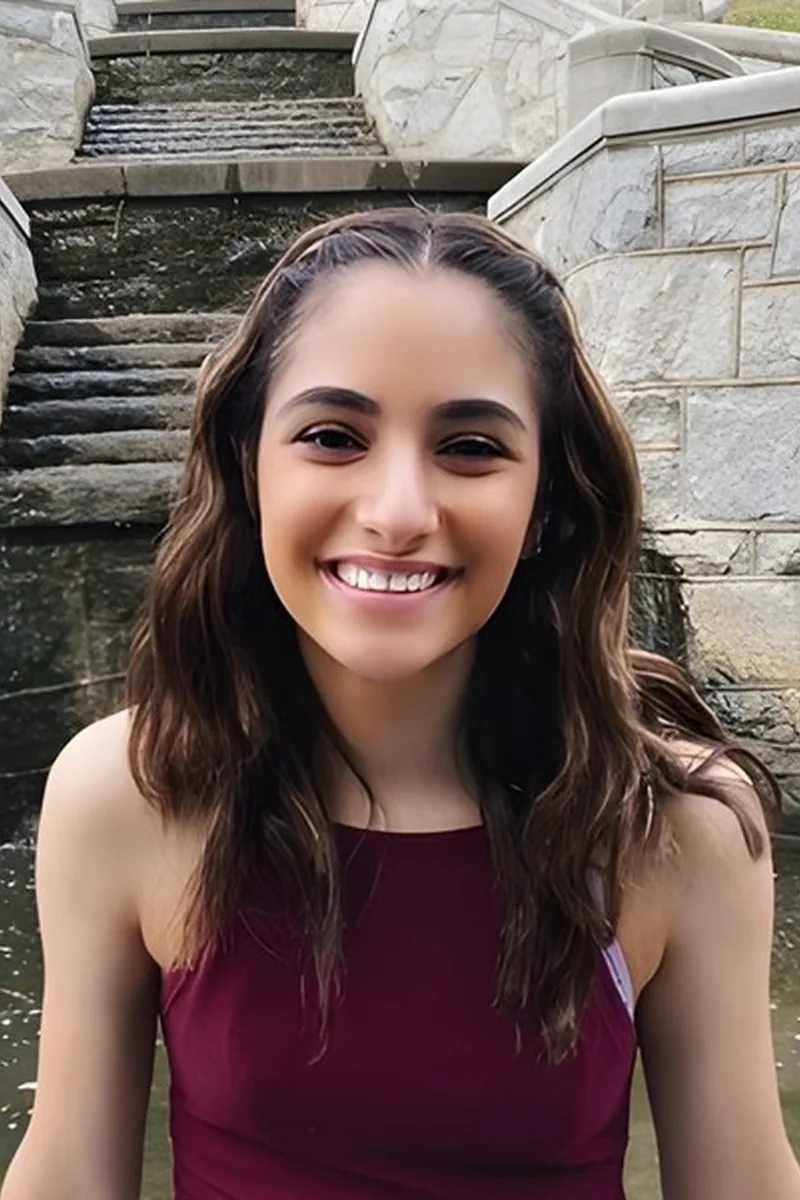
Bioinformatics requires learning how biological systems interact at the molecular level — the same neurotransmitter pathways, genetic influences, and neural signaling that anchor AP Psychology's biological bases of behavior unit. Shahad's pre-med coursework in biology and chemistry gives her a concrete, science-grounded way to explain those mechanisms, and her 4.9 rating speaks to how effectively she translates that knowledge into clear, exam-ready understanding for the rest of the curriculum's terminology-dense units.

Hi there! I'm Emily, and I love helping students feel more confident and capable when tackling challenging material. Whether you're trying to strengthen your understanding of a course, improve your writing, or prepare for an exam, I'm here to make learning feel approachable, supportive, and a lot less overwhelming. As a Teaching Fellow at the University of Chicago with a PhD in experimental psychology, I bring both subject expertise and years of teaching and mentoring experience to every session. My students often tell me that concepts finally "click" after we work together, and I believe every student can succeed with the right support, encouragement, and strategies. If you are looking for support in psychology or social science courses, or want to feel more confident working through challenging material, I would love to work with you!
Matthew's pre-med track at Yale pairs biochemistry with philosophy — a combination that pays off in AP Psychology, where the biological bases of behavior unit demands real science fluency and the free-response section rewards precise, logically structured arguments. His hands-on work with tools like CRISPR-Cas9 in a research lab gives him a concrete way to explain neural signaling, genetics of behavior, and neurotransmitter pathways that most students only encounter as textbook diagrams. Rated 5.0 by students.
A psychology degree gives Maggie direct familiarity with the AP Psych curriculum — she studied the theories of Erikson, Piaget, and Kohlberg in depth, which is especially useful for the developmental psychology unit where students need to distinguish overlapping stage models under exam pressure. Her strong writing and reading background also translates to the free-response section, where she coaches precise term definitions woven into scenario-based answers that earn full credit.
Kristen is a psychology major on the pre-med track at UIC, which means she's not just reviewing AP Psych material — she's actively studying it at the college level. She breaks down tricky units like biological bases of behavior and research methods by tying them to real experiments and clinical examples that make the content click on exam day.
Architecture school at Columbia demands understanding how people perceive, navigate, and emotionally respond to spaces — which means Allison has spent years thinking about sensation-perception, cognition, and motivation in applied contexts that bring AP Psych concepts off the page. Her physics background also gives her a structural approach to the biological bases of behavior unit, where she breaks down neural signaling and brain anatomy with the precision of someone trained in systems thinking. Rated 5.0 by students.
Working in a genetics lab and as an EMT gives Evan an unusual double lens on AP Psychology — he understands the biological bases of behavior unit from his research in genetics and neuroscience, and he's seen concepts like stress response, decision-making under pressure, and abnormal behavior play out firsthand in emergency medicine. That real-world clinical experience makes units like motivation, emotion, and abnormal psychology feel concrete rather than theoretical. Rated 5.0 by students.
Lisa's history training taught her to trace how ideas evolve across time periods — a skill that translates directly to AP Psychology, where understanding the progression from Freud to cognitive-behavioral frameworks makes dense theory units like personality and abnormal psychology far more intuitive than rote memorization allows. Her strong writing and editorial background also gives her a practical edge coaching students through free-response questions, where defining terms like "schema" or "self-serving bias" with precision and applying them to scenario prompts is what separates 3s from 5s. Rated 4.9 by students.
Lauren's education degree means she's studied learning theory and developmental psychology from the teaching side — Piaget's stages, Vygotsky's scaffolding, Erikson's identity crises — which gives her a practitioner's fluency with concepts that make up a significant chunk of the AP Psych exam. She also teaches study skills alongside psychology, so she builds vocabulary-retention strategies directly into her sessions for the units where sheer terminology volume tends to overwhelm students.
Nicole's chemistry background gives her a tangible way to teach the biological bases of behavior unit — she explains neurotransmitter pathways and synaptic signaling with the precision of someone who studied those molecules, not just their psychological effects. Her English literature training then kicks in for the free-response section, where she coaches students to construct tight, definition-rich answers that don't waste words. Rated 5.0 by students.
Robert is currently completing his Master's in Psychology, which means the AP Psych curriculum — from Piaget's stages to the nuances of the DSM — covers ground he's actively working in at the graduate level, not material he's revisiting from an intro course. His research background is especially useful for the research methods unit, where he breaks down concepts like operational definitions, control groups, and statistical significance with the precision of someone who designs studies and is currently working toward publication in peer-reviewed journals.
Liana's biological sciences coursework gives her a running start on the AP Psych units that trip up most students — biological bases of behavior, sensation-perception, and the neuroscience threading through topics like memory and motivation. She tackles the terminology-dense sections by tying psychological concepts back to the underlying biology, turning flashcard-style definitions into something students can actually reason through on free-response questions. Rated 4.9 by students.
A psychology and linguistics degree from the University of Chicago means Sherry didn't just survey the AP Psych curriculum — she studied the underlying science of language, cognition, and behavior at a research university where the field's foundational theories were developed. That linguistics training is especially useful for the language-and-thought debates in the cognition unit and for unpacking Chomsky, Whorf, and the biological underpinnings of communication that the exam tests in ways students rarely expect. Rated 5.0 by students.
Testimonials
Because the right AP Psychology tutor makes all the difference.
Average Session Rating – Based on 3.4M Learner Ratings
Practice AP Psychology
Free practice tests, flashcards, and AI tutoring for AP Psychology
Other Arlington Tutors
Related Social Sciences Tutors in Arlington
Frequently Asked Questions
Varsity Tutors matches Arlington students with expert AP Psychology tutors for 1-on-1 instruction. We pair each student with a tutor based on their specific needs, learning style, and goals.
Whether you need homework help, exam prep, or want to get ahead, our AP Psychology tutors are ready to help.
Common challenges include gaps from earlier material, difficulty with specific concepts, and trouble applying learning to new problems. These issues can snowball quickly in AP Psychology.
A tutor identifies where you're stuck, fills in gaps, and provides targeted practice. The 1-on-1 format means you get help exactly where you need it.
Tutors work with your student's actual coursework—homework assignments, class notes, and upcoming tests. This keeps tutoring directly relevant to what's happening in the classroom.
When you share information about your student's school and curriculum, we can match you with a tutor who has relevant experience.
All tutors complete background checks, credential verification, and teaching evaluation. Many of our AP Psychology tutors hold advanced degrees or have years of teaching experience.
You can review tutor profiles to find someone with the right background for your student's level and needs.
Many students see improved grades within a few weeks, along with better understanding of AP Psychology concepts and more confidence tackling challenging material.
Tutors track progress and adjust their approach to ensure continued improvement.
Most students benefit from 1-2 sessions per week. More frequent sessions help if your student is significantly behind or has an important exam coming up.
Your tutor can recommend a schedule based on your student's specific situation and goals.
Tutoring is purchased in packages of hours, with rates varying by tutor experience. Varsity Tutors offers several options to fit different budgets and needs.
You can discuss pricing during your consultation to find what works best.
Your tutor will assess where your student is, discuss goals, and start working on priority areas. Most students bring current homework or upcoming test material to focus on.
By the end, you'll have a clear sense of how the tutor can help and a plan for moving forward.
Let’s find your perfect tutor
Answer a few quick questions. We’ll recommend the right plan and match you with a top 5% tutor.