Award-Winning AP Psychology Tutors
serving Virginia Beach, VA
AP Psychology
Tutors in Virginia Beach
Private 1-on-1 tutoring, weekly live classes for academic support, test prep & enrichment, practice tests and diagnostics, and more to elevate grades and test scores.
Based on 3.4M Learner Ratings
UniversitiesSchools & Universities
DeliveredHours Delivered
ProficiencyGrowth in Proficiency
Who needs tutoring?
No obligation. Takes ~1 minute.
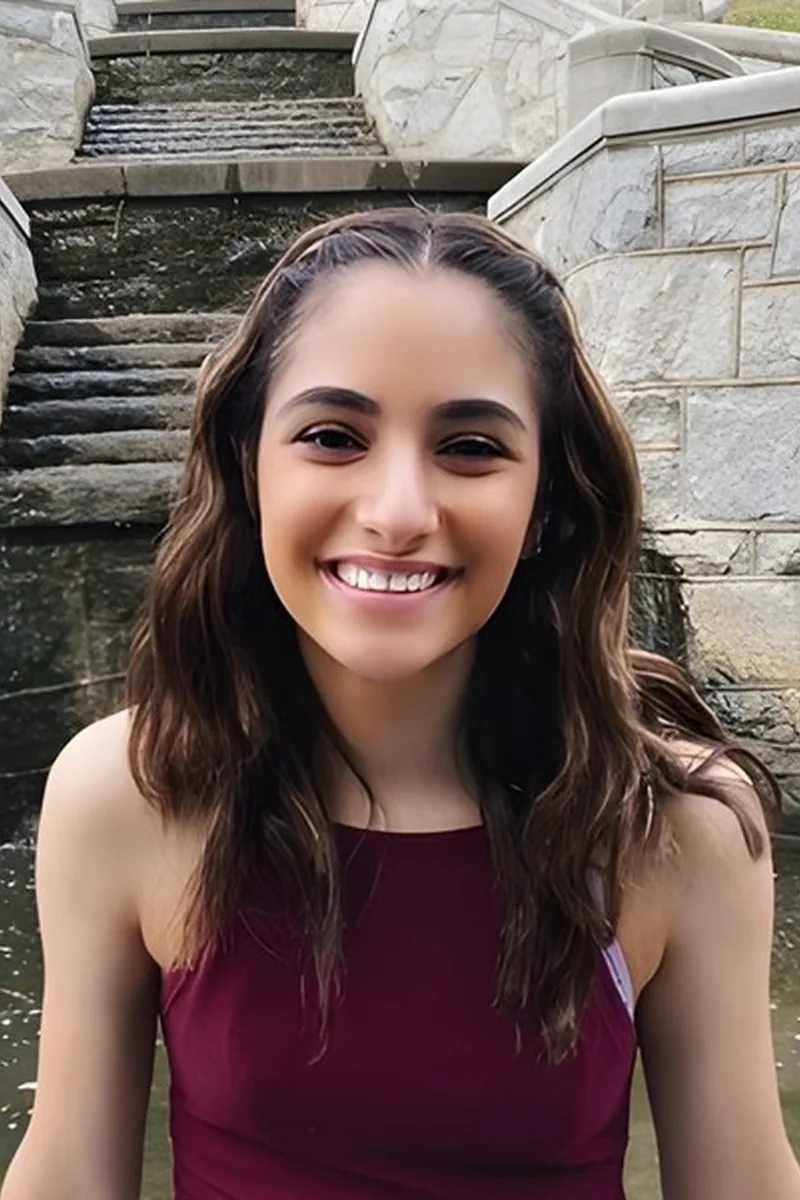
Bioinformatics requires learning how biological systems interact at the molecular level — the same neurotransmitter pathways, genetic influences, and neural signaling that anchor AP Psychology's biological bases of behavior unit. Shahad's pre-med coursework in biology and chemistry gives her a concrete, science-grounded way to explain those mechanisms, and her 4.9 rating speaks to how effectively she translates that knowledge into clear, exam-ready understanding for the rest of the curriculum's terminology-dense units.

Hi there! I'm Emily, and I love helping students feel more confident and capable when tackling challenging material. Whether you're trying to strengthen your understanding of a course, improve your writing, or prepare for an exam, I'm here to make learning feel approachable, supportive, and a lot less overwhelming. As a Teaching Fellow at the University of Chicago with a PhD in experimental psychology, I bring both subject expertise and years of teaching and mentoring experience to every session. My students often tell me that concepts finally "click" after we work together, and I believe every student can succeed with the right support, encouragement, and strategies. If you are looking for support in psychology or social science courses, or want to feel more confident working through challenging material, I would love to work with you!
Alyssa's psychology coursework — she tutors multiple psychology subjects alongside her math degree at Vanderbilt — means she approaches AP Psych's statistics-heavy research methods unit with genuine fluency, breaking down concepts like standard deviation, correlation vs. causation, and statistical significance that trip up students who haven't taken a dedicated math course. Her 34 ACT and 5.0 rating speak to the precision she brings to the free-response section, where she coaches students to structure tight, term-specific answers rather than vague summaries.
Elliot's PhD in Neuroscience means the biological bases of behavior unit — neurotransmitter systems, brain lateralization, neural plasticity — is his actual research territory, not a chapter he's reviewing from a prep book. That depth reshapes how he teaches the rest of the AP Psych curriculum too: units like sensation-perception, memory, and abnormal psychology all snap into focus when a student genuinely understands the neural machinery underneath. Rated 5.0 by students.
Studying neuroscience at Johns Hopkins means Christopher encounters AP Psychology concepts — from neural signaling and brain anatomy to memory encoding and cognitive biases — in his own coursework on a daily basis. He breaks down dense units like biological bases of behavior and research methods by tying them to real experiments and clinical examples. Students preparing for the AP exam get someone who understands both the science and the test format.
Neuroscience is Alex's self-described favorite subject, and that shows up most clearly in how she tackles AP Psychology's biological bases of behavior unit — breaking down neurotransmitter systems, brain regions, and neural pathways with the depth of someone heading into a doctorate program at Washington University's OT school this fall. Her psychology major and neuroscience minor mean the rest of the curriculum, from developmental theory to abnormal psychology, draws on coursework she's already completed with honors. Rated 5.0 by students.
Josh's AP Statistics training gives him a practical edge in the research methods unit of AP Psych, where interpreting experimental design, correlation vs. causation, and statistical significance trips up students who treat it as pure vocabulary memorization. He also tutors AP Micro and Macroeconomics, which means concepts like decision-making heuristics, motivation, and behavioral economics in the social psychology and cognition units come with built-in real-world examples rather than abstract definitions.
Studying cognitive science on a pre-med track at Rice, Natalie digs into the overlap between brain structure and behavior every day — exactly the territory AP Psych tests hardest. She's especially sharp on the cognitive and biological units, breaking down topics like memory models, perception, and states of consciousness in ways that go beyond vocabulary flashcards and into the kind of conceptual reasoning the exam's scoring rubrics actually reward.
Architecture school at Columbia demands understanding how people perceive, navigate, and emotionally respond to spaces — which means Allison has spent years thinking about sensation-perception, cognition, and motivation in applied contexts that bring AP Psych concepts off the page. Her physics background also gives her a structural approach to the biological bases of behavior unit, where she breaks down neural signaling and brain anatomy with the precision of someone trained in systems thinking. Rated 5.0 by students.
Having studied psychology alongside microbiology and the biological sciences, Felix brings a dual lens to AP Psych — particularly in units like biological bases of behavior and sensation-perception, where his science training makes neurotransmitter pathways and neural signaling click rather than feel like rote vocabulary. He also teaches the research methods unit with the rigor of someone trained in scientific methodology, breaking down experimental design and variable identification in concrete terms. Rated 5.0 by students.
A psychology major at the University of Chicago with a neuroscience specialization, Emerson lives and breathes the material that shows up on the AP Psychology exam — from Piaget's developmental stages to action potentials and neurotransmitter pathways. He connects textbook concepts to the actual research studies that College Board loves to test, making free-response questions far less intimidating. Rated 5.0 by students.
Liana's biological sciences coursework gives her a running start on the AP Psych units that trip up most students — biological bases of behavior, sensation-perception, and the neuroscience threading through topics like memory and motivation. She tackles the terminology-dense sections by tying psychological concepts back to the underlying biology, turning flashcard-style definitions into something students can actually reason through on free-response questions. Rated 4.9 by students.
Dental school requires mastering the same biological foundations that underpin AP Psychology's toughest unit — Nik knows neurotransmitter pathways, neural signaling, and brain anatomy from his predentistry and biology training, not from flashcards. His 32 ACT also means he's familiar with the kind of timed, high-stakes testing where precise terminology and quick recall matter, which he channels into coaching students through the vocabulary-dense units like learning theory and memory. Rated 4.9 by students.
Testimonials
Because the right AP Psychology tutor makes all the difference.
Average Session Rating – Based on 3.4M Learner Ratings
Practice AP Psychology
Free practice tests, flashcards, and AI tutoring for AP Psychology
Other Virginia Beach Tutors
Related Social Sciences Tutors in Virginia Beach
Frequently Asked Questions
The AP Psychology exam covers 9 major units: Scientific Foundations of Psychology, Biopsychology, Sensation and Perception, Learning, Cognition, Motivation/Emotion/Personality, Testing and Individual Differences, Abnormal Psychology, and Treatment of Abnormal Behavior. The exam is 2 hours long and includes 100 multiple-choice questions plus a free-response section. A strong understanding of research methods and statistics is essential throughout the course, as the exam frequently tests your ability to interpret studies and data.
Score improvement depends on your starting point and how consistently you engage with tutoring. Students who work with tutors typically see gains of 1-2 score points (on the 1-5 scale) when they focus on weak units and practice test-taking strategies regularly. The key is identifying which concepts you struggle with—whether it's research design, abnormal psychology terminology, or test-taking pacing—and targeting those areas systematically over several months.
Many students struggle with memorizing the vast amount of terminology and theories across all 9 units, especially distinguishing between similar concepts (like different types of memory or therapy approaches). Others find the research methods and statistics sections challenging because they require critical thinking rather than pure memorization. Test-taking pacing is another common issue—students often run out of time on the free-response questions or second-guess themselves too much on multiple choice, which can hurt their score.
Personalized 1-on-1 instruction allows tutors to identify your specific weak areas—whether that's biopsychology, abnormal psychology, or test strategy—and create a targeted study plan. Tutors can help you organize the massive amount of content into memorable frameworks, practice interpreting research studies, and develop efficient test-taking strategies for both the multiple-choice and free-response sections. This focused approach is much more effective than generic review materials because it addresses exactly what you need to improve.
Most students benefit from starting AP Psychology exam prep 2-3 months before the May test date, dedicating 5-7 hours per week to focused review and practice tests. If you're starting later or struggling with specific units, working with a tutor can help you prioritize the highest-impact topics and study more efficiently. The ideal timeline includes time for content review, multiple full-length practice tests, and targeted work on your weakest areas before test day.
Practice tests are critical for AP Psychology because they help you get comfortable with the exam format, build test-taking stamina, and identify which units need more review. Taking full-length practice tests under timed conditions reveals whether your struggles are content-based or strategy-based—for example, whether you're running out of time or misunderstanding question formats. Most students should aim for 3-4 full practice tests in the weeks leading up to the exam, with tutors helping you analyze mistakes and adjust your approach.
Varsity Tutors connects you with expert tutors who specialize in AP Psychology and understand the specific challenges students face with the curriculum and exam format. When you get matched with a tutor, you can discuss your current score, weak areas, and timeline so they can create a personalized study plan. Tutors can work with you on content review, test-taking strategies, practice test analysis, and building confidence before test day.
In your first session, your tutor will assess your current understanding of AP Psychology concepts, discuss which units or topics feel most challenging, and learn about your goals (whether you're aiming for a 3, 4, or 5). They'll likely go over the exam format and ask about your test-taking habits to identify where you're losing points. From there, your tutor will create a customized study plan that targets your specific needs and fits your timeline before the exam.
Let’s find your perfect tutor
Answer a few quick questions. We’ll recommend the right plan and match you with a top 5% tutor.