Award-Winning German Tutors
serving Houston, TX
German
Tutors in Houston
Private 1-on-1 tutoring, weekly live classes for academic support, test prep & enrichment, practice tests and diagnostics, and more to elevate grades and test scores.
Based on 3.4M Learner Ratings
UniversitiesSchools & Universities
DeliveredHours Delivered
ProficiencyGrowth in Proficiency
Who needs tutoring?
No obligation. Takes ~1 minute.

Learning German grammar means wrestling with cases, gendered nouns, and a sentence structure that puts verbs in unexpected places — all of which feel overwhelming without a clear system. Nivedina teaches the underlying patterns so that accusative versus dative stops being a guessing game and starts being predictable. Her analytical mindset as a scientist turns German's notoriously rigid rules into something students can actually internalize.
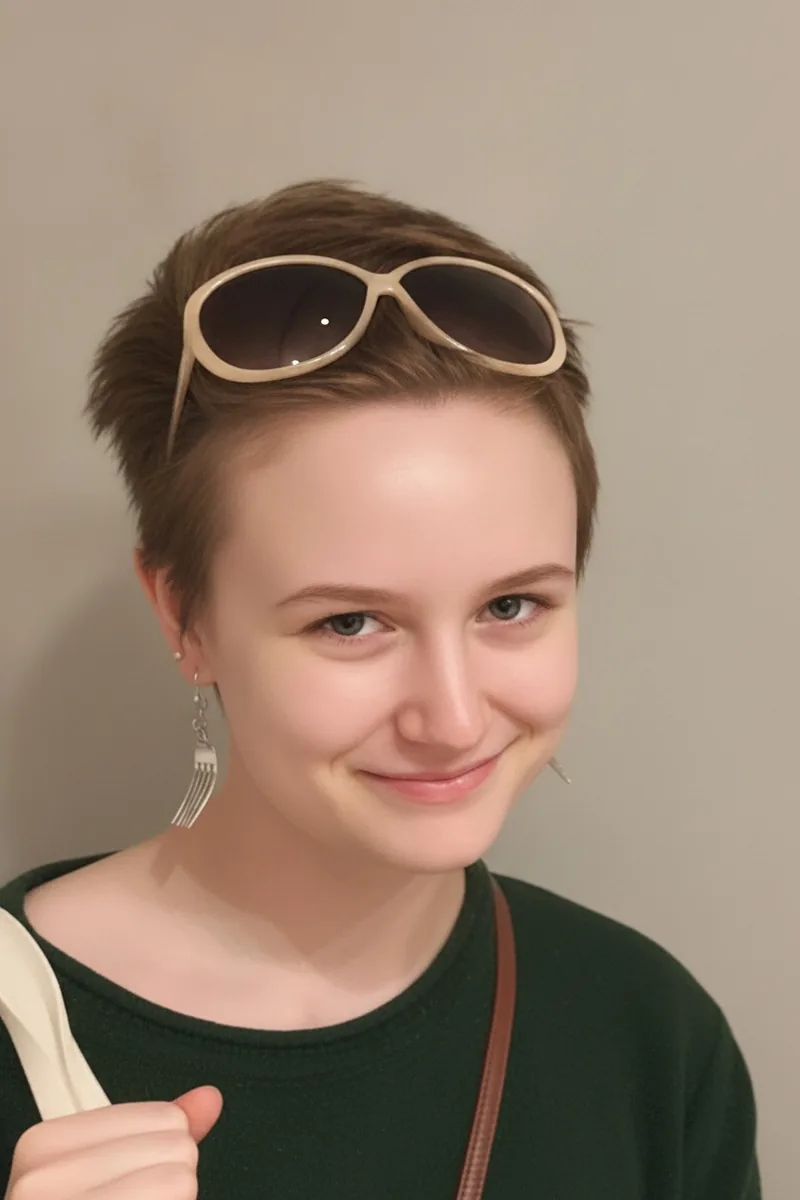
Natalie studied German alongside her English and Film coursework at Cornell, giving her a solid grasp of the language's notoriously tricky case system, separable verbs, and gendered nouns. She approaches German grammar with the same structural thinking she applies to English — breaking down sentence patterns so students understand the logic behind der, die, and das rather than relying on brute memorization.
Teaching German at every level from beginner to advanced, Nadja is a native-level speaker who understands the grammar hurdles — case endings, separable verbs, subordinate clause word order — that trip up English speakers most. She integrates conversation practice with structured grammar drills so students build fluency and accuracy at the same time.
Covering German 1 through German 4, Kristina pairs her language study with a Contemporary Studies background that naturally weaves in cultural literacy — giving students context for why Germans say things a certain way, not just how. Her 5.0 rating and pursuit of a Texas teaching certification in German signal someone who takes the language seriously enough to build a career around it.
Learning German means wrestling with case endings, separable verbs, and sentence structures that put the verb in unexpected places. Anuj breaks these grammar puzzles into logical patterns, drawing on his CLEP German background and his psychology training to tailor explanations to how each student actually processes new language. He pairs grammar drills with reading and listening practice so the rules stick in context.
An engineering student at Texas A&M, Mutaharah brings the same systematic problem-solving mindset to German that she applies to calculus and chemistry — treating grammar rules like equations with consistent, learnable structures. She's particularly effective at breaking down noun cases and verb conjugation into repeatable patterns that click for students who think analytically. Rated 4.9 by students.
Amber majored in German at Northwestern, which means she didn't just study the language — she read novels, wrote research papers, and debated in it. She teaches grammar concepts like case endings and word order through pattern recognition, showing students the underlying logic so they can construct sentences on their own instead of relying on memorization tables.
Studying German at Carleton College means Amanda uses the language daily — in coursework, in conversation, and in reading original texts. She walks students through everything from noun cases and gendered articles in German 1 to more complex subordinate clause structures in German 2, building each lesson around practical usage so grammar rules actually stick.
Earning a PhD in German at Harvard means Zachary has spent years reading, writing, and thinking in the language — from Kant's dense philosophical prose to contemporary academic discourse. He teaches grammar not as a set of rules to memorize but as a system with its own internal logic, making case endings and word order click for students at every level. Whether the goal is passing a college course or reading Goethe in the original, he knows how to get there.
Having studied German as a full undergraduate major, Thomas brings a depth that goes well beyond tourist-level vocabulary — he digs into case systems, subordinate clause word order, and the grammatical gender patterns that trip up English speakers most. Whether a student is working through Konjunktiv II or learning to decode compound nouns, he connects the rules to how the language actually sounds and reads in practice.
Joel brings structured thinking to German grammar — tackling case endings, verb conjugations, and sentence structure with the same logical precision he applies to his physics work at Cornell. He's particularly effective at demystifying the dative and accusative cases, which trip up most English-speaking learners early on.
At UC Berkeley, Jacob earned an M.A. in German and received formal training in foreign language pedagogy while teaching college-level German courses. That combination of academic depth and classroom experience means he can explain tricky grammar — separable verbs, adjective endings, subjunctive mood — in ways that actually make structural sense rather than feeling like arbitrary rules.
A pre-med student at UNC with minors in chemistry and biology, Dimitry also carries German through the advanced level — an uncommon combination that means he's used to toggling between technical and linguistic precision. He approaches German grammar with the same diagnostic thinking he brings to the sciences, making case systems and verb conjugation feel less like arbitrary rules and more like solvable puzzles. Rated 4.9 by students.
Carolyn's academic training in theology and religious studies required extensive work with German-language primary texts — a tradition where precise reading comprehension and command of complex sentence structures are non-negotiable. She teaches German 1 through German 4, bringing that text-heavy background to bear on vocabulary acquisition and the grammatical logic behind cases and word order.
Jay minored in German at Penn State and has studied the language across all four levels, from foundational grammar and case systems to advanced literary and academic texts. He breaks down tricky concepts like adjective endings, subordinate clause word order, and the subjunctive mood in ways that make German's structural logic click rather than feel like arbitrary rules.
Three levels of German instruction give Ben a clear picture of where students stumble — whether it's navigating noun cases, mastering separable verbs, or building confidence with spoken conversation. He approaches German grammar as a logical system with predictable patterns, which makes concepts like dative prepositions and adjective endings feel less arbitrary and more manageable.
Cornelia teaches German across all four levels, from nominative case basics to navigating subordinate clauses and the subjunctive mood. She integrates games, images, and cultural context into grammar-heavy lessons — an approach that keeps vocabulary and case endings from feeling like pure memorization. Her 5.0 rating speaks to how well that method lands with students.
Between her Northwestern coursework and studies in German-language opera repertoire — from Mozart to Strauss — Ilana developed a working fluency that goes beyond classroom German. She tackles tricky grammar concepts like case endings and separable verbs by connecting them to patterns students already recognize, making the logic of German sentence structure feel less foreign. Rated 5.0 by students.
Testimonials
Because the right German tutor makes all the difference.
Average Session Rating – Based on 3.4M Learner Ratings
Nearby German Tutors
Other Houston Tutors
Related Languages Tutors in Houston
Frequently Asked Questions
Your first session is an opportunity to assess your current level across reading, writing, speaking, and listening skills. A tutor will discuss your goals—whether you're preparing for AP German, building conversational fluency, or strengthening grammar fundamentals—and create a personalized learning plan tailored to your needs. This foundation helps ensure every future session targets exactly what matters most to you.
In a classroom of 25+ students, speaking practice time is limited. With personalized tutoring, you get dedicated conversation time every session—a critical advantage for developing natural fluency and confidence. Tutors can correct pronunciation and accent in real-time, model authentic German speech patterns, and create realistic dialogue scenarios that prepare you for actual communication, not just textbook exercises.
German verbs change based on person, tense, and mood—making conjugation one of the trickiest grammar hurdles for English speakers. Rather than memorizing endless tables, expert tutors teach you the patterns and rules that make conjugation logical, then reinforce them through targeted practice and real conversational use. This approach builds understanding instead of rote memorization, so conjugation becomes intuitive.
Spaced repetition and retrieval practice—reviewing words at increasing intervals and testing yourself actively—are proven methods for vocabulary retention. Tutors incorporate these techniques into lessons by connecting new words to context, using them in conversation, and strategically revisiting them across sessions. This beats cramming and ensures vocabulary sticks with you for real-world use.
Language and culture are inseparable—understanding German-speaking cultures deepens comprehension and makes learning more engaging. Many tutors weave cultural context into lessons, discussing German media, literature, customs, and current events alongside grammar and vocabulary. This immersion-style approach helps you understand not just what Germans say, but why they say it.
Absolutely. Whether you're in a Houston ISD, HISD, or private school German class, tutors can align with your specific curriculum, textbook, and teacher's expectations. They can clarify concepts from class, help with homework, prepare you for tests, and fill gaps in understanding—all while moving at your pace, which is especially helpful given Houston's average 16.3:1 student-teacher ratio.
Reaching professional-level proficiency typically requires around 600-750 hours of study according to language learning research. With consistent tutoring sessions combined with your own practice, you can develop conversational fluency in 6-12 months, depending on your starting level and frequency of study. The key is regular, focused practice—which personalized tutoring provides.
Look for tutors with native or near-native fluency, formal training in German language instruction, and experience teaching students at your proficiency level. Ideally, they've worked with students preparing for AP exams, standardized tests, or specific curriculum requirements. Varsity Tutors connects you with expert tutors in Houston whose qualifications and teaching style match your learning goals.
Let’s find your perfect tutor
Answer a few quick questions. We’ll recommend the right plan and match you with a top 5% tutor.