Award-Winning German Tutors
serving Fort Worth, TX
German
Tutors in Fort Worth
Private 1-on-1 tutoring, weekly live classes for academic support, test prep & enrichment, practice tests and diagnostics, and more to elevate grades and test scores.
Based on 3.4M Learner Ratings
UniversitiesSchools & Universities
DeliveredHours Delivered
ProficiencyGrowth in Proficiency
Who needs tutoring?
No obligation. Takes ~1 minute.
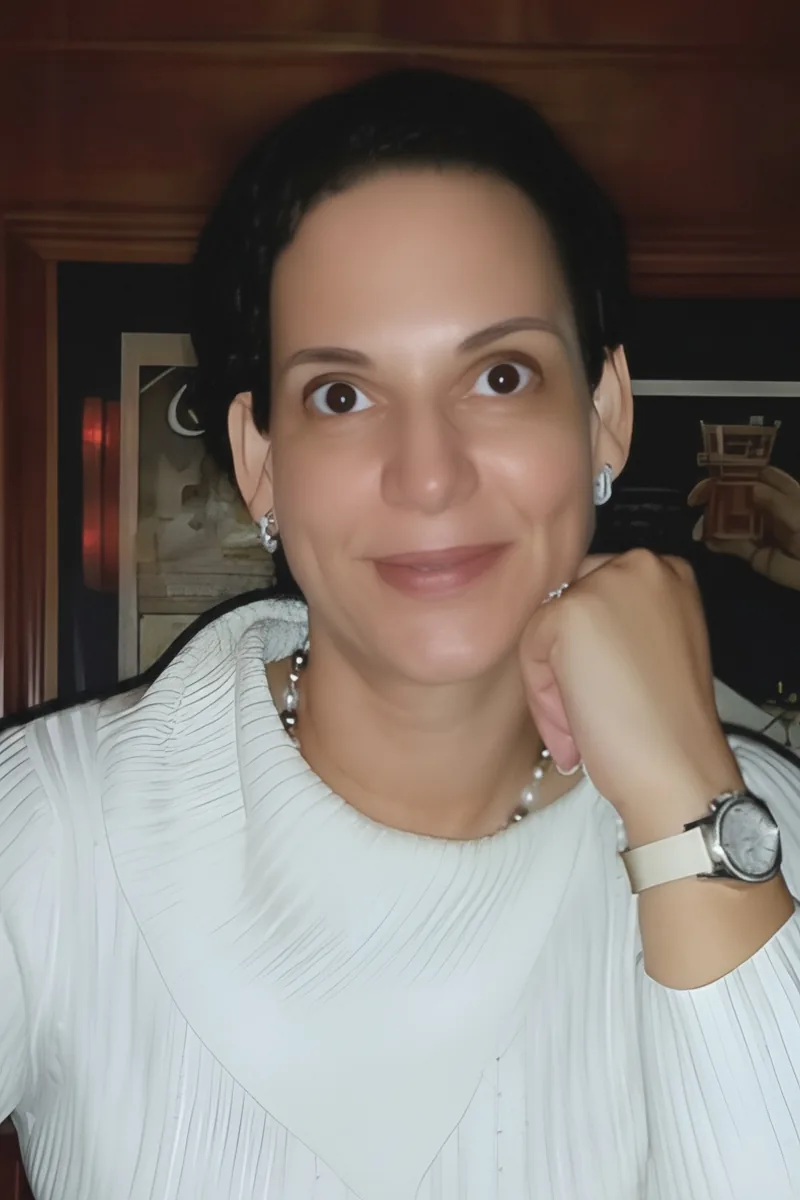
Teaching German at every level from beginner to advanced, Nadja is a native-level speaker who understands the grammar hurdles — case endings, separable verbs, subordinate clause word order — that trip up English speakers most. She integrates conversation practice with structured grammar drills so students build fluency and accuracy at the same time.
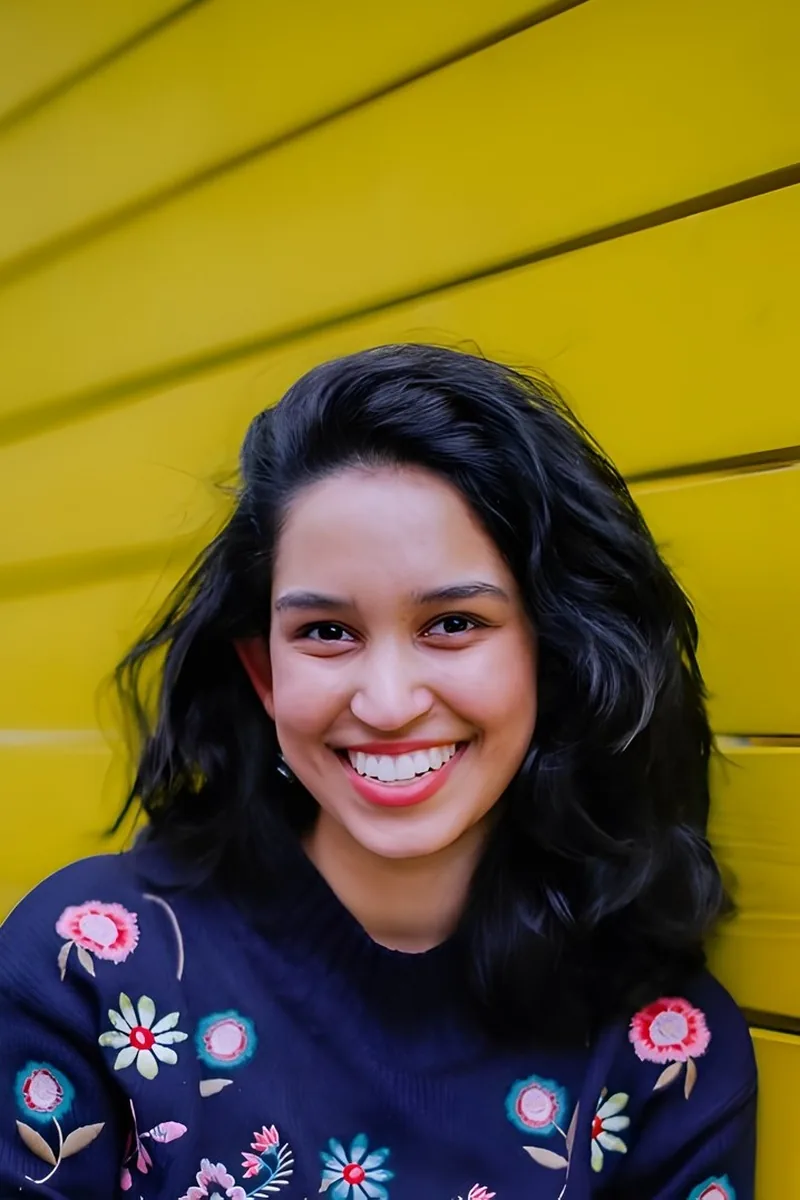
Learning German grammar means wrestling with cases, gendered nouns, and a sentence structure that puts verbs in unexpected places — all of which feel overwhelming without a clear system. Nivedina teaches the underlying patterns so that accusative versus dative stops being a guessing game and starts being predictable. Her analytical mindset as a scientist turns German's notoriously rigid rules into something students can actually internalize.
Natalie studied German alongside her English and Film coursework at Cornell, giving her a solid grasp of the language's notoriously tricky case system, separable verbs, and gendered nouns. She approaches German grammar with the same structural thinking she applies to English — breaking down sentence patterns so students understand the logic behind der, die, and das rather than relying on brute memorization.
Covering German 1 through German 4, Kristina pairs her language study with a Contemporary Studies background that naturally weaves in cultural literacy — giving students context for why Germans say things a certain way, not just how. Her 5.0 rating and pursuit of a Texas teaching certification in German signal someone who takes the language seriously enough to build a career around it.
Learning German means wrestling with case endings, separable verbs, and sentence structures that put the verb in unexpected places. Anuj breaks these grammar puzzles into logical patterns, drawing on his CLEP German background and his psychology training to tailor explanations to how each student actually processes new language. He pairs grammar drills with reading and listening practice so the rules stick in context.
An engineering student at Texas A&M, Mutaharah brings the same systematic problem-solving mindset to German that she applies to calculus and chemistry — treating grammar rules like equations with consistent, learnable structures. She's particularly effective at breaking down noun cases and verb conjugation into repeatable patterns that click for students who think analytically. Rated 4.9 by students.
Chris isn't a German specialist, but having studied German 1 through 3 alongside a demanding biomedical engineering courseload at UCLA, he knows what it takes to learn a language efficiently under pressure. He brings an engineer's structured thinking to grammar — breaking down case endings and verb placement into logical patterns that make sense to analytically minded students.
I am a current senior at Davidson College, working towards my B.A. in German Studies and Arab Studies. I have spent many hours tutoring the German and Arabic language to college students. I have spent time abroad in Germany, studying German as a second language with AATG (American Association of Teachers of German). My years of being a camp counselor and babysitter have translated into my teaching methods and style. I encourage young learners to approach problems in multiple ways by retesting previously learned material and encouraging independent thinking. I am a huge believer in discovering answers instead of being told them. I look forward to working with you!
Morgan speaks three languages — Russian, Spanish, and German — which means she's internalized the process of learning a new grammar system from scratch more than once. That multilingual perspective is especially useful for German, where she can draw parallels between Russian's case system and German's four cases to make declensions feel less arbitrary. Rated 4.7 by students.
A Master's degree in Germanic Languages from Columbia, combined with years living and teaching in Austria, means Jacquelyn doesn't just know textbook German — she knows how dative prepositions sound in a Salzburg café and why Konjunktiv II matters in real conversation. She scored highly enough on the SAT Subject Test in German with Listening to tutor it, and she tackles everything from case endings to advanced reading comprehension.
Earning a PhD in German at Harvard means Zachary has spent years reading, writing, and thinking in the language — from Kant's dense philosophical prose to contemporary academic discourse. He teaches grammar not as a set of rules to memorize but as a system with its own internal logic, making case endings and word order click for students at every level. Whether the goal is passing a college course or reading Goethe in the original, he knows how to get there.
German's case system and word order trip up almost every English speaker, but those patterns become predictable once a student understands the underlying logic. Nicole teaches German at multiple levels — from basic noun genders and accusative/dative distinctions through advanced reading and composition — drawing on her formal linguistics training to make the grammar feel like a puzzle rather than a burden. Her 4.9 rating speaks to how well that analytical approach lands with students.
Learning German grammar — cases, verb conjugation, word order — rewards the same kind of systematic pattern recognition that Eric uses in his science background. He tackles tricky concepts like accusative vs. dative case by connecting rules to practical usage, so the logic behind the language starts to feel intuitive rather than arbitrary.
Evan studied German formally as part of his undergraduate degree, which means he knows the grammar inside out — case endings, separable verbs, subordinate clause word order, all of it. He connects each rule to how German actually sounds and reads in real texts, so students internalize patterns instead of just memorizing tables.
A full exchange year in Germany through the CBYX scholarship gave Clive the kind of immersive fluency that's hard to replicate in a classroom — navigating bureaucracy, university lectures, and daily life entirely in German. He teaches grammar concepts like case endings and verb conjugation through practical context that makes the rules stick.
Amber majored in German at Northwestern, which means she didn't just study the language — she read novels, wrote research papers, and debated in it. She teaches grammar concepts like case endings and word order through pattern recognition, showing students the underlying logic so they can construct sentences on their own instead of relying on memorization tables.
Four levels of German means William has moved well past conjugation tables into complex grammar — subordinate clauses, subjunctive mood, case system nuances that trip up even advanced students. As a linguistics major at Yale, he can explain the structural logic behind German syntax in a way that makes rules feel less arbitrary. He's rated 5.0 by students.
A pre-med student at UNC with minors in chemistry and biology, Dimitry also carries German through the advanced level — an uncommon combination that means he's used to toggling between technical and linguistic precision. He approaches German grammar with the same diagnostic thinking he brings to the sciences, making case systems and verb conjugation feel less like arbitrary rules and more like solvable puzzles. Rated 4.9 by students.
Testimonials
Because the right German tutor makes all the difference.
Average Session Rating – Based on 3.4M Learner Ratings
Nearby German Tutors
Other Fort Worth Tutors
Related Languages Tutors in Fort Worth
Frequently Asked Questions
Your first session is about building rapport and understanding your goals. A tutor will assess your current level across reading, writing, speaking, and listening, discuss what you want to achieve (whether that's passing an AP exam, conversational fluency, or improving grades), and create a personalized learning plan. This foundation helps ensure every session after that is tailored to your specific needs.
In a classroom of 20+ students, you might speak German for just a few minutes per week. With personalized 1-on-1 instruction, you get dedicated speaking practice every session—correcting pronunciation, building confidence, and developing natural fluency. Tutors can adjust difficulty in real-time, focus on topics you care about, and provide immediate feedback that accelerates your progress in ways group classes can't match.
German grammar—verb conjugations, case systems, gendered nouns—can feel overwhelming in a textbook. Expert tutors break these concepts into manageable pieces, show you the patterns behind the rules, and build them into real conversations so grammar feels purposeful rather than abstract. This approach helps the rules stick because you're using them, not just memorizing them.
Tutors use research-backed strategies like spaced repetition, context-based learning, and retrieval practice to help vocabulary stick long-term. Rather than isolated word lists, they weave new vocabulary into conversations, stories, and real-world scenarios you care about. This active approach means you remember words because you've used them meaningfully, not just studied them.
Absolutely. Understanding German culture—from regional differences to media, history, and current events—gives context to the language and makes learning more engaging. Tutors often incorporate cultural discussions, authentic materials, and real-world connections into sessions, which deepens both your language skills and appreciation for German-speaking communities.
With 299 schools across Fort Worth's 12 school districts, students have diverse German programs and curricula. Varsity Tutors connects you with tutors who understand local course requirements—whether you're in AP German, IB German, or standard high school German—and can provide targeted support for exams, essays, conversation assessments, and daily coursework.
Conversational fluency typically requires 600-750 hours of study according to language learning research. With consistent 1-on-1 tutoring (2-3 sessions per week) combined with your own practice, you can reach conversational ability within 6-12 months. The timeline depends on your starting level, study frequency, and immersion outside tutoring sessions—tutors help you maximize every hour.
Look for tutors with native or near-native fluency, teaching experience, and ideally background in German language education or study abroad experience. They should be able to teach across all four skills (reading, writing, speaking, listening) and adapt to your learning style. Varsity Tutors matches you with experienced tutors who have proven expertise and can speak to their approach upfront.
Let’s find your perfect tutor
Answer a few quick questions. We’ll recommend the right plan and match you with a top 5% tutor.