Award-Winning AP English Literature and Composition Tutors
serving Nashville, TN
AP English Literature and Composition
Tutors in Nashville
Private 1-on-1 tutoring, weekly live classes for academic support, test prep & enrichment, practice tests and diagnostics, and more to elevate grades and test scores.
Based on 3.4M Learner Ratings
UniversitiesSchools & Universities
DeliveredHours Delivered
ProficiencyGrowth in Proficiency
Who needs tutoring?
No obligation. Takes ~1 minute.
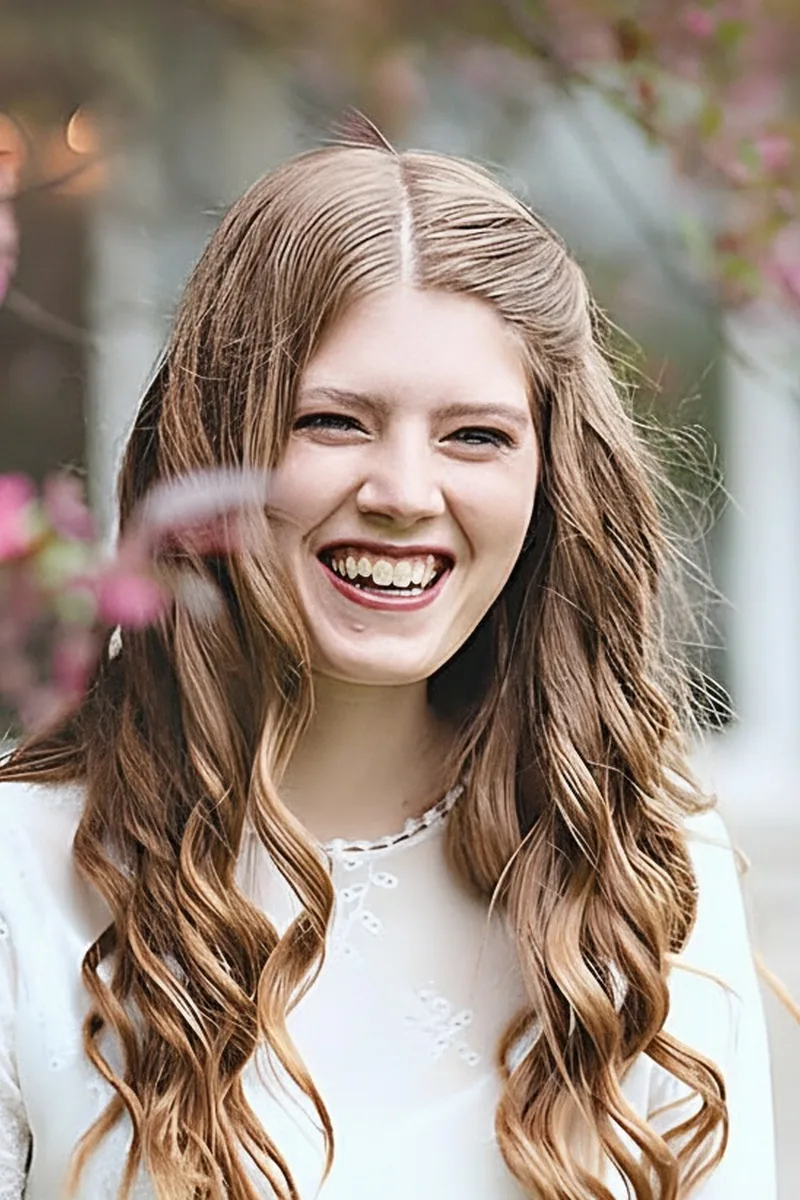
Having earned dual degrees in English and Spanish — with an MA in Creative Writing from the University of Birmingham — Darby reads literature the way the AP exam demands: with an eye for how authors use structure, diction, and figurative language to build meaning. She teaches students to write timed literary analysis essays that move beyond plot summary into genuine argument. Rated 5.0 by students.
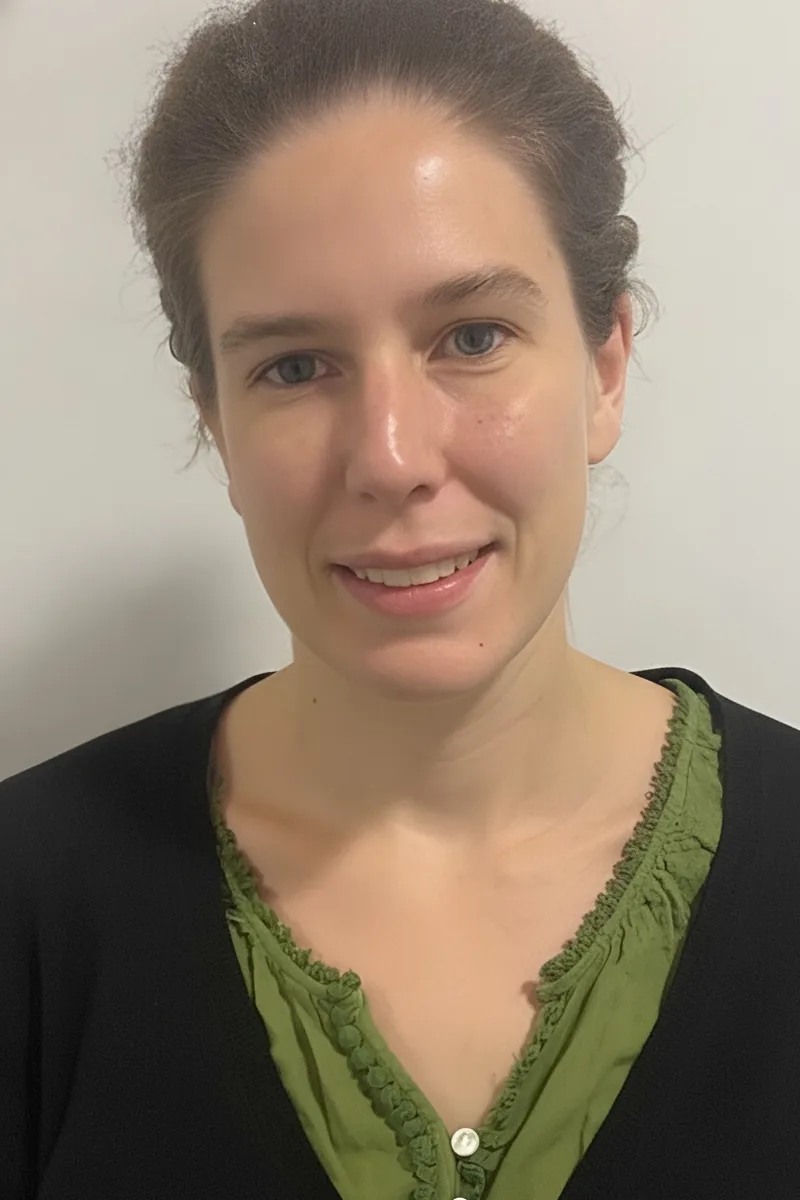
AP English Lit asks students to do something genuinely difficult: read a poem or passage cold and produce a polished analytical essay under time pressure. Sarah's BA in English from Oberlin and her ongoing PhD work at Harvard mean she can teach students to unpack figurative language, track shifts in tone, and build thesis-driven arguments about texts they've never seen before. Her poetry background is especially useful for the notoriously challenging poetry analysis prompt.
AP Lit asks students to do something genuinely difficult: read a poem or passage they've never seen before and build an analytical argument about it under time pressure. Sydny approaches each essay prompt by teaching students to identify literary devices — imagery, tone shifts, narrative structure — and convert those observations into a thesis that actually says something specific.
AP English Lit asks students to do something genuinely difficult: read a poem or prose passage cold and produce a polished analytical essay under time pressure. Alex studied English and Theater at Bowdoin, which means he approaches texts through both literary close reading and the performative question of how language creates effect. He walks students through crafting thesis-driven essays that move beyond plot summary into real interpretive argument.
AP Lit asks students to do something genuinely difficult: read a poem or prose passage cold and produce a coherent literary argument in 40 minutes. Michelle, whose background spans history and comparative literature, teaches students to build claims around specific devices — imagery patterns, shifts in tone, narrative framing — rather than summarizing plot. That analytical muscle is what earns 4s and 5s.
AP English Lit asks students to do something Malina has done thousands of times: take a piece of literature apart and explain how its language creates meaning. Her Yale Classics training in close reading poetry and prose — tracking meter, diction, imagery, and narrative structure — maps directly onto the skills the free-response essays demand. She's particularly strong at teaching students to write thesis-driven analyses under timed conditions.
AP Lit asks students to do something genuinely difficult: write a polished literary argument under time pressure about a poem or passage they've never seen before. Dalton digs into the close-reading mechanics that make that possible — tracking shifts in tone, identifying how figurative language builds meaning, and constructing thesis statements that go beyond plot summary. Rated 4.9 by students.
AP Lit's free-response questions reward students who can move past plot summary and build an argument about how literary techniques create meaning. Andrew studied literature at the undergraduate level and later sharpened his argumentative writing through law school, so he teaches students to construct thesis-driven essays that connect imagery, diction, and structure to a poem's or novel's larger purpose. That combination of literary knowledge and persuasive writing skill shows in his 4.8 rating.
AP Lit asks students to do something genuinely difficult: read a poem or passage they've never seen and produce a polished analytical essay under time pressure. Kirstie teaches close-reading techniques — tracking imagery patterns, identifying shifts in tone, unpacking syntax choices — that give students a repeatable framework for any unseen text. Her own background in literature and comparative literature means she can draw connections across periods and genres that deepen a student's analysis.
AP Lit essays live or die on how well a student can connect a specific literary device to a work's larger meaning — not just identify a metaphor, but explain what it's doing. Sophia, an award-winning creative writer with a Vanderbilt humanities background, teaches students to build that kind of argument under timed conditions, whether they're tackling a poetry analysis or an open-ended prompt. Her own writing practice gives her a sharp eye for the difference between summary and genuine literary analysis.
Analyzing how a poet's syntax mirrors emotional tension, or tracing a novel's symbolic architecture across 300 pages — AP Lit demands close reading at a level most high schoolers haven't encountered before. Martha's experience writing analytical papers at Duke and editing college essays sharpens her ability to teach students how to build a thesis from textual evidence and defend it in a timed essay.
Hello, students! My name is Pranav, and I'm so excited to be tutoring with Varsity Tutors. I have vast experience tutoring both personally and professionally; I've held officer positions in several nonprofit organizations, including STEMpals and The Do Re Mi Project, teaching courses ranging from biology to music theory. I took 16 AP courses throughout high school with all 5s, and I earned a 1570 on my SAT, so I'm pretty familiar with the majority of academic subjects! I have experience tutoring any and all skill levels, and I'm always open to expanding my horizons, so please don't hesitate to book your first lesson. I'm looking forward to meeting with you!
AP Lit asks students to do something most haven't practiced: write a polished literary argument under pressure, using textual evidence with precision. David breaks down each essay type — the poetry analysis, the prose fiction analysis, the literary argument — and shows how to build a thesis that goes beyond plot summary into genuine interpretation.
Testimonials
Because the right AP English Literature and Composition tutor makes all the difference.
Average Session Rating – Based on 3.4M Learner Ratings
Practice AP English Literature and Composition
Free practice tests, flashcards, and AI tutoring for AP English Literature and Composition
Nearby AP English Literature and Composition Tutors
Other Nashville Tutors
Related English Tutors in Nashville
Frequently Asked Questions
The AP English Literature and Composition exam tests your ability to analyze and interpret literature through close reading and writing. The exam has three sections: multiple-choice questions on poetry and prose passages (45%), free-response essays analyzing provided texts (20% each for two essays), and a third essay synthesizing your own literary examples (15%). Success requires mastery of literary devices, textual analysis, and the ability to construct compelling arguments under timed conditions.
Score improvement depends on your starting point and effort level, but students who work with personalized 1-on-1 instruction typically see meaningful gains by focusing on their specific weaknesses. Many students struggle with either the analytical reading section or essay construction—identifying which area needs work and practicing targeted strategies can shift you from a 3 to a 4 or 5. Consistent practice with released exams and feedback on your essays are key to measurable improvement.
The most common challenges are managing the 55-minute multiple-choice section (students rush through complex passages and miss nuance), writing timed essays that demonstrate sophisticated analysis, and understanding what the College Board means by "textual evidence." Many students also struggle with unfamiliar or challenging texts and need help developing strategies to extract meaning quickly. A tutor can help you build a systematic approach to close reading and essay planning that works under pressure.
Strong AP essays require a clear thesis, specific textual evidence, and analysis that explains why the evidence matters—not just what it shows. Many students lose points by summarizing the text instead of analyzing literary devices and their effects. Working with personalized instruction helps you develop an essay template that works across all three prompts, practice outlining under timed conditions, and learn to balance thorough analysis with time management. Regular practice essays with detailed feedback are essential.
The exam gives you 3 hours total: 1 hour for 55 multiple-choice questions and 2 hours for three essays (roughly 40 minutes each). Many students spend too long on difficult multiple-choice questions and rush through essays. A smart strategy is to spend 50-55 minutes on multiple-choice (moving past questions you can't answer quickly), then allocate your essay time based on prompt difficulty. Practicing with full-length timed tests helps you find the pacing rhythm that works for you.
Most students benefit from 3-4 months of focused preparation, though this varies based on your starting point and course rigor. If you're taking the AP English Literature course, your teacher provides foundational preparation throughout the year—supplemental tutoring works best in the final 8-12 weeks to refine strategies and build confidence. Starting with a practice test helps identify your specific weak areas so tutoring can be targeted and efficient.
Look for tutors with strong AP English Literature exam experience, familiarity with the current exam format and rubrics, and a track record helping students improve their scores. Ideal tutors understand both the analytical reading skills and essay-writing techniques the College Board rewards, and can diagnose whether your struggles are with comprehension, analysis, or time management. Varsity Tutors connects you with expert tutors who can provide personalized strategies based on your specific challenges.
Your first session typically includes a diagnostic assessment—either a practice multiple-choice section or a timed essay—to identify your strengths and gaps. The tutor will discuss your goals, current score, and timeline, then develop a personalized study plan focused on the areas that will have the biggest impact on your score. This might include strategies for specific question types, essay structure practice, or close-reading techniques tailored to your learning style.
Let’s find your perfect tutor
Answer a few quick questions. We’ll recommend the right plan and match you with a top 5% tutor.