Award-Winning Essay Editing Tutors
serving Knoxville, TN
Essay Editing
Tutors in Knoxville
Private 1-on-1 tutoring, weekly live classes for academic support, test prep & enrichment, practice tests and diagnostics, and more to elevate grades and test scores.
Based on 3.4M Learner Ratings
UniversitiesSchools & Universities
DeliveredHours Delivered
ProficiencyGrowth in Proficiency
Who needs tutoring?
No obligation. Takes ~1 minute.
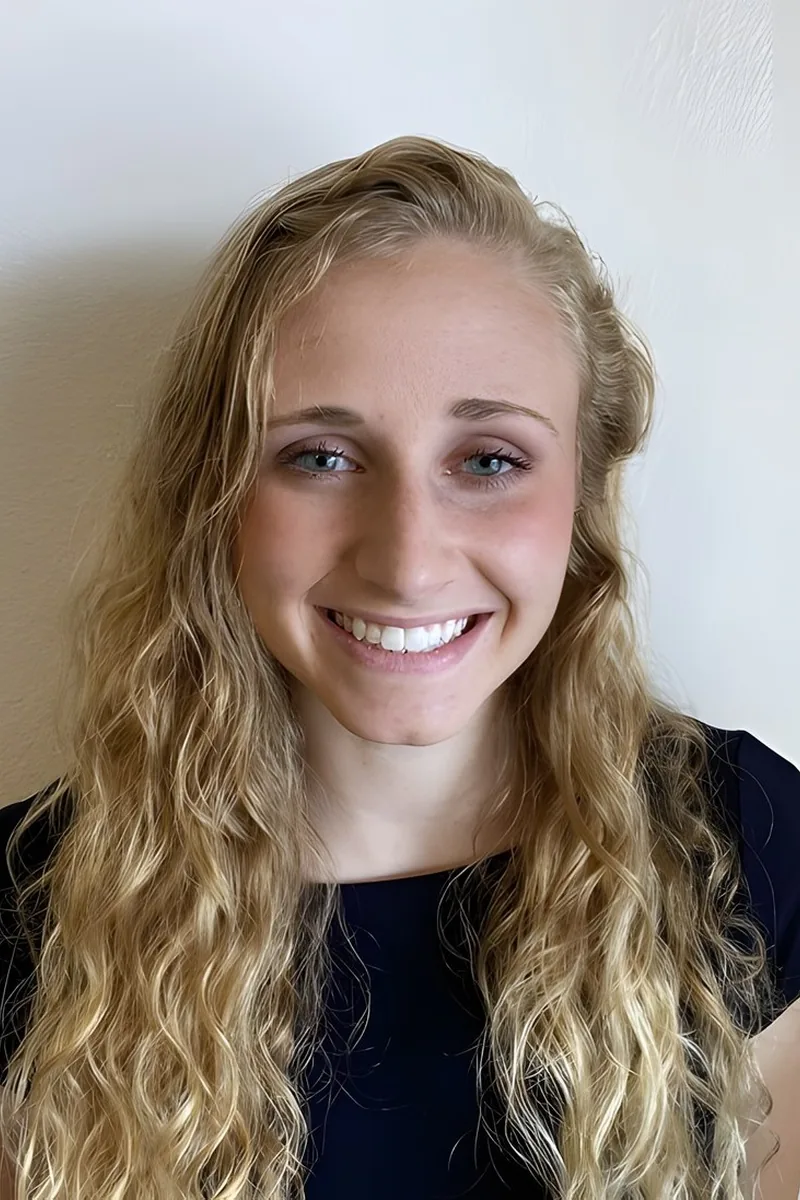
I am an Applied Physics Major with an Emphasis in Mechanical Engineering at Brigham Young University. I love to share the joy I have in the sciences and math to show truly the applications are so far-reaching.
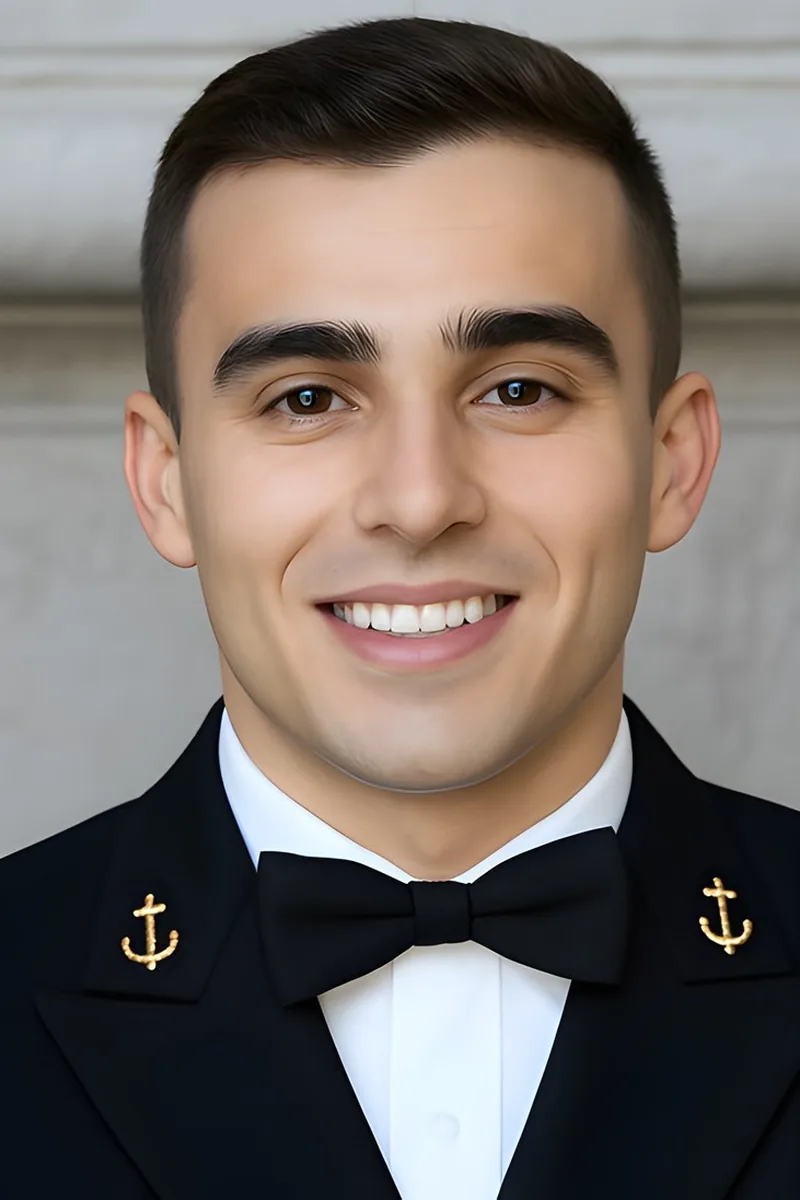
Good essay editing isn't about fixing commas — it's about asking whether each paragraph actually earns its place in the argument. Charles reads student drafts looking for structural problems first: unclear thesis statements, paragraphs that drift from their topic sentences, and evidence that doesn't connect back to the claim. His writing background and Yale coursework give him a sharp eye for tightening prose without flattening a student's voice.
Brittney's comparative literature training at Princeton means she's spent years dissecting how writers across genres build arguments, control tone, and structure ideas — skills she now turns on student drafts. She digs into the logic of each essay before touching a single comma, showing writers how to identify their own weak transitions and sharpen claims that aren't pulling their weight.
Good editing isn't just catching comma splices — it's restructuring a paragraph so the argument actually lands, or cutting a sentence that sounds impressive but says nothing. Dennis spent graduate school revising research manuscripts through multiple rounds of peer and advisor feedback, and he applies that same iterative process to student essays: tightening thesis statements, strengthening transitions, and making sure every claim connects back to concrete evidence.
A strong essay isn't just error-free — it has a clear throughline from the opening hook to the final sentence. Kerr digs into structure, argument flow, and word choice, showing students how to tighten their drafts so every paragraph earns its place. His experience with college essays and academic writing at Vanderbilt means he knows what polished, purposeful prose looks like.
A strong essay doesn't just need corrected commas — it needs someone who can spot where the argument loses its thread. Lisa approaches editing by teaching students to diagnose their own structural weaknesses: unclear thesis statements, paragraphs that drift off-topic, transitions that don't actually transition. She's edited everything from college application essays to research papers, and her feedback is specific enough that students learn to revise independently.
Good editing goes beyond catching typos — it means evaluating whether each paragraph earns its place and whether transitions actually move an argument forward. Eileen reads drafts with an eye for structural coherence first, then works down to sentence-level clarity, word choice, and tone. Students leave sessions not just with a better paper but with a checklist they can apply to future writing on their own.
Good editing requires seeing what the writer intended and figuring out why the draft doesn't get there yet. Kit's experience at a college admissions consulting company sharpened his ability to restructure arguments, tighten prose, and flag where a paragraph loses its reader — whether the piece is a five-paragraph essay or a twenty-page research paper.
A strong essay often has all the right ideas buried under weak structure and unclear transitions. Alexander approaches editing as reorganizing an argument — tightening thesis statements, cutting redundant paragraphs, and making sure each piece of evidence actually earns its place. His experience writing extensively across history and business at Vanderbilt sharpened his eye for what makes prose persuasive.
A strong essay doesn't need more words — it needs sharper ones. Rhamy edits for argument structure first, then tightens transitions, eliminates redundancy, and cleans up grammar so the writer's voice comes through clearly. His experience with college application essays and technical writing gives him a practical eye for what reviewers and professors actually want to see.
Editing an essay well requires more than fixing commas — it means evaluating whether each paragraph actually earns its place in the argument. Nat walks through structure first, checking that thesis statements, topic sentences, and evidence align before moving into sentence-level clarity and grammar. His experience with college-level writing at Vanderbilt means he knows what polished academic prose looks like across disciplines.
A strong draft becomes a polished one when someone can identify exactly where the argument loses momentum or where a transition falls flat. Heather's Vanderbilt training in quantitative methods gave her an unusually structured approach to editing — she treats essay revision as a logical process, tightening thesis statements, restructuring paragraphs for flow, and cutting filler with precision. Rated 4.9 by students.
Editing is where most student writing actually improves, but only if the feedback is specific enough to act on. Jeremy has spent years marking up student lab reports, research papers, and essays at the college level, and he applies that same precision to structural issues — unclear thesis statements, weak transitions, paragraphs that drift from their claims. He tackles both argument-level revisions and sentence-level clarity in the same session.
Good essay editing isn't just fixing commas — it's reworking thesis statements that don't quite land, tightening paragraph transitions, and cutting filler that buries the argument. Kelly treats each draft as a problem to solve, restructuring logic and sharpening language until the writing actually says what the student means. She holds a 5.0 rating from her students.
I am a freshman at Vanderbilt University studying biochemistry and involved in analytical chemistry research. Despite my studies being very science oriented, I also enjoy studying English and the humanities. I'd be happy to tutor you in any of these areas!
I'm a 24 year old student of life that graduated from Vanderbilt University in 2014. My first experience with tutoring came 5 years ago when I opened a branch of ACT prep tutoring for Revolution Prep. At that time, I taught small classes of 5-9 students and also worked as a private tutor. I absolutely love to learn and am fulfilled by guiding students to reach their maximum potential.
Good editing isn't just fixing commas — it's figuring out whether each paragraph is actually doing the job it needs to do. Michelle approaches essay revision structurally first, examining argument flow and evidence placement, then moves into sentence-level clarity and tone. Her dual background in computer science and sociology means she's comfortable tightening both technical writing and humanities prose.
Good essay editing goes beyond fixing commas — it means tightening arguments, improving transitions, and making sure each paragraph earns its place. Christina's graduate studies in English language education at Vanderbilt gave her a sharp eye for sentence-level clarity, and her experience teaching writing to students across proficiency levels means she can explain why a revision works, not just what to change.
Editing an essay well requires more than catching comma splices — it means recognizing whether the argument actually holds together. Mary approaches each draft structurally first, examining thesis clarity and paragraph-level logic before moving into sentence-level revision for tone, word choice, and syntax. Her honors thesis work at the University of South Florida sharpened this exact skill set through multiple rounds of academic revision.
Good editing goes beyond fixing commas — it means evaluating whether each paragraph earns its place and whether the argument actually holds together. Jakobi reads drafts with a structural eye, pinpointing where transitions break down, where claims need stronger evidence, and where cutting a sentence makes the writing sharper.
Editing an essay isn't about fixing commas — it's about asking whether each paragraph earns its place in the argument. Daniel starts at the structural level, checking whether the thesis actually drives the paper and whether evidence is doing real analytical work or just sitting there as decoration. Once the architecture is sound, he moves into sentence-level clarity, tightening transitions and cutting filler.
Strong essay editing goes beyond fixing commas — it means tightening arguments, cutting filler, and making sure each paragraph earns its place. Megan sharpened these skills writing technical reports and economics papers at Vanderbilt, and she walks students through revision as a structured process: first logic and flow, then clarity, then polish.
Editing an essay isn't just about catching comma splices — it's about reshaping argument structure, tightening transitions, and making sure every paragraph earns its place. Ruiy's cognitive science background at Vanderbilt gives her a sharp eye for how readers actually process written arguments, which she applies to everything from college application essays to research papers. Rated 5.0 by students.
Good editing isn't just fixing commas — it's restructuring an argument so the reader never gets lost. Monika's experience writing academic papers across disciplines gives her a sharp eye for logic gaps, weak transitions, and sentences that try to do too much. She marks up drafts with concrete revisions, not just vague suggestions.
A strong essay isn't just about what you say — it's about how clearly each sentence connects to the next. Elsa breaks down drafts at the structural level, tackling issues like thesis clarity, paragraph transitions, and redundant phrasing so the final product reads as one cohesive argument rather than a collection of loosely related ideas.
I'm pursuing a double major in Mathematics and English at Vanderbilt University. I have been tutoring math since High School and have native proficiency in Mandarin Chinese. I am dedicated to helping students explore the study methods that will fit their individual needs.
Caroline's favorite thing to tutor is essay editing, and it shows in her approach: she reads a draft the way an admissions officer or professor would, flagging where the argument loses momentum or where a paragraph buries its strongest point. She then walks through revisions at the sentence level — tightening syntax, cutting filler, strengthening transitions — so students internalize the editing process for future papers.
Good editing isn't just fixing commas — it's figuring out whether each paragraph actually earns its place in the argument. Karen approaches essay revision structurally first, examining thesis clarity and evidence flow before tightening sentence-level grammar and style. Her training in education at Vanderbilt means she explains the reasoning behind every suggested change so students internalize the skills for next time.
Editing is more than catching typos — it's learning to read your own writing with fresh eyes and ask whether each paragraph actually earns its place. Leanna tackles essay revision at the structural level first, tightening arguments and improving transitions before moving into sentence-level clarity and style. Her background in AP Language gives her a precise ear for tone and audience awareness.
A strong essay doesn't need more words — it needs sharper ones. Miah zeroes in on argument structure, transitions, and evidence integration, showing students exactly where a draft loses momentum and how to tighten it. Rated 5.0 by students, she treats every revision as a chance to make the writer's own voice come through more clearly.
Danzo has spent his academic career writing and revising — dissertations, research papers, grant proposals — so he knows exactly how to tighten an argument and eliminate clutter. When editing student essays, he zeroes in on thesis clarity, paragraph-level organization, and sentence mechanics like comma splices and pronoun agreement. He also explains the reasoning behind every edit so the student can self-correct next time.
Good editing goes beyond catching comma splices — it means restructuring paragraphs for clarity, tightening thesis statements, and making sure every sentence earns its place. Jacob approaches each draft analytically, showing students how to identify their own patterns of vagueness or repetition so they become stronger self-editors over time.
Good editing isn't just catching typos — it's restructuring an argument so each paragraph earns its place. Patrick has spent years refining academic prose through his doctoral work and previously developed English exam content at the Educational Testing Service, giving him a sharp eye for both the big-picture logic of an essay and the sentence-level clarity that makes it persuasive.
A solid essay draft and a polished final version are separated by the kind of structural and sentence-level revision most students have never been taught explicitly. Katie breaks editing into clear stages — first tightening the thesis and paragraph logic, then addressing transitions, clarity, and grammar — so students internalize a repeatable process they can use on their own.
A good edit isn't about fixing commas — it's about asking whether each paragraph actually does what the writer thinks it does. Elena approaches essay editing by first identifying the core argument, then tightening everything around it: cutting filler, strengthening transitions, and sharpening thesis statements. Her own writing background across college-level coursework at Vanderbilt keeps her feedback specific and actionable.
A sharp revision isn't about fixing commas — it's about restructuring arguments, tightening transitions, and cutting what doesn't serve the thesis. Kaitlyn's Creative Writing training at Vanderbilt means she reads drafts the way editors do, identifying where a paragraph loses momentum or where evidence doesn't land. Rated 5.0 by students.
A strong essay often hides inside a messy first draft; the trick is knowing which ideas to keep and how to restructure them. Zeeshan has written and revised extensively across graduate programs at Maryland and Vanderbilt, and he brings that editing instinct to student work — tightening thesis statements, cutting redundancy, and improving paragraph-level flow.
Editing someone else's essay is straightforward; learning to edit your own is a different skill entirely. Marjorie teaches a structured self-revision process — reading once for argument logic, once for paragraph-level transitions, and once for sentence-level clarity — so students stop submitting drafts that "feel done" but still have buried structural problems. She's rated 5.0 by her clients.
Good essay editing goes beyond fixing commas — it means reworking a thesis so it actually argues something, restructuring body paragraphs so evidence leads to analysis, and cutting the filler that dilutes a paper's impact. Jamie has spent years refining other students' writing and knows how to give feedback that's specific enough to act on. She walks through each revision so the writer understands the "why" behind every change.
Good editing goes beyond fixing commas — it asks whether each paragraph earns its place and whether the argument actually builds. Rachel reads drafts with a sharp eye for structure, clarity, and tone, then walks writers through revisions that tighten their work without erasing their voice. She holds a 5.0 client rating.
Testimonials
Because the right Essay Editing tutor makes all the difference.
Average Session Rating – Based on 3.4M Learner Ratings
Nearby Essay Editing Tutors
Other Knoxville Tutors
Related English Tutors in Knoxville
Frequently Asked Questions
Essay editing tutoring focuses on strengthening your writing through personalized feedback on structure, clarity, and argumentation. A tutor will work with you to refine your thesis, organize ideas logically, improve sentence-level clarity, and develop your unique voice—whether you're working on a single essay or building stronger writing habits for class assignments.
Varsity Tutors connects you with a tutor who reviews your draft and provides targeted feedback on areas like organization, thesis strength, and argumentation. Rather than simply correcting grammar, your tutor helps you understand *why* changes improve your writing and guides you through revision strategies you can apply to future essays. Sessions typically involve discussing your essay, identifying key areas for improvement, and working through revisions together.
Many students struggle with organizing ideas into a clear structure, developing a strong thesis statement, or moving beyond surface-level analysis in literary essays. Writer's block, managing citations in MLA or APA format, and balancing grammar corrections with maintaining your authentic voice are also frequent challenges. Personalized tutoring addresses these specific obstacles rather than taking a one-size-fits-all approach.
Bring a draft of an essay you're working on—it doesn't need to be polished or complete. If you have assignment guidelines or rubrics from your teacher, those are helpful too. Your tutor will review what you've written, ask questions about your writing process, and work with you to identify the most impactful areas to focus on during your tutoring sessions.
No—while grammar is part of strong writing, essay editing tutoring goes much deeper. The focus is on developing clear arguments, organizing ideas effectively, and strengthening your analytical voice. Your tutor helps you understand how to structure persuasive or analytical essays, support claims with evidence, and revise for clarity and impact, not just correctness.
Absolutely. Many students find it challenging to move beyond plot summary to deeper textual analysis. Tutors help you develop strong interpretive claims, support them with specific evidence from the text, and articulate why your analysis matters. This skill translates directly to stronger essays on literature, poetry, and historical documents.
With over 122 schools across Knoxville's two school districts, students benefit from personalized writing support tailored to their specific teacher's expectations and assignment requirements. Whether you're in middle school, high school, or preparing for college applications, connecting with an expert tutor provides the individualized feedback that strengthens your writing skills and confidence.
Yes. Tutors can guide you through MLA, APA, and other citation formats, helping you understand not just the mechanics of citations but why they matter for academic integrity. Whether you're struggling with in-text citations, works cited pages, or knowing when to cite, your tutor can clarify these often-confusing requirements.
Let’s find your perfect tutor
Answer a few quick questions. We’ll recommend the right plan and match you with a top 5% tutor.