Award-Winning Physics Tutors
serving Myrtle Beach, SC
Physics
Tutors in Myrtle Beach
Private 1-on-1 tutoring, weekly live classes for academic support, test prep & enrichment, practice tests and diagnostics, and more to elevate grades and test scores.
Based on 3.4M Learner Ratings
UniversitiesSchools & Universities
DeliveredHours Delivered
ProficiencyGrowth in Proficiency
Who needs tutoring?
No obligation. Takes ~1 minute.
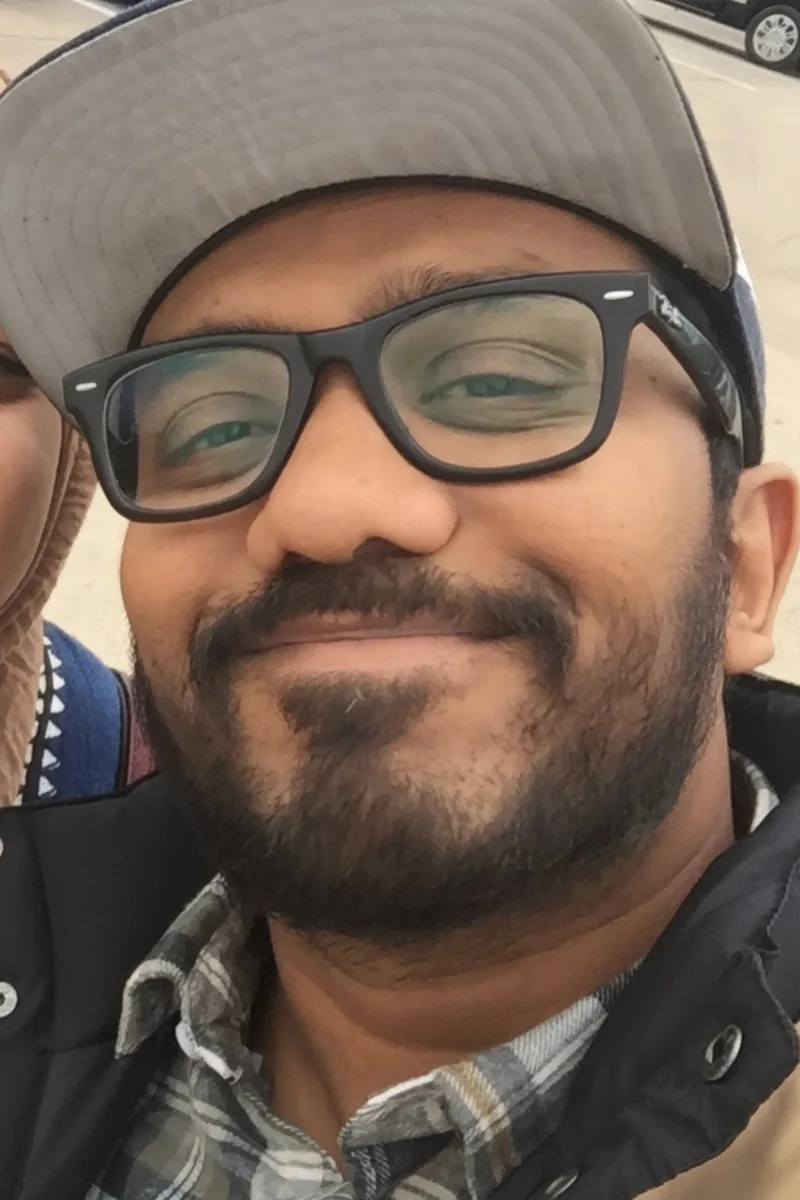
Studying mechanical engineering means Saad lives inside free-body diagrams, kinematics equations, and energy conservation problems on a daily basis. He unpacks each physics concept by tying the math to what's physically happening — why a normal force changes on an incline, or how momentum transfers in a collision — so the formulas actually make sense.
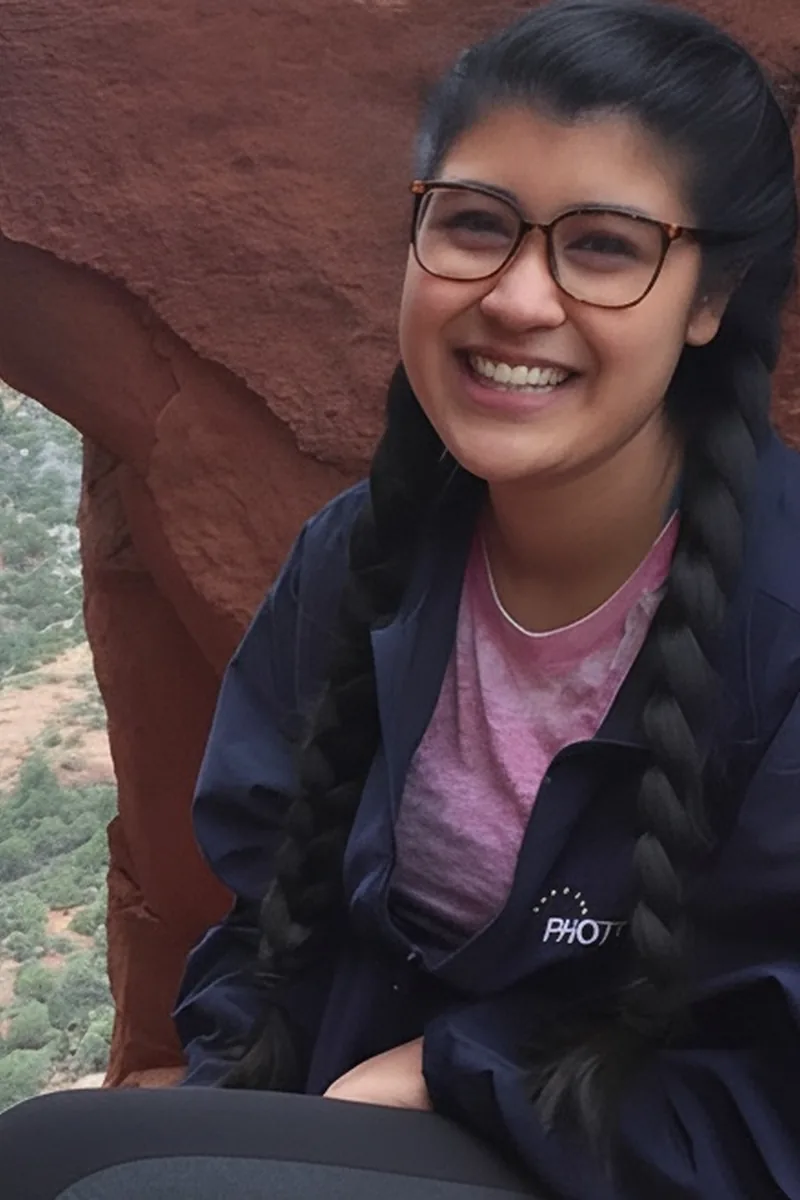
Emily approaches physics problems the way her science training taught her: sketch the situation, identify the forces, then translate the diagram into math. That structured method is especially useful for kinematics and Newton's laws, where students often know the equations but struggle to set problems up correctly. Her background in neurobiology also means she's comfortable with the biophysics applications that make the subject feel more relevant.
Engineering students live in physics — Greg's chemical engineering program at Vanderbilt means he's constantly applying Newton's laws, energy conservation, and fluid mechanics to real design problems. He takes that applied perspective into tutoring, connecting force diagrams and kinematics equations to scenarios that make the math feel purposeful rather than abstract.
A Stanford computer science and political science student, Margaret went through the Project Lead the Way STEM magnet program, where physics wasn't just a class but a daily toolkit for engineering challenges. She teaches kinematics, force diagrams, and energy conservation by tying each concept to tangible scenarios that make the math feel purposeful.
A Caltech economics and computer science graduate, Brian brings serious quantitative depth to physics — from Newtonian mechanics and energy conservation through electromagnetism and wave behavior. He teaches students to set up problems systematically, identifying which principles apply before touching a single equation, which is the skill that separates students who understand physics from those who just memorize formulas.
Cornell's biology curriculum put Alec through the full gauntlet of introductory and intermediate physics — mechanics, electromagnetism, and thermodynamics — all in the calculus-based sequence that pre-med and science majors dread most. His experience as a general chemistry TA sharpened his instinct for spotting where students lose track of units, signs, or vector directions in multi-step problems, and he teaches the habit of mapping out the physical situation before writing a single equation. Rated 4.8 by students.
Studying physics alongside computer science at Duke, Bryce tackles mechanics, electromagnetism, and thermodynamics from both the theoretical and computational sides. He unpacks the math behind physical laws — showing why F=ma isn't just a formula but a relationship you can reason through to solve problems you've never seen before.
Akarsh's cellular and molecular biology training — both bachelor's and master's — required grinding through the same mechanics, thermodynamics, and electromagnetism that physics students face, particularly in biophysics coursework where forces, pressure gradients, and energy transfer aren't optional. He tackles problem sets by first isolating which physical law is actually at work, then mapping the math onto it step by step, so students stop guessing at formulas and start reasoning through solutions.
Bidyut's dual focus in biomedical engineering and computer science at Johns Hopkins means physics isn't something he studied once — it's embedded in his daily coursework, from mechanics to electromagnetism to fluid dynamics. He teaches students to translate word problems into free-body diagrams and equations systematically, rather than guessing which formula to use. That structured approach, combined with his 5.0 client rating, makes him especially effective for students who feel lost in problem-solving.
Dennis doesn't just teach physics — he does it. His research at Princeton simulating cosmic ray acceleration at supernova shock fronts and his engineering work designing optical filters at Norfolk State mean he can connect textbook topics like kinematics, energy conservation, and wave behavior to real systems. That context turns abstract force diagrams and equations into something students can actually picture.
As a Yale physics major who also teaches thermodynamics, special relativity, and statics and dynamics, Ian has worked through the full arc from introductory mechanics to upper-division theory — so he knows exactly where each concept builds on the last and where students tend to lose the thread. He's particularly sharp at finding the analogy or reframing that makes a stubborn idea finally click, whether that's torque, wave superposition, or conservation laws in multi-body systems. His 1550 SAT speaks to the quantitative precision he brings to every problem.
Studying environmental engineering at Yale, Megan applies physics principles — from Newtonian mechanics to thermodynamics — in her own coursework every week. She unpacks force diagrams, energy conservation, and wave behavior by tying each concept back to the underlying math, so students build real problem-solving ability instead of hunting for the right formula to plug into.
Studying mechanical engineering at Harvard means Christopher doesn't just remember physics — he's actively building on it every semester, from Newtonian mechanics and thermodynamics to electromagnetism and wave behavior. He breaks down complex problems by teaching students to draw clean free-body diagrams, identify which conservation law applies, and translate word problems into solvable equations. That systematic approach turns intimidating multi-step problems into manageable sequences.
Testimonials
Because the right Physics tutor makes all the difference.
Average Session Rating – Based on 3.4M Learner Ratings
Practice Physics
Free practice tests, flashcards, and AI tutoring for Physics
Nearby Physics Tutors
Other Myrtle Beach Tutors
Related Science Tutors in Myrtle Beach
Frequently Asked Questions
Varsity Tutors matches Myrtle Beach students with expert Physics tutors for 1-on-1 instruction. We pair each student with a tutor based on their specific needs, learning style, and goals.
Whether you need homework help, exam prep, or want to get ahead, our Physics tutors are ready to help.
Common challenges include gaps from earlier material, difficulty with specific concepts, and trouble applying learning to new problems. These issues can snowball quickly in Physics.
A tutor identifies where you're stuck, fills in gaps, and provides targeted practice. The 1-on-1 format means you get help exactly where you need it.
Tutors work with your student's actual coursework—homework assignments, class notes, and upcoming tests. This keeps tutoring directly relevant to what's happening in the classroom.
When you share information about your student's school and curriculum, we can match you with a tutor who has relevant experience.
All tutors complete background checks, credential verification, and teaching evaluation. Many of our Physics tutors hold advanced degrees or have years of teaching experience.
You can review tutor profiles to find someone with the right background for your student's level and needs.
Many students see improved grades within a few weeks, along with better understanding of Physics concepts and more confidence tackling challenging material.
Tutors track progress and adjust their approach to ensure continued improvement.
Most students benefit from 1-2 sessions per week. More frequent sessions help if your student is significantly behind or has an important exam coming up.
Your tutor can recommend a schedule based on your student's specific situation and goals.
Tutoring is purchased in packages of hours, with rates varying by tutor experience. Varsity Tutors offers several options to fit different budgets and needs.
You can discuss pricing during your consultation to find what works best.
Your tutor will assess where your student is, discuss goals, and start working on priority areas. Most students bring current homework or upcoming test material to focus on.
By the end, you'll have a clear sense of how the tutor can help and a plan for moving forward.
Let’s find your perfect tutor
Answer a few quick questions. We’ll recommend the right plan and match you with a top 5% tutor.