Award-Winning Elementary School Reading Tutors
serving Pittsburgh, PA
Elementary School Reading
Tutors in Pittsburgh
Private 1-on-1 tutoring, weekly live classes for academic support, test prep & enrichment, practice tests and diagnostics, and more to elevate grades and test scores.
Based on 3.4M Learner Ratings
UniversitiesSchools & Universities
DeliveredHours Delivered
ProficiencyGrowth in Proficiency
Who needs tutoring?
No obligation. Takes ~1 minute.

Learning to read is really learning to decode — blending letter sounds, recognizing sight words, and building the fluency that turns sounding-out into actual comprehension. Naomi pairs phonics instruction with engaging texts matched to each child's level, drawing on her experience teaching literacy skills to young learners across very different classroom settings. She holds a 5.0 client rating.
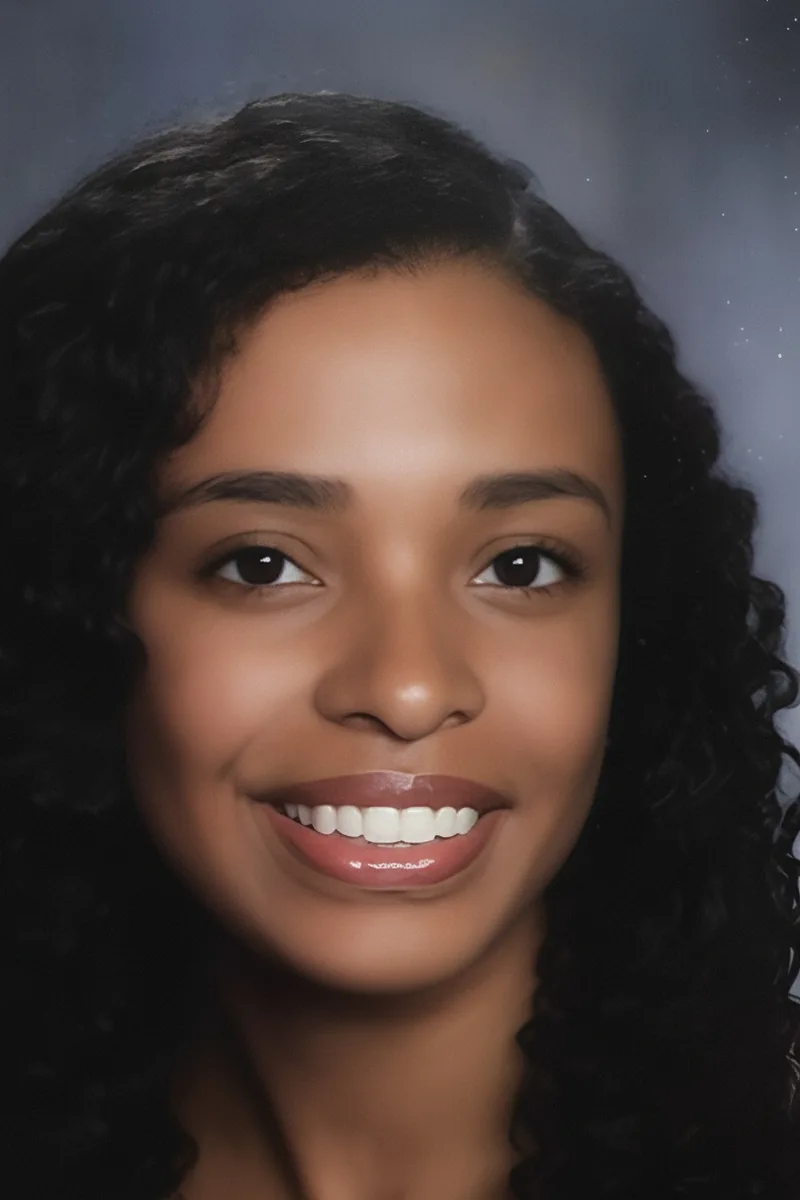
Reading confidence at the elementary level comes down to consistent practice with the right support. Olivia works on phonics patterns, sight word recognition, and reading comprehension strategies like predicting and summarizing, adjusting her approach based on what each student needs to move to the next reading level.
Learning to read fluently requires stacking several skills at once: phonics, sight-word recognition, and the ability to use context to figure out unfamiliar words. Madhura takes a patient, structured approach that builds each of these skills in sequence so young readers aren't overwhelmed. Her teaching style keeps sessions engaging — something that matters enormously when working with elementary-age students who need encouragement as much as instruction.
Early reading clicks when a student starts connecting sounds to patterns and patterns to meaning — not just decoding words but actually understanding what a passage is saying. Theresa takes a structured approach to phonics, fluency, and comprehension questions, building each skill in a sequence that keeps young readers confident rather than overwhelmed.
Early readers need someone who makes books feel like adventures, not assignments — and as a published author, Adrianne knows how to make stories come alive. She builds fluency and comprehension by connecting young readers to characters and plots that genuinely excite them, working through skills like predicting, retelling, and identifying main ideas along the way.
Early reading confidence comes from connecting phonics, vocabulary, and comprehension in a way that feels natural rather than overwhelming. Danielle spent three semesters at Tufts teaching English to adult beginners, an experience that made her especially skilled at gauging exactly where a learner's understanding breaks down and adjusting on the spot. She applies that same attentiveness to elementary readers working on fluency, sight words, and story comprehension.
Decoding, fluency, and comprehension develop at different speeds for every child, and Emma's elementary education training taught her to spot exactly where a reader is getting stuck. She builds targeted practice around specific skills — whether that's blending consonant clusters, identifying a story's main idea, or making inferences from context clues. Her approach turns reading sessions into conversations about what's happening on the page, which keeps kids engaged and moving forward.
Early reading is where phonics, sight words, and fluency either click or become a source of frustration. Zora's dual-certification program — covering both general and special education through 8th grade — trained her in structured literacy approaches that meet a wide range of learners. Her Children's Literature certificate also means she knows exactly which books spark engagement at every reading level.
Elsie's background in literature and languages gives her a deep understanding of how reading skills develop, from decoding unfamiliar words to making inferences about a character's motivation. She connects stories to things kids already care about, which turns reluctant readers into curious ones.
Early readers need someone who can make stories feel like adventures, not assignments. Nathaniel uses his background as a historian and writer to build reading comprehension through vivid storytelling, helping kids connect vocabulary and context clues to the worlds inside their books. Rated 4.6 by families he's worked with.
I am a graduate of Geneva College with a B.S. degree in Educational Studies, specializing in Elementary and Special Education. I hold a Pennsylvania Elementary Education certificate (Grades K-8.) I have worked with children in classroom and daycare settings for five years. I can tutor a wide range of subjects, but my specialties are language arts and math. I have experience working with students with special needs, both gifted and children with physical and learning disabilities. I am familiar with IEPs and various methods to engage students, both general and special education. I enjoy tutoring because it allows me to work with a student in a way that works for them. I tailor my lessons to each student's unique learning style and interests. My philosophy of education is child first. I tailor my lessons to each student's unique learning style and interests. I believe that mixing interests with learning leads to more participation and engagement.
Teaching a young reader to decode words is only half the job — the other half is making reading feel rewarding. Kevin pairs phonics and fluency practice with age-appropriate stories that spark curiosity, so students build speed and comprehension at the same time. His experience creating a summer tutoring program for younger students gave him a practical toolkit for keeping elementary readers motivated.
Getting a child to love reading early changes everything that comes after. Annabel teaches phonics, sight words, and basic comprehension strategies like predicting and summarizing, turning each reading session into an active conversation about the story rather than a passive exercise.
Learning to read confidently at a young age changes everything that comes after — from following a story's plot to sounding out unfamiliar words. Eliza breaks down phonics patterns, sight words, and basic comprehension strategies in ways that keep younger learners engaged and moving forward. Rated 5.0 by students and families.
Getting a young reader to slow down and actually comprehend what's on the page — character motivation, sequence of events, main idea versus supporting details — takes patience and the right questions. Jonathan, a Yale senior who reads across science and literature, knows how to make reading feel like discovery rather than a chore.
Reading at the elementary level is really about building the confidence to tackle a page independently — decoding unfamiliar words, making predictions, and retelling what happened in a story. Sarah's creative writing minor at Penn gives her a storyteller's instinct for making passages come alive, turning comprehension exercises into conversations kids actually want to have.
Early reading skills like phonics, sight word recognition, and basic comprehension set the stage for everything a student will do in school. Elias uses his knowledge of language structure — he's fluent in French and Arabic — to make letter-sound relationships and vocabulary building feel like puzzle-solving rather than rote work. He keeps sessions interactive so young readers stay engaged and build confidence with every book they tackle.
I love to help students to do well on the SAT and ACT Verbal, Reading, and English sections. I have tutored these areas of standardized tests for more than 3 years. My approach is not "standardized" because I enjoy working one-on-one with clients to tailor learning experiences that address each person's unique needs. As a former professor of communication, I also have the skills to help professionals and graduate students with their research and writing. I am currently helping a doctoral student with her dissertation.
Learning to read means more than sounding out words — it's building the confidence to tackle a whole page, then a whole chapter. Jennifer uses character voices, prediction games, and retelling exercises to turn early readers into kids who actually want to pick up a book. Her theatre background makes storytime sessions especially engaging for younger learners.
Early reading skills like fluency, vocabulary in context, and basic comprehension questions set the stage for everything a student will do academically. Devan uses engaging passages to teach elementary readers how to identify main ideas and make predictions, turning reading from a chore into something that clicks.
Early reading clicks when a child connects sounds to meaning — not just decoding words on a page but actually understanding what a story is telling them. Ashley builds that bridge by working through phonics patterns, sight words, and read-aloud comprehension questions that keep young readers curious and confident.
Phonics, sight words, and reading fluency all click faster when a student actually enjoys the book in front of them. Mahika pairs foundational decoding skills with stories that match a child's interests, so practice feels like reading for fun. Her teaching experience with younger learners and her own love of books make early reading sessions feel natural rather than forced.
Before a student can love reading, they need to feel confident doing it. Aleksandar tackles foundational skills like phonics, sight words, and basic comprehension questions, building each lesson around stories and topics that keep younger readers engaged and moving forward.
Decoding, fluency, and comprehension don't always develop at the same pace, and a student who reads smoothly out loud may still struggle to retell what happened. Kate uses her education training to pinpoint where the disconnect is — whether it's phonics gaps, vocabulary, or the leap from literal to inferential understanding.
Building fluency at the elementary level means more than just sounding out words — it's about connecting phonics, vocabulary, and comprehension into a single confident reading experience. Kaila's background in Educational Studies at Colgate shapes how she approaches early readers, tailoring decoding strategies and sight-word practice to each child's pace.
Phonics and decoding are Robert's entry points for early readers — he teaches kids to sound out unfamiliar words by breaking them into chunks rather than guessing from pictures or context alone. Once decoding clicks, he layers in fluency practice and basic comprehension questions that build real confidence with grade-level texts. His background coaching youth athletes gives him a natural ease with younger learners.
Early reading confidence comes from cracking the code — connecting sounds to letters, building sight-word fluency, and starting to understand what a sentence actually means. SriSaiSuhita makes these foundational skills stick by adapting her approach to how each child learns, whether that's through read-alouds, word games, or guided questioning about a story's characters and events.
Early reading clicks when a child connects phonics patterns to real words they actually want to read. Natalie's first tutoring experience was with third graders in Germantown, Philadelphia, where she built reading confidence through repetition, context clues, and books the kids were genuinely excited about. That hands-on foundation still shapes how she approaches every young reader she works with.
Cameo's cognitive science training gives her real insight into how young readers develop — from decoding phonics patterns to building the comprehension strategies that turn reading from a chore into a habit. She breaks down tricky skills like making predictions, identifying main ideas, and using context clues in ways that click for elementary-aged learners. Rated 5.0 by students and families.
Phonics rules, sight words, and reading fluency each require a different kind of practice, and knowing which one a student needs right now makes all the difference. Stephen's English training and patience with younger learners let him pinpoint exactly where a child is getting tripped up — whether it's decoding multisyllable words or understanding what a paragraph is actually saying.
Early reading confidence shapes everything that comes after, from comprehension to vocabulary to a child's willingness to pick up a book on their own. Rima tackles foundational skills like phonics, sight words, and reading fluency through interactive, engaging sessions tailored to each student's current reading level. Her 5.0 rating speaks to how well young learners respond to her approach.
Early reading is where phonics, sight words, and comprehension all compete for a child's attention at once. Rosa sequences these skills so they reinforce each other, using read-aloud strategies and targeted decoding exercises that match each student's current level. Her patience and 5.0 rating make her a strong fit for young readers who need encouragement alongside instruction.
Building fluency at the elementary level means more than sounding out words — it's connecting phonics, vocabulary, and comprehension so reading starts to feel automatic. Addie uses a mix of read-aloud practice, context-clue exercises, and targeted sight-word work tailored to each student's current level. Her background in education gives her the patience and structure young readers need to gain genuine confidence.
Early reading is where confidence either takes root or starts to erode, and Lee has been building that confidence since she volunteered at her elementary school tutoring 3rd-5th graders. She digs into phonics, sight words, fluency, and basic comprehension questions — whatever a particular student needs to move from hesitant to independent. As the eldest role model for young cousins, she brings a patient, encouraging energy that puts kids at ease.
Building early reading confidence is about more than sounding out words — it's connecting phonics to meaning, asking questions about a story, and learning to predict what comes next. Karen's experience as a Special Needs Tutor at Drexel taught her how to adapt pacing and techniques to each child's level so reading feels like discovery, not homework.
Reading clicks for young learners when they feel confident tackling new words and making sense of a story on their own. Lauren builds that confidence by working through phonics patterns, sight words, and guided questions that teach kids to picture what's happening on the page — skills she's honed over four years of English tutoring.
Reading clicks for young learners when they can connect stories to things they already care about — animals, nature, how things grow. Sam's background in biology gives him a library of real-world examples to make phonics practice, vocabulary building, and reading comprehension feel like discovery rather than drills.
I'm a sophomore at the University of Pennsylvania majoring in Political Science and Urban Studies with a minor in French. Education is what I believe to be the key to success and the door that opens up a better tomorrow. Reliability, credibility, and efficiency are skills I will always continue to improve on because there is no such thing as perfect. Be friendly, be positive, and be motivated. But don't forget to be happy! Favorite quote and my go-to motto, "Be the change you wish to see in the world."
An avid reader herself, Cassandra teaches early reading skills like phonemic awareness, sight word recognition, and basic fluency by connecting books to topics kids already care about. Her psychology training at NYU sharpened her understanding of how children develop literacy, which means she spots the specific gap — whether it's decoding, vocabulary, or comprehension — and addresses it directly.
Phonics rules open the door, but fluency is what keeps a young reader moving through a page with confidence. Renae pairs phonemic awareness drills with sight-word practice and guided reading that builds stamina a few pages at a time. Her psychology training gives her a keen eye for the difference between a decoding gap and a comprehension gap, so instruction targets the actual sticking point.
Testimonials
Because the right Elementary School Reading tutor makes all the difference.
Average Session Rating – Based on 3.4M Learner Ratings
Nearby Elementary School Reading Tutors
Other Pittsburgh Tutors
Related English Tutors in Pittsburgh
Frequently Asked Questions
Elementary readers often struggle with phonics, decoding unfamiliar words, and comprehension—especially when transitioning from learning to read to reading to learn. Many students also have difficulty with fluency (reading smoothly and at an appropriate pace) or connecting what they read to their prior knowledge. Personalized tutoring helps identify exactly where a student is stuck and builds skills systematically, rather than moving at a classroom pace that may not match individual needs.
The first session focuses on understanding your child's current reading level, strengths, and specific challenges. A tutor will typically assess phonics knowledge, sight word recognition, fluency, and comprehension through informal activities—not formal tests. This helps create a personalized plan that targets your student's needs, whether that's building decoding skills, improving comprehension strategies, or developing a love of reading.
Strong comprehension requires multiple strategies: previewing text, asking questions while reading, visualizing scenes, and connecting ideas to prior knowledge. Tutors teach and practice these strategies with texts at your child's level, then gradually build complexity. With personalized instruction, students get immediate feedback and can ask questions in a low-pressure setting, which builds confidence and deeper understanding far more effectively than whole-class instruction alone.
Fluency—reading smoothly, accurately, and with expression—is essential because it frees up mental energy for comprehension. When students struggle with decoding, they can't focus on meaning. Tutors build fluency through repeated reading of engaging texts, modeling expressive reading, and providing practice with appropriate-level materials. This targeted practice accelerates progress much faster than independent reading alone.
Varsity Tutors connects you with expert tutors in Pittsburgh who specialize in elementary reading. You can specify your child's grade level, current challenges, and learning style preferences, and we match you with a tutor who fits your needs. Most families meet with a tutor within days and see personalized instruction tailored to their student's pace and goals.
Both are essential, and the balance depends on your child's current level. Early elementary readers need strong phonics and decoding skills first; without these, comprehension is impossible. As decoding becomes automatic, comprehension strategies become the focus. A skilled tutor assesses where your student is and builds both skills in the right sequence—phonics doesn't stop when comprehension begins; they develop together.
Many students show noticeable progress in fluency and confidence within 4-6 weeks of consistent tutoring, especially when meeting 1-2 times weekly. Deeper comprehension and independence take longer—usually 2-3 months of regular practice. The timeline depends on your child's starting point, frequency of sessions, and how much they practice between tutoring appointments. Consistent, personalized instruction accelerates progress significantly compared to classroom instruction alone.
Expert tutors working with Varsity Tutors bring diverse backgrounds—many have teaching certifications, degrees in education or English, and years of classroom or tutoring experience. All tutors are vetted for subject expertise and teaching ability. When you connect with a tutor, you can review their background and experience to ensure they're the right fit for your elementary reader's needs.
Let’s find your perfect tutor
Answer a few quick questions. We’ll recommend the right plan and match you with a top 5% tutor.