Award-Winning Physiology Tutors
serving Lancaster, PA
Physiology
Tutors in Lancaster
Private 1-on-1 tutoring, weekly live classes for academic support, test prep & enrichment, practice tests and diagnostics, and more to elevate grades and test scores.
Based on 3.4M Learner Ratings
UniversitiesSchools & Universities
DeliveredHours Delivered
ProficiencyGrowth in Proficiency
Who needs tutoring?
No obligation. Takes ~1 minute.
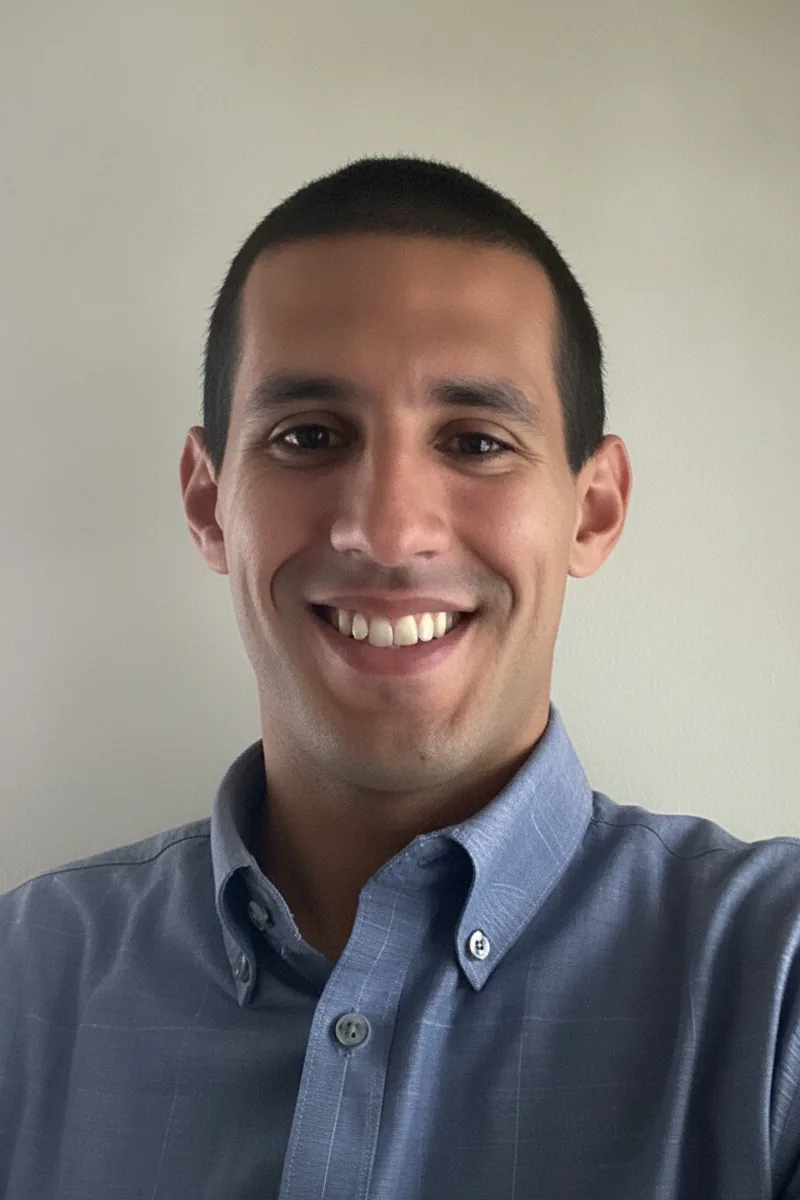
Designing an interactive obstacle course — complete with NERF guns and secret handshakes — to teach the adaptive immune system at Pitt's Tissue Engineering Summer Camp says a lot about how Michael approaches physiology: he turns abstract processes into something students can physically and mentally map. His bioengineering background means he thinks about the body as an engineered system, tracing how structures like the nephron or the SA node produce measurable, predictable outputs. Rated 5.0 by students.
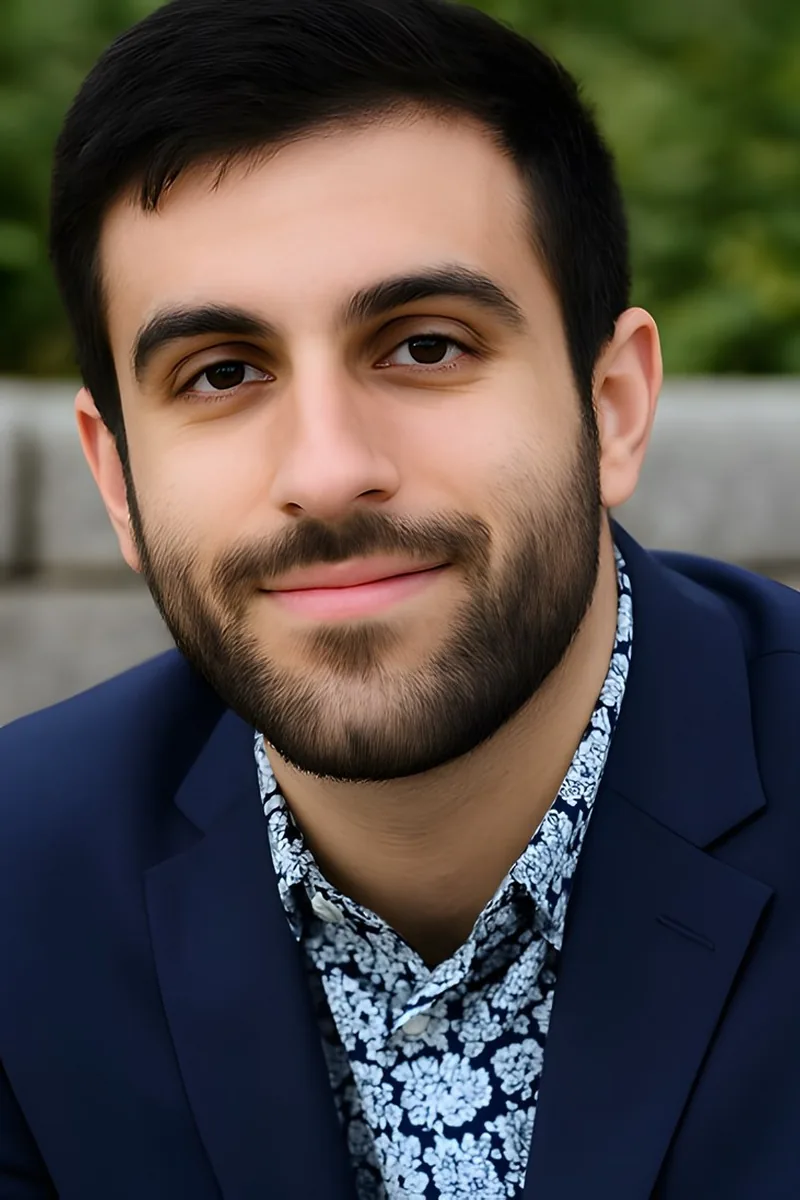
Understanding physiology means thinking in systems — how a nerve impulse triggers muscle contraction, how the nephron filters blood, how cardiac output adjusts during exercise. Shayan's pre-health training at Penn gives him a clinical lens on these mechanisms, and he teaches each system by walking through what happens when it breaks down, which makes normal function far more intuitive.
Understanding physiology means seeing the body as an integrated system, not a list of organ functions to memorize. Matt's graduate work in nutrition required mastering renal, endocrine, and cardiovascular physiology at the molecular level, so he teaches concepts like action potentials, cardiac output, and hormonal feedback loops with the mechanistic depth that college-level courses demand. Rated 5.0 by students.
Few tutors can teach physiology the way someone who studied it in medical school can — Daniel understands cardiac output, renal filtration, and respiratory mechanics not just as textbook diagrams but as interconnected systems he learned to reason through clinically. He unpacks each organ system by tracing cause and effect, so students see how a change in one variable cascades through the body.
Studying physiology in medical school at Drexel meant Prateek had to master cardiac output equations, renal filtration mechanics, and neuronal action potentials at a level most tutors never reach. He unpacks complex organ-system interactions — like how the renin-angiotensin system ties the kidneys to blood pressure regulation — in a way that makes the logic visible instead of requiring brute-force memorization. Whether it's for a college course or MCAT prep, his clinical training gives him a practical edge.
Preparing for PA school means Jennifer lives and breathes physiology — cardiac output equations, nephron function, the mechanics of gas exchange across alveolar membranes. She teaches organ system physiology by connecting structure to function at every level, so students can reason through unfamiliar scenarios instead of relying on rote recall.
Neuroscience coursework gave Mary a deep familiarity with the systems where physiology and neural control overlap — topics like action potential generation, synaptic transmission, and autonomic regulation of heart rate and respiration. Her chemistry minor and teaching assistant role in organic and general chemistry also mean she can dig into the biochemical details when a concept like oxygen-hemoglobin binding or renal acid-base balance demands it. Rated 4.8 by students.
Medical school is essentially an advanced physiology course, and Meghan applies that daily immersion to teaching concepts like action potentials, renal filtration, and cardiac cycle mechanics. She connects organ-system function to the underlying cellular biology, so students see how individual mechanisms produce whole-body outcomes.
Magdi earned his Doctor of Medicine degree, which means he didn't just study physiology from a textbook — he applied it in clinical contexts where understanding renal filtration, cardiac cycles, and endocrine feedback loops actually mattered. He unpacks complex organ system interactions by connecting each mechanism to what a student can observe in their own body.
Kimberly's biology degree from UNC Chapel Hill included biochemistry coursework that makes her especially sharp on the molecular underpinnings of physiological processes — things like how ion gradients drive nerve impulses or how enzyme cascades regulate digestion and clotting. She teaches physiology by connecting the chemistry happening inside cells to the larger behavior of organ systems, so students can reason through unfamiliar scenarios instead of relying on rote recall. Rated 4.9 by students.
Two mechanical engineering degrees trained Nicholaus to think about complex systems in terms of inputs, outputs, and control loops — a framework that maps surprisingly well onto physiological processes like thermoregulation, blood pressure homeostasis, and respiratory gas exchange. He breaks down feedback mechanisms the same way he'd analyze a control system in engineering: identify the sensor, the integrator, and the effector, then trace what happens when one variable shifts. That structured, systems-level thinking gives students a repeatable method for working through multi-step physiological chains on exams.
I am a first year medical student at the Sidney Kimmel Medical College at Thomas Jefferson University. I have been a private tutor in the past in subjects such as math, biology, chemistry, and the SATs and every single one of my more than twenty students have shown significant improvement. Most importantly, I have a passion for teaching, and your needs and preferences as the learner will always be paramount. I hope to help every one of my students reach every bit of their potential, and along the way, to utterly shatter any self-induced limitations that have been placed upon what they can accomplish.
I am currently a second year medical student. I was a Physiological Sciences major at UCLA (class of 2015), and pursued research during my gap year between undergrad and medical school.
I am currently entering my fourth year of medical school at Perelman School of Medicine at the University of Pennsylvania. I obtained a Bachelor of Science in Biology from Wheaton College in Illinois, where I graduated in 2017 with high honors. Throughout my undergraduate years, I tutored extensively in several academic fields with a focus on the sciences and preparation for the MCAT.
I am so very interested in working with you through Varsity Tutors!
I am currently working as a Medical Assistant for a dermatologist. I am in the process of applying to medical school. I was a Biology major in college. I love working with people. I hope to be a good tutor and to help my students achieve their goals! I am always open to feedback and suggestions on how to be a better tutor.
I am currently a first-year medical school student. Prior to med school, I graduated from Duke University with a Bachelor's degree in Biomedical Engineering and received my Master's degree in Biomedical Studies from Drexel College of Medicine. I have over 6 years of experience tutoring individual students and also worked as a teaching assistant at the graduate school level. I am passionate about teaching and working with students. I have experience working with high school, college and graduate students and have a subject expertise that include Biology, Physics, Math, Physiology, Biochemistry.
I'm Sophie, and I'm a medical student with a passion for teaching. I want to work with patients, but my other goal is to go into academic medicine. I can't picture my present or future without education in it. I began tutoring for my little sister when both of us were in high school, helping her with math, English, science, and Spanish. In college, I started branching out to tutor friends. In 2019 I began volunteer tutoring for my college's chemistry department, and soon after, I took on a job at a local tutoring center teaching biology and chemistry (and occasionally physics and math) to high school students. Since taking the MCAT and scoring 99th percentile, I started tutoring for that as well. Biology and chemistry are my main teaching areas: chemistry because I've had the most tutoring experience in it, and biology because I have practical experience through lab research and patient care. I can also teach math or physics (I used to be an engineering student so I know those subjects well). I pride myself on bringing a real passion for the subjects I teach. I also strive to abolish simple; disjointed memorization and help my students see their subject matter through a logical, problem-solving oriented lens. I look forward to learning with you!
I am a recent graduate of Wagner College who received a Bachelor of Science in Nursing with a minor in French. I am currently a RN at the Children's Hospital of Philadelphia in the Pediatric ICU and come with fresh experience in NCLEX/TEAS test prep and clinical fieldwork. I have tutored students in the past with Kumon, in private, and while in university, so I'm very familiar working with students of all ages (children and adults alike), and very excited to begin work with Varsity Tutors! I always make sure to have fun and involve students in lessons so that the subjects are more relatable to students and they can find personal ways to engage with the topics taught. Although I tutor a broad range of subjects, I am most passionate about French language and culture, particularly francophone tradition, food, and celebration. My trips to France really kept my French knowledge and interests alive.
I graduated with a B.A from Cornell University and majored in biology (premed) with a concentration in genetics. I am currently a 3rd year medical student at DUCOM and am passionate about biology, biochemistry and English. I understand the struggle of memorising small details and struggling to understand the big picture conceptually. I look forward to working with students struggling with stem courses
I am here to help with pre-med coursework, MCAT prep, and many other classes. I am frequently available for online tutoring.
I am a first-year medical student attending Sidney Kimmel Medical College at Thomas Jefferson University in Philadelphia. I am originally from the Chicago suburbs and graduated from the University of Michigan in 2020 with a bachelor's degree in Biomolecular Science. During 2020-2021, I remained in Ann Arbor for a year, working as a research technician to gain experience and strengthen my future application. For 2021-2022, I returned home to Chicago and worked as a Certified Nursing Assistant at Ann & Robert H. Lurie Children's Hospital of Chicago for a year before beginning medical school in July 2022.
I have earned a B.S. in Molecular Biology from Messiah College and I am working towards a Ph.D. in Biochemistry at Drexel University. When I am not lost in the world of academia, I enjoy spending time in nature, reading science-fiction books, and cooking plant-based foods.
I am very patient and I was always someone in school that could turn a long tedious problem/ information into something that I remembered forever.
I am a Teaching Assistant at my university in various biology and chemistry courses. I have also taught guitar and piano lessons at my studio. I specialize in classical piano and guitar and also flamenco guitar, but I can definitely teach the basics of those instruments or other genres.
Hello! I graduated medical school at Temple University's Lewis Katz School of Medicine am pursuing a career as a physician specializing in radiation oncology! I also graduated summa cum laude from Clarion University of Pennsylvania with a degree in Molecular Biology and Biotechnology with a minor in Chemistry. I have also earned an MBA at Temple University. Additionally, I am earning a Masters of Education degree through Lake Erie College of Osteopathic Medicine. I have worked as a tutor at the high school and college level tutoring biology, biochemistry, and math. I have served as a tutor for my medical school for the last 4 years as well focusing on Step 1 and Step 2 CK tutoring. This has meant I have tutored in subjects ranging from: physiology, pathophysiology, pharmacology, and far more! I love mentoring and teaching and am excited to find out how I can help you! I always try to meet students where they are and work toward their goals with them.
I am currently working towards a doctorate in medicine from New Jersey Medical School. Throughout high school, college, and graduate school, I have tutored students ranging in age from elementary school to college freshmen in a variety of subjects particularly math and science. My favorite subject to tutor is math because it is very methodical and visual. Having a passion to help others, I am drawn to tutoring for the opportunity to share my knowledge with others. My family and friends have described me as being patient, compassionate, and personableall of the qualities that I believe I bring to my students. Outside of tutoring, I like Notre Dame football, dogs (especially my family's German Shepherd!), yoga, cooking, and reading.
Pre-med coursework at Rutgers gave Sam a thorough grounding in how the body's systems interact — and graduating summa cum laude with a 4.0 suggests he didn't just survive those courses but genuinely mastered the material. He's especially useful for students who need to connect the dots between what they learned in anatomy and the functional "why" behind it, whether that's tracing how negative feedback maintains thyroid hormone levels or understanding why ventilation-perfusion matching matters in the lungs.
Rachel's biology degree gives her a strong grasp of the underlying mechanisms that drive physiology — she's particularly effective at breaking down how hormonal signaling cascades regulate everything from blood pressure to metabolism. When students get lost in the complexity of, say, the autonomic nervous system's effect on heart rate, she maps out each step so the logic becomes visible instead of overwhelming.
As a physical therapy graduate student, Ken doesn't just know physiology from a textbook — he applies concepts like muscle contraction, cardiovascular regulation, and neurophysiology in clinical settings every week. That practical lens makes topics like action potentials and organ system integration far more concrete than memorizing diagrams alone.
Completing premed coursework at NYU while earning a finance degree gave Hanna an unusual double fluency — she thinks about the body's regulatory systems with the same rigor she'd apply to financial models, tracing inputs, outputs, and feedback the way she'd track capital flows. That analytical habit pays off in physiology topics like hormonal feedback loops, cardiac cycle timing, and renal clearance, where students who can follow the logic outperform those who just memorize the steps. Her subsequent classroom teaching experience also means she's practiced at breaking a dense process into smaller, sequenced pieces that actually stick.
Helen earned a master's in pharmacology from Tulane, which means she didn't just study physiology — she studied what happens when you manipulate it. From cardiac output equations to renal filtration mechanics, she teaches organ systems by connecting structure to function to clinical relevance.
Studying physiology at Morehouse School of Medicine, Eugene lives inside the material he teaches — cardiac output equations, renal filtration mechanics, and the feedback loops that keep the body in homeostasis. He unpacks each organ system by linking structure to function, so students see the logic behind processes like action potentials or gas exchange rather than treating them as isolated facts.
Understanding physiology means tracing cause and effect across organ systems — why a drop in blood pressure triggers a specific hormonal cascade, or how the nephron maintains electrolyte balance. Amanda's dual background in biology and anthropology gives her a unique lens for connecting physiological mechanisms to the bigger picture of how human bodies adapted over time. Rated 4.9 by students, she breaks down feedback loops and homeostatic processes into logic chains that actually stick.
Nikolas earned his Exercise Science degree at Ohio State studying exactly how the body regulates itself — cardiac output, gas exchange, renal filtration, neuromuscular signaling. That background means he teaches physiology as interconnected systems, not isolated chapters, connecting topics like the Frank-Starling mechanism to broader homeostatic principles. He holds a 5.0 client rating.
Studying physiology means understanding how organ systems talk to each other — why a drop in blood pressure triggers the renin-angiotensin-aldosterone system, or how action potentials propagate along a myelinated axon. Daniel's PhD work in neuroscience at Rockefeller gives him deep, research-level fluency with these mechanisms, and his medical training at Weill Cornell ties every concept back to clinical relevance.
A Northwestern history and economics graduate turned attorney, Andrew brings an unusual skill to physiology: the ability to build logical arguments out of complex evidence. That translates well when students need to reason through chains like how aldosterone affects sodium reabsorption in the distal tubule, or why sympathetic activation increases heart rate — he treats each mechanism as a case to construct, not a paragraph to memorize. Rated 4.9 by students.
Understanding how the body actually functions — from cardiac output regulation to renal filtration — is something Josh engages with daily in his dental medicine program at Penn. He teaches physiology by connecting each mechanism to a real clinical scenario, so concepts like action potentials and gas exchange become intuitive rather than just memorized diagrams.
Testimonials
Because the right Physiology tutor makes all the difference.
Average Session Rating – Based on 3.4M Learner Ratings
Other Lancaster Tutors
Related Science Tutors in Lancaster
Frequently Asked Questions
Varsity Tutors matches Lancaster students with expert Physiology tutors for 1-on-1 instruction. We pair each student with a tutor based on their specific needs, learning style, and goals.
Whether you need homework help, exam prep, or want to get ahead, our Physiology tutors are ready to help.
Common challenges include gaps from earlier material, difficulty with specific concepts, and trouble applying learning to new problems. These issues can snowball quickly in Physiology.
A tutor identifies where you're stuck, fills in gaps, and provides targeted practice. The 1-on-1 format means you get help exactly where you need it.
Tutors work with your student's actual coursework—homework assignments, class notes, and upcoming tests. This keeps tutoring directly relevant to what's happening in the classroom.
When you share information about your student's school and curriculum, we can match you with a tutor who has relevant experience.
All tutors complete background checks, credential verification, and teaching evaluation. Many of our Physiology tutors hold advanced degrees or have years of teaching experience.
You can review tutor profiles to find someone with the right background for your student's level and needs.
Many students see improved grades within a few weeks, along with better understanding of Physiology concepts and more confidence tackling challenging material.
Tutors track progress and adjust their approach to ensure continued improvement.
Most students benefit from 1-2 sessions per week. More frequent sessions help if your student is significantly behind or has an important exam coming up.
Your tutor can recommend a schedule based on your student's specific situation and goals.
Tutoring is purchased in packages of hours, with rates varying by tutor experience. Varsity Tutors offers several options to fit different budgets and needs.
You can discuss pricing during your consultation to find what works best.
Your tutor will assess where your student is, discuss goals, and start working on priority areas. Most students bring current homework or upcoming test material to focus on.
By the end, you'll have a clear sense of how the tutor can help and a plan for moving forward.
Let’s find your perfect tutor
Answer a few quick questions. We’ll recommend the right plan and match you with a top 5% tutor.