Award-Winning Phonics Tutors
serving Youngstown, OH
Phonics
Tutors in Youngstown
Private 1-on-1 tutoring, weekly live classes for academic support, test prep & enrichment, practice tests and diagnostics, and more to elevate grades and test scores.
Based on 3.4M Learner Ratings
UniversitiesSchools & Universities
DeliveredHours Delivered
ProficiencyGrowth in Proficiency
Who needs tutoring?
No obligation. Takes ~1 minute.
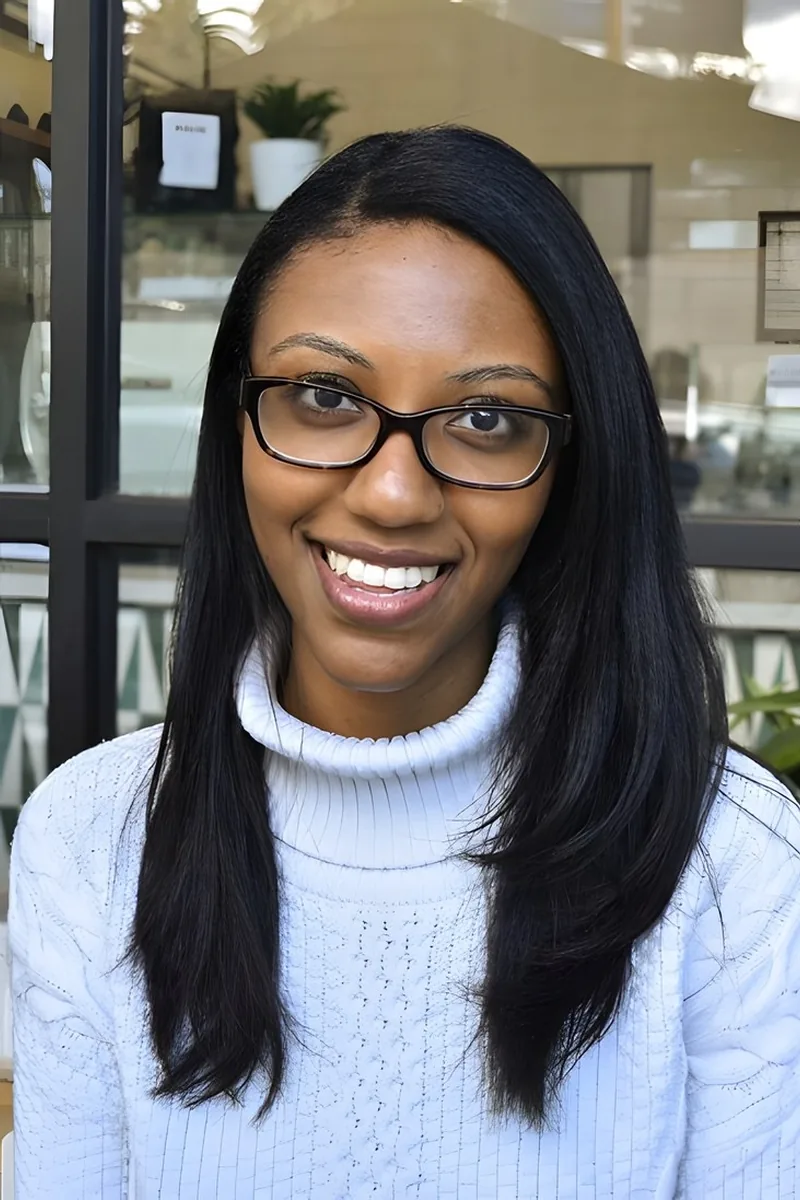
A certified early childhood educator with a Child Development degree from Yale, Arielle teaches phonics by connecting letter-sound relationships to actual reading — blending, segmenting, and decoding words in context rather than drilling isolated sounds. Her three years of classroom teaching mean she knows how to spot when a young reader is guessing from pictures instead of sounding out, and she addresses those habits early.

Teaching English to speakers of other languages — Zoe's graduate specialty — means constantly breaking down the sound system that native speakers take for granted, which is exactly what phonics instruction demands. Her ESL background gives her practiced techniques for making vowel distinctions, consonant blends, and spelling patterns explicit to learners who can't yet rely on intuition to decode unfamiliar words. Rated 4.7 by clients.
Early readers need to hear and feel how sounds map to letters before decoding can become automatic — blending /sh/ and /ch/, recognizing long versus short vowels, sounding out consonant clusters. Diana has taught phonics to kindergarteners and first graders in the classroom and understands the precise sequence of skills that moves a child from letter recognition to fluent reading.
An effective educator must be able to recognize each individual student's learning style and to adapt the lesson to accommodate that style. Also, each student has a different rate of learning. Thus, the lessons must be directed not only towards ensuring the student masters the material but also keeps the student engaged in and enthusiatic about the education process. Finally, the effective tutor must remember that the end goal of the learning process is not only to master a defined set of knowledge and skills, but also to learn "how to learn;" in this way the student will be better equipped to thrive in an ever changing environment.
Early readers need to crack the code between letters and sounds before anything else clicks. Melanie breaks down blending, digraphs, and vowel patterns into small, repeatable steps, building the kind of decoding confidence that turns sounding out words into genuine fluency over time.
Early readers need someone who understands how letter combinations map to sounds — blends, digraphs, long and short vowel patterns. Grace's Early Childhood Education training at Miami University gives her a toolkit of multi-sensory strategies for teaching decoding skills that stick. Rated 5.0 by students.
I am a seasoned educator with over 14 years of teaching experience. I currently am a middle school principal but have taught grades 3-college. I am no stranger to Common Core and can help students master material with tried and true strategies!
Learning to decode words is the foundation of every reading skill that follows, and Megan's classroom experience with younger learners means she understands how to teach letter-sound relationships, blending, and sight words in a way that sticks. She adjusts pacing based on each child's progress rather than pushing through a rigid sequence, keeping early readers confident as the sounds get more complex.
Teaching grades 4–9 means McKenna regularly encounters the students who slipped through early phonics instruction without fully mastering vowel patterns or multisyllabic decoding — the ones who can read some words but hit a wall with unfamiliar ones. Her middle childhood education training gives her a developmental lens for pinpointing exactly which sound-letter connections are shaky and rebuilding them without making older readers feel like they're starting over. Rated 4.5 by clients.
I am a music and arts industry professional with over 20 years experience working in a variety of settings. It would be my pleasure to help you achieve your academic and musical goals.
Understanding how the brain processes language isn't just theory for Giovanna — her Penn degree in Cognitive Neuroscience covered the science behind how children learn to decode words. She applies that knowledge to phonics instruction, teaching letter-sound relationships, blending, and digraphs in a systematic way that builds real reading fluency.
Speech-language pathology training is essentially an advanced degree in how sounds become language — and that's exactly what phonics instruction requires. Mary's Vanderbilt SLP coursework in phonological awareness, decoding strategies, and letter-sound correspondence means she can pinpoint exactly where a young reader is getting stuck, whether it's blending consonant clusters or distinguishing between short vowel sounds. Rated 5.0 by students.
Early reading starts with sounds — blending consonants, recognizing vowel patterns, decoding unfamiliar words one syllable at a time. Sarah's Child Development degree from Vanderbilt gave her a strong understanding of how young children acquire language, which shapes how she sequences phonics instruction. She keeps sessions playful and repetitive in the right ways, so letter-sound connections become automatic rather than forced.
Joyce holds certifications in both ESL and EC-6 instruction, which means she's trained in systematic phonics methods — blending, segmenting, and decoding — for native English speakers and multilingual learners alike. She breaks letter-sound relationships into manageable patterns so early readers build real decoding fluency, not just sight-word memorization.
Early readers need someone patient enough to sit with the difference between a long and short vowel sound, and energetic enough to keep a young child engaged through repetition. Valerie's theatre training makes her a natural at turning phonics drills — blending, segmenting, digraphs — into something playful and memorable.
Decoding words is the gateway to everything else in school, and Zoe's experience as a K-2 reading tutor means she's spent serious time on letter-sound relationships, blending, and digraphs. She identifies exactly where a child's phonemic awareness breaks down and targets that gap with structured, repetitive practice that actually sticks.
Cognitive science research on how the brain processes language directly informs how Ruiy teaches phonics — she understands the difference between phonemic awareness and phonics instruction and why both matter for early readers. She uses systematic decoding exercises that build from individual letter-sound relationships to blending consonant clusters and recognizing common vowel patterns like silent-e and vowel teams.
Early reading clicks when a child connects letter patterns to the sounds they already know — blends, digraphs, long and short vowels all become puzzle pieces rather than mysteries. Alex's deep background in language and literature gives him an intuitive sense of how English spelling and pronunciation relate, and he keeps phonics sessions engaging and playful for younger learners.
Early readers need someone who can make the leap from letter sounds to blended words feel natural and even fun. Julie's Special Education training gives her a toolkit of multisensory phonics strategies — tapping out syllables, sorting word families, building fluency through repetition — tailored to how each child actually learns.
John's graduate training in linguistics gives him a detailed understanding of how English sounds actually map to letters — the inconsistencies, the patterns, and the rules that make decoding click. He breaks down blends, digraphs, and vowel teams in a way that builds real reading independence rather than rote memorization.
Early readers need someone patient enough to sit with the mechanics of blending, segmenting, and sounding out words until the patterns click. Bina teaches phonics by connecting letter-sound relationships to actual reading practice, so children move from decoding individual syllables to reading full sentences with confidence.
Ben pairs his background as a history teacher — where reading is the foundation of everything — with a lifelong love of books to make phonics instruction stick for early readers. He connects letter-sound relationships, blending, and sight-word recognition to actual stories kids want to read, turning decoding practice into something that feels more like discovery than drill.
Testimonials
Because the right Phonics tutor makes all the difference.
Average Session Rating – Based on 3.4M Learner Ratings
Other Youngstown Tutors
Related English Tutors in Youngstown
Frequently Asked Questions
Varsity Tutors matches Youngstown students with expert Phonics tutors for 1-on-1 instruction. We pair each student with a tutor based on their specific needs, learning style, and goals.
Whether you need homework help, exam prep, or want to get ahead, our Phonics tutors are ready to help.
Common challenges include gaps from earlier material, difficulty with specific concepts, and trouble applying learning to new problems. These issues can snowball quickly in Phonics.
A tutor identifies where you're stuck, fills in gaps, and provides targeted practice. The 1-on-1 format means you get help exactly where you need it.
Tutors work with your student's actual coursework—homework assignments, class notes, and upcoming tests. This keeps tutoring directly relevant to what's happening in the classroom.
When you share information about your student's school and curriculum, we can match you with a tutor who has relevant experience.
All tutors complete background checks, credential verification, and teaching evaluation. Many of our Phonics tutors hold advanced degrees or have years of teaching experience.
You can review tutor profiles to find someone with the right background for your student's level and needs.
Many students see improved grades within a few weeks, along with better understanding of Phonics concepts and more confidence tackling challenging material.
Tutors track progress and adjust their approach to ensure continued improvement.
Most students benefit from 1-2 sessions per week. More frequent sessions help if your student is significantly behind or has an important exam coming up.
Your tutor can recommend a schedule based on your student's specific situation and goals.
Tutoring is purchased in packages of hours, with rates varying by tutor experience. Varsity Tutors offers several options to fit different budgets and needs.
You can discuss pricing during your consultation to find what works best.
Your tutor will assess where your student is, discuss goals, and start working on priority areas. Most students bring current homework or upcoming test material to focus on.
By the end, you'll have a clear sense of how the tutor can help and a plan for moving forward.
Let’s find your perfect tutor
Answer a few quick questions. We’ll recommend the right plan and match you with a top 5% tutor.