Award-Winning AP Human Geography Tutors
serving Canton, OH
AP Human Geography
Tutors in Canton
Private 1-on-1 tutoring, weekly live classes for academic support, test prep & enrichment, practice tests and diagnostics, and more to elevate grades and test scores.
Based on 3.4M Learner Ratings
UniversitiesSchools & Universities
DeliveredHours Delivered
ProficiencyGrowth in Proficiency
Who needs tutoring?
No obligation. Takes ~1 minute.

Todd's biology degree from UIUC and social work graduate training at UChicago give him an unusual combination for AP Human Geography — he understands population dynamics and environmental systems scientifically, and he thinks about migration, urbanization, and cultural change through a social sciences lens. That crossover is especially useful when students need to unpack how the demographic transition model or Malthusian theory connects biological resource constraints to human settlement patterns. Rated 5.0 by students.
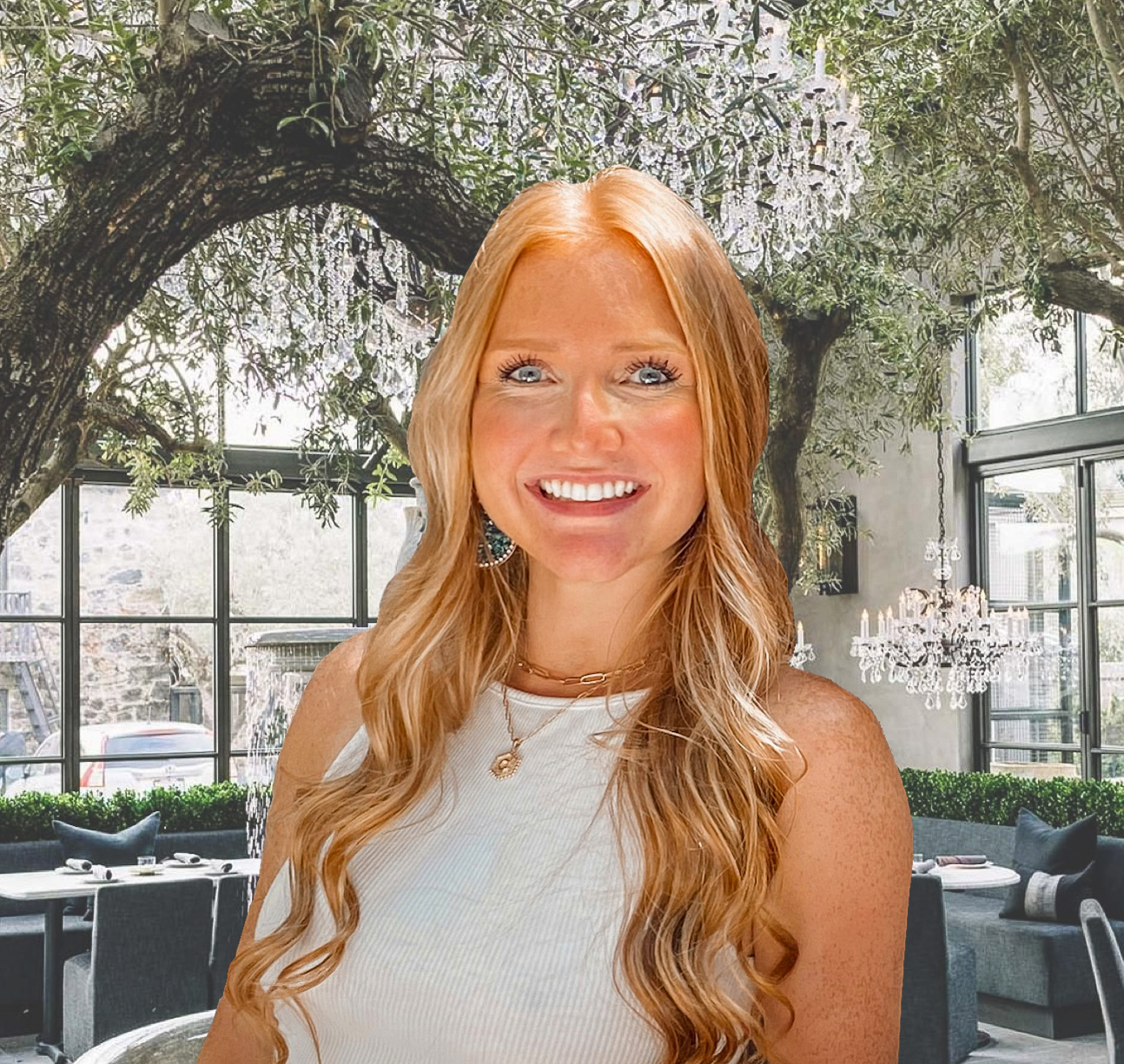
Charlotte's economics training at Vanderbilt gives her a natural handle on the development and globalization units that dominate AP Human Geography — she can unpack concepts like Rostow's modernization model or core-periphery dynamics with real economic reasoning instead of rote definitions. Her 36 ACT composite means she's also sharp on the stimulus-based multiple choice, where reading maps and data tables quickly matters as much as knowing the content. Rated 5.0 by students.
Jacob's history degree and specialization in the American Gilded Age give him a sharp handle on the industrialization, urbanization, and migration patterns that dominate several AP Human Geography units. He teaches students to see models like von Thünen's agricultural land use or Rostow's development stages as historical arguments — frameworks built from real economic and political forces — which makes applying them on FRQs far more intuitive than rote memorization. Rated 4.9 by students.
Debate coaching gives Rohit a real edge on the trickiest part of AP Human Geography — the FRQ prompts where students need to construct an argument linking geographic models to stimulus material, not just recall definitions. His economics and political science training at Minnesota means concepts like Rostow's development stages, trade networks, and supranational political organization are things he's studied formally, not just skimmed in a review book. Holds a 5.0 rating.
Computer science trains you to think in systems — how inputs flow through structures to produce outcomes — and that's exactly how Regina approaches AP Human Geography concepts like the gravity model, central place theory, and spatial diffusion. She breaks down each unit's models as logical frameworks rather than vocabulary lists, which clicks especially well for students who think analytically but struggle with traditional social studies memorization. Rated 5.0 by students.
David is a practicing city planner, which means concepts like Christaller's central place theory, urban sprawl models, and the demographic transition aren't abstract exam topics for him — they're tools he uses at work. He unpacks AP Human Geography through real-world examples from his own projects, making it easier to internalize the spatial patterns and vocabulary the exam demands.
Few tutors bring a more natural fit to AP Human Geography than someone trained in social anthropology at Harvard. Jorge digs into the spatial patterns behind migration, urbanization, and cultural diffusion with the same analytical lens he used studying human communities academically. He teaches students to think like geographers — reading landscapes, interpreting demographic models, and building arguments with data.
Sarah's dual focus on statistics and political science means she's comfortable with both the quantitative models (population pyramids, demographic transition data) and the political frameworks (sovereignty, devolution, supranational organizations) that AP Human Geography weaves together across its units. Her 34 ACT and strong test-taking instincts also translate well to the exam's stimulus-based multiple choice, where reading a population chart or thematic map quickly and accurately is half the battle.
Teaching across math, science, English, and art in classroom settings gave Danielle an unusual cross-disciplinary habit — she naturally connects economic patterns to cultural shifts to environmental constraints, which is exactly the kind of thinking AP Human Geography's FRQs demand when students must link models like Rostow's development stages to real-world stimulus material. Her English literature training also sharpens the written argumentation side, where students often lose points by listing vocabulary instead of building a coherent geographic explanation. Rated 4.9 by students.
Double-majoring in Digital Journalism and Political Science means Alyssa spends her coursework analyzing how media, governments, and cultural forces shape communities — the same dynamics that drive AP Human Geography units on political organization, cultural patterns, and urbanization. She's strongest with the K-6 through middle school crowd, but her social studies background and knack for making dense vocabulary accessible translate well to walking through concepts like sovereignty, devolution, and supranationalism in ways that go beyond flashcard memorization.
Cultural anthropology is essentially the discipline AP Human Geography was built from — Scott's honors degree in the field means concepts like cultural diffusion, language families, and ethnic territoriality aren't exam vocabulary to him but frameworks he's studied in depth at Washington University in St. Louis. He's particularly strong at unpacking the exam's trickier FRQ prompts where students need to connect anthropological models to real-world stimulus material, drawing on the same analytical reading skills behind his 1580 SAT. Rated 4.8 by students.
A political science major at UGA, Monroe spends his coursework analyzing the same forces — sovereignty, borders, migration policy, state power — that AP Human Geography tests across Units 4 and 7. He turns that into practical exam prep by drilling students on how to connect models like Ratzel's organic theory or Rostow's development stages to real political examples in FRQ responses. His 35 ACT and 4.9 rating speak to the kind of structured, strategy-driven approach that pays off on test day.
Testimonials
Because the right AP Human Geography tutor makes all the difference.
Average Session Rating – Based on 3.4M Learner Ratings
Practice AP Human Geography
Free practice tests, flashcards, and AI tutoring for AP Human Geography
Other Canton Tutors
Related Social Studies Tutors in Canton
Frequently Asked Questions
Varsity Tutors matches Canton students with expert AP Human Geography tutors for 1-on-1 instruction. We pair each student with a tutor based on their specific needs, learning style, and goals.
Whether you need homework help, exam prep, or want to get ahead, our AP Human Geography tutors are ready to help.
Common challenges include gaps from earlier material, difficulty with specific concepts, and trouble applying learning to new problems. These issues can snowball quickly in AP Human Geography.
A tutor identifies where you're stuck, fills in gaps, and provides targeted practice. The 1-on-1 format means you get help exactly where you need it.
Tutors work with your student's actual coursework—homework assignments, class notes, and upcoming tests. This keeps tutoring directly relevant to what's happening in the classroom.
When you share information about your student's school and curriculum, we can match you with a tutor who has relevant experience.
All tutors complete background checks, credential verification, and teaching evaluation. Many of our AP Human Geography tutors hold advanced degrees or have years of teaching experience.
You can review tutor profiles to find someone with the right background for your student's level and needs.
Many students see improved grades within a few weeks, along with better understanding of AP Human Geography concepts and more confidence tackling challenging material.
Tutors track progress and adjust their approach to ensure continued improvement.
Most students benefit from 1-2 sessions per week. More frequent sessions help if your student is significantly behind or has an important exam coming up.
Your tutor can recommend a schedule based on your student's specific situation and goals.
Tutoring is purchased in packages of hours, with rates varying by tutor experience. Varsity Tutors offers several options to fit different budgets and needs.
You can discuss pricing during your consultation to find what works best.
Your tutor will assess where your student is, discuss goals, and start working on priority areas. Most students bring current homework or upcoming test material to focus on.
By the end, you'll have a clear sense of how the tutor can help and a plan for moving forward.
Let’s find your perfect tutor
Answer a few quick questions. We’ll recommend the right plan and match you with a top 5% tutor.