Award-Winning AP Computer Science Principles Tutors
serving Greensboro, NC
AP Computer Science Principles
Tutors in Greensboro
Private 1-on-1 tutoring, weekly live classes for academic support, test prep & enrichment, practice tests and diagnostics, and more to elevate grades and test scores.
Based on 3.4M Learner Ratings
UniversitiesSchools & Universities
DeliveredHours Delivered
ProficiencyGrowth in Proficiency
Who needs tutoring?
No obligation. Takes ~1 minute.
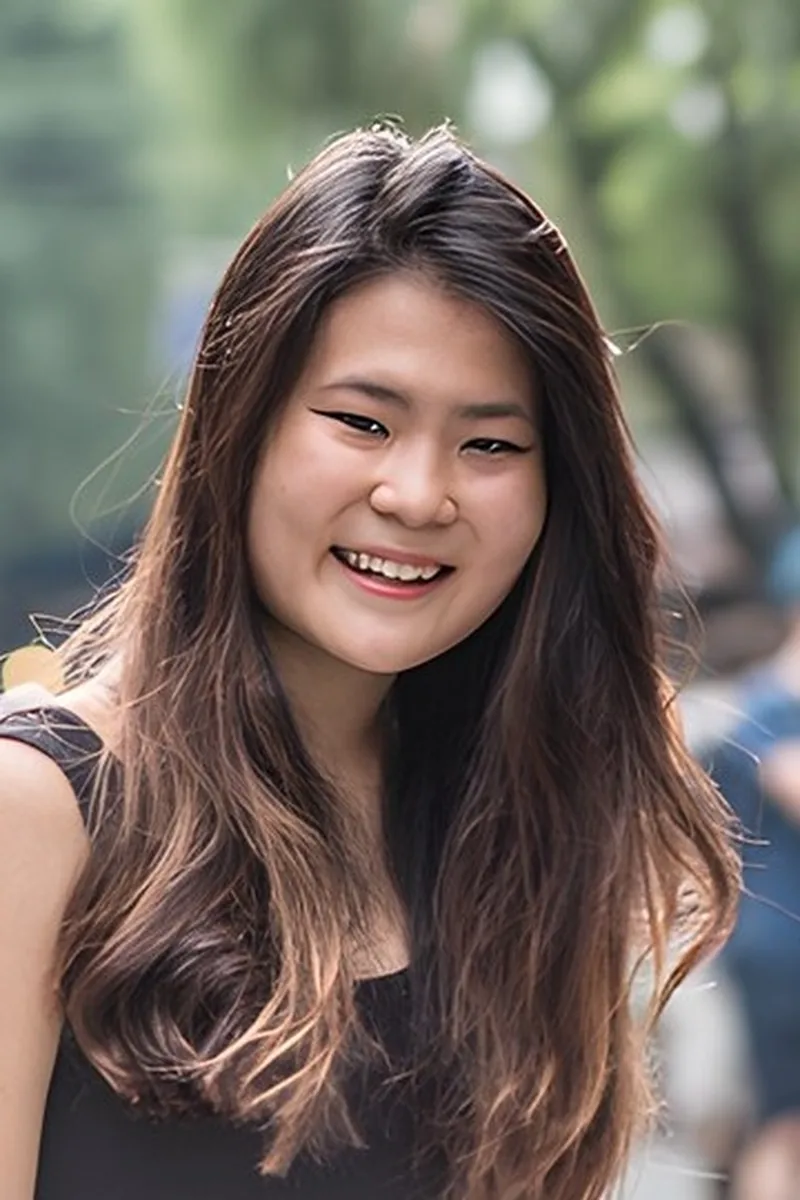
Most AP CSP students get tripped up not by the coding but by the Big Idea questions that ask them to reason about how computing affects the world — privacy, bias in algorithms, digital divide issues. Susie pairs her Duke CS coursework with a genuine interest in the humanities side of tech, which means she can coach students through both the conceptual exam material and the written responses on the Create Task without defaulting to jargon.

Studying Computer Science at UNC Chapel Hill, Jack brings hands-on programming experience in Java and C to a course where most students are writing their first real program for the Create Task. He digs into the pseudocode logic and algorithm design questions that trip up students on the multiple-choice section, connecting them back to actual coding patterns so the reasoning clicks. Rated 4.7 by students.
I am a graduate student at George Mason University studying Computer Science. I also graduated at Vanderbilt University, with Bachelors Degrees in Computer Science, Mathematics, and Philosophy. When a student does not understand a topic or concept, I believe the best way to teach it is to meet students where they are at, providing individually catered feedback, and exploring the aspects of a student's weaknesses, finding a way to explain the concept in a way that resonates with and makes sense to the student. I am most familiar with tutoring for the SAT, where I have generally increased scores by 120-300 points.
Computer engineering majors live inside the concepts AP CSP tests — binary representation, how the internet's layers talk to each other, the way abstraction turns messy problems into clean designs. Alfred studies exactly this at URI, so he can ground pseudocode questions and Create Task planning in the real engineering systems he's building in his own coursework. Rated 5.0 by students.
Alliyah codes in Python, Java, JavaScript, and C++ as part of her computational science studies at Harvard, which means she can translate AP CSP's pseudocode questions into real programming logic students actually recognize. She's especially sharp on the data representation and algorithmic thinking Big Ideas, grounding them in the kind of hands-on projects — like web development and data structures work — that make abstract exam concepts tangible.
Ronit studies computer science at Yale and knows AP CSP's curriculum from the student side — which Big Ideas actually trip people up on the multiple-choice and where the Create Task rubric quietly punishes vague written responses. He digs into the explanatory writing piece that most students underestimate, teaching how to describe an algorithm's purpose and trace through pseudocode with the precision the exam expects. Rated 5.0 by students.
Adel's PhD in mechanical engineering required extensive work in Java and computational modeling — skills that translate directly to the algorithmic thinking and pseudocode analysis at the heart of AP CSP. He unpacks topics like data representation and abstraction by tying them to engineering simulations where those concepts have real consequences. Rated 4.8 by students.
Intensely curious, I am interested in STEM subjects and the liberal arts. I tutor to help you reach your educational goals and because it's immensely gratifying to see my students succeed.
Pratik doesn't come from a traditional CS background, but his premed training at Cornell — where he regularly works with data sets, statistical models, and logical reasoning — maps directly onto the computational thinking AP CSP tests. He's especially effective at breaking down the data analysis and algorithm units, translating abstract pseudocode into the kind of step-by-step problem solving he uses in biology and chemistry every day.
Currently studying Computer Science at UCLA's Engineering School with a software engineering internship at Adobe under his belt, David knows how the abstractions taught in AP CSP — algorithms, data representation, internet protocols — actually play out in production code. He uses that industry context to make pseudocode tracing and the Create Task feel purposeful rather than academic. Rated 4.8 by students.
Having tutored everything from basic programming constructs to finite automata and computational theory, Andrew brings unusual depth to a course most students treat as surface-level. He digs into the algorithmic thinking and pseudocode reasoning behind AP CSP's exam questions, showing students how concepts like abstraction and data representation connect to the real CS pipeline he studied in his degree. Rated 5.0 by students.
Teaching discrete math at Penn means Keenan spends his weeks translating abstract computational thinking into language undergraduates actually absorb — a skill that maps directly onto AP CSP's pseudocode reasoning and algorithm analysis questions. His philosophy degree also gives him an unusual edge on the exam's societal-impact questions, where students need to construct clear written arguments about data privacy, bias in algorithms, and computing ethics. Rated 5.0 by students.
Firas's machine learning research at Princeton means he can show students what abstraction, algorithms, and data representation actually look like in practice — not just as AP exam vocabulary but as tools working scientists use daily. He's particularly sharp at teaching the pseudocode reasoning and written response skills the Create Task demands, since his PhD work required translating complex computational ideas into clear, precise language. Rated 5.0 by students.
Biomedical engineering at Cornell means Annie writes Python and MATLAB to process real research data — skills that map directly onto AP CSP's emphasis on programming, data analysis, and algorithmic thinking. She teaches the Create Task as a scaled-down version of the same design process she uses in lab: define the problem, plan the logic, build iteratively, then explain your choices clearly. Rated 4.9 by students.
Daniel writes production software for a living and is pursuing a PhD in Computer Science, which means he can show students exactly how concepts like abstraction, algorithms, and data representation play out in real codebases — not just on slides. He's particularly effective at coaching the Create Task, walking students through project planning and the written responses that separate a 3 from a 5. Rated 5.0 by students.
Testimonials
Because the right AP Computer Science Principles tutor makes all the difference.
Average Session Rating – Based on 3.4M Learner Ratings
Nearby AP Computer Science Principles Tutors
Other Greensboro Tutors
Related Technology and Coding Tutors in Greensboro
Frequently Asked Questions
Varsity Tutors matches Greensboro students with expert AP Computer Science Principles tutors for 1-on-1 instruction. We pair each student with a tutor based on their specific needs, learning style, and goals.
Whether you need homework help, exam prep, or want to get ahead, our AP Computer Science Principles tutors are ready to help.
Common challenges include gaps from earlier material, difficulty with specific concepts, and trouble applying learning to new problems. These issues can snowball quickly in AP Computer Science Principles.
A tutor identifies where you're stuck, fills in gaps, and provides targeted practice. The 1-on-1 format means you get help exactly where you need it.
Tutors work with your student's actual coursework—homework assignments, class notes, and upcoming tests. This keeps tutoring directly relevant to what's happening in the classroom.
When you share information about your student's school and curriculum, we can match you with a tutor who has relevant experience.
All tutors complete background checks, credential verification, and teaching evaluation. Many of our AP Computer Science Principles tutors hold advanced degrees or have years of teaching experience.
You can review tutor profiles to find someone with the right background for your student's level and needs.
Many students see improved grades within a few weeks, along with better understanding of AP Computer Science Principles concepts and more confidence tackling challenging material.
Tutors track progress and adjust their approach to ensure continued improvement.
Most students benefit from 1-2 sessions per week. More frequent sessions help if your student is significantly behind or has an important exam coming up.
Your tutor can recommend a schedule based on your student's specific situation and goals.
Tutoring is purchased in packages of hours, with rates varying by tutor experience. Varsity Tutors offers several options to fit different budgets and needs.
You can discuss pricing during your consultation to find what works best.
Your tutor will assess where your student is, discuss goals, and start working on priority areas. Most students bring current homework or upcoming test material to focus on.
By the end, you'll have a clear sense of how the tutor can help and a plan for moving forward.
Let’s find your perfect tutor
Answer a few quick questions. We’ll recommend the right plan and match you with a top 5% tutor.