Award-Winning Java Tutors
serving Poughkeepsie, NY
Java
Tutors in Poughkeepsie
Private 1-on-1 tutoring, weekly live classes for academic support, test prep & enrichment, practice tests and diagnostics, and more to elevate grades and test scores.
Based on 3.4M Learner Ratings
UniversitiesSchools & Universities
DeliveredHours Delivered
ProficiencyGrowth in Proficiency
Who needs tutoring?
No obligation. Takes ~1 minute.
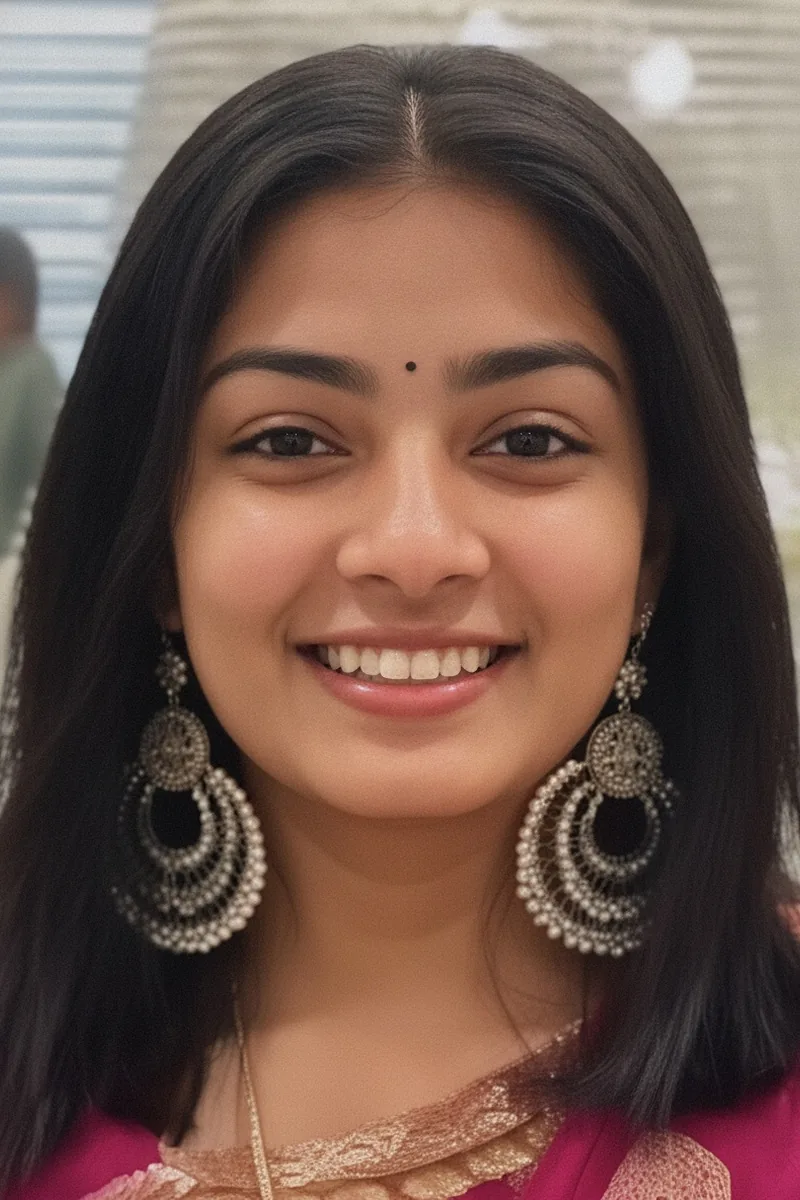
Object-oriented programming clicks faster when someone can explain why you'd use inheritance over composition, not just how to write the syntax. Sabira's computer science degree at Johns Hopkins means she teaches Java concepts like polymorphism, exception handling, and data structures with the kind of depth that carries over into coursework and technical interviews. Rated 5.0 by students.
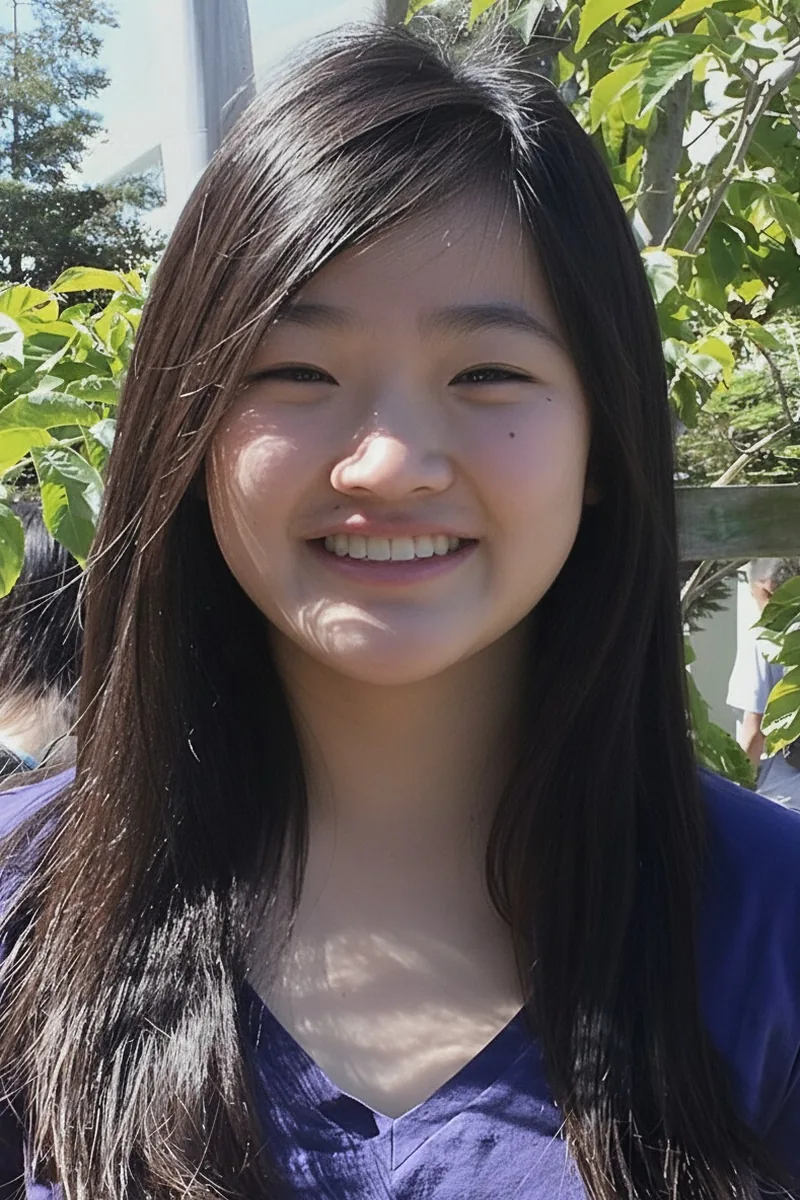
Julie's Statistics and Machine Learning certificate at Princeton means she writes Java regularly — from implementing data structures like linked lists and hash maps to building algorithmic solutions for computational problems. She breaks down object-oriented concepts like inheritance and polymorphism by connecting them to concrete examples students can trace through step by step.
Stanford's EECS program throws you into Java from day one — data structures, algorithms, systems projects — and Jai came out the other side with a 1590 SAT and a management consulting career that still leans on structured, logical thinking. He's especially useful for students wrestling with how to architect a program from scratch: deciding which classes to create, how methods should communicate, and why your code compiles but doesn't do what you expected.
Object-oriented thinking in Java — inheritance hierarchies, polymorphism, interface design — clicks faster when someone explains the *why* behind each pattern, not just the syntax. Anna's extensive computer science background means she can unpack concepts like exception handling and data structures in a way that builds real programming intuition. Her 5.0 rating speaks to how well that approach lands with students.
As a computer science major at Stony Brook, Kiran has written Java extensively — from object-oriented design patterns to data structures like linked lists, trees, and hash maps. He digs into how the JVM actually handles memory and inheritance so students understand why their code behaves the way it does, not just how to get it to compile.
Object-oriented programming clicks once you understand how classes, inheritance, and polymorphism actually relate to each other — and Winton breaks those connections down clearly. As a computer science student at Stanford, he writes Java regularly and can walk through everything from basic data structures to recursion and sorting algorithms.
Object-oriented programming clicks once you stop memorizing syntax and start understanding why classes, inheritance, and polymorphism exist in the first place. Ryan teaches Java by building small projects that make abstract concepts tangible — writing a linked list from scratch, for instance, or designing a simple game loop that uses interfaces. His CS coursework at Cornell keeps him current with the language features and design patterns students encounter in both AP and college-level courses.
Java's object-oriented structure trips up a lot of beginners — inheritance hierarchies, interface contracts, and the difference between passing by value versus passing a reference can feel abstract without the right examples. Nicholas earned his CS degree at Penn State writing Java extensively, and he teaches these concepts by building small, working programs alongside students so each idea has something tangible behind it.
Studying both chemical engineering and computer science at Cornell means Jonathan writes Java to solve engineering problems — think numerical simulations, data processing scripts, and algorithm-heavy coursework where clean code actually matters. That dual perspective makes him especially effective at teaching control flow, method design, and debugging to students who need more than just syntax drills.
Object-oriented thinking — classes, inheritance, polymorphism — clicks faster when someone can explain *why* Java is designed that way, not just how to write the syntax. Cody's computer science minor at Penn included hands-on Java coursework, and his cognitive science background gives him a useful lens on how beginners form mental models of code execution. He walks through debugging and logic errors step by step so students learn to trace their own programs.
Object-oriented thinking is where most Java students stall — inheritance hierarchies make sense on a slide but fall apart when you're actually designing classes. John's computer science degree and professional coding background mean he teaches Java through building real programs, debugging in real time, and explaining why design choices matter.
Object-oriented programming clicks once you stop thinking of classes as abstract definitions and start seeing them as blueprints you can actually build with. Eric's CS coursework at Cornell means he's deep in Java regularly — inheritance hierarchies, interface design, data structures like linked lists and hash maps — and he explains the logic behind each concept rather than just walking through syntax.
Katie's computer science minor at Cornell means she writes Java regularly, from object-oriented design and data structures to debugging multi-class programs. She breaks down concepts like inheritance, recursion, and array manipulation by tracing through code line by line so students can see exactly what's happening in memory at each step.
As a computer science major at UCLA who interned as a software engineer at Adobe, David writes Java professionally — not just academically. He digs into object-oriented design, data structures like linked lists and hash maps, and debugging strategies that teach students to think through code logically instead of just compiling and hoping for the best.
Object-oriented programming clicks once a student sees classes and methods as tools for organizing real problems, not just abstract syntax rules. Roberto teaches Java by building projects incrementally — starting with basic control flow and working up through inheritance, polymorphism, and data structures like ArrayLists and HashMaps. His CS coursework at Cornell keeps him sharp on the exact concepts that trip up newer programmers.
As a tutor for Dartmouth's Tutor Clearinghouse in computer science, William has walked dozens of students through Java concepts like object-oriented design, inheritance hierarchies, and debugging recursive methods. He emphasizes reading stack traces carefully and building programs incrementally rather than writing everything at once.
Object-oriented programming makes more sense when someone can explain why you'd use inheritance over composition, not just how to write the syntax. Andrew's CS degree from Stony Brook means he teaches Java concepts like polymorphism, exception handling, and data structures with the underlying logic that makes code decisions intentional. He also covers debugging strategies that save students hours of staring at stack traces.
Graduate-level research in biophysical chemistry involves significant computational work, from data analysis scripts to simulation tools. Wesley applies that programming experience to Java fundamentals like object-oriented design, inheritance hierarchies, and debugging logic errors — walking students through how to think about code structure before writing a single line.
Susanna learned Java through UC Berkeley's rigorous CS curriculum and uses it alongside her physics and engineering coursework for simulations and data analysis. She breaks down object-oriented concepts like inheritance, polymorphism, and interface design by tying them to tangible projects rather than abstract definitions. Students walk away understanding not just syntax but how to think through program architecture from scratch.
As a computer science major at SUNY Binghamton, Aiden writes Java regularly for coursework and projects. He digs into object-oriented fundamentals — inheritance hierarchies, interface design, exception handling — and walks students through building programs from scratch so they understand not just syntax but why the language is structured the way it is.
Debugging a NullPointerException or untangling inheritance hierarchies makes a lot more sense when someone walks you through the logic step by step. Sean pairs his NYU computer science coursework with a methodical, accounting-trained mindset — breaking down object-oriented concepts like polymorphism, interfaces, and data structures into clear, digestible pieces. Rated 5.0 by students.
Abhi earned his B.S. in Computer Science from Vanderbilt and digs into Java at the level where it clicks: object-oriented design principles, data structures like linked lists and binary trees, and debugging strategies that teach students to read error messages instead of fearing them. He walks through problems by writing code live, explaining each decision as it happens rather than presenting polished solutions after the fact.
I'm a professional software engineer at a top tech company in New York City. I have a strong passion for software development, most notably in the areas of full-stack web development, iOS development, Artificial intelligence, large scale distributed systems, and micro services.
As a computer science student at Columbia actively building web and Android projects, Brian writes Java regularly and understands it from the inside out. He digs into object-oriented fundamentals — inheritance, polymorphism, encapsulation — by having students build small working programs rather than just reading about abstract concepts.
Having served as a TA for courses ranging from Introduction to Computation in Python to Automata and Formal Languages, Deeptha knows exactly where students stumble when translating programming logic from one language into Java's object-oriented structure. She teaches concepts like class hierarchies, exception handling, and interface implementation by building on the computational thinking students already have — making Java's verbosity feel purposeful rather than overwhelming. Her CS master's from UAB keeps her fluent in both the theory and the hands-on debugging that Java demands.
Laura's computer science minor at Georgia Tech included substantial Java coursework, so she's comfortable walking through object-oriented fundamentals like inheritance, polymorphism, and interface design. She emphasizes writing clean, readable code and debugging methodically — tracing through logic step by step rather than guessing at fixes.
Kyle's CS degree and deep experience across multiple programming languages give him a sharp perspective on what trips students up in Java specifically — from object-oriented fundamentals like inheritance and polymorphism to the nuances of memory management and exception handling. He walks through each concept by building real programs, so abstract ideas like interfaces and generics become concrete. Rated 5.0 by students.
Object-oriented thinking clicks faster when you build something real with it. Nihar walks students through Java fundamentals — classes, inheritance, polymorphism, exception handling — by tying each concept to working code rather than abstract diagrams. His programming background spans multiple languages, so he can explain why Java makes certain design choices that other languages don't.
Object-oriented thinking is where most beginners stall in Java — classes, inheritance, and polymorphism feel abstract until someone walks you through building something concrete with them. Alexander teaches these concepts alongside practical skills like debugging, writing clean methods, and understanding how data structures like ArrayLists and HashMaps actually work under the hood.
Java's object-oriented structure — inheritance, polymorphism, encapsulation — can feel abstract until someone shows you how each piece actually behaves in memory. Shlomo teaches these concepts by building small programs alongside students so the logic clicks before the syntax becomes overwhelming. His approach turns debugging from a frustrating guessing game into a systematic process.
Java's object-oriented structure clicks faster when someone explains why classes, inheritance, and polymorphism are designed the way they are — not just how to use them. Kirollos, a computer science major at NYU, digs into the reasoning behind design patterns so students can debug confidently and write cleaner code on their own. Rated 4.9 by students.
Object-oriented programming clicks once you stop thinking about syntax and start thinking about design — how classes inherit behavior, why interfaces enforce contracts, how polymorphism keeps code flexible. Niles earned his CS degree at Lafayette and teaches Java by building real projects that make these abstractions concrete.
Operations Research at Columbia means writing code that solves real optimization problems, and Java is one of Zhenyi's primary tools. She teaches object-oriented fundamentals — classes, inheritance, loops, arrays — by building small projects that show students why each concept matters before moving to the next.
Debugging a NullPointerException at 2 a.m. teaches you things a textbook can't — and as a CS major at NYU, Abrar has been through that cycle enough to know exactly where beginners get tripped up in Java. He breaks down object-oriented concepts like inheritance, polymorphism, and interface design into small, buildable pieces that students can actually retain.
I am a student at Yale University studying Computer Science and Mathematics. I am passionate about teaching, technology, and social good. I have many years of experience tutoring. I have provided homework help in Math, English, Science, History, and Computer Science to students in grades K-12. I have helped students prepare for standardized tests, including State Tests, SHSAT, SAT, SAT Subject Tests, ACT, and AP Tests. I am excited to tutor more students in a wide range of subjects!
I'm a Ph.D. candidate in the Computer Science department at Stony Brook University. I have got strong background and substantial teaching experience in Computer Science and Mathematics. Right now I'm interested in tutoring Maths and Computer Science for high school students, college, and university students.
I am a senior at New York University studying Finance, Statistics, and Computer Science. I have been tutoring for almost five years at the high school and test prep level and I love the mentoring experience! I believe whole-heartedly in a multi-faceted approach to learning and strive for depth of practice as well as breadth of knowledge. I am well trained in all of the subjects I have listed on my profile, whether through tutoring experience or academic and professional exploration. High school sciences have been a strength of mine since taking the AP exams in high school. Through tutoring, I have kept up to date with changes in the exam and curriculum. My proudest moment was when one of my Honors Chemistry students achieved a 13 point increase in grading from the first quarter of the school year - from 83 to 96. Through my professional and undergraduate education, I am intensely familiar with finance, accounting, comp science, and economics.
I am currently working towards a bachelors of engineering degree in electrical engineering at Stony Brook University. Last year, I finished my Eagle rank in Boy Scouts and graduated from Tenafly High School. After attending Stony Brook University as an Undergrad, I hope to attend graduate school and then go into the engineering R&D field.
Brian learned Java as part of his Computer Science curriculum at Caltech, where coursework emphasized not just syntax but algorithmic thinking — data structures, object-oriented design, and writing code that scales. He breaks down concepts like inheritance, polymorphism, and exception handling by tying them to real programming problems rather than abstract definitions.
As a computer science student at Vanderbilt, Christian writes Java regularly for coursework and projects, from object-oriented design patterns to data structures like linked lists, trees, and hash maps. He explains not just syntax but the reasoning behind design decisions — why you'd choose an ArrayList over a LinkedList, or when inheritance makes more sense than composition.
Testimonials
Because the right Java tutor makes all the difference.
Average Session Rating – Based on 3.4M Learner Ratings
Other Poughkeepsie Tutors
Related Technology and Coding Tutors in Poughkeepsie
Frequently Asked Questions
Varsity Tutors matches Poughkeepsie students with expert Java tutors for 1-on-1 instruction. We pair each student with a tutor based on their specific needs, learning style, and goals.
Whether you need homework help, exam prep, or want to get ahead, our Java tutors are ready to help.
Common challenges include gaps from earlier material, difficulty with specific concepts, and trouble applying learning to new problems. These issues can snowball quickly in Java.
A tutor identifies where you're stuck, fills in gaps, and provides targeted practice. The 1-on-1 format means you get help exactly where you need it.
Tutors work with your student's actual coursework—homework assignments, class notes, and upcoming tests. This keeps tutoring directly relevant to what's happening in the classroom.
When you share information about your student's school and curriculum, we can match you with a tutor who has relevant experience.
All tutors complete background checks, credential verification, and teaching evaluation. Many of our Java tutors hold advanced degrees or have years of teaching experience.
You can review tutor profiles to find someone with the right background for your student's level and needs.
Many students see improved grades within a few weeks, along with better understanding of Java concepts and more confidence tackling challenging material.
Tutors track progress and adjust their approach to ensure continued improvement.
Most students benefit from 1-2 sessions per week. More frequent sessions help if your student is significantly behind or has an important exam coming up.
Your tutor can recommend a schedule based on your student's specific situation and goals.
Tutoring is purchased in packages of hours, with rates varying by tutor experience. Varsity Tutors offers several options to fit different budgets and needs.
You can discuss pricing during your consultation to find what works best.
Your tutor will assess where your student is, discuss goals, and start working on priority areas. Most students bring current homework or upcoming test material to focus on.
By the end, you'll have a clear sense of how the tutor can help and a plan for moving forward.
Let’s find your perfect tutor
Answer a few quick questions. We’ll recommend the right plan and match you with a top 5% tutor.