Award-Winning French Tutors
serving Kalamazoo, MI
French
Tutors in Kalamazoo
Private 1-on-1 tutoring, weekly live classes for academic support, test prep & enrichment, practice tests and diagnostics, and more to elevate grades and test scores.
Based on 3.4M Learner Ratings
UniversitiesSchools & Universities
DeliveredHours Delivered
ProficiencyGrowth in Proficiency
Who needs tutoring?
No obligation. Takes ~1 minute.
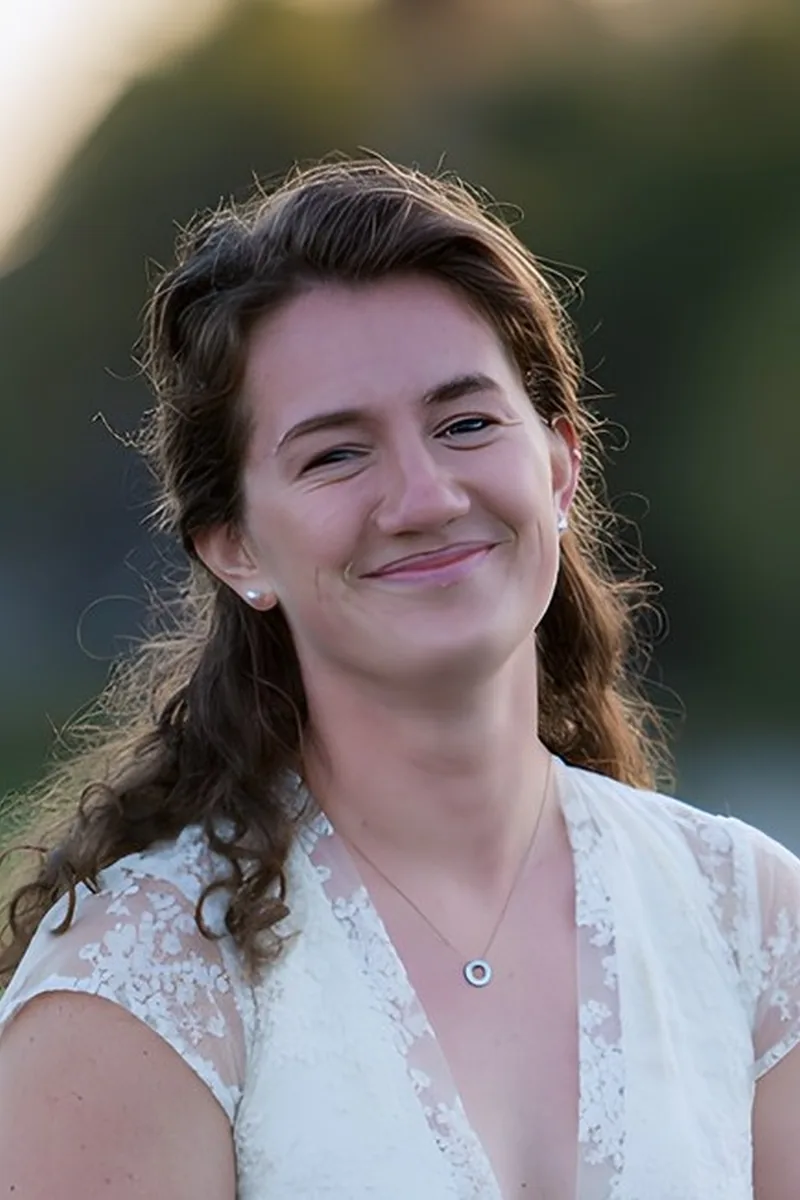
Skyler's language-learning background extends beyond her Russian specialization — she has studied French formally and brings a linguist's eye to verb conjugation patterns, pronoun usage, and the grammatical structures that trip up English speakers. Her approach connects French grammar to the logic behind it, so rules like the subjunctive mood or passé composé vs. imparfait distinction actually make sense rather than feeling arbitrary.
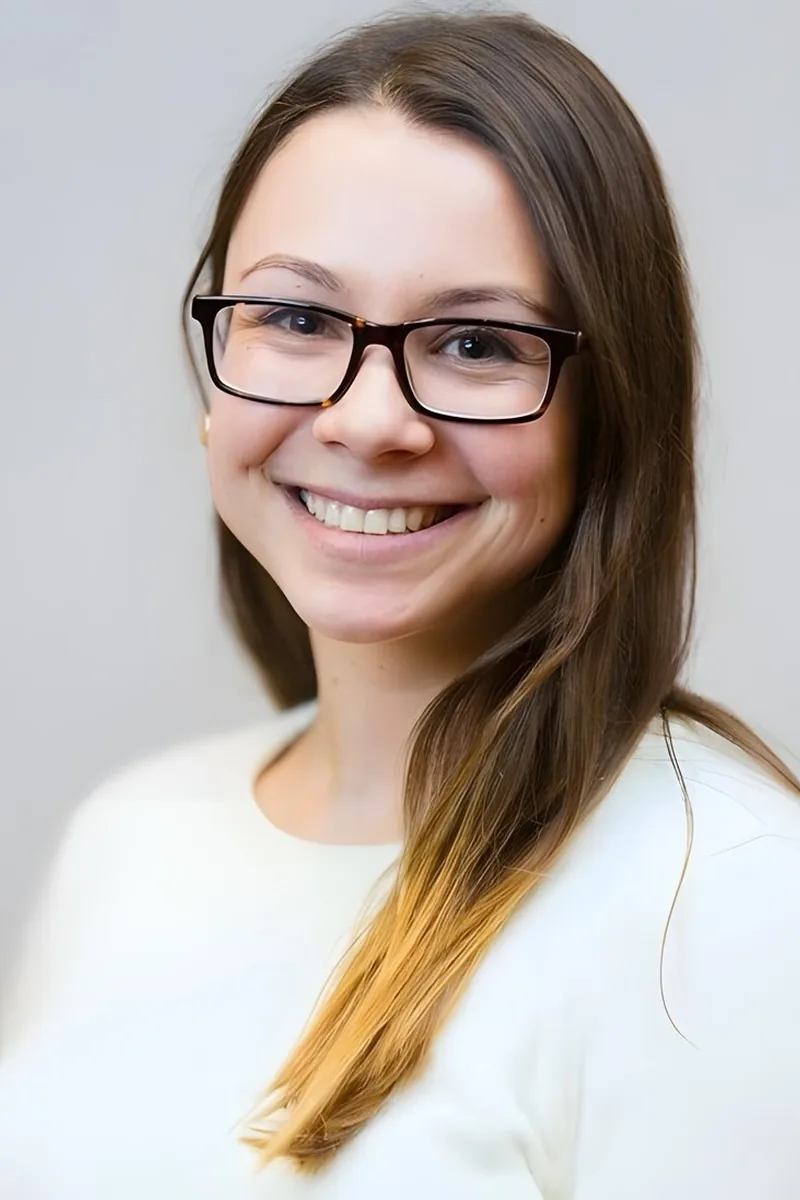
Learning French well means internalizing patterns — when to use the subjunctive, how object pronouns rearrange in compound tenses, why certain prepositions follow certain verbs. Martha treats these not as arbitrary rules but as a system students can reason through, drawing on her background in psychology to understand how learners actually acquire and retain new structures. She's taught French from introductory through advanced levels and holds a 5.0 client rating.
Speaking Italian at home, teaching Spanish and German professionally, and holding a linguistics degree means Nicole understands how Romance and Germanic language families overlap — and she uses those connections to make French grammar feel less foreign to English speakers. She's especially effective at unpacking tricky patterns like gendered articles and verb conjugation by drawing parallels to languages a student may already know. Rated 4.9 by students.
Griffin's French goes well beyond the classroom — he's spent significant time in France and brings that lived experience into lessons on pronunciation, conversational flow, and cultural context. Whether a student is wrestling with the subjunctive or trying to hold a basic conversation about daily life, he makes the language feel practical rather than abstract.
Learning French grammar is one thing; understanding why certain structures exist is what makes the language click. Arianna teaches verb conjugation patterns, pronoun placement, and gendered agreement by connecting them to real sentences and contexts rather than isolated drills. Her background at Dartmouth, where language study is woven into the liberal arts curriculum, shaped her approach to building genuine reading and speaking confidence.
I am a full-time Master's student, and I enjoy Harry Potter, Doctor Who, and the Chilling Adventures of Sabrina.
Learning French means internalizing patterns — when to use the subjunctive, why certain prepositions pair with certain verbs, how gendered agreement actually works in practice. QueLan approaches grammar as a system of logic rather than a list of rules, connecting each concept to real usage so it sticks. Her background spans every level from beginner to advanced, so she calibrates explanations to exactly what a student is ready for.
Earning a full Bachelor of Arts in French means Julie didn't just study the language — she read, wrote, and argued in it at an advanced academic level. She digs into verb tenses, subjunctive triggers, and pronoun placement with the kind of precision that moves students past intermediate plateaus. Whether the goal is conversational fluency or mastering written grammar, her dual-degree background keeps lessons grounded in how French is actually used.
Chelsey studied French through two levels of coursework and brings a structured, analytical approach to the language — breaking down verb conjugations, grammatical gender, and sentence construction so patterns become intuitive. Her background in literature also means she can connect French language learning to cultural context, from reading short texts to understanding idiomatic expressions.
Margot's French studies span grammar, reading comprehension, and cultural context — from mastering passé composé versus imparfait to navigating authentic French texts. She connects language rules to real usage patterns so that conjugation tables start making intuitive sense rather than feeling like rote memorization.
Lauren earned her bachelor's degree in French, which means she doesn't just teach grammar rules — she understands the language from the inside, including the irregular verb patterns, gendered agreement quirks, and subjunctive triggers that textbooks often gloss over. Whether a student is wrestling with passé composé versus imparfait or building reading comprehension, she can explain the why behind the rule.
As a native French speaker, Alina doesn't just teach grammar rules — she explains the cultural logic behind them, like why the French subjunctive appears in contexts that seem random until you understand the underlying attitude toward certainty and doubt. Students pick up pronunciation, liaison patterns, and idiomatic phrasing from someone who grew up using them daily.
Manolya teaches French across multiple levels — from verb conjugation patterns and gendered noun agreement through advanced reading comprehension and composition. Her depth in the language spans AP-level coursework and standardized French exams, giving her a clear sense of what trips students up at each stage. Rated 5.0 by students.
Learning French through all four levels gives Ariel a clear map of where students typically stall — whether it's gendered articles in the first year, passé composé versus imparfait in the second, or the subjunctive later on. She teaches grammar as a set of logical patterns rather than arbitrary rules, which makes conjugation and sentence structure feel less like guesswork.
Learning French through all four levels takes sustained momentum, and Ivanna keeps students progressing by linking new grammar — passé composé versus imparfait, relative pronouns, conditional constructions — back to patterns they already know. Her own experience as a multilingual learner gives her sharp instincts for where English speakers tend to stumble in French.
While French isn't Asta's primary language specialty, her background in language instruction — including ESL/ELL and Mandarin — means she understands how grammar systems work across languages and how to make verb conjugations and gendered nouns click for English speakers. She brings a structured, analytical approach to building reading and writing skills in French.
Jenna teaches French across all four levels, from foundational verb conjugations and gender agreement through advanced reading comprehension and composition. Her background in political science means she often draws on French-language news and political texts to make grammar and vocabulary feel purposeful rather than abstract.
Sara is minoring in French at Washington University in St. Louis and has studied the language through the advanced level, giving her a deep understanding of verb conjugation patterns, gendered grammar, and the subtleties of written French. She teaches grammar not as a set of disconnected rules but as a system that becomes intuitive with the right practice. Rated 4.7 by students, she covers everything from foundational vocabulary to complex literary and conversational registers.
Living in France for a year and tutoring in Dartmouth's French department gave Ben a feel for the language that goes well beyond verb charts. He unpacks tricky grammar concepts like the subjunctive and object pronoun placement by connecting them to real spoken patterns, making the rules intuitive rather than arbitrary. Rated 5.0 by students.
Testimonials
Because the right French tutor makes all the difference.
Average Session Rating – Based on 3.4M Learner Ratings
Other Kalamazoo Tutors
Related Languages Tutors in Kalamazoo
Frequently Asked Questions
Varsity Tutors matches Kalamazoo students with expert French tutors for 1-on-1 instruction. We pair each student with a tutor based on their specific needs, learning style, and goals.
Whether you need homework help, exam prep, or want to get ahead, our French tutors are ready to help.
Common challenges include gaps from earlier material, difficulty with specific concepts, and trouble applying learning to new problems. These issues can snowball quickly in French.
A tutor identifies where you're stuck, fills in gaps, and provides targeted practice. The 1-on-1 format means you get help exactly where you need it.
Tutors work with your student's actual coursework—homework assignments, class notes, and upcoming tests. This keeps tutoring directly relevant to what's happening in the classroom.
When you share information about your student's school and curriculum, we can match you with a tutor who has relevant experience.
All tutors complete background checks, credential verification, and teaching evaluation. Many of our French tutors hold advanced degrees or have years of teaching experience.
You can review tutor profiles to find someone with the right background for your student's level and needs.
Many students see improved grades within a few weeks, along with better understanding of French concepts and more confidence tackling challenging material.
Tutors track progress and adjust their approach to ensure continued improvement.
Most students benefit from 1-2 sessions per week. More frequent sessions help if your student is significantly behind or has an important exam coming up.
Your tutor can recommend a schedule based on your student's specific situation and goals.
Tutoring is purchased in packages of hours, with rates varying by tutor experience. Varsity Tutors offers several options to fit different budgets and needs.
You can discuss pricing during your consultation to find what works best.
Your tutor will assess where your student is, discuss goals, and start working on priority areas. Most students bring current homework or upcoming test material to focus on.
By the end, you'll have a clear sense of how the tutor can help and a plan for moving forward.
Let’s find your perfect tutor
Answer a few quick questions. We’ll recommend the right plan and match you with a top 5% tutor.