Award-Winning French Tutors
serving Grand Rapids, MI
French
Tutors in Grand Rapids
Private 1-on-1 tutoring, weekly live classes for academic support, test prep & enrichment, practice tests and diagnostics, and more to elevate grades and test scores.
Based on 3.4M Learner Ratings
UniversitiesSchools & Universities
DeliveredHours Delivered
ProficiencyGrowth in Proficiency
Who needs tutoring?
No obligation. Takes ~1 minute.
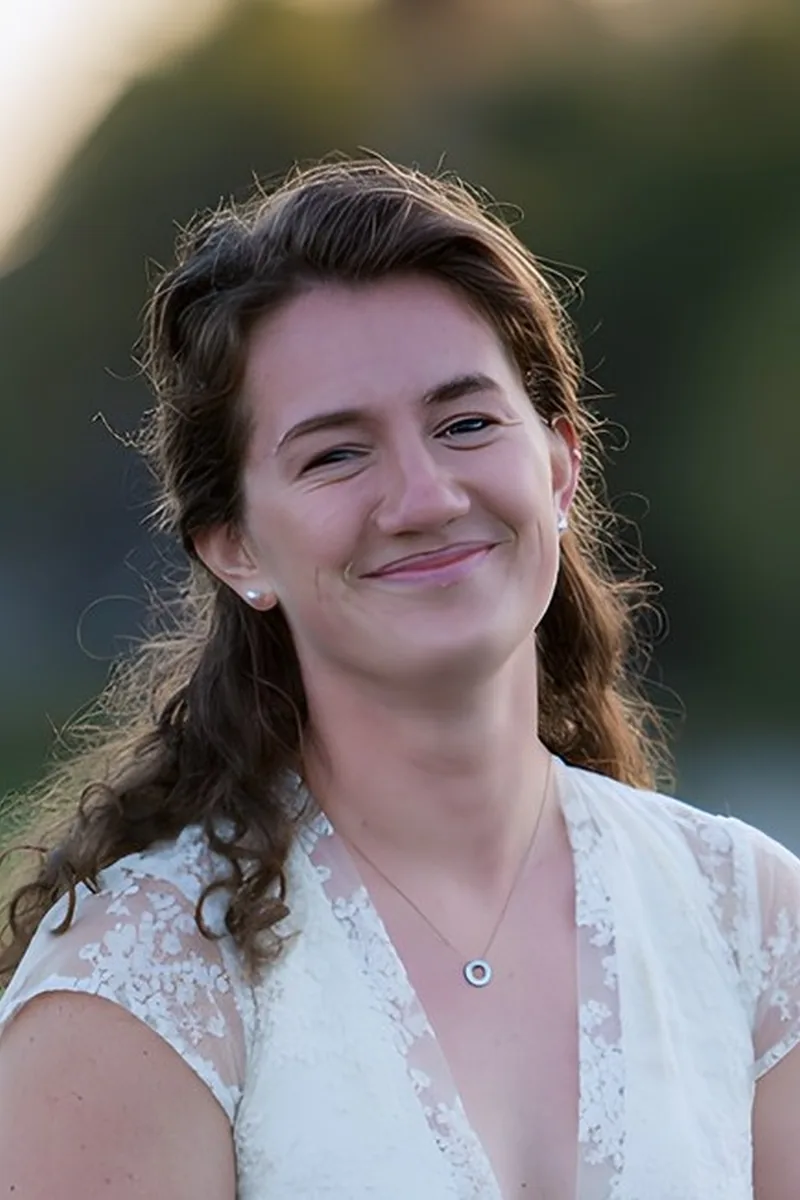
Skyler's language-learning background extends beyond her Russian specialization — she has studied French formally and brings a linguist's eye to verb conjugation patterns, pronoun usage, and the grammatical structures that trip up English speakers. Her approach connects French grammar to the logic behind it, so rules like the subjunctive mood or passé composé vs. imparfait distinction actually make sense rather than feeling arbitrary.
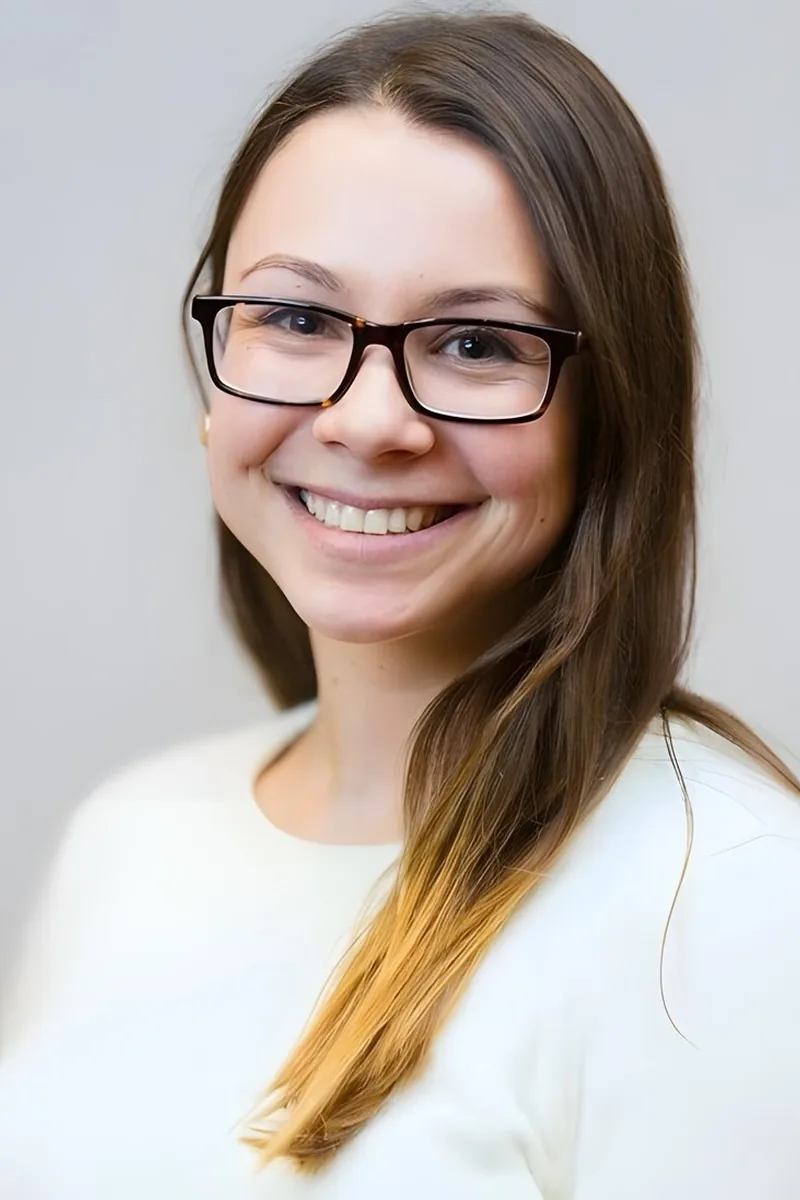
Learning French well means internalizing patterns — when to use the subjunctive, how object pronouns rearrange in compound tenses, why certain prepositions follow certain verbs. Martha treats these not as arbitrary rules but as a system students can reason through, drawing on her background in psychology to understand how learners actually acquire and retain new structures. She's taught French from introductory through advanced levels and holds a 5.0 client rating.
Speaking Italian at home, teaching Spanish and German professionally, and holding a linguistics degree means Nicole understands how Romance and Germanic language families overlap — and she uses those connections to make French grammar feel less foreign to English speakers. She's especially effective at unpacking tricky patterns like gendered articles and verb conjugation by drawing parallels to languages a student may already know. Rated 4.9 by students.
Griffin's French goes well beyond the classroom — he's spent significant time in France and brings that lived experience into lessons on pronunciation, conversational flow, and cultural context. Whether a student is wrestling with the subjunctive or trying to hold a basic conversation about daily life, he makes the language feel practical rather than abstract.
Learning French grammar is one thing; understanding why certain structures exist is what makes the language click. Arianna teaches verb conjugation patterns, pronoun placement, and gendered agreement by connecting them to real sentences and contexts rather than isolated drills. Her background at Dartmouth, where language study is woven into the liberal arts curriculum, shaped her approach to building genuine reading and speaking confidence.
I am a full-time Master's student, and I enjoy Harry Potter, Doctor Who, and the Chilling Adventures of Sabrina.
Learning French means internalizing patterns — when to use the subjunctive, why certain prepositions pair with certain verbs, how gendered agreement actually works in practice. QueLan approaches grammar as a system of logic rather than a list of rules, connecting each concept to real usage so it sticks. Her background spans every level from beginner to advanced, so she calibrates explanations to exactly what a student is ready for.
Laura studied French through the third-year level and approaches the language with the same analytical rigor she applies to her other subjects. She unpacks grammar concepts like the subjunctive and object pronoun placement by connecting them to patterns students already recognize, making conjugation tables and agreement rules feel less arbitrary.
Ashley has studied French through the advanced level and maintained her fluency alongside a demanding engineering career. She tackles tricky grammar concepts like the subjunctive mood and compound tenses with the same structured, logical approach she applies to engineering problems — breaking rules into patterns students can internalize rather than just memorize.
Having studied French through the advanced level, Jackie tackles everything from verb conjugation patterns and pronoun placement to reading comprehension in the target language. She connects grammar rules to practical usage so that concepts like the subjunctive mood or passé composé vs. imparfait distinction actually make sense instead of feeling like arbitrary rules to memorize.
Eleven years of French study and time living abroad in a Francophone country turned Abby into a self-described French grammar geek — the kind of tutor who can explain the subjunctive mood or the nuances of passé composé vs. imparfait with genuine enthusiasm. She tackles everything from verb conjugation drills to advanced reading comprehension. Her deep comfort with the language means she can adapt quickly whether a student is struggling with basics or preparing for the SAT Subject Test.
Learning a second Romance language becomes much easier when someone can show you the patterns connecting it to one you already know. Geraldine, who is fluent in Spanish and studied French, draws on those shared Latin roots to demystify French grammar — explaining why subjunctive triggers or gendered nouns work the way they do. She emphasizes pronunciation and listening comprehension alongside written exercises.
Four levels of French coursework gave Alessia a thorough command of everything from partitive articles to the plus-que-parfait. She teaches grammar as a system rather than a set of isolated rules, so students start recognizing patterns — like how object pronoun order works — instead of memorizing charts. Her 5.0 rating speaks to the clarity she brings to the language.
Sarah's French isn't classroom-only; she actively reads, writes, and communicates in the language for her doctoral research on West African music. That practical fluency means she can teach grammar concepts like the subjunctive or object pronoun placement in context, connecting rules to how French actually sounds and functions in conversation and writing.
Living in France for a year and tutoring in Dartmouth's French department gave Ben a feel for the language that goes well beyond verb charts. He unpacks tricky grammar concepts like the subjunctive and object pronoun placement by connecting them to real spoken patterns, making the rules intuitive rather than arbitrary. Rated 5.0 by students.
Learning French means internalizing a new system of verb conjugations, gendered nouns, and sentence structures that don't map neatly onto English. Johann teaches French from beginner through advanced levels and uses his background in theatre to make pronunciation and spoken delivery feel natural rather than forced. His students build real reading and speaking ability, not just flashcard knowledge.
Few tutors can move comfortably between French grammar drills and open-ended conversation, but Olivia has taught French at multiple levels and lists it as one of her favorite subjects. She digs into the mechanics that make French click — verb conjugation patterns, gendered agreement, and the partitive articles that English speakers consistently misuse. Her engineering background also means she brings a systematic, logical approach to what can feel like an overwhelming amount of rules.
Most French tutors learned the language; Nicholas studied how it works at the graduate level, earning a master's in French Linguistics and Pedagogy. That means he can explain why certain verb conjugations follow the patterns they do, how pronoun placement shifts in complex sentences, and what makes French syntax feel intuitive rather than arbitrary.
While French isn't Cindy's primary language specialty, her experience learning and teaching multiple languages gives her a structured approach to grammar, verb conjugation, and vocabulary acquisition. She's especially effective at showing students how to decode reading passages and write clear, grammatically sound compositions.
Testimonials
Because the right French tutor makes all the difference.
Average Session Rating – Based on 3.4M Learner Ratings
Other Grand Rapids Tutors
Related Languages Tutors in Grand Rapids
Frequently Asked Questions
Speaking is one of the hardest skills to develop in a classroom setting, where students often have limited time to practice conversationally. Personalized 1-on-1 French tutoring provides dedicated conversation practice tailored to your level—from basic greetings and everyday dialogue to complex discussions about culture, literature, or professional topics. A tutor can correct your pronunciation and accent in real-time, help you think through responses naturally, and build the confidence you need to speak fluently without translating in your head.
French verb conjugation is notoriously complex—there are multiple tenses (present, passé composé, imparfait, futur, subjunctive) with different rules for regular and irregular verbs. Rather than memorizing conjugation tables, expert tutors teach you the patterns and logic behind verb forms, then build your fluency through repeated, contextual practice. This approach helps you use conjugations naturally in conversation and writing instead of freezing up when you encounter an unfamiliar tense.
Vocabulary sticks when you encounter words in meaningful contexts and use them repeatedly—not through isolated flashcard drills. Tutors use spaced repetition, contextual conversation, and thematic lessons to help you build vocabulary that actually stays with you. They can also tailor lessons to vocabulary you'll actually use, whether that's academic French for AP exams, professional French for career goals, or conversational French for travel and cultural connection.
Reading and writing require different skills than speaking—you need to understand grammar structures, recognize vocabulary in context, and construct grammatically correct sentences. Tutors work with you on authentic texts (news articles, literature, social media) to build reading fluency, and provide guided writing practice with real-time feedback on grammar, syntax, and style. This balanced approach ensures you develop all four language skills, not just conversation.
Absolutely. Language and culture are inseparable—understanding French culture helps you grasp idioms, humor, and communication styles that textbooks don't teach. Many tutors incorporate films, music, literature, current events, and cultural discussions into lessons to give you context and motivation. This immersion-style approach makes learning more engaging and helps you understand not just how to speak French, but why French speakers communicate the way they do.
Your first session is an assessment and planning conversation. A tutor will evaluate your current level (listening, speaking, reading, writing), understand your goals (passing AP French, preparing for a trip, improving classroom performance), and learn about your learning style. From there, they'll create a personalized plan that targets your biggest challenges—whether that's accent reduction, grammar mastery, or building conversational confidence—and set realistic milestones.
AP French exams test all four skills under timed conditions, and exam-focused tutoring addresses each section strategically. Tutors help you master the vocabulary and grammar tested, practice the speaking and writing sections with authentic prompts, build speed in reading comprehension, and develop test-taking strategies. With personalized instruction, you can focus on your weakest areas instead of reviewing material you already know.
Look for tutors with native or near-native fluency, teaching experience, and expertise in the specific areas you need—whether that's conversational French, grammar, test prep, or cultural immersion. Ideally, they should have experience working with students in Grand Rapids schools and understand local curriculum standards. When you connect with Varsity Tutors, we match you with an expert tutor whose background and teaching style fit your goals.
Let’s find your perfect tutor
Answer a few quick questions. We’ll recommend the right plan and match you with a top 5% tutor.