Award-Winning Writing Tutors
serving Shreveport, LA
Writing
Tutors in Shreveport
Private 1-on-1 tutoring, weekly live classes for academic support, test prep & enrichment, practice tests and diagnostics, and more to elevate grades and test scores.
Based on 3.4M Learner Ratings
UniversitiesSchools & Universities
DeliveredHours Delivered
ProficiencyGrowth in Proficiency
Who needs tutoring?
No obligation. Takes ~1 minute.
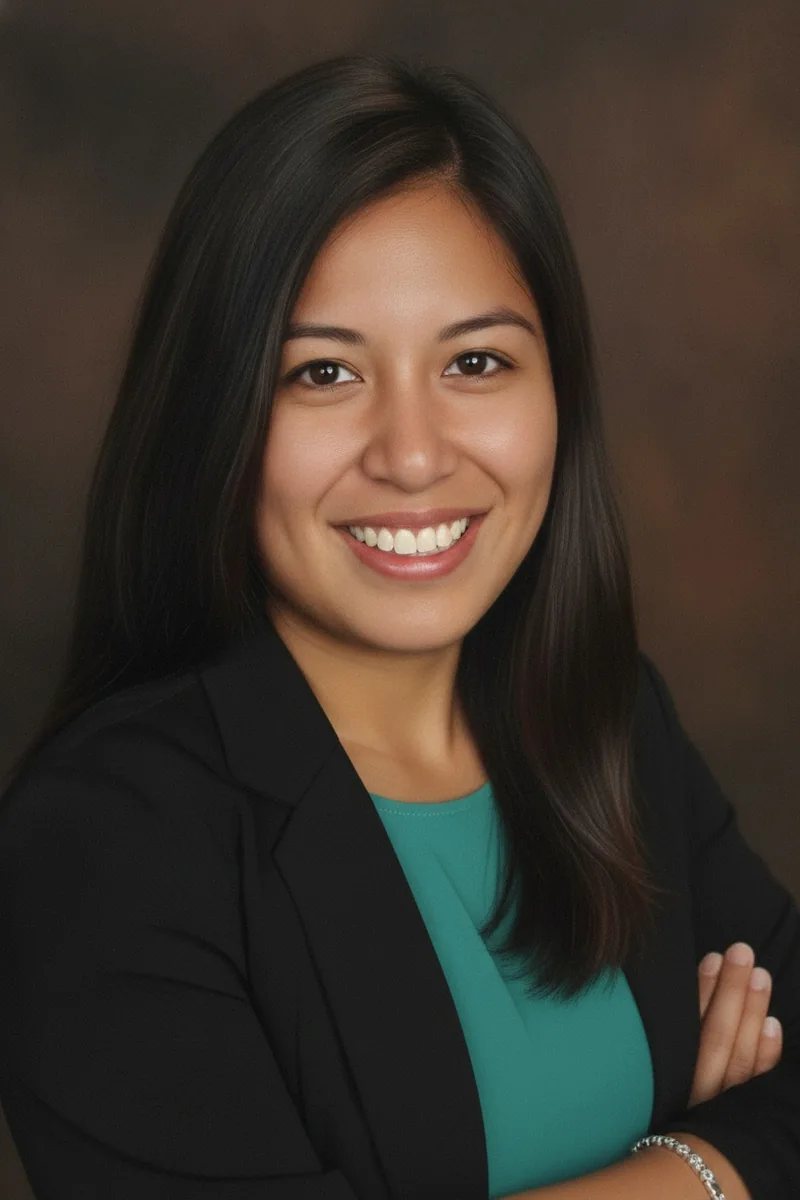
Strong writing is really about clear thinking, and Robin's scientific training sharpened both. She teaches students to build arguments from evidence, organize ideas with intentional paragraph structure, and revise for concision — skills that transfer whether someone is writing a personal narrative, a research paper, or a lab report.

Strong writing starts with a clear argument, not a five-paragraph formula. Daniel teaches students to build essays from a genuine thesis outward — choosing evidence, structuring body paragraphs around distinct claims, and writing introductions last so they actually reflect the paper's direction. His approach emphasizes revision as a thinking tool, where rewriting a paragraph often clarifies what the student is really trying to say.
Helping students has always felt deeply personal to me. I know what it's like to struggle with a subject and how much of a difference the right guidance can make. That's what drives me, not just to explain the material, but to meet students where they are, and help them build confidence along the way. My teaching philosophy is centered around a low-pressure, high-engagement environment where students feel comfortable asking questions and exploring ideas. I use real-world examples, visual breakdowns, and active recall to reinforce understanding and make learning stick. I'm currently in my 4th year of medical school, so I have a certain love for Biology and other life sciences. It can be complex, but when taught the right way, it becomes incredibly intuitive and logical. I also thoroughly enjoy teaching SAT/ACT prep, as it also can be tricky for students to see through its complexity, but becomes much easier to find the objective when taught the right way, with the right tools.
I am an educator of the sciences. I have taught Life Science, Biology, Physical and Earth Sciences for fourteen years in grades 7-12. I trained with the Keystone Science School of Denver, Colorado, the LSU Coastal Roots Program and have earned over six hundred hours in science literacy training in many areas. Science has a very strong mathematical component and that is why I also specialize in Math tutoring.
Strong writing is really clear thinking on paper — and Jeff's philosophy training at Princeton was essentially a four-year boot camp in constructing airtight arguments. He teaches students to build paragraphs around single claims, use evidence precisely, and cut the filler that weakens persuasive and analytical writing. His publishing industry experience adds a practical edge: he knows what polished, readable prose actually looks like outside the classroom.
Getting ideas onto the page is only half the challenge; organizing them into an argument that actually builds is where most writers stall. Talia teaches outlining techniques and paragraph architecture — topic sentences that do real work, evidence integration, transitions that aren't just "furthermore" — drawn from her own extensive writing across political science and history coursework.
Strong writing starts with having something specific to say and a clear plan for saying it. Samuel, who studies linguistics at Harvard, teaches the mechanics — thesis construction, paragraph organization, evidence integration — alongside the harder-to-teach skill of developing an authentic voice. Whether the assignment is a five-paragraph essay or a research paper, he treats every draft as a chance to sharpen both clarity and style.
Between engineering reports at ExxonMobil and case analyses at MIT Sloan, Caroline has written across genres that demand clarity, evidence, and tight organization. She teaches students to outline before they draft, build paragraphs around single claims, and revise with purpose — skills that transfer from a five-paragraph essay to a graduate thesis. Rated 5.0 by students.
Clear writing starts with clear thinking, and that's exactly where Alex's math training pays off — he treats every paragraph like a proof, asking whether each sentence logically supports the next. Whether a student is working on a persuasive essay, a research paper, or a personal narrative, he zeroes in on thesis development and paragraph structure first, then polishes voice and word choice. Rated 4.8 by students.
Whether the assignment is a persuasive essay, a research paper, or a reflective narrative, Emily teaches students to build an argument from the ground up: claim, evidence, analysis, structure. Her Yale training spanned lab reports in cellular biology and literary essays in French, so she's comfortable coaching writing across genres and disciplines. Rated 5.0 by students.
Every writing problem is really a thinking problem — a muddled thesis usually means the idea isn't clear yet. Solange walks students through the full arc from brainstorming to polished draft, teaching them to outline arguments, vary sentence structure, and revise with purpose. Her sociology training at Harvard made her especially sharp at building evidence-based written arguments.
Strong writing isn't about following a formula — it's about making deliberate choices with structure, evidence, and language. Frances brings professional writing experience and a magna cum laude Duke education to her teaching, and she treats every assignment as a chance to practice real rhetorical thinking. Whether the task is a persuasive essay or a research paper, she digs into how to build an argument that actually convinces a reader.
Engineering coursework at Duke demands relentless clarity in writing — every claim backed up, every paragraph earning its place. Eric applies that same discipline when teaching essay structure, thesis development, and revision strategy, whether the assignment is a personal narrative or a research paper.
Eric's approach to writing comes from years of philosophy coursework, where every paper demanded a precise thesis defended with airtight reasoning. He applies that same discipline to any genre — persuasive essays, research papers, creative nonfiction — by teaching students to outline their argument before they write a single sentence. The terrible jokes he cracks along the way make revision feel less like surgery.
The gap between having an idea and expressing it clearly on the page is where most students get stuck. Reid tackles that gap by teaching concrete techniques — thesis construction, paragraph transitions, evidence integration — rather than vague advice like "be more specific." His sociology and education background means he's equally comfortable coaching a persuasive essay or a research paper.
Getting ideas onto the page is often the hardest part, and Erika treats outlining and drafting as real skills worth practicing — not just steps to rush through before "the real writing" starts. Her policy school training required writing concise, evidence-driven arguments under tight deadlines, a discipline she now brings to students working on everything from five-paragraph essays to research papers. She's rated 5.0 across her students.
Testimonials
Because the right Writing tutor makes all the difference.
Average Session Rating – Based on 3.4M Learner Ratings
Nearby Writing Tutors
Other Shreveport Tutors
Related English Tutors in Shreveport
Frequently Asked Questions
Varsity Tutors matches Shreveport students with expert Writing tutors for 1-on-1 instruction. We pair each student with a tutor based on their specific needs, learning style, and goals.
Whether you need homework help, exam prep, or want to get ahead, our Writing tutors are ready to help.
Common challenges include gaps from earlier material, difficulty with specific concepts, and trouble applying learning to new problems. These issues can snowball quickly in Writing.
A tutor identifies where you're stuck, fills in gaps, and provides targeted practice. The 1-on-1 format means you get help exactly where you need it.
Tutors work with your student's actual coursework—homework assignments, class notes, and upcoming tests. This keeps tutoring directly relevant to what's happening in the classroom.
When you share information about your student's school and curriculum, we can match you with a tutor who has relevant experience.
All tutors complete background checks, credential verification, and teaching evaluation. Many of our Writing tutors hold advanced degrees or have years of teaching experience.
You can review tutor profiles to find someone with the right background for your student's level and needs.
Many students see improved grades within a few weeks, along with better understanding of Writing concepts and more confidence tackling challenging material.
Tutors track progress and adjust their approach to ensure continued improvement.
Most students benefit from 1-2 sessions per week. More frequent sessions help if your student is significantly behind or has an important exam coming up.
Your tutor can recommend a schedule based on your student's specific situation and goals.
Tutoring is purchased in packages of hours, with rates varying by tutor experience. Varsity Tutors offers several options to fit different budgets and needs.
You can discuss pricing during your consultation to find what works best.
Your tutor will assess where your student is, discuss goals, and start working on priority areas. Most students bring current homework or upcoming test material to focus on.
By the end, you'll have a clear sense of how the tutor can help and a plan for moving forward.
Let’s find your perfect tutor
Answer a few quick questions. We’ll recommend the right plan and match you with a top 5% tutor.