Award-Winning Writing Tutors
serving New Orleans, LA
Writing
Tutors in New Orleans
Private 1-on-1 tutoring, weekly live classes for academic support, test prep & enrichment, practice tests and diagnostics, and more to elevate grades and test scores.
Based on 3.4M Learner Ratings
UniversitiesSchools & Universities
DeliveredHours Delivered
ProficiencyGrowth in Proficiency
Who needs tutoring?
No obligation. Takes ~1 minute.
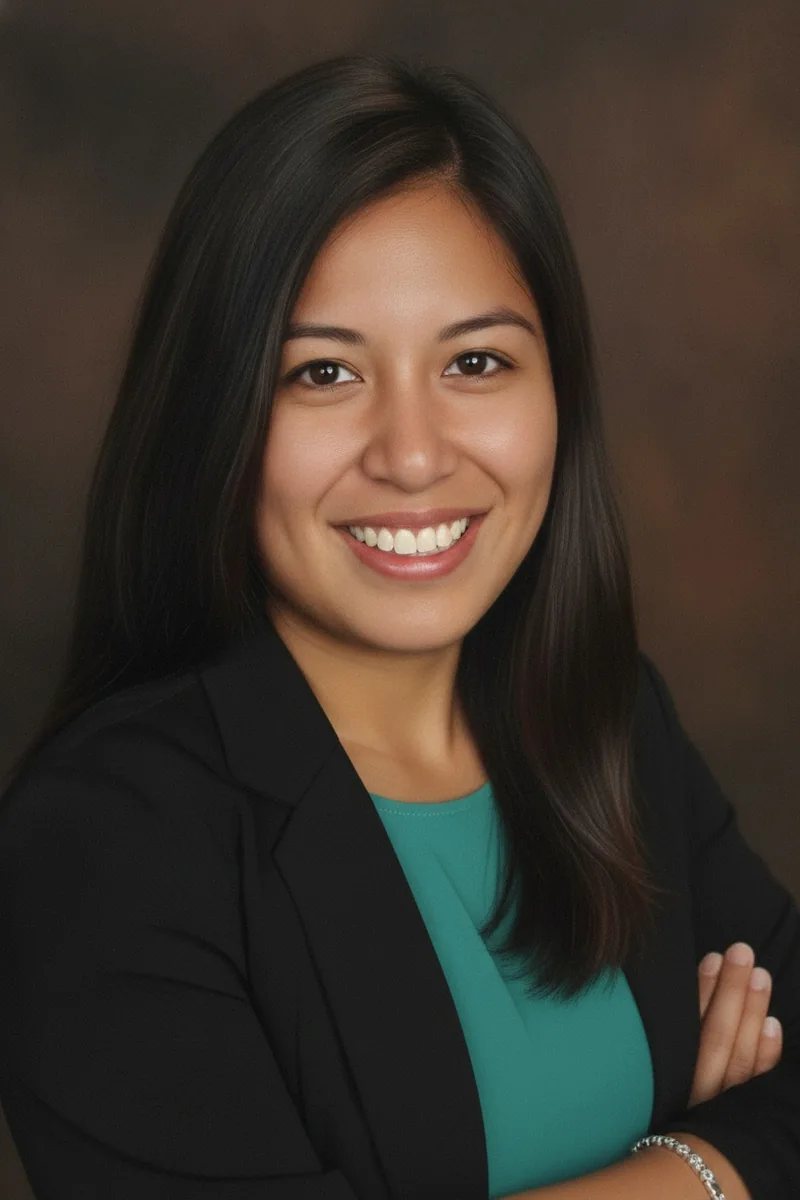
Strong writing is really about clear thinking, and Robin's scientific training sharpened both. She teaches students to build arguments from evidence, organize ideas with intentional paragraph structure, and revise for concision — skills that transfer whether someone is writing a personal narrative, a research paper, or a lab report.

Strong writing starts with a clear argument, not a five-paragraph formula. Daniel teaches students to build essays from a genuine thesis outward — choosing evidence, structuring body paragraphs around distinct claims, and writing introductions last so they actually reflect the paper's direction. His approach emphasizes revision as a thinking tool, where rewriting a paragraph often clarifies what the student is really trying to say.
Helping students has always felt deeply personal to me. I know what it's like to struggle with a subject and how much of a difference the right guidance can make. That's what drives me, not just to explain the material, but to meet students where they are, and help them build confidence along the way. My teaching philosophy is centered around a low-pressure, high-engagement environment where students feel comfortable asking questions and exploring ideas. I use real-world examples, visual breakdowns, and active recall to reinforce understanding and make learning stick. I'm currently in my 4th year of medical school, so I have a certain love for Biology and other life sciences. It can be complex, but when taught the right way, it becomes incredibly intuitive and logical. I also thoroughly enjoy teaching SAT/ACT prep, as it also can be tricky for students to see through its complexity, but becomes much easier to find the objective when taught the right way, with the right tools.
I am an educator of the sciences. I have taught Life Science, Biology, Physical and Earth Sciences for fourteen years in grades 7-12. I trained with the Keystone Science School of Denver, Colorado, the LSU Coastal Roots Program and have earned over six hundred hours in science literacy training in many areas. Science has a very strong mathematical component and that is why I also specialize in Math tutoring.
Most students know what they want to say but struggle to organize it on the page — the thesis drifts, the paragraphs blur together, the conclusion just restates the introduction. Jane teaches a concrete outlining method that locks in structure before drafting begins, so students spend less time rewriting and more time developing their ideas. Her background as a Princeton English major and AP Scholar with Honors means she's lived this process across dozens of writing-intensive courses.
Medical school applications, anthropological research papers, and interdisciplinary essays at Stanford forced Mica to become the kind of writer who can shift register on demand — clinical precision in one draft, narrative persuasion in the next. That versatility is exactly what she brings to writing sessions, whether a student is wrestling with a five-paragraph essay or trying to find their voice in a personal piece. Rated 5.0 by students.
Strong writing isn't about flowery language — it's about knowing what you're arguing and proving it sentence by sentence. Parag's political science training at Northwestern means he lives in thesis-driven essays, and he teaches students how to outline a clear claim, select evidence that actually supports it, and write conclusions that do more than restate the introduction.
Years as a writing consultant taught Renee that the hardest part of writing isn't grammar — it's figuring out what you're actually trying to argue. She walks students through the full arc from messy brainstorm to polished draft, with particular attention to building paragraphs that each do real work toward a central claim.
Every writing assignment is really an exercise in thinking clearly, and Vivian approaches it that way — she starts by untangling what a student actually wants to say before tackling how to say it. From constructing a thesis and organizing supporting paragraphs to refining tone and word choice, she builds each session around the specific piece a student is working on. Her background spans persuasive essays, creative writing, and research papers.
Strong writing starts with a clear claim and a deliberate structure, not with a blank page and good intentions. Keith's coursework at Williams spanned analytical essays in political science, close-reading papers in English, and research-driven arguments in history — so he adapts his coaching to whatever genre a student is tackling. He's especially effective at teaching thesis construction and the art of using evidence without letting quotes do all the talking.
Strong writing starts with having something specific to say — and Mimi's inquiry-based approach means she spends real time on the thinking stage before a student ever drafts. From thesis development to paragraph architecture to revision strategy, she walks through each phase of the writing process so students internalize it for the next assignment, not just the current one.
Most writing instruction tells students what good writing looks like without explaining how to actually produce it. Elena breaks the process into concrete, repeatable steps — building an argument from a single claim, structuring paragraphs around evidence, and revising for voice and clarity. Named Scotland's International Young Thinker of the Year for her ability to communicate complex ideas accessibly, she brings that same skill to teaching students how to get their thinking onto the page.
Strong writing starts with having something specific to say and a clear plan for saying it. Samuel, who studies linguistics at Harvard, teaches the mechanics — thesis construction, paragraph organization, evidence integration — alongside the harder-to-teach skill of developing an authentic voice. Whether the assignment is a five-paragraph essay or a research paper, he treats every draft as a chance to sharpen both clarity and style.
Zosia treats writing as a thinking tool: if the logic is muddled, the sentences will be too, no matter how polished the grammar. She walks students through outlining arguments, tightening paragraph structure, and revising for precision — skills she sharpened writing research papers across the sciences and humanities at Yale.
Strong writing starts with having something specific to say and a clear reason for saying it — the mechanics follow from there. Jessica earned her writing certification through Penn's selective Critical Writing program as a freshman, then spent years tutoring peers on everything from argumentative essays to research papers. She teaches students to outline with a claim in mind, draft without self-editing, and revise with ruthless attention to whether each sentence actually advances the argument.
Strong writing starts with knowing what you actually want to say — then organizing it so a reader follows effortlessly. Anna approaches drafting as a process of building a clear argument or narrative arc, teaching techniques like reverse outlining and paragraph-level thesis statements that give students concrete tools. Her background spans scientific writing, academic essays, and personal narratives, so she adapts her feedback to whatever genre a student is tackling.
Testimonials
Because the right Writing tutor makes all the difference.
Average Session Rating – Based on 3.4M Learner Ratings
Nearby Writing Tutors
Other New Orleans Tutors
Related English Tutors in New Orleans
Frequently Asked Questions
A writing tutor provides personalized feedback on your essays at every stage—from brainstorming and thesis development to drafting and revision. Rather than just marking grammar errors, tutors help you strengthen your argument, organize your ideas logically, and develop your unique voice. This personalized approach is especially valuable since research shows students benefit significantly from detailed, one-on-one guidance on their actual writing.
Students often struggle with organizing their thoughts into a coherent structure, developing a strong thesis statement, and moving beyond surface-level arguments. Writer's block, managing the revision process, and understanding citation formats like MLA or APA are also frequent pain points. A tutor can address these specific challenges with targeted strategies tailored to your writing style and academic level.
A strong thesis is specific, arguable, and clearly stated—it's the foundation of your entire essay. Your tutor can help you craft a thesis that goes beyond obvious statements and then guide you in selecting evidence and examples that directly support your argument. They'll also teach you how to analyze your evidence rather than just presenting it, which is what transforms a good essay into a great one.
Grammar is the technical foundation—correct punctuation, sentence structure, and word usage. Style is how you use language to engage readers and express your ideas clearly and persuasively. While grammar tutoring fixes errors, a writing tutor focuses on both: they'll help you eliminate mistakes and develop a stronger voice, more varied sentence structure, and more compelling prose. Both matter for effective writing.
Literary analysis requires you to examine how authors use specific techniques—character development, symbolism, tone, and plot—to create meaning. A tutor helps you move beyond plot summary to analyze why an author made certain choices and what effect those choices have on readers. They'll guide you in finding textual evidence, interpreting it thoughtfully, and building arguments that demonstrate deep understanding of the text.
Your first session focuses on understanding your writing goals, current challenges, and learning style. You might bring a recent essay or writing sample so your tutor can assess your strengths and areas for growth. From there, you'll work together to create a personalized plan—whether that's improving essay structure, building confidence with a specific assignment type, or developing stronger revision habits.
Rather than rewriting your work, tutors teach you a systematic revision process: first reviewing for big-picture issues like organization and argument strength, then refining paragraphs and sentences, and finally editing for grammar and clarity. They help you develop an eye for your own writing by asking guiding questions and pointing out patterns in your work. This builds your independence as a writer, not just for current assignments but for all your future writing.
Yes, Varsity Tutors connects students with tutors experienced in working with New Orleans learners across the city's schools and districts. Whether you're navigating state writing standards, preparing for specific assignments, or working on college applications, tutors understand the local educational landscape and can tailor their approach to your school's expectations and curriculum.
Let’s find your perfect tutor
Answer a few quick questions. We’ll recommend the right plan and match you with a top 5% tutor.