Award-Winning Statistics Tutors
serving South Bend, IN
Statistics
Tutors in South Bend
Private 1-on-1 tutoring, weekly live classes for academic support, test prep & enrichment, practice tests and diagnostics, and more to elevate grades and test scores.
Based on 3.4M Learner Ratings
UniversitiesSchools & Universities
DeliveredHours Delivered
ProficiencyGrowth in Proficiency
Who needs tutoring?
No obligation. Takes ~1 minute.
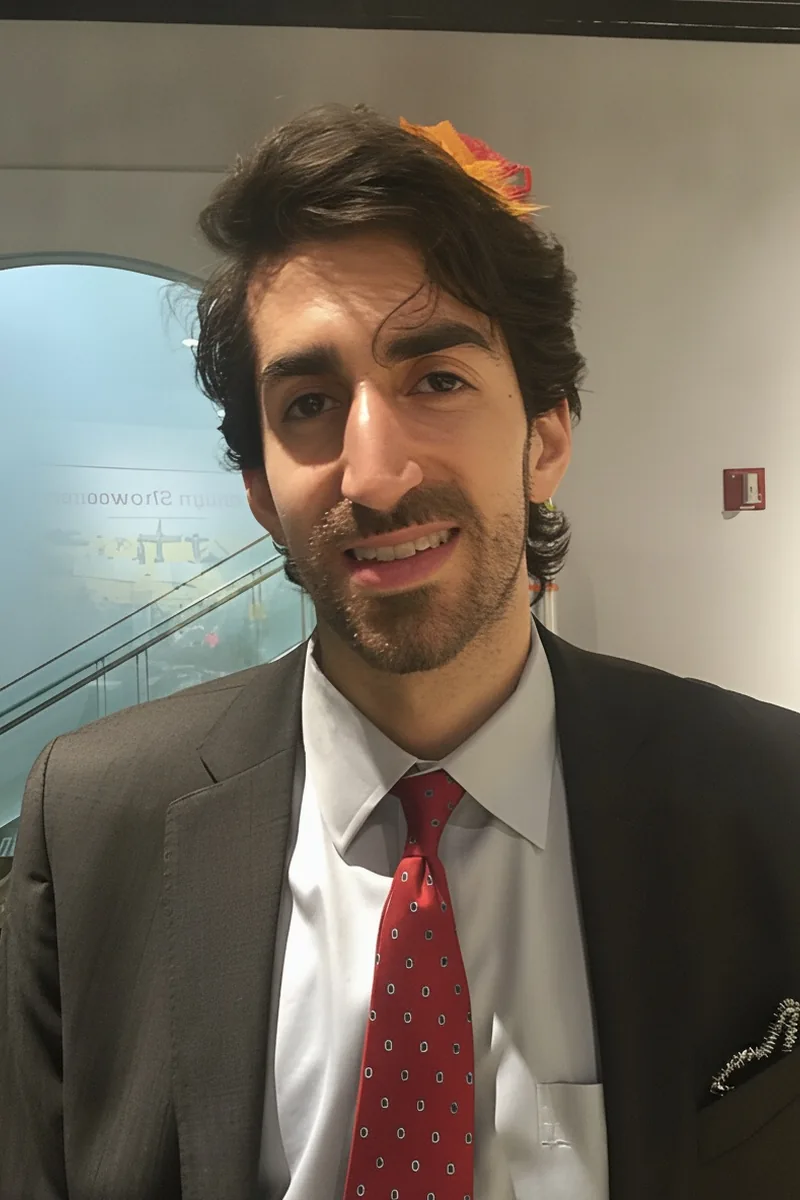
I am able to teach math and writing; skills that I have honed during my undergraduate education, at Hamilton College (same guy as the musical).
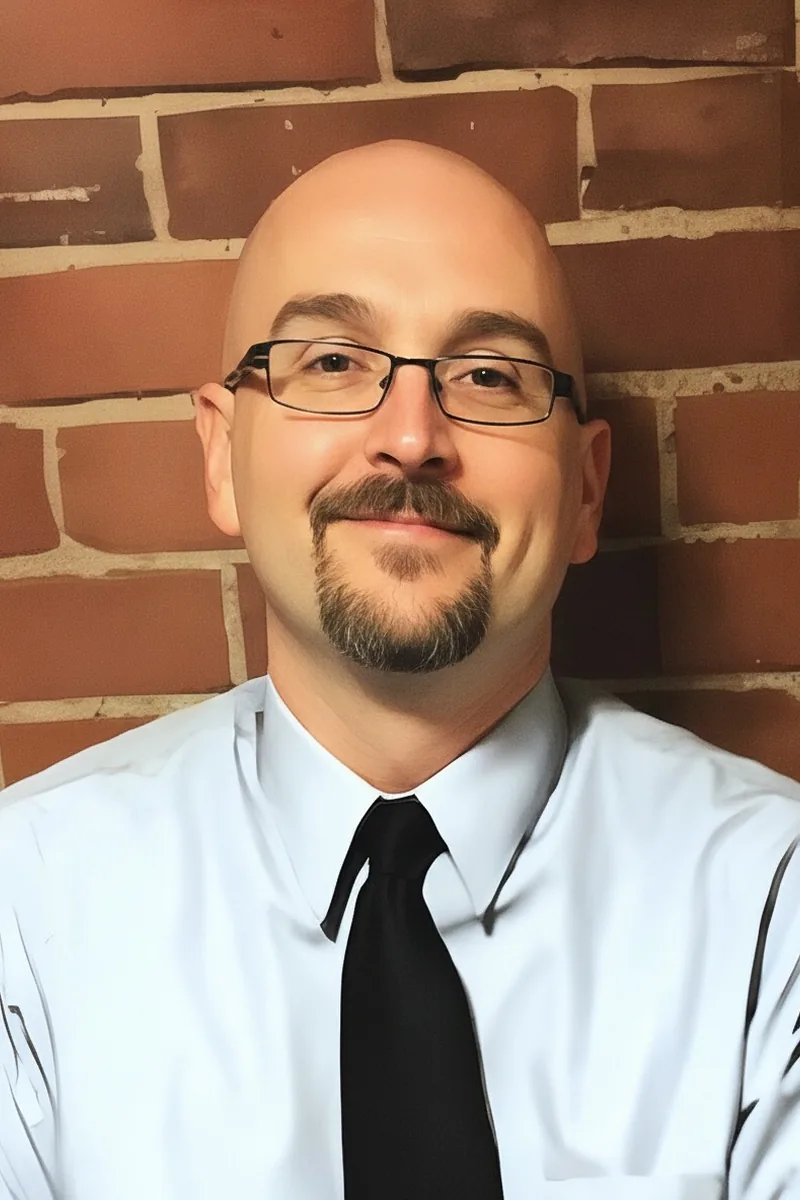
Probability distributions, hypothesis testing, and regression analysis all click faster when they're tied to real data — and Owen's background in sport management means he pulls examples from batting averages, player performance metrics, and game analytics. He breaks down concepts like standard deviation and p-values using scenarios students actually find interesting.
Probability distributions, hypothesis testing, confidence intervals — statistics has a vocabulary problem before it even has a math problem. Joubert tackles that head-on, making sure students understand what a p-value actually means rather than just comparing it to 0.05. His methodical teaching style is especially useful in a subject where skipping one conceptual step can derail an entire analysis.
Probability distributions, regression analysis, and hypothesis testing all require a specific way of thinking — comfortable with uncertainty and precise about assumptions. Satvik's engineering training at Georgia Tech means he applies statistical methods regularly, from analyzing experimental data to modeling system reliability. He teaches the reasoning behind each technique so students can interpret results, not just compute them.
Probability distributions, hypothesis testing, and regression analysis all click faster when you see them applied to real data. Akio spent his Purdue coursework running statistical analyses on engineering datasets, which gives him a practical vocabulary for teaching concepts like p-values and confidence intervals that textbooks often leave abstract.
Running regressions and building econometric models as a data analyst and MS Economics student at Purdue means Jack encounters statistics not as textbook exercises but as daily working tools — everything from hypothesis testing to multivariate regression analysis. He digs into the mechanics behind concepts like confidence intervals and p-values with the rigor of someone who actually stakes professional conclusions on getting the math right.
Studying business analytics at Indiana University means Christopher lives in data — probability distributions, hypothesis testing, and regression models are part of his everyday coursework. He brings that applied perspective to statistics tutoring, explaining concepts like p-values and confidence intervals through concrete business and real-world examples. His Hutton Honors College training also sharpens the analytical rigor he brings to tricky inference problems.
As a chemistry and global health double major, Lauren interprets data sets and probability distributions regularly — from lab results to epidemiological studies. She breaks down concepts like standard deviation, hypothesis testing, and data visualization by connecting them to real-world scenarios that make the numbers feel less abstract.
Actuarial science is essentially applied statistics — Jonathan's entire degree revolves around probability models, risk quantification, and interpreting data to predict outcomes, so he teaches concepts like distributions, expected value, and hypothesis testing with the fluency of someone who uses them daily. His 32 ACT and strong quantitative foundation mean he can also bridge the gap for students moving from algebra-heavy math into the more interpretive, data-driven thinking that statistics demands.
Biostatistics is one of Mariam's listed specialties for good reason — her biology degree means she learned statistics not as abstract math but as the tool that makes lab results meaningful, from t-tests comparing experimental groups to regression models tracking ecological trends. She teaches concepts like variability, hypothesis testing, and data interpretation through the scientific lens that originally made them click for her. Rated 5.0 by students.
Probability distributions, hypothesis testing, and regression analysis all click faster when you understand the logic driving them — not just the formulas. Darren's triple major in Mathematics, Economics, and Computer Science means he regularly applies statistical reasoning across disciplines, from econometric modeling to data analysis. That cross-disciplinary fluency makes him especially effective at explaining why a test works, not just how to run it.
I am currently a fourth year medical student in Indianapolis. I completed my undergraduate education at Indiana University Bloomington, where I majored in Biology and Spanish. I also completed two minors in Mathematics and Chemistry. While at IU, I worked for the Department of Mathematics and Department of Spanish. I also worked as a Peer Tutor for the IU Athletics Department, tutoring in several subjects including statistics, chemistry, physics, and Spanish. I graduated from college with a 4.0, and I entered medical school shortly thereafter. Since coming to medical school, I have excelled in all of my pre-clinical coursework, and I currently rank in the Top 20% of my class. I feel very comfortable and confident tutoring other students in a variety of subjects from math and science to Spanish. I like to think that the same techniques I have used to excel in all phases of my education can be easily adapted to other students and help you achieve your academic goals, just as I have!
I am a graduate student at the University of Indianapolis. Currently, I am going to school for my Masters in Education and my Indiana Teaching License in Social Studies for grades 6-12. I have worked as a Special Education Instructional Assistant at Carmel High School where I worked with students in Biology, Algebra I, and Geometry. I graduated from Purdue University with a B.S. in Economics with a Statistics Concentration and History and Political Science minors. My first two years at Purdue however I was an Aerospace Engineering Major. Through college I worked as a Supplemental Instruction Leader for General Chemistry. Currently I am a coach at Carmel Swim Club who loves photography, fantasy sports, reading, and writing. My favorite topics to tutor are History and Science, plus I have experience in Math, Stats, and Economics. I firmly believe that the best way to tutor is to focus on learning strategies that will carry on for the rest of their life, and I do my best to share my love for learning with my students.
I am currently pursuing a Bachelors degree at Indiana University Bloomington, majoring in Neuroscience and minoring in Psychology and Japanese. I tutor multiple subjects, but I enjoy tutoring Algebra and Japanese the most. I believe that everybody should be able to get the education that they deserve and the attention and help in order for them to achieve that. Outside of academics, I enjoy playing the Guitar, Photography, and playing Badminton.
I'm currently a sophomore at Indiana University. I'm majoring in finance and information systems, with an investment banking track focus. I'm very comfortable with numbers so I enjoy teaching middle school, high school level, and college level mathematics, accounting, and economics.
Understanding when to use a t-test versus a z-test, or why a sampling distribution behaves the way it does, requires more than formula sheets — it takes genuine statistical intuition. Brian built that intuition through his economics coursework at Caltech, where statistical analysis was a daily tool, and he walks students through each concept with concrete data examples.
A biology degree from UIUC means Todd spent years designing experiments, interpreting data sets, and running statistical tests — skills he now brings directly to tutoring statistics. He unpacks concepts like probability distributions, hypothesis testing, and standard deviation by grounding them in real data scenarios rather than abstract formulas.
The hardest part of statistics for most students isn't the math — it's interpreting what a p-value or confidence interval actually means in context. Vy's training in cognitive studies at Vanderbilt, which is heavily research-methods driven, means she's spent real time designing studies and running analyses. She unpacks concepts like distributions, hypothesis testing, and regression by tying them to concrete research questions.
Understanding probability distributions or interpreting a confidence interval requires a different kind of thinking than most math classes demand. Dillon spent years applying statistics in engineering contexts — quality control, data analysis, experimental design — and he brings that applied lens to topics like standard deviation, z-scores, and regression so students see what the numbers actually tell them.
Probability distributions, hypothesis testing, confidence intervals — statistics asks students to think in a fundamentally different way than most math courses. Elliot spent years running statistical analyses on neural data during his PhD research, which means he can show exactly how concepts like p-values and regression actually function in practice, not just on a formula sheet.
Between her sociology research in undergrad and her MBA coursework, Krupa has run enough regressions, hypothesis tests, and probability models to know exactly where students get tripped up. She tackles the conceptual side — why you'd choose a t-test over a z-test, what a p-value actually means — so the formulas stop feeling arbitrary. Her 4.9 rating speaks to how clearly she communicates these ideas.
Between her biostatistics background and hands-on research experience in Northwestern's John Rogers Lab, Ingrid knows statistics as both a classroom subject and a practical tool. She walks students through concepts like hypothesis testing, confidence intervals, and probability distributions by connecting each one to what the numbers actually mean in context.
Understanding statistics means learning to think critically about variability, probability, and what data can actually tell you. Tashina applies statistical methods daily in her PhD research in brain sciences — hypothesis testing, confidence intervals, regression — and she unpacks each concept by connecting it to the kind of real analysis questions that make the material stick.
A Quantitative Methods minor at Vanderbilt means Heather spent semesters immersed in regression analysis, hypothesis testing, and probability — the exact material that trips up most statistics students. She teaches the reasoning behind each test so students can choose the right method on their own, not just follow a decision flowchart. Her 4.9 rating speaks to that approach.
Probability distributions, hypothesis testing, and confidence intervals all require a kind of careful reasoning about uncertainty that Allen sharpened through his economics coursework at Yale. He teaches statistics as a way of making arguments with data — interpreting p-values, choosing the right test, and understanding what a result actually means in context. His 5.0 rating speaks to how clearly he communicates these ideas.
Industrial engineering at Georgia Tech is essentially applied statistics — probability distributions, hypothesis testing, and regression analysis were daily tools throughout Ilesh's coursework. He teaches statistics by grounding abstract formulas in real data scenarios, so concepts like standard deviation and confidence intervals actually make intuitive sense.
Probability distributions, hypothesis testing, and regression analysis all require a kind of structured thinking that Florence sharpened through her computer science degree at Duke. She teaches statistics by grounding each concept in real data scenarios — building intuition for what a p-value actually means before diving into formulas. Her 5.0 client rating speaks to how well that approach lands.
Testimonials
Because the right Statistics tutor makes all the difference.
Average Session Rating – Based on 3.4M Learner Ratings
Practice Statistics
Free practice tests, flashcards, and AI tutoring for Statistics
Nearby Statistics Tutors
Other South Bend Tutors
Related Math Tutors in South Bend
Frequently Asked Questions
Varsity Tutors matches South Bend students with expert Statistics tutors for 1-on-1 instruction. We pair each student with a tutor based on their specific needs, learning style, and goals.
Whether you need homework help, exam prep, or want to get ahead, our Statistics tutors are ready to help.
Common challenges include gaps from earlier material, difficulty with specific concepts, and trouble applying learning to new problems. These issues can snowball quickly in Statistics.
A tutor identifies where you're stuck, fills in gaps, and provides targeted practice. The 1-on-1 format means you get help exactly where you need it.
Tutors work with your student's actual coursework—homework assignments, class notes, and upcoming tests. This keeps tutoring directly relevant to what's happening in the classroom.
When you share information about your student's school and curriculum, we can match you with a tutor who has relevant experience.
All tutors complete background checks, credential verification, and teaching evaluation. Many of our Statistics tutors hold advanced degrees or have years of teaching experience.
You can review tutor profiles to find someone with the right background for your student's level and needs.
Many students see improved grades within a few weeks, along with better understanding of Statistics concepts and more confidence tackling challenging material.
Tutors track progress and adjust their approach to ensure continued improvement.
Most students benefit from 1-2 sessions per week. More frequent sessions help if your student is significantly behind or has an important exam coming up.
Your tutor can recommend a schedule based on your student's specific situation and goals.
Tutoring is purchased in packages of hours, with rates varying by tutor experience. Varsity Tutors offers several options to fit different budgets and needs.
You can discuss pricing during your consultation to find what works best.
Your tutor will assess where your student is, discuss goals, and start working on priority areas. Most students bring current homework or upcoming test material to focus on.
By the end, you'll have a clear sense of how the tutor can help and a plan for moving forward.
Let’s find your perfect tutor
Answer a few quick questions. We’ll recommend the right plan and match you with a top 5% tutor.