Award-Winning Creative Writing Tutors
serving Fort Wayne, IN
Creative Writing
Tutors in Fort Wayne
Private 1-on-1 tutoring, weekly live classes for academic support, test prep & enrichment, practice tests and diagnostics, and more to elevate grades and test scores.
Based on 3.4M Learner Ratings
UniversitiesSchools & Universities
DeliveredHours Delivered
ProficiencyGrowth in Proficiency
Who needs tutoring?
No obligation. Takes ~1 minute.

Emma's doctoral work in contemporary American poetry at Notre Dame trained her to treat every word as a deliberate choice — a skill that translates directly into teaching creative writing across genres. Whether a student is drafting a personal essay, experimenting with flash fiction, or shaping a poem, she walks through revision as an iterative craft, not just proofreading. Her two years coaching writers at Wake Forest's writing center means she's comfortable with projects at every stage, from a blank page to a polished final draft.
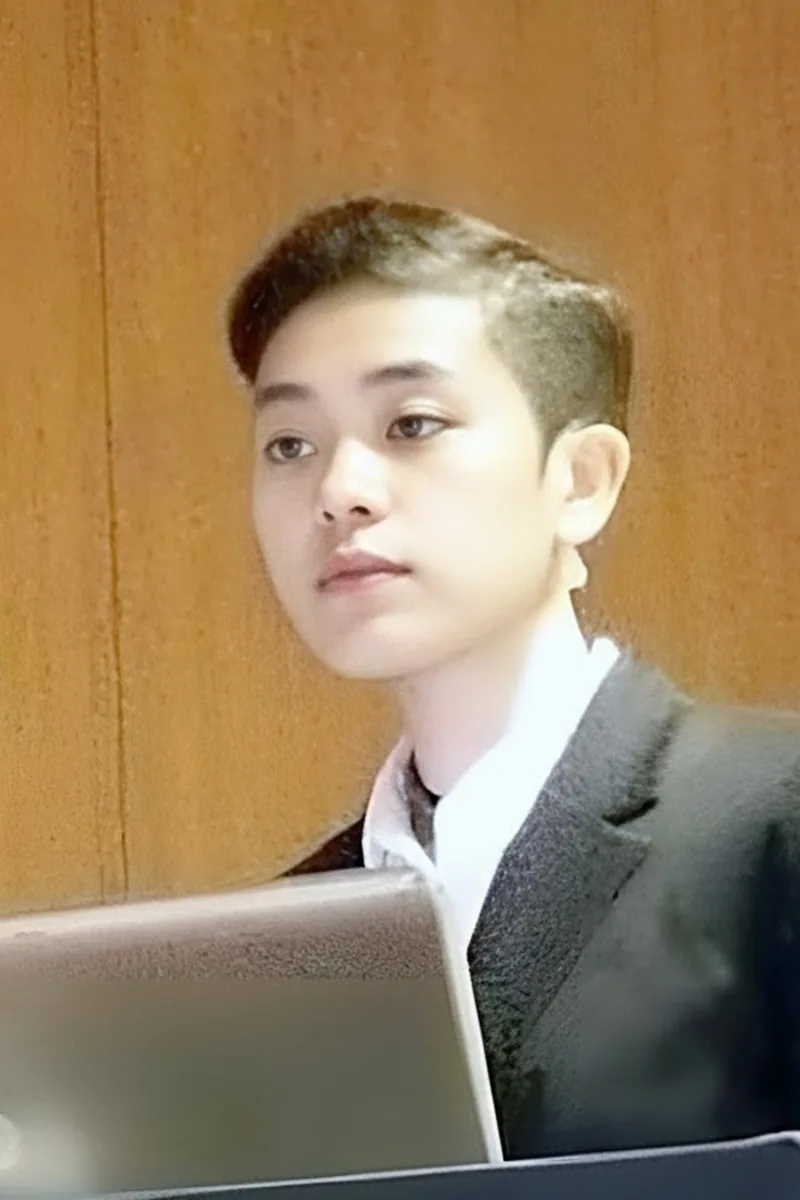
Outside of medical school, Elizabeth writes short science fiction and spy stories — genres that demand tight pacing, vivid world-building, and characters who reveal themselves through action. She brings that hands-on craft experience to lessons on dialogue, narrative structure, and revision, treating each draft as something to be shaped rather than corrected. Rated 5.0 by students.
Performing improv comedy and writing musicals at Yale has given William a practitioner's understanding of voice, structure, and revision — the three pillars that separate interesting creative writing from flat drafts. He teaches techniques like writing compelling dialogue, controlling pacing through sentence length, and developing characters whose choices drive a story forward rather than just narrating events.
Getting words on the page is often the hardest part of creative writing, and Sarah tackles that blank-page paralysis with structured brainstorming techniques and revision exercises that build momentum. As an English major at Dartmouth, she digs into craft elements like voice, dialogue, and narrative pacing — giving students concrete tools instead of vague advice to "just be creative."
An IB-trained English teacher with a psychology degree from Kent State, Amanda knows how to draw out the personal stories students carry but struggle to put on paper — and how to shape raw material into writing that actually moves a reader. Her classroom experience centers on empowering student voice, which in creative writing sessions means spending real time on craft decisions like when to let a narrator hold back, how dialogue reveals character without exposition, and why the right ending often isn't the obvious one. Rated 4.8 by students.
A theatre directing background means Jennifer thinks about creative writing the way a director thinks about a script — every scene needs tension, every character needs a want, and every word on the page should earn its place. She digs into craft elements like dialogue, point of view, and narrative pacing rather than just assigning prompts and marking errors. Rated 4.8 by students.
The hardest part of creative writing isn't generating ideas — it's revising them into something that actually lands on the page. David approaches each session as a workshop, reading student drafts closely and pinpointing where voice falters, where a scene needs grounding detail, or where cutting a paragraph makes the whole piece stronger. His English background gives him a deep library of published examples to draw from during those conversations.
Between a creative writing minor at Northwestern and years running a high school writing center, Nathaniel has logged serious time on both sides of the workshop table — producing his own fiction and non-academic work while coaching other writers through drafts. He's particularly sharp at helping students find the gap between what they meant to say and what's actually on the page, then working through revision at the sentence level until voice, pacing, and detail all land together.
Teaching Spanish in Baltimore City public schools and writing across multiple genres gave Michael a working sense of how language choices — verb tense, sentence rhythm, the weight of a single word — shape a reader's experience differently in fiction than in an essay or a lesson plan. He brings that bilingual awareness of how languages build meaning into creative writing sessions, especially when students are experimenting with voice, tone, or translating lived experience onto the page.
Four years in Boston elementary and middle school classrooms taught Yan how to get reluctant writers past the blank page — using prompts, visual cues, and structured brainstorming that turn scattered ideas into stories with real shape. Her curriculum design background means she builds each session around where a student actually is as a writer, whether that's a second grader dictating their first narrative or a middle schooler learning to revise for stronger dialogue and pacing.
Whether the project is a personal essay, a short story, or a poem, Henry approaches creative writing as craft that can be studied and sharpened. He breaks down elements like voice, structure, and imagery with the rigor of a PhD-trained reader, then applies that analysis to each student's own work-in-progress. His 5.0 rating speaks to the encouragement he brings alongside that critical eye.
Psychology training at Colgate gave Suzanne something quietly useful for creative writing — a deep understanding of how people think, what motivates them, and why they behave in contradictory ways, which is exactly what makes fictional characters feel real rather than flat. She brings that behavioral insight into drafting sessions, especially when students are building characters or writing personal narratives that need emotional precision. Her research background also sharpens her revision instincts, catching where a piece makes claims about a character's feelings instead of showing them.
A creative writing minor from Penn means Sarah has spent serious time in workshops getting and giving feedback on poetry, personal essays, and experimental prose. She walks students through the full arc of a piece — finding a voice, choosing concrete details over vague abstractions, and learning to revise ruthlessly.
Studying child development at Yale taught Arielle something most writing tutors learn the hard way — that the stories kids want to tell and the language they have to tell them are two very different things, and the gap between them is where creative writing instruction actually lives. She uses that developmental lens to meet each writer's imagination with the right scaffolding, whether that means building a picture book narrative with a first grader or helping an older student craft a short story with real scene structure and dialogue. Rated 5.0 by students.
Testimonials
Because the right Creative Writing tutor makes all the difference.
Average Session Rating – Based on 3.4M Learner Ratings
Nearby Creative Writing Tutors
Other Fort Wayne Tutors
Related English Tutors in Fort Wayne
Frequently Asked Questions
Varsity Tutors matches Fort Wayne students with expert Creative Writing tutors for 1-on-1 instruction. We pair each student with a tutor based on their specific needs, learning style, and goals.
Whether you need homework help, exam prep, or want to get ahead, our Creative Writing tutors are ready to help.
Common challenges include gaps from earlier material, difficulty with specific concepts, and trouble applying learning to new problems. These issues can snowball quickly in Creative Writing.
A tutor identifies where you're stuck, fills in gaps, and provides targeted practice. The 1-on-1 format means you get help exactly where you need it.
Tutors work with your student's actual coursework—homework assignments, class notes, and upcoming tests. This keeps tutoring directly relevant to what's happening in the classroom.
When you share information about your student's school and curriculum, we can match you with a tutor who has relevant experience.
All tutors complete background checks, credential verification, and teaching evaluation. Many of our Creative Writing tutors hold advanced degrees or have years of teaching experience.
You can review tutor profiles to find someone with the right background for your student's level and needs.
Many students see improved grades within a few weeks, along with better understanding of Creative Writing concepts and more confidence tackling challenging material.
Tutors track progress and adjust their approach to ensure continued improvement.
Most students benefit from 1-2 sessions per week. More frequent sessions help if your student is significantly behind or has an important exam coming up.
Your tutor can recommend a schedule based on your student's specific situation and goals.
Tutoring is purchased in packages of hours, with rates varying by tutor experience. Varsity Tutors offers several options to fit different budgets and needs.
You can discuss pricing during your consultation to find what works best.
Your tutor will assess where your student is, discuss goals, and start working on priority areas. Most students bring current homework or upcoming test material to focus on.
By the end, you'll have a clear sense of how the tutor can help and a plan for moving forward.
Let’s find your perfect tutor
Answer a few quick questions. We’ll recommend the right plan and match you with a top 5% tutor.