Award-Winning Elementary School Reading Tutors
serving Evansville, IN
Elementary School Reading
Tutors in Evansville
Private 1-on-1 tutoring, weekly live classes for academic support, test prep & enrichment, practice tests and diagnostics, and more to elevate grades and test scores.
Based on 3.4M Learner Ratings
UniversitiesSchools & Universities
DeliveredHours Delivered
ProficiencyGrowth in Proficiency
Who needs tutoring?
No obligation. Takes ~1 minute.
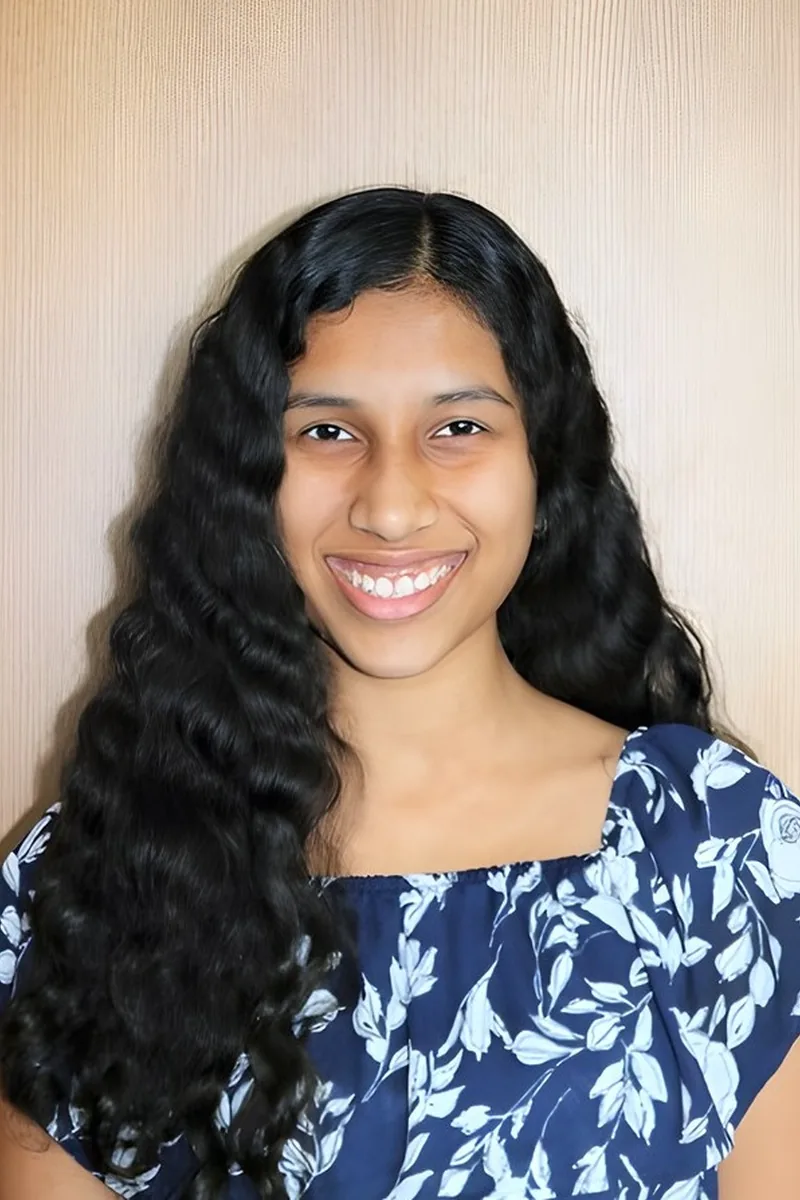
Early reading clicks when a student starts connecting phonics patterns to real words they encounter in stories. Amy brings a structured, science-minded approach to decoding, fluency, and comprehension, breaking each skill into manageable pieces. She makes reading practice feel like a game rather than a chore, which keeps younger learners engaged and building confidence.

Early reading is all about cracking the code: blending sounds, recognizing sight words, and starting to make predictions about what comes next in a story. Victoria's science mindset at Dartmouth translates surprisingly well here — she treats phonics and comprehension as skills to practice systematically, celebrating each breakthrough along the way.
Early reading confidence grows when a child starts noticing patterns — sight words that keep appearing, sounds that follow predictable rules, story structures that repeat across books. Matthew uses that pattern-based thinking to make reading sessions feel like puzzle-solving, connecting phonics skills to actual stories so kids see the payoff of decoding in real time.
Jessica's background in human biology might seem unrelated to early reading, but her coursework in human growth and development gave her a detailed understanding of how children acquire language and build comprehension skills. She applies that knowledge when teaching phonics, sight words, and reading fluency — meeting each child at the right developmental stage.
Young readers often struggle less with decoding words than with understanding what a passage actually means — making inferences, identifying a story's main idea, or connecting details across paragraphs. Ryan builds these comprehension skills through guided questioning that gets kids talking about what they read, not just reciting it back. Rated 5.0 by families he's worked with.
Early reading is all about building the habits that make harder texts possible later — things like identifying the main idea of a passage, making predictions, and understanding new vocabulary from context clues. Paul keeps sessions interactive and encouraging, so young readers stay engaged rather than frustrated when a text gets challenging.
Getting a child to love reading early changes everything that comes after. Annabel teaches phonics, sight words, and basic comprehension strategies like predicting and summarizing, turning each reading session into an active conversation about the story rather than a passive exercise.
Learning to read is really learning to think — connecting sounds to letters, letters to words, and words to meaning. Todd breaks down phonics, fluency, and comprehension into small, confidence-building steps that keep young readers engaged. His background in social work gives him a sharp sense of how to match his approach to each child's pace and personality.
Learning to read is really learning to decode — blending letter sounds, recognizing sight words, and building the fluency that turns sounding-out into actual comprehension. Naomi pairs phonics instruction with engaging texts matched to each child's level, drawing on her experience teaching literacy skills to young learners across very different classroom settings. She holds a 5.0 client rating.
Learning to read confidently — decoding new words, making predictions, and retelling a story in sequence — takes patience and the right kind of encouragement. Anna breaks reading into manageable steps, connecting phonics patterns to real stories so young readers build momentum instead of frustration. Rated 5.0 by students and families.
Andrew's own wide-ranging reading habits — from Mandarin texts to AP-level political analysis — give him a genuine curiosity about language that younger readers pick up on quickly. He teaches elementary students to tackle unfamiliar words by breaking them into smaller parts and to check their own understanding by pausing to summarize what just happened on the page. Rated 4.9 by families he's worked with.
Early reading clicks when a child can connect what's on the page to what they already know. Daniel builds that bridge by teaching phonics patterns alongside comprehension strategies like predicting and retelling, keeping sessions interactive enough that younger readers stay engaged rather than frustrated.
Phonics patterns, sight words, and reading fluency each require a different kind of practice, and Ingrid tailors her approach depending on where a young reader is gaining confidence. Her patience and structured teaching style — honed through leading hands-on workshops for undergraduates at Northwestern — translate well to working with elementary-age learners building early literacy skills.
Young readers build confidence when someone sits with them through the tricky parts — decoding unfamiliar words, making predictions about what happens next, and connecting a story's events to their own experiences. Alice's background as a K-12 math center instructor taught her how to match explanations to a child's level, and she brings that same patience and adaptability to reading comprehension and fluency.
Early reading confidence comes from connecting sounds to meaning, not just sounding out words in isolation. Emma's education coursework at Cornell introduced her to developmental reading theory, and her experience creating age-appropriate curricula for young learners means she knows how to match a book's difficulty to where a child actually is. Her 5.0 rating speaks to how well she keeps younger students engaged and moving forward.
Kyle approaches elementary reading by connecting books to the things kids already care about — sports, adventure, humor — so that turning pages feels like a choice, not a chore. He zeroes in on specific skills like identifying main ideas, making predictions, and building vocabulary through context clues. Years of working with kids as a coach and counselor give him a natural rapport with younger learners.
Early reading skills like phonics and sight words are only part of the picture — Angela also digs into comprehension strategies like predicting, summarizing, and making connections to a story's characters. Her psychology background at the University of Pennsylvania gives her insight into how young learners process new information and build vocabulary. She's rated 5.0 by the families she tutors.
Testimonials
Because the right Elementary School Reading tutor makes all the difference.
Average Session Rating – Based on 3.4M Learner Ratings
Nearby Elementary School Reading Tutors
Other Evansville Tutors
Related English Tutors in Evansville
Frequently Asked Questions
Varsity Tutors matches Evansville students with expert Elementary School Reading tutors for 1-on-1 instruction. We pair each student with a tutor based on their specific needs, learning style, and goals.
Whether you need homework help, exam prep, or want to get ahead, our Elementary School Reading tutors are ready to help.
Common challenges include gaps from earlier material, difficulty with specific concepts, and trouble applying learning to new problems. These issues can snowball quickly in Elementary School Reading.
A tutor identifies where you're stuck, fills in gaps, and provides targeted practice. The 1-on-1 format means you get help exactly where you need it.
Tutors work with your student's actual coursework—homework assignments, class notes, and upcoming tests. This keeps tutoring directly relevant to what's happening in the classroom.
When you share information about your student's school and curriculum, we can match you with a tutor who has relevant experience.
All tutors complete background checks, credential verification, and teaching evaluation. Many of our Elementary School Reading tutors hold advanced degrees or have years of teaching experience.
You can review tutor profiles to find someone with the right background for your student's level and needs.
Many students see improved grades within a few weeks, along with better understanding of Elementary School Reading concepts and more confidence tackling challenging material.
Tutors track progress and adjust their approach to ensure continued improvement.
Most students benefit from 1-2 sessions per week. More frequent sessions help if your student is significantly behind or has an important exam coming up.
Your tutor can recommend a schedule based on your student's specific situation and goals.
Tutoring is purchased in packages of hours, with rates varying by tutor experience. Varsity Tutors offers several options to fit different budgets and needs.
You can discuss pricing during your consultation to find what works best.
Your tutor will assess where your student is, discuss goals, and start working on priority areas. Most students bring current homework or upcoming test material to focus on.
By the end, you'll have a clear sense of how the tutor can help and a plan for moving forward.
Let’s find your perfect tutor
Answer a few quick questions. We’ll recommend the right plan and match you with a top 5% tutor.