Award-Winning Computer Science Tutors
serving Rockford, IL
Computer Science
Tutors in Rockford
Private 1-on-1 tutoring, weekly live classes for academic support, test prep & enrichment, practice tests and diagnostics, and more to elevate grades and test scores.
Based on 3.4M Learner Ratings
UniversitiesSchools & Universities
DeliveredHours Delivered
ProficiencyGrowth in Proficiency
Who needs tutoring?
No obligation. Takes ~1 minute.
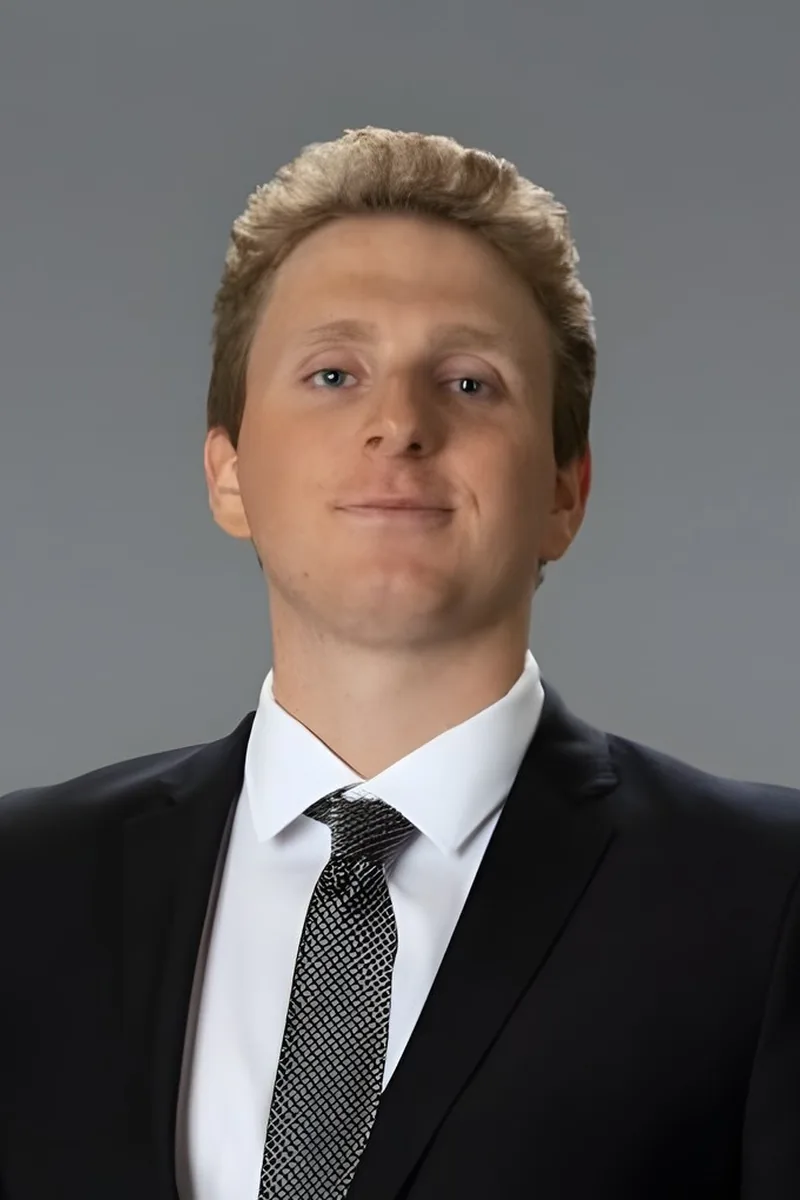
Benjamin's finance and economics training at Notre Dame means he learned to code as a problem-solving tool — building models, analyzing datasets, and automating calculations — rather than through a traditional CS curriculum. That pragmatic entry point makes him effective at teaching programming logic and computational thinking to students who want to understand how code actually gets used in business and quantitative fields. Rated 5.0 by students.
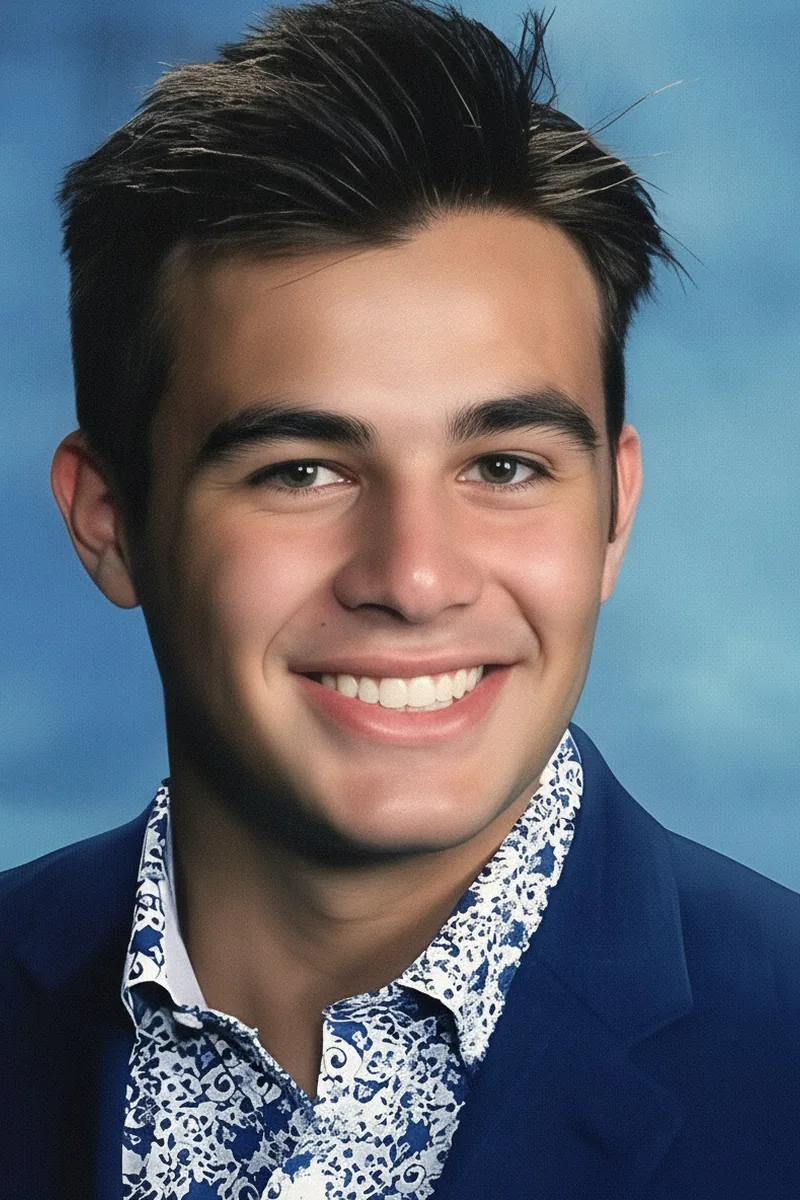
Engineering science at Vanderbilt means Ethan writes code to solve real problems — simulations, data analysis, algorithm design — not just textbook exercises. He breaks down core concepts like recursion, data structures, and object-oriented design by connecting them to projects that actually do something interesting.
A doctorate that spans both mathematics and computer science gives Irene unusual depth across the theoretical side of CS — from graph theory and combinatorics to algorithm analysis and discrete structures. She unpacks abstract concepts like Big-O notation and recursion by grounding them in the mathematical reasoning underneath.
Currently pursuing a Master's in Computer Science at DePaul, Ignacio teaches core CS concepts — data structures, algorithms, and object-oriented design — with the perspective of someone actively working through advanced coursework. His environmental science background also means he can connect abstract computing ideas to real-world applications like data modeling and simulation.
Currently pursuing a Computer Science degree, Michael digs into the concepts that trip students up most — recursion, data structures like linked lists and trees, and algorithm efficiency using Big-O notation. He codes across multiple languages including Java, C++, and JavaScript, so he can adapt explanations to whatever language a student's course uses.
From Big-O analysis to recursion to finite automata, computer science is really applied mathematical reasoning — and that's exactly where Joseph's strengths converge. His math degree at the University of Chicago gives him a rigorous foundation in the proofs and logic that underpin CS theory, while his programming experience across multiple languages keeps the practical side grounded.
Though English and writing are Eliza's strongest suits, her coursework in AP Computer Science Principles and coding gives her a solid handle on the conceptual side of CS — how data is represented, how algorithms are designed, and how the internet actually works. She approaches these topics the way she approaches essay structure: by teaching students to organize their thinking clearly before executing, which translates surprisingly well to debugging and program design.
Holding a bachelor's degree in computer science, Charles digs into everything from introductory programming logic to data structures and algorithm design. He emphasizes understanding why a particular approach works — tracing through loops, recursion, and memory allocation step by step — so students can debug their own thinking, not just their code.
From data structures and algorithm complexity to the theory behind how compilers and operating systems work, Devanshi covers computer science with the depth her own BS program demanded. She's particularly sharp on discrete math foundations — graph theory, recursion, Big-O analysis — that underpin so much of upper-level coursework. Rated 5.0 by students.
From data structures and algorithm efficiency to the basics of how operating systems manage memory, computer science covers a huge range of concepts that build on each other fast. Daniel is pursuing his CIS degree right now, which means the material is fresh and he knows exactly where students tend to hit walls — particularly around recursion, sorting algorithms, and Big-O analysis.
From data structures and algorithms to object-oriented design, Muntaser covers computer science fundamentals with the perspective of someone who uses them daily as a software engineer. His two years as a university-level Java TA sharpened his ability to explain concepts like recursion, linked lists, and sorting in ways that click on the first pass rather than the fifth.
Matt's computer science degree means he can walk through everything from basic control flow and data structures to algorithm analysis and object-oriented design. He teaches programming the way he learned it — by building things, breaking them, and understanding why the fix works.
From recursion and sorting algorithms to data structures like trees and hash maps, Nicholas tackles computer science as a discipline built on logical reasoning — the same reasoning his physics degree drilled into him. He walks students through not just how an algorithm works but how to derive its time complexity and recognize which approach fits a given problem.
Debugging a program you wrote at 2 a.m. teaches you things a lecture never will — and Shivam's CS degree means he's been through that cycle hundreds of times. He unpacks core topics like data structures, algorithm complexity, and object-oriented design by writing and breaking real code alongside students.
Blake's computer science minor covers data structures, algorithms, and systems-level thinking, and his professional web development work means he applies those concepts daily. He unpacks topics like recursion, sorting efficiency, and memory management by tying abstract ideas to code students can actually run and modify. Rated 4.9 by students.
I'm a former Stanford grad, where I majored in Math and History. I've also spent a few years working as a software developer.
I am currently studying Computer Engineering at the University of Illinois at Urbana-Champaign. I have had experience tutoring students of all ages through programs at my school and the local library. I also teach private percussion lessons to help students prepare for auditions and concerts. While I tutor many subjects, I especially enjoy helping students with math, physics, computer science, and music. In my free time, I enjoy playing percussion (much to my neighbors dismay) and tinkering with robotics. I also enjoyed scouting as a kid and still love hiking and exploring the outdoors.
I am a Molecular Engineering major at the University of Chicago, I am currently taking time off to focus on other aspects of my career but I don't want to stop tutoring outside college campus!. I am a child of immigrants and have spent my life tutoring my siblings and younger students, and I loved working with them! See y'all in class!
I am a software programmer who specializes in Python applications and some web design. I have a deep understanding of mathematics and how computers work, but software development also allows room for creativity and exploration of an endless supply of tools available online. I like to think I bring this versatility to every aspect of life, including tutoring. Another example of this is my affinity for realistic drawing; by using proportions and geometry to analyze a scene as well as incorporating different techniques,
As a Ph.D. student in Computational and Applied Mathematics at the University of Chicago, with a Bachelor's in Mathematics from MIT, I am passionate about making mathematics accessible and engaging for all learners. My experience as a teaching assistant for calculus courses has honed my ability to design effective problem sets and lead dynamic recitations, while also providing personalized support through office hours and one-on-one tutoring. I specialize in subjects such as Algebra I & II, AP Calculus, Differential Equations, and Linear Algebra. I strive to create a supportive learning environment where students feel comfortable asking questions and exploring concepts. My teaching philosophy centers on patience, encouragement, and tailored lessons that align with each student's unique goals and learning style. I am dedicated to helping students build both their mathematical skills and their confidence, ensuring they can tackle challenges with a sense of accomplishment.
I am a second-year student at the University of Michigan-Ann Arbor and I am in the College of Engineering. I am not exactly sure as to what I want to do after College, but I do know that I would like to do something that involves Physics, Chemistry, and Computer Science. In High School, I would teach/tutor elementary school students at a tutoring center in Chicago called Ivy Garden. I tutor many High School Math and Science subjects (including AP courses) as well as Math and Science test prep for the ACT. My favorite subjects to tutor are Calculus and Physics because they are applicable with many things in your daily life. I am inspired to tutor those who are struggling in Math and Science courses because people are very discouraged while studying these subjects and I feel that, with the proper instruction, not only will people get better at those subjects; but they will become more confident in themselves. I believe that understanding something conceptually is ten times more valuable than knowing how to use an equation and I like using real world examples when I am tutoring. On my free time I enjoy playing NBA 2K and actual basketball.
Eric treats coding problems the same way he treats logical puzzles — by breaking them apart, finding the pattern, and building a solution step by step. As a CS major at Washington University in St. Louis, he's deep in Java and JavaScript right now, which means he can walk students through everything from writing their first function to structuring a full object-oriented program. His approach emphasizes learning to think through problems algorithmically before jumping to syntax.
Trained in computer science at UT Austin and currently pursuing a PhD that blends computational methods with social science, David brings both theoretical depth and applied versatility to CS instruction. He digs into core topics like algorithm analysis, data structures, and computational complexity, connecting them to the kind of real-world problem-solving that makes the discipline click.
Corrina's mechanical engineering degree required extensive programming coursework, and she now teaches core computer science concepts — data structures, algorithms, Boolean logic, and computational thinking — in a way that makes abstract ideas tangible. She connects each concept to real applications, whether that's sorting algorithms in a search engine or conditionals inside a robot's control loop.
Julia is a computational science major at Stanford who writes code daily and understands the gap between knowing syntax and thinking like a programmer. She digs into core concepts like recursion, data structures, and algorithm design by walking through problems step by step until the logic becomes intuitive. Students learning Python, Java, or tackling their first real debugging challenge get someone who can explain the *why* behind every line.
Holding both a B.S. in Computer Science from the University of Kentucky and a game development master's in progress at SCAD, Evan covers the full stack of CS fundamentals: data structures, algorithm analysis, object-oriented design, and software architecture. He connects abstract concepts like Big-O complexity or recursion to concrete implementations in C, C++, and Java so the theory actually sticks.
From basic programming constructs all the way up to computational analysis and finite automata, Andrew has tutored the full range of computer science topics at both the high school and college level. His CS degree gives him the depth to explain not just how an algorithm works but why its time complexity matters. Rated 5.0 by students.
Florence doesn't just study computer science at Duke — she teaches it, having served as a TA for Intro to Databases and Computer Network Architecture while also interning in software development at IBM. That combination of academic depth and industry experience means she can explain everything from relational algebra to TCP/IP networking with concrete, real-world context. Rated 5.0 by students.
From data structures and algorithms to computational complexity, Michelle covers the core CS curriculum with the depth you'd expect from a Duke CS graduate heading into a PhD at Michigan. She's especially strong at explaining abstract concepts like recursion and graph traversal by connecting them to concrete, visual examples that make the logic intuitive.
A Duke CS graduate now pursuing a Master's in Cybersecurity, Noah covers everything from foundational data structures and algorithms to systems-level concepts like memory management and network protocols. He breaks down abstract topics — recursion, Big-O analysis, object-oriented design — by connecting them to real problems rather than leaving them as textbook definitions. Students get someone who's still actively building in the field, not just teaching from notes.
I am a undergraduate freshman of the University of Michigan, studying business at the Ross School of Business. Working together with students and having a good time while seeing steady improvements has proven to provide me great joy. I believe that communication and relationship building is crucial for students to open up about their struggles and also for me to identify problems they don't realize they can improve on, so this is a key aspect of all of my lessons. During my free time, I enjoy playing sports or snacking on desserts while binge-watching Friends!
Justin's PhD research in computational mathematics meant writing code daily — building simulations, implementing algorithms, and debugging in MATLAB and other languages. He teaches computer science concepts like data structures, recursion, and algorithmic complexity by connecting them to real computational problems rather than treating them as abstract definitions to memorize.
Studying computer science at Cornell's College of Engineering, Ravnoor digs into topics like data structures, algorithms, and object-oriented design on a daily basis. He breaks complex problems — recursion, linked lists, sorting efficiency — into smaller, concrete steps so students build genuine understanding they can apply to new challenges independently.
Testimonials
Because the right Computer Science tutor makes all the difference.
Average Session Rating – Based on 3.4M Learner Ratings
Nearby Computer Science Tutors
Other Rockford Tutors
Related Technology and Coding Tutors in Rockford
Frequently Asked Questions
Varsity Tutors matches Rockford students with expert Computer Science tutors for 1-on-1 instruction. We pair each student with a tutor based on their specific needs, learning style, and goals.
Whether you need homework help, exam prep, or want to get ahead, our Computer Science tutors are ready to help.
Common challenges include gaps from earlier material, difficulty with specific concepts, and trouble applying learning to new problems. These issues can snowball quickly in Computer Science.
A tutor identifies where you're stuck, fills in gaps, and provides targeted practice. The 1-on-1 format means you get help exactly where you need it.
Tutors work with your student's actual coursework—homework assignments, class notes, and upcoming tests. This keeps tutoring directly relevant to what's happening in the classroom.
When you share information about your student's school and curriculum, we can match you with a tutor who has relevant experience.
All tutors complete background checks, credential verification, and teaching evaluation. Many of our Computer Science tutors hold advanced degrees or have years of teaching experience.
You can review tutor profiles to find someone with the right background for your student's level and needs.
Many students see improved grades within a few weeks, along with better understanding of Computer Science concepts and more confidence tackling challenging material.
Tutors track progress and adjust their approach to ensure continued improvement.
Most students benefit from 1-2 sessions per week. More frequent sessions help if your student is significantly behind or has an important exam coming up.
Your tutor can recommend a schedule based on your student's specific situation and goals.
Tutoring is purchased in packages of hours, with rates varying by tutor experience. Varsity Tutors offers several options to fit different budgets and needs.
You can discuss pricing during your consultation to find what works best.
Your tutor will assess where your student is, discuss goals, and start working on priority areas. Most students bring current homework or upcoming test material to focus on.
By the end, you'll have a clear sense of how the tutor can help and a plan for moving forward.
Let’s find your perfect tutor
Answer a few quick questions. We’ll recommend the right plan and match you with a top 5% tutor.